Determiners in Questions About Quantity and Choice

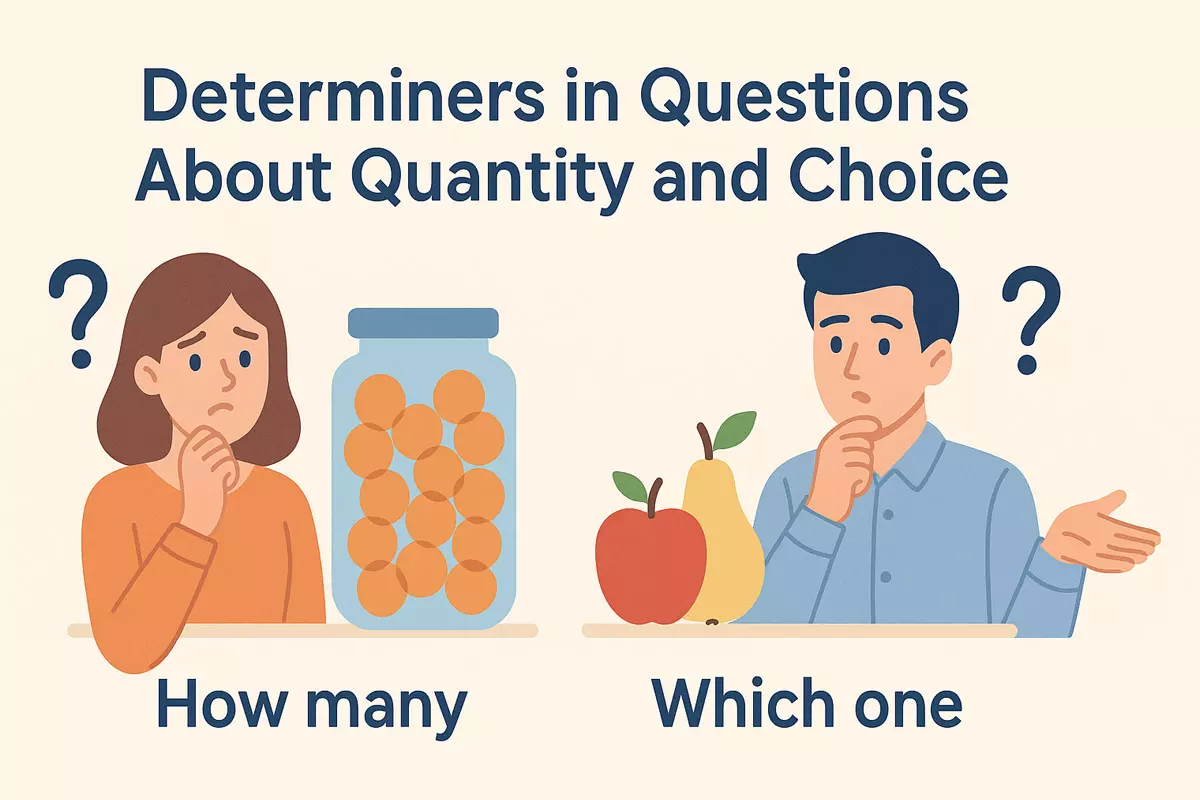 This article explains how to ask about quantity in English using how much, how many, which, and what. It covers combining question words with nouns and determiners, polite phrasing, common beginner mistakes, and practice questions.
- How to ask about quantity in English
- Questions with how much and how many
- Using which and what to ask about choices and types
- Combining question words with nouns and determiners
- Polite ways to ask about amount and number
- Typical errors in quantity questions for beginners
- Practice: write and answer simple quantity questions
The words we use when asking about quantities or making choices can significantly influence the meaning and clarity of our questions. By paying attention to these subtle linguistic details, we can communicate more precisely and avoid misunderstandings. Understanding how small words shape our questions not only helps us gather more accurate information but also improves the overall effectiveness of our communication. Being mindful of language choices allows us to ask better questions and achieve clearer results in conversations and decision-making.
How to ask about quantity in English
When you need to find out how much or how many of something there is, English offers several useful structures. The choice of words depends on whether you're talking about countable or uncountable nouns, and sometimes on the level of formality or context. The most common way is to use question words like "how much" or "how many," but there are other determiners and phrases that help specify your question.
Common ways to form quantity questions
- How many – for countable nouns (e.g., "How many apples do you have?")
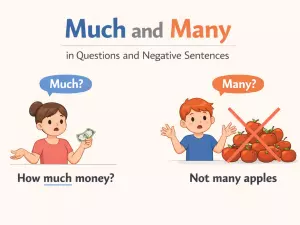
- How much – for uncountable nouns (e.g., "How much water is left?")
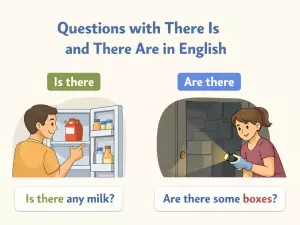
- Is there any...? – for uncountable or plural countable nouns ("Is there any milk?")
- Are there any...? – for plural countable nouns ("Are there any oranges?")
- What quantity of...? – more formal or specific ("What quantity of rice do you need?")
- How few/many – to ask about a small number ("How few people attended?")
- How little/much – to ask about a small amount ("How little sugar do you use?")
- Which amount of...? – to choose between options ("Which amount of flour should I use?")
- How often – for frequency, which can relate to quantity over time ("How often do you eat out?")
- How long – for duration, a kind of measurable quantity ("How long does it take?")
- How big/small/much – for size or extent ("How big is your class?")
Comparing "How much" and "How many"
The choice between "how much" and "how many" is one of the most common areas of confusion. "How many" is used for things you can count individually (books, cars, people), while "how much" is used for things you can't easily count (water, money, time).
| Question Word | Used With |
|---|---|
| How many | Countable nouns (e.g., chairs, coins, ideas) |
| How much | Uncountable nouns (e.g., sugar, information, time) |
| Any | Questions (Is there any bread? Are there any cookies?) |
| What quantity/amount | Formal or scientific contexts, both countable and uncountable |
Helpful tips for asking about quantity
Start your question with the correct determiner, and be mindful of the noun type. If you're not sure whether something is countable, check if it has a plural form. For example, "apple/apples" is countable, but "rice" is not. When in doubt, listen to native speakers or check a dictionary for usage examples. In summary, English offers a variety of structures for quantity questions, each suited to different kinds of nouns and situations. Using the right determiner helps make your meaning clear and your questions more natural.
Questions with how much and how many
When asking about quantity in English, we use specific question words combined with determiners. The choice between “how much” and “how many” depends on whether the noun is countable or uncountable. “How many” is paired with countable nouns, while “how much” is used for uncountable nouns. Understanding this distinction is essential for forming clear questions about amounts or numbers.
Countable vs. Uncountable Nouns
Countable nouns refer to items you can count individually (apples, cars, books). Uncountable nouns describe things that cannot be separated into individual elements (water, sugar, money). Here’s how each form works in questions:
- How many books do you have?
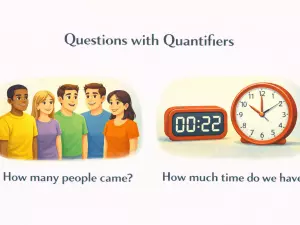
- How many chairs are in the room?
- How much milk is in the fridge?
- How much time do we need?
Common Patterns and Usage
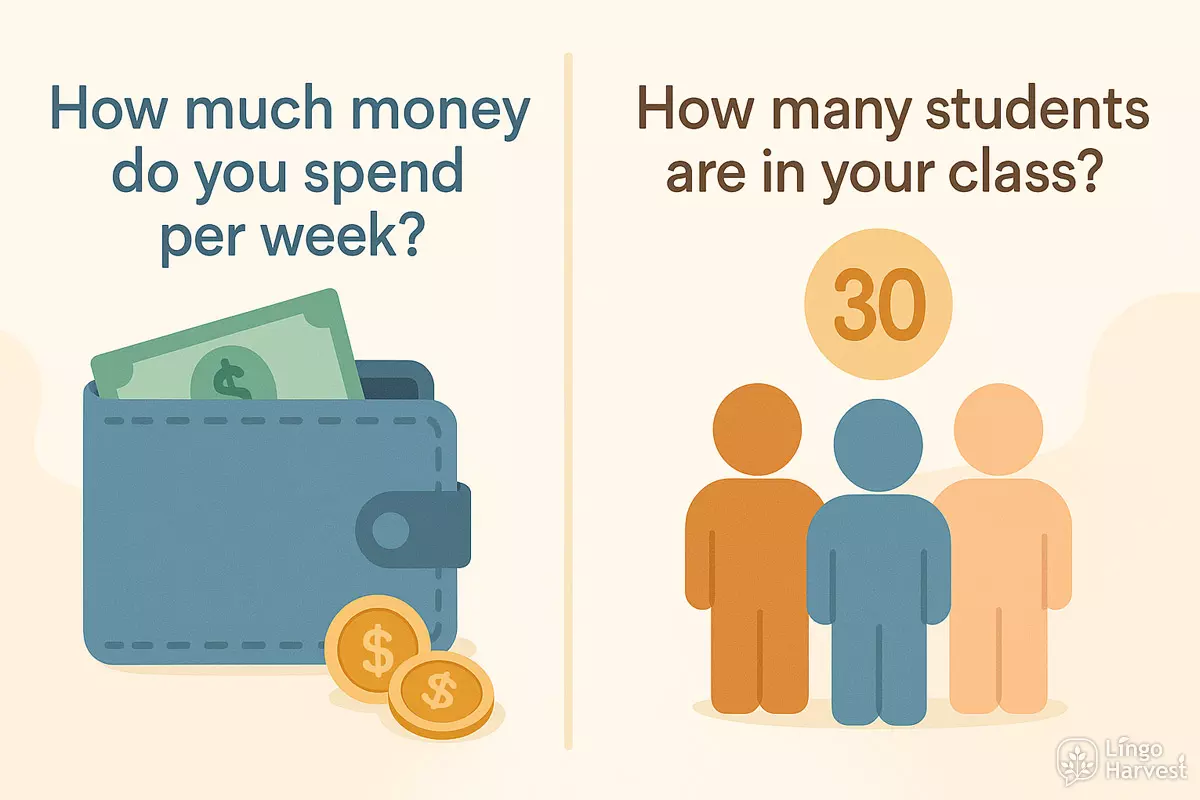
Both “how much” and “how many” are usually followed by a noun, and often a determiner such as “some,” “any,” or a possessive. The verb agrees with the noun type. Here are some typical question structures:
- How much money do you spend per week?
- How many students are in your class?
- How much information did you find?
- How many hours does this take?
- How much bread should I buy?
- How many friends did you invite?
- How much energy do we need?
- How many emails are unread?
- How much space is available?
- How many countries have you visited?
- How much homework is left?
- How many mistakes did you make?
- How much noise can you hear?
- How many questions are on the test?
- How much paint do we need?
- How many times have you tried?
Quick Reference: Choosing the Right Form
The table below summarizes the main points for selecting between “how much” and “how many” in questions:
| Usage | Examples |
|---|---|
| How much + uncountable noun | How much water do you drink? How much cheese is there? |
| How many + countable noun (plural) | How many apples are left? How many cars do you own? |
| How much + singular uncountable noun | How much advice did you receive? How much furniture is in the house? |
| How many + plural countable noun | How many tickets did you buy? How many children are playing? |
Tips for Accurate Question Formation
Think about whether the noun can be counted or not. For abstract ideas, substances, and collective items, “how much” is generally correct. For individual items, “how many” fits. If in doubt, try to count the items; if you can, use “how many.” This approach helps avoid common errors and makes your questions more precise.
Using which and what to ask about choices and types
When you want to ask about specific options or categories, "which" and "what" are the most common determiners used in English questions. Both words help you get more information, but they serve different purposes depending on how clear or limited the choices are.
Choosing Between "Which" and "What"
"Which" is usually used when the options are known, limited, or clear to both the speaker and listener. In contrast, "what" is more open-ended and works best when the range of possible answers is unknown or unlimited. This distinction helps make your questions precise and easy to understand.
- Which color do you prefer? (from a visible or specific set)
- What color do you like? (any color in general)
- Which train goes to the airport? (from a known schedule or list)
- What train is this? (the identity is unknown; many possibilities)
- Which of these books have you read?
- What books do you enjoy reading?
- Which way should we go—left or right?
- What is the best way to learn English?
- Which movie do you want to watch tonight?
- What movies are popular right now?
- Which subject did you choose for your project?
- What subjects do you find difficult?
- Which team won the match?
- What happened at the game?
- Which website do you use for news?
- What websites do you visit daily?
Patterns and Positions in Questions
Both "which" and "what" usually come at the beginning of a question, followed by a noun if you want to specify the type of thing you are asking about. For example: Which restaurant, what time, which subject. They can also be used alone, especially when the context is clear.
Comparison Table: "Which" vs. "What" in Questions
| Usage | Example |
|---|---|
| Limited or defined set of options (which) | Which of these pens is yours? |
| Open, unlimited possibilities (what) | What music do you listen to? |
| Specifying a type or category | What kind of books do you like? / Which type of cake do you want? |
| Identifying or choosing among known items | Which shoes should I wear? |
Mastering the use of "which" and "what" in questions can make your English sound more natural and help you get clearer answers when you ask about choices, categories, or types.
Combining question words with nouns and determiners
When forming questions about quantity and choice, it’s important to know how question words (like “how many,” “which,” “what”) interact with nouns and determiners (such as “some,” “any,” “these,” “those”). These combinations help you ask for specific information, clarify options, or find out amounts. The structure you use depends on what exactly you want to know and whether the noun is countable or uncountable.
Patterns and Examples
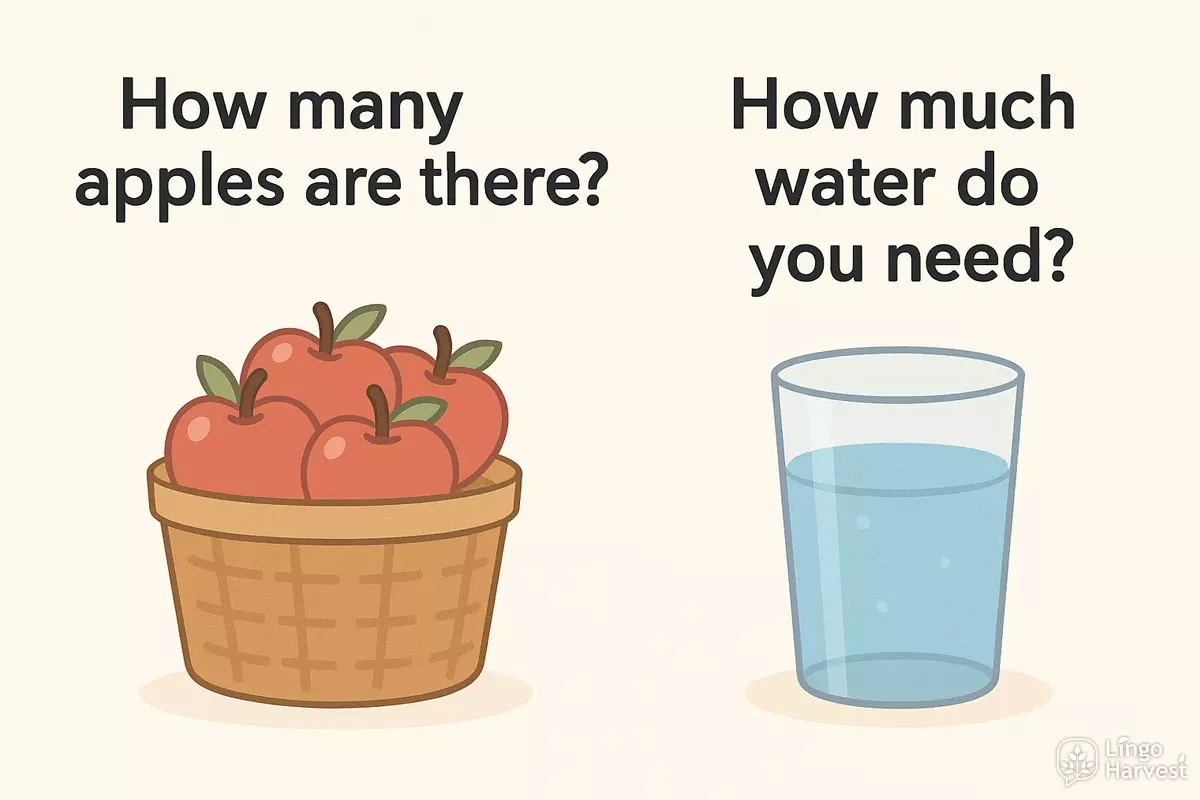
Pairing interrogative words with determiners and nouns allows for nuanced questions. Here are common patterns and sample combinations:
- How many apples are there?
- How much water do you need?
- Which books did you choose?
- What kind of bread do you like?
- How many of these chairs are broken?
- Which of those students passed?
- What amount of time do we have?
- How much of this information is new?
- Which of the options do you prefer?
- How many of my friends are coming?
- What sort of problems are common?
- How many more do we need?
- Which one would you like?
- What portion of the cake did you eat?
- How much of that advice did you follow?
- Which color do you prefer?
Using Determiners with Question Words
Determiners like “some,” “any,” “this,” “that,” “these,” and “those” often appear between the question word and the noun, especially when specifying a group or amount. For example:
- How many of these are left?
- Which of those would you choose?
- How much of this can you carry?
This structure helps narrow down the question to a specific set or quantity.
Comparing Question Patterns
Below is a table illustrating different ways to combine interrogatives, determiners, and nouns to form questions about quantity and choice:
| Pattern | Example Question |
|---|---|
| How many + plural noun | How many books are there? |
| How much + uncountable noun | How much sugar do you need? |
| Which + noun | Which color do you like? |
| Which of + determiner + plural noun | Which of these apples is yours? |
| How many of + determiner + plural noun | How many of those students passed? |
| How much of + determiner + uncountable noun | How much of this information is accurate? |
| What + kind/sort/type of + noun | What kind of tea do you prefer? |
Using these patterns, you can create precise questions suited to any context, whether you’re asking about the number of items, the amount of something, or making a choice among options.
Polite ways to ask about amount and number
When you want to inquire about quantities or numbers in a considerate manner, the choice of words and determiners plays a crucial role. Using softer structures and indirect language helps to sound courteous and makes your questions feel less intrusive. For instance, instead of bluntly asking “How much?” or “How many?”, you can opt for longer, more tactful forms.
Common phrases for gentle inquiries
- Could you tell me how many…?
- Would you mind letting me know how much…?
- Do you happen to know the amount of…?
- May I ask how many… there are?
- Is it possible to share the number of…?
- Would it be possible to find out how much…?
- I was wondering how many…
- If you don’t mind me asking, how much…?
- Can you please tell me the quantity of…?
- Could I ask about the number of…?
- Do you have any idea how much…?
- I’d appreciate knowing how many…
- Would you be able to tell me how much…?
- May I know the number of…?
- Could you please let me know how many…?
Choosing the right determiner for context
Selecting suitable determiners depends on whether you’re referring to countable or uncountable nouns. For countable items, “how many,” “several,” or “a few” are typical, while for uncountable quantities, “how much,” “a little,” or “some” are more appropriate. Using “any” or “some” can also soften the question and make it less direct.
Examples of polite questions with determiners
- Could you tell me how many meetings are scheduled this week?
- Would you mind letting me know how much milk is left?
- I was wondering if there are any updates on the project?
- Is it possible to share the number of tickets sold?
- Do you have any idea how much time this will take?
Tips for sounding courteous
- Use modal verbs like “could,” “would,” and “may” to soften requests.
- Add phrases like “if you don’t mind” or “I was wondering” for extra politeness.
- Choose indirect language, especially with unfamiliar people or formal settings.
- Avoid demanding or abrupt wording; rephrase direct questions to show respect.
By choosing your words and determiners thoughtfully, you show respect for the other person’s time and information, making your inquiries about quantity or number much more effective and pleasant.
Typical errors in quantity questions for beginners
When new learners form questions about amounts or choices, they often struggle with determiners like "much," "many," "some," or "any." These small but crucial words can completely change the meaning or clarity of a question. Misplacing or omitting determiners is a frequent stumbling block, especially when switching between countable and uncountable nouns.
Common mistakes in quantity question formation
Beginners may confuse which determiner to use, leading to awkward or incorrect questions. Some typical issues include:
- Using "much" with countable nouns: How much apples do you want? ❌
- Swapping "many" with uncountable nouns: How many milk is left? ❌
- Leaving out the determiner: How books do you have? ❌
- Adding unnecessary determiners: How much many students are there? ❌
- Confusing "some" and "any" in questions: Do you have some water? (usually "any" in questions)
- Incorrect word order: You have how many pens?
- Using singular with "many": How many apple do you eat?
- Forgetting to pluralize countable nouns: How many cat are there?
- Mixing up "few" and "little": How few sugar do you need?
- Applying "any" incorrectly in affirmative statements: I have any friends. (should be "some")
Comparison of correct and incorrect forms
To help clarify these pitfalls, see the table below for side-by-side examples. The left column shows the common error, and the right column presents the correct version.
| Incorrect Form | Correct Form |
|---|---|
| How much books do you own? | How many books do you own? |
| How many rice do you need? | How much rice do you need? |
| Do you have some pens? | Do you have any pens? |
| How many bread do you want? | How much bread do you want? |
| How much apples are there? | How many apples are there? |
| How many milk is left? | How much milk is left? |
| How many sugar do you take? | How much sugar do you take? |
| How many information do you need? | How much information do you need? |
Tips for avoiding these mistakes
- Remember: use "many" for countable nouns (books, apples), "much" for uncountable nouns (milk, rice).
- In questions, "any" is more common than "some"—except when offering or suggesting.
- Check noun countability before choosing a determiner.
- Always match the noun form (singular/plural) to the determiner.
- Practice by making sample questions with both types of nouns.
Recognizing these patterns will help learners build more accurate and natural-sounding questions about quantity and choice.
Practice: write and answer simple quantity questions
Understanding how to form and respond to basic questions involving quantity can help clarify meaning and improve communication. In English, different determiners signal whether we are asking about an amount, a number, or making a choice. Practice with the following common patterns and examples to become more comfortable with these structures.
Common Patterns for Quantity Questions
| Pattern | Example |
|---|---|
| How many + plural countable noun + are there? | How many apples are there? |
| How much + uncountable noun + is there? | How much water is there? |
| Do you have any + noun? | Do you have any sugar? |
| Is there any + uncountable noun? | Is there any milk in the fridge? |
| Are there any + plural noun? | Are there any bananas left? |
| Which + noun + do you want? | Which book do you want? |
| How much/many + noun + do you need? | How many chairs do you need? |
| Would you like some + noun? | Would you like some tea? |
| How often + verb? | How often do you exercise? |
| How few/many + noun + are left? | How many tickets are left? |
Sample Quantity Questions and Short Answers
Try to answer these questions yourself before checking the suggested answers.
- How many apples are in the basket?
- How much water is in the bottle?
- Are there any cookies left?
- Do you have any bread?
- Is there any juice in the fridge?
- How many chairs do we need?
- Would you like some tea?
- Which book do you prefer?
- How much sugar do you want in your coffee?
- How many students are in your class?
Show answers
- There are five apples in the basket.
- There is about half a liter of water in the bottle.
- Yes, there are a few cookies left.
- No, I don't have any bread.
- Yes, there is some juice in the fridge.
- We need eight chairs.
- Yes, I would like some tea, please.
- I prefer the red book.
- I want one teaspoon of sugar.
- There are twenty students in my class.
Comparing "How many" and "How much" in Questions
The choice between "how many" and "how much" depends on whether the noun is countable or uncountable. Here is a structured overview:
| Question Pattern | Example |
|---|---|
| How many + plural countable noun | How many eggs do you need? |
| How much + uncountable noun | How much milk is left? |
| How many + singular/plural with units | How many liters of water are there? |
| How much + noun (abstract/uncountable) | How much information do you have? |
Task: Create Your Own Questions
Try writing three questions about quantity or choice, using the patterns above. Then, write a short answer for each.
Show answers
- How many pens are on your desk? — There are four pens on my desk.
- How much homework do you have tonight? — I have a lot of homework tonight.
- Which shirt do you want to wear? — I want to wear the blue shirt.
Practicing these forms will help you use quantity and choice determiners naturally in conversation and writing.