Using Can for Ability and Skills

 This article explains how to use 'can' to express abilities, make positive and negative sentences, ask questions, and discuss skills. It highlights common mistakes and provides practice activities with real examples for better understanding.
Effectively communicating our abilities in English is crucial, particularly when discussing talents or skills we have developed over time. Knowing how to clearly express what we can do helps us present ourselves confidently in both personal and professional situations. Whether describing natural talents or expertise gained through practice, choosing the right words and phrases allows us to highlight our strengths and achievements. By mastering this aspect of communication, we can make a positive impression and open doors to new opportunities.
What Can Means
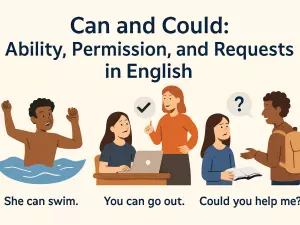
In English, the modal verb can is most often used to express someone’s ability, skill, or capacity to do something. It shows what a person is capable of, either generally or in a particular situation. When you say “I can swim,” you are telling others that swimming is a skill you possess. This function differs from other uses of modals, such as may for permission or must for necessity.
Ways “Can” Expresses Ability
People use this modal to talk about learned skills, talents, or natural abilities. It is common in both spoken and written English, and works with verbs in their base form (the infinitive without “to”).
- She can speak three languages fluently.
- We can solve this problem together.
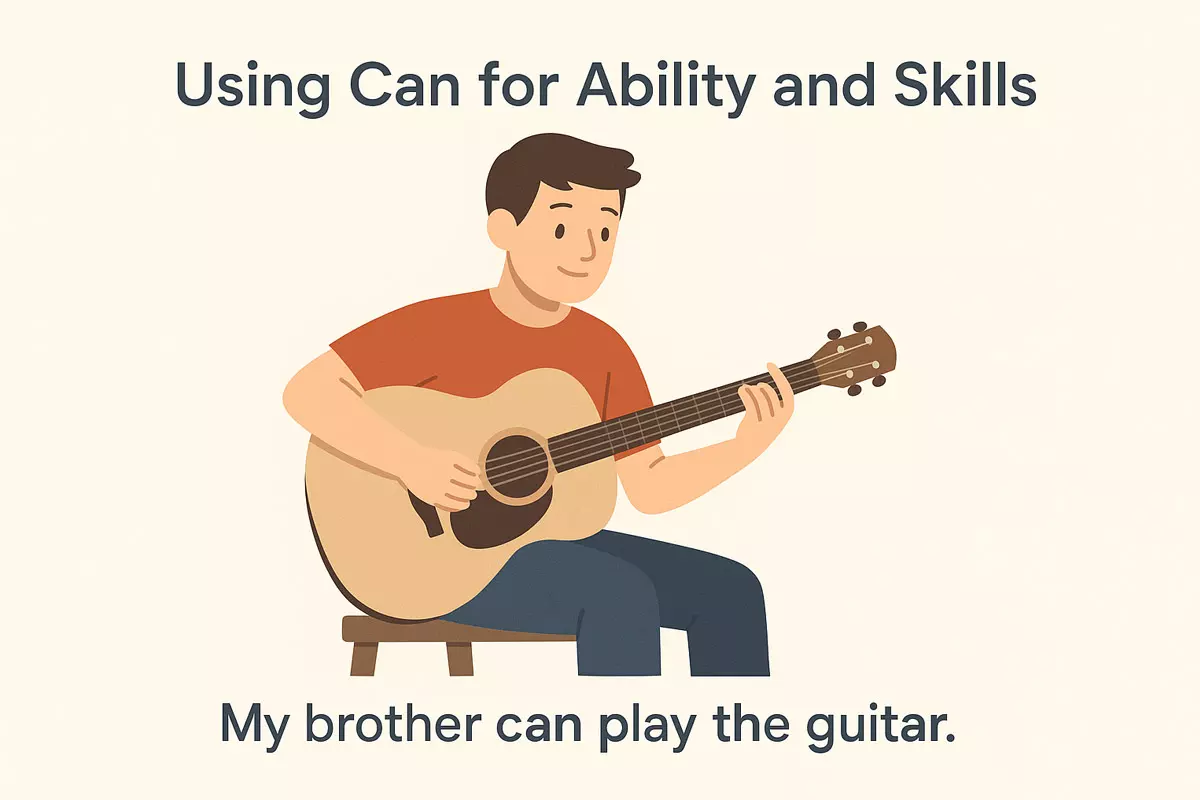
- My brother can play the guitar.
- They can cook Italian food.
- I can drive a car.
- Can you help me with my homework?
- The dog can open the door.
- Can your phone take good pictures?
- He can run very fast.
- We can meet after work.
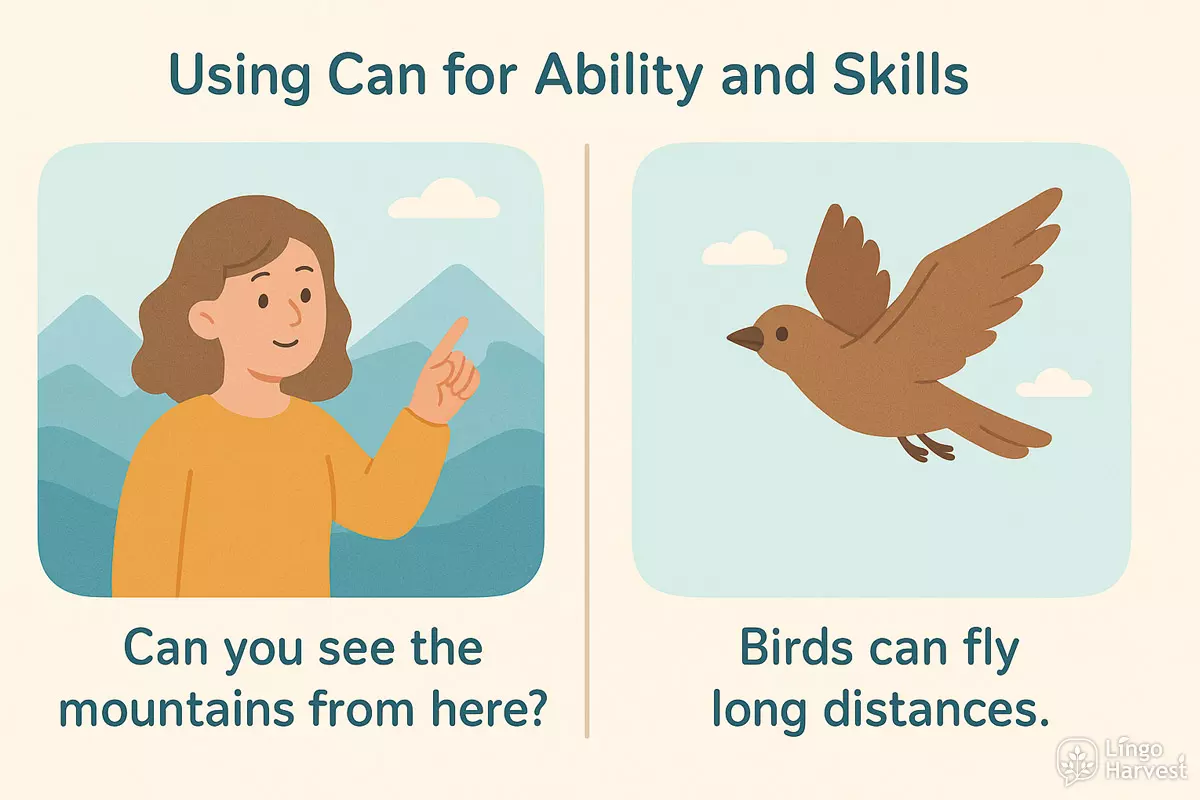
- Can you see the mountains from here?
- Birds can fly long distances.
Negative and Question Forms
To say that someone does not have the ability, use cannot or the contraction can’t. For questions, simply invert can and the subject.
- I cannot (can’t) swim. ❌
- Can you swim? →
- She can’t understand German. ❌
- Can he play chess? →
Summary of Forms
| Form | Example |
|---|---|
| Affirmative | They can dance. |
| Negative | They cannot (can’t) dance. |
| Question | Can they dance? |
| Short Answer | Yes, they can. / No, they can’t. |
Common Contexts for “Can”
The verb often appears when discussing what people are able to do, describing talents, or making polite requests. It is not used with actions in the past (for that, use could) or with future intentions.
- Describing personal skills (“She can paint portraits.”)
- Talking about general truths (“Fish can swim.”)
- Making informal offers or requests (“Can you pass the salt?”)
- Asking about possibility (“Can this be true?”)
Recognizing how can works in these situations helps learners communicate about their abilities clearly and naturally in English.
Positive and Negative Sentences
Understanding how to use "can" for expressing what someone is able or unable to do is a key part of talking about skills or abilities in English. "Can" shows that a person has the power, knowledge, or means to do something, while its negative form "cannot" (or the contracted "can't") indicates that the person lacks the ability or permission.
How to Form Statements with "Can"
To state that someone is able to do something, use "can" between the subject and the main verb (base form). For negative forms, use "cannot" or "can't" in the same position. The verb form never changes, and there is no "to" before the main verb.
- I can swim. ✅
- She can play the piano. ✅
- We can speak Spanish. ✅
- He can't drive a car. ❌
- They cannot cook well. ❌
- You can solve this problem. ✅
- My brother can't ride a bike. ❌
- Can your friend dance? (question form, for reference)
- My dog can fetch a ball. ✅
- I can't understand this text. ❌
- We can help you. ✅
- She can't come to the party. ❌
- He can draw very well. ✅
- They can't speak French. ❌
- Can you hear me? (question form, for reference)
- My sister can cook Italian food. ✅
- I cannot run fast. ❌
- You can use my phone. ✅
Comparison of Positive and Negative Forms
The structure for both forms is simple and consistent across all subjects. Here is a quick overview:
| Subject + Can + Verb | Subject + Cannot/Can't + Verb |
|---|---|
| I can sing. | I can't sing. |
| She can swim. | She cannot swim. |
| We can help. | We can't help. |
| They can read. | They can't read. |
| He can play chess. | He cannot play chess. |
Notes and Tips
- Use "can" for both present and general abilities. For past abilities, use "could."
- There is no change in form for different subjects (I/you/he/she/it/we/they).
- Never add "to" before the main verb: Correct: She can dance. Incorrect: She can to dance.
- The negative form "cannot" is often contracted to "can't" in informal speech and writing.
By mastering these patterns, you can confidently talk about what you or others are able—or unable—to do.
Questions with Can
When talking about abilities or skills in English, "can" is often used to form questions. These questions help us find out what someone is able to do, or what skills they have. The structure is simple and direct, making it easy to use in everyday conversations.
How to Form Questions Using "Can"
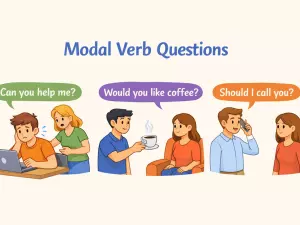
To make a question, start with "Can," then add the subject, and then the base form of the verb. For example: "Can you swim?" This pattern is consistent no matter the subject or verb, so it's straightforward to remember.
- Can you play the piano?
- Can she speak French?
- Can they run fast?
- Can he drive a car?
- Can we start now?
- Can your brother cook?
- Can I help you?
- Can dogs see in the dark?
- Can it snow in April?
- Can my friend join us?
- Can you lift this box?
- Can the baby walk?
- Can students use calculators?
- Can we meet tomorrow?
- Can she come with us?
- Can you solve this puzzle?
- Can he finish on time?
- Can we eat here?
Short Answers to "Can" Questions
When someone asks about your abilities, short responses are common. The answer usually begins with "Yes" or "No," followed by the subject and "can" or "can't." This keeps conversations clear and efficient.
| Question | Short Answer |
|---|---|
| Can you swim? | Yes, I can. / No, I can't. |
| Can he drive? | Yes, he can. / No, he can't. |
| Can they come? | Yes, they can. / No, they can't. |
| Can she help? | Yes, she can. / No, she can't. |
Tips for Using "Can" in Questions
Using "can" is not limited to asking about personal skills. It can also be used to inquire about possibilities, permission, or general truths. For example, "Can you open the window?" (request), or "Can birds fly backwards?" (general fact). Pay attention to context to understand which meaning is intended. Practicing these patterns will help you ask about abilities naturally and confidently in English conversation.
Talking About Skills and Abilities
When we want to express what people are able to do, we often use the modal verb can. This is a simple and direct way to describe someone's talents, expertise, or general capabilities in English. Whether you’re discussing your own strengths or someone else’s, can helps convey this information clearly.
How to Use "Can" for Describing Abilities
The structure is straightforward: subject + can + base verb. For example, “She can play the piano” or “I can drive.” This pattern works for both present abilities and general skills. To talk about what someone is not able to do, simply add not: “He cannot swim” or “They can't cook.”
- I can speak three languages.
- He can solve complex math problems.
- We can use this software easily.
- You can find the answer in the text.
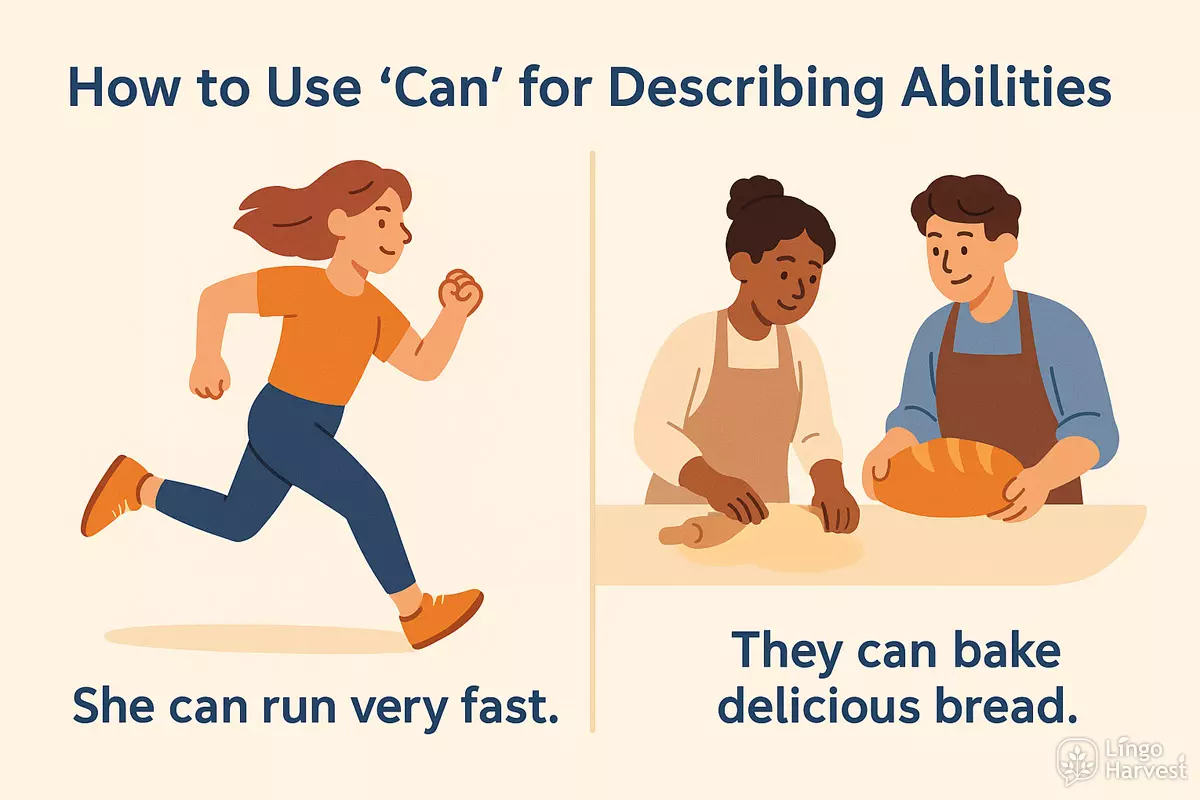
- She can run very fast.
- They can bake delicious bread.
- Can you fix this computer?
- My brother can ride a bike.
- Our teacher can explain grammar well.
- Can your friend play chess?
- I can't draw very well.
- He can't remember the password.
- Can we leave early today?
- The baby can't walk yet.
- She can write with both hands.
- Can the dog open the door?
- You can't access that file without permission.
- My parents can understand Italian.
Short Answers and Questions
To ask about someone’s ability, invert the subject and can: “Can you swim?” For short answers, use “Yes, I can” or “No, I can't.” This keeps communication efficient and clear.
Common Mistakes to Avoid
- Don’t use “to” after can: say “She can dance,” not “She can to dance.”
- Remember, can does not change for different subjects: “I can,” “he can,” “they can.”
- Use the base form of the verb after can. For example, “can speak,” not “can speaks.”
Comparing Abilities
Sometimes it’s useful to compare what different people are able to do. Here’s a simple comparison:
| Person | What They Can Do |
|---|---|
| Anna | can play the guitar, can swim, can speak French |
| Ben | can play the piano, can cook, can drive |
| Maria | can draw, can dance, can ride a bike |
| Tom | can fix computers, can play football, can sing |
Discussing what people are capable of is essential for everyday communication. Using can makes it easy to share information about your own skills or learn about others’ talents.
Common Mistakes
When learning to express ability or skills in English, learners often fall into some typical traps. These missteps can lead to misunderstandings or unnatural-sounding sentences. Recognizing and avoiding these issues helps students communicate more clearly and confidently.
Using the Wrong Modal
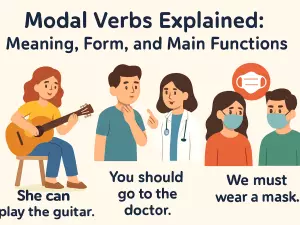
Learners sometimes confuse "can" with other modals like "may" or "must." While "can" is used to talk about ability, "may" usually expresses permission, and "must" is about obligation. Mixing these up can change the meaning completely.
- Incorrect: I may swim. (This sounds like asking for permission.)
- Correct: I can swim. (This shows the ability.)
Incorrect Verb Forms
A frequent error is using the wrong form of the verb after "can." Remember, "can" is always followed by the base form (infinitive without "to") of the main verb.
- Incorrect: She can to play the piano.
- Correct: She can play the piano.
Confusing Present and Past Ability
Many learners forget that "can" is mainly for present ability. For past ability, "could" or "was/were able to" should be used. The distinction is important, especially for specific achievements in the past.
| Time | Correct Form |
|---|---|
| Present | I can swim. |
| General Past Ability | I could swim when I was five. |
| Specific Past Event | I was able to swim across the lake yesterday. |
| Future | I will be able to swim next summer. |
Omitting the Subject or Modal
Some students accidentally drop the subject or the modal verb itself, making sentences incomplete.
- Can speak English. ❌ (Missing subject)
- He swim. ❌ (Missing modal)
- He can speak English. ✅ (Complete)
Overusing "Can" for All Types of Ability
Another pitfall is using "can" for every situation, even when a more precise expression is needed, such as "know how to" or "manage to." For example, "I can write a book" (suggests the ability exists) versus "I managed to write a book" (focuses on the achievement).
Quick Reference: Frequent Errors
- Using "can" with "to": can to go → can go
- Applying "can" in the past for single events: I could finish the test on time (should be "was able to")
- Confusing permission and ability: May I swim? vs. Can I swim?
- Using "can" with stative verbs: I can know (should be "I know")
- Leaving out "can" in questions: You swim? (should be "Can you swim?")
- Double modals: He can must finish (never use two modals together)
- Not using the base verb: She can sings (should be "She can sing")
- Using "can" with future: I can go tomorrow (prefer "will be able to" for planned future ability)
- Negative form confusion: I can’t to play (should be "I can’t play")
- Word order in questions: You can swim? (should be "Can you swim?")
Paying attention to these patterns will help you use "can" and similar expressions correctly when talking about skills and abilities.
Practice: Write Can Sentences
Understanding how to express ability in English is important for everyday communication. The modal verb "can" is commonly used to describe what someone is able to do or a skill they possess. Below you'll find exercises and examples to help you use "can" correctly in positive, negative, and question forms.
Examples of Sentences Using "Can"
- I can swim very fast.
- She can speak three languages.
- We can cook Italian food.
- He can play the guitar.
- You can solve this puzzle.
- They can run 5 kilometers.
- The baby can crawl.
- My friend can draw well.
- Our dog can fetch the ball.
- I can help you with your homework.
- She can’t ride a bike yet.
- Can you drive a car?
- He can’t play chess.
- Can they come to the party?
- We can’t understand this question.
- Can Anna dance salsa?
- My brother can’t cook.
- Can you use a computer?
Sentence Structure for "Can"
The word order with "can" is simple. Use the following pattern for different sentence types:
| Sentence Type | Structure Example |
|---|---|
| Positive Statement | Subject + can + base verb (She can sing.) |
| Negative Statement | Subject + can’t (cannot) + base verb (He can’t swim.) |
| Yes/No Question | Can + subject + base verb? (Can you play tennis?) |
| Short Answers | Yes, subject can. / No, subject can’t. (Yes, I can. / No, she can’t.) |
Try It Yourself: Make Sentences with "Can"
Rewrite each prompt as a full sentence using "can" to show ability. Use the correct subject and verb.
- John / play basketball
- my parents / cook
- you / ride a horse?
- the children / speak Spanish
- Lisa / not / drive
Show answers
- John can play basketball.
- My parents can cook.
- Can you ride a horse?
- The children can speak Spanish.
- Lisa can’t drive.
More Practice: What Can You Do?
List at least three things you are able to do. Start each sentence with "I can…". For example:
- I can draw cartoons.
- I can use a computer.
- I can run 10 kilometers.
Practicing with your own examples helps reinforce how to use "can" for expressing abilities. Try to use a variety of verbs to describe different skills or talents you have.