Daily Routine Verbs: Common Actions in Everyday English

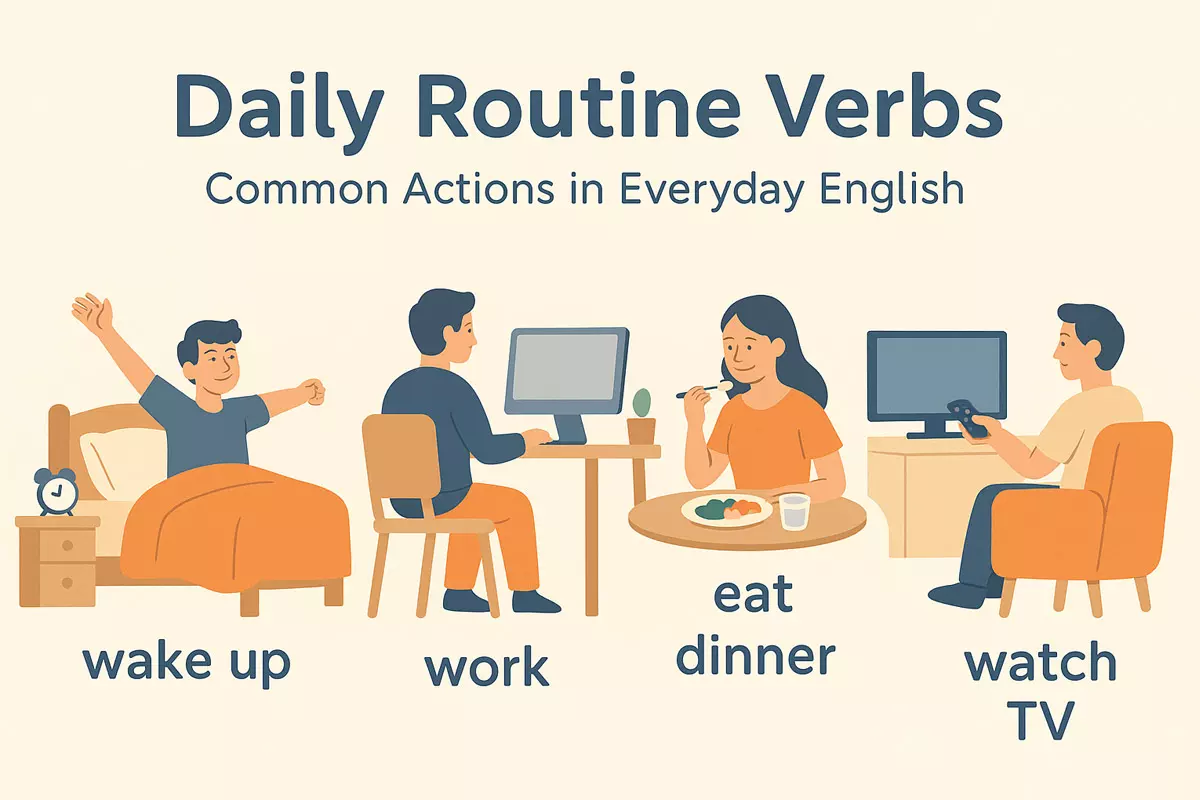 The article explains how to describe your daily life in English, including morning activities, work and study verbs, evening routines, weekend actions, and useful collocations. It also offers practice for writing about your day.
Every day, from the moment we wake up until we go to bed, our routines are made up of simple actions such as getting dressed, eating breakfast, commuting to work or school, and completing daily chores. Being able to describe these everyday activities clearly is important for effective English communication, whether you are sharing your schedule, asking for help, or giving instructions. Mastering the vocabulary and phrases related to daily routines helps you engage in conversations with confidence and express yourself more naturally in various situations.
Morning Activities
In English, there are many verbs related to what people typically do after waking up. These common actions help describe how we begin our day and set our routines. Learning the right vocabulary makes it easier to talk about daily habits and to understand what others do as part of their mornings.
Essential Verbs for Starting the Day
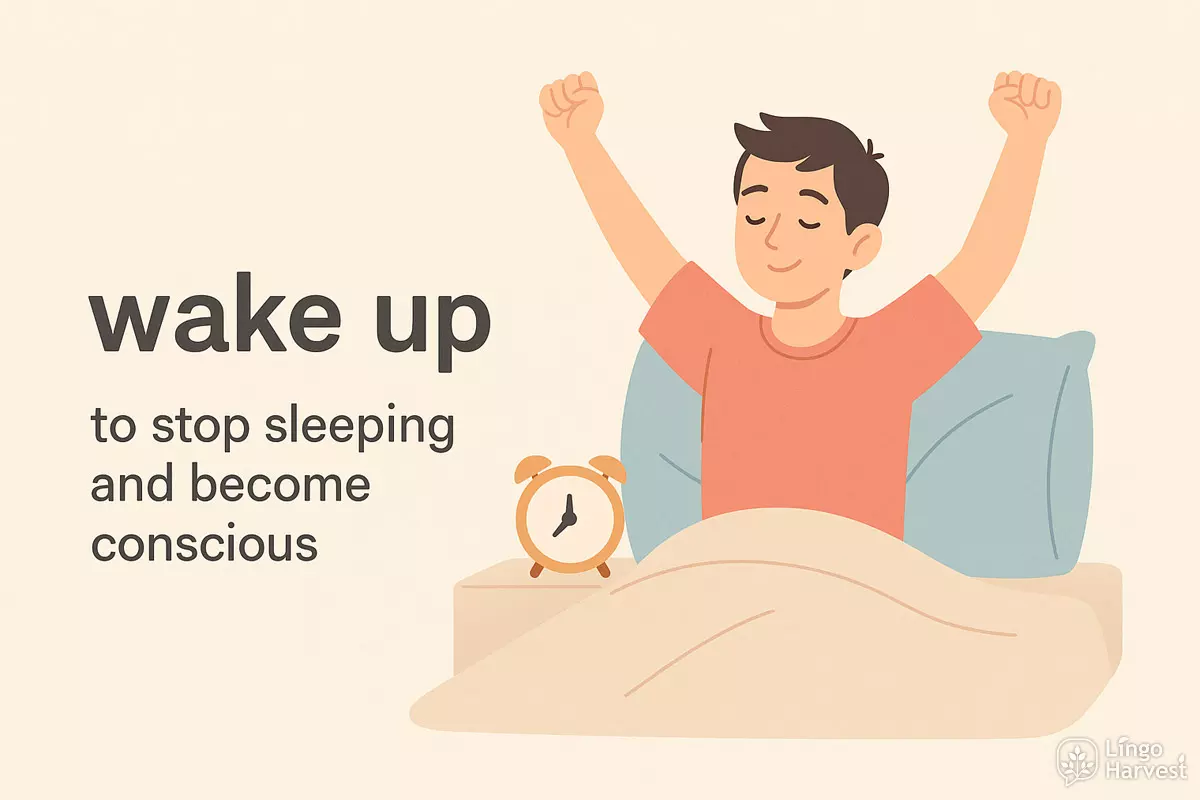
- wake up – to stop sleeping and become conscious
- get up – to rise from bed
- turn off (the alarm) – to stop the alarm clock
- stretch – to extend your body after sleep
- make the bed – to arrange the sheets and blanket
- take a shower – to wash your body under running water
- brush (your) teeth – to clean your teeth with a toothbrush
- wash (your) face – to clean your face with water
- get dressed – to put on clothes
- comb/brush (your) hair – to tidy your hair
- have breakfast – to eat the first meal of the day
- prepare coffee/tea – to make a hot drink
- pack (your) bag – to put things in a bag for the day
- leave the house – to go out to work, school, or another place
Verb Patterns and Examples
These verbs often follow certain patterns when used in sentences. Here are some examples:
- I wake up at 7 a.m.
- She gets up quickly after her alarm rings.
- They make the bed every morning.
- He brushes his teeth before breakfast.
- We leave the house at 8 o’clock.
Comparing Common Phrases
| Verb Phrase | Typical Usage Example |
|---|---|
| Wake up | I wake up at 6:30 every day. |
| Get up | Do you get up right after your alarm? |
| Take a shower | She takes a shower before breakfast. |
| Have breakfast | We have breakfast together as a family. |
| Leave the house | He leaves the house at 7:45 for work. |
Quick Practice: Match the Verb to the Action
- ______ at 7:00 a.m. (stop sleeping)
- ______ your teeth after eating.
- ______ your clothes before going out.
- ______ the alarm when it rings.
- ______ breakfast in the kitchen.
Show answers
- wake up
- brush
- get dressed
- turn off
- have
Work and Study Verbs
Many daily routines involve tasks related to jobs, school, or learning. Understanding the most frequent verbs in these contexts can help you describe your typical day more clearly. From arriving at your workplace to finishing homework, these action words are essential for communicating about professional and educational activities.
Common Verbs for Professional Tasks
- arrive
- start
- check (emails, messages)
- attend (meetings, classes)
- call
- write (reports, essays)
- organize (files, schedules)
- plan
- present
- finish
- submit
- review
- leave
- update
- report
- manage
Study and Learning Actions
In educational settings, students and teachers use a variety of verbs to describe everyday academic routines. Here are some important ones:
- read
- study
- learn
- take (notes, tests)
- revise
- memorize
- research
- practice
- explain
- discuss
- solve (problems, exercises)
- prepare
- ask (questions)
- answer
Comparing Work vs. Study Routines
Some actions overlap between jobs and learning, but others are unique to each area. The table below shows how certain verbs are commonly used in each context.
| Work Context | Study Context |
|---|---|
| attend meetings | attend classes |
| write reports | write essays |
| organize files | organize notes |
| present a project | present homework |
| manage a team | study in a group |
| submit forms | submit assignments |
Mastering these action words makes it easier to talk about your daily schedule at the office or in class. Try using them to describe your own routine and notice which verbs you use most often.
Evening Routines
Winding down after a busy day often involves a series of habitual actions. These activities help people transition from work or study time to a more relaxed state before bedtime. Understanding the common verbs for this part of the day can make daily communication clearer and more natural.
Common Actions and Verbs for the End of the Day
- Come home
- Take off (shoes, coat)
- Have dinner / Eat supper
- Wash the dishes
- Relax / Unwind
- Watch TV
- Read a book
- Take a shower / Bath
- Brush teeth
- Prepare for tomorrow (pack a bag, lay out clothes)
- Call or message friends/family
- Feed pets
- Do homework
- Set an alarm
- Go to bed
- Fall asleep
Typical Sequences at Night
Many people follow a similar pattern before sleeping. First, they return home and change into comfortable clothes. Meals are often prepared and eaten, followed by cleaning up. Leisure activities like watching TV or reading help to relax. Some prefer to take care of personal hygiene—showering and brushing teeth—before getting ready for bed.
Verb Forms: Present Simple and Past Simple
The table below shows examples of how these verbs appear in the present simple and past simple tenses, helping you describe both current habits and completed actions from previous nights.
| Verb (Infinitive) | Present Simple Example | Past Simple Example |
|---|---|---|
| to have dinner | I have dinner at 7 PM. | I had dinner at 7 PM yesterday. |
| to relax | She relaxes by listening to music. | She relaxed last night. |
| to brush teeth | They brush their teeth before bed. | They brushed their teeth before bed. |
| to go to bed | We go to bed at 10 PM. | We went to bed late yesterday. |
Tips for Expanding Your Vocabulary
To talk about your nightly activities, try adding more detail. For example, instead of just “read,” specify what you read (“read a novel,” “read the news”). Consider using sequencing words like “first,” “then,” “after that,” and “finally” to make your descriptions clearer. This helps others understand your routine and also improves your fluency in English conversation.
Weekend Actions
During days off, people often shift from routine weekday habits to activities that help them relax, socialize, or accomplish personal tasks. These moments might involve spending time with family, enjoying leisure pursuits, or catching up on chores that are hard to fit into a busy schedule.
Typical Activities People Do on Weekends
- Sleep in
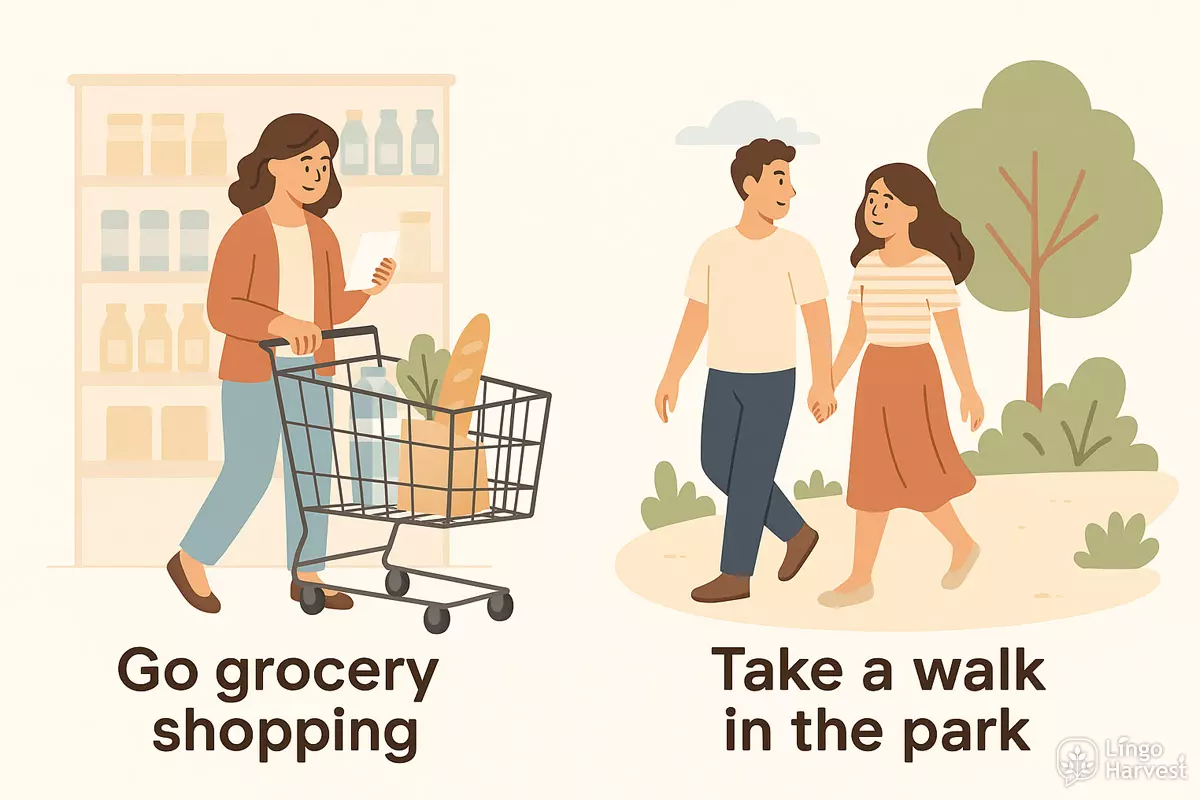
- Go grocery shopping
- Visit friends or relatives
- Take a walk in the park
- Do laundry
- Cook a special meal
- Watch movies or TV shows
- Read a book or magazine
- Clean the house
- Exercise or play sports
- Go out for coffee
- Attend events or festivals
- Work in the garden
- Catch up on emails or paperwork
- Go for a drive
- Play board games or video games
- Take a short trip or day excursion
- Listen to music or a podcast
Common Verbs for Describing Weekend Routines
Many English verbs describe what people tend to do when they’re not working or studying. Here are some useful ones and their typical collocations:
- Relax: relax at home, relax by the pool
- Visit: visit family, visit a museum
- Meet: meet friends, meet for lunch
- Organize: organize the closet, organize a party
- Enjoy: enjoy a hobby, enjoy the sunshine
- Explore: explore the city, explore nature trails
- Prepare: prepare dinner, prepare for the week
- Attend: attend a concert, attend a workshop
- Catch up: catch up on sleep, catch up with friends
- Plan: plan a trip, plan the week ahead
Comparing Weekday and Weekend Actions
Some verbs and phrases are more common on days off, while others are typical of a regular workday. Here’s a comparison to illustrate the contrast:
| Weekdays | Weekends |
|---|---|
| Wake up early | Sleep in |
| Commute to work/school | Go for a walk |
| Prepare quick breakfast | Cook a big breakfast |
| Attend meetings/classes | Meet friends |
| Work on assignments | Read or watch movies |
| Shop for essentials | Go shopping for fun |
Using These Verbs in Sentences
To talk about your own days off, try using these verbs in simple present or past tense. For example:
- I usually sleep in on Saturday mornings.
- Last weekend, we visited a new café.
- She enjoys spending time in the garden.
- We often plan short trips during the holidays.
These verbs help you describe your routines and experiences more naturally in English conversations.
Useful Collocations
When learning verbs for daily activities, it's helpful to notice which words are often used together. Certain combinations sound natural in English and are frequently used by native speakers. Mastering these pairings can make your speech smoother and more authentic, especially when talking about your everyday habits.
Common Verb + Noun Pairings for Routines
Here are some natural-sounding combinations that English speakers use to describe daily tasks:
- make the bed
- brush your teeth
- take a shower
- have breakfast / lunch / dinner
- catch the bus
- read the newspaper
- check emails
- go to work / school
- do the dishes
- walk the dog
- set the alarm
- do homework
- tidy up your room
- take a nap
- cook dinner
- get dressed
- leave the house
- feed the cat
Collocations with Prepositions
Some verbs naturally combine with specific prepositions when talking about routines. Here are a few to keep in mind:
- wake up at 7 a.m.
- arrive at work
- get home from school
- go to bed early
- meet up with friends
- leave for work
- come back from the gym
Typical Patterns in Questions and Sentences
Notice how these combinations fit into everyday questions and statements:
- What time do you wake up?
- I usually have breakfast at 8.
- Do you take the bus to work?
- I need to do the laundry this evening.
- She always makes the bed before leaving.
Quick Reference: Collocations for Daily Routines
| Verb | Common Partner(s) |
|---|---|
| take | a shower, a nap, the bus |
| make | the bed, breakfast, coffee |
| do | the dishes, homework, laundry |
| go | to work, to bed, for a walk |
| get | dressed, home, up |
| set | the alarm, the table |
By practicing these natural combinations, you’ll not only sound more fluent but also make your daily English more precise and expressive.
Practice: Write About Your Day
Describing your daily schedule is a great way to practice using common verbs in context. Focus on actions you do from morning to night. Try to use the simple present tense for routine activities and time markers like “usually” or “every day.” Here is a list of frequent activities to help you get started:
Useful Daily Actions
- wake up
- get up
- brush my teeth
- take a shower
- get dressed
- have breakfast
- go to work/school
- study
- work
- have lunch
- come home
- cook dinner
- relax
- watch TV
- read a book
- do homework
- talk with family
- go to bed
- fall asleep
Choose several verbs from the list above and write 4–6 sentences about your typical day. Try to use time words (for example: “in the morning,” “after lunch,” “at night”) to organize your story.
Sample Sentence Patterns
- I wake up at 7:00 every morning.
- After breakfast, I go to work.
- In the afternoon, I study English for one hour.
- Before bed, I read a book.
Task: Write and Check
Write your own mini-paragraph (4–6 sentences) using at least five different daily routine verbs from the list. Pay attention to verb forms and time expressions.
- Write your sentences in your notebook or below.
- Check your verbs. Are they in the simple present?
- Did you use time words (like “in the morning,” “before dinner”)?
- Swap your writing with a friend or check the example below.
Show answers
- I wake up at 6:30 in the morning. Then I brush my teeth and take a shower. After that, I have breakfast and go to work. I come home in the evening and cook dinner. Before bed, I read a book and relax.
- I get up at 7:00 every day. I eat breakfast and walk to school. After lunch, I study and do my homework. In the evening, I watch TV with my family. I go to bed at 10:00.
Extra Challenge: Compare Your Day
Try writing about another person’s routine using “he” or “she.” Notice how the verb changes with third person singular (adds -s or -es).
| Subject | Verb Example | Full Sentence |
|---|---|---|
| I | wake up | I wake up at 7:00. |
| He/She | wakes up | She wakes up at 7:00. |
| I | go to work | I go to work at 8:00. |
| He/She | goes to work | He goes to work at 8:00. |
| I | eat lunch | I eat lunch at noon. |
| He/She | eats lunch | She eats lunch at noon. |
| I | read | I read before bed. |
| He/She | reads | He reads before bed. |
Show answers
- For he/she, add -s or -es: wakes up, goes, eats, reads, etc.
- Example: He goes to work at 8:00. She eats lunch at noon.