Describing Food and Drinks: Tasty Words for Beginners

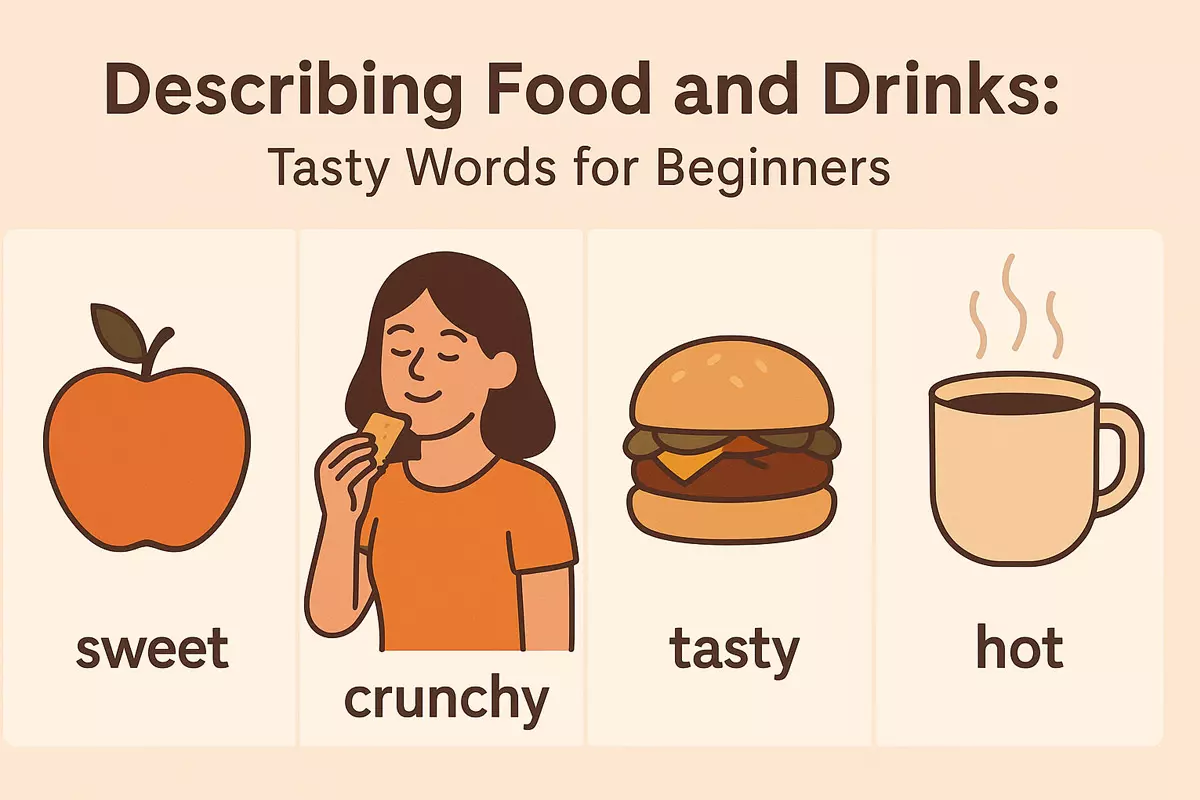 Here we key vocabulary for taste, texture, temperature, and smell, how to politely express food opinions, common collocations, frequent mistakes and fixes, and practical advice for describing menu items accurately.
Discovering new flavors becomes even more enjoyable when you can clearly express what you taste. If you are just beginning to talk about food and drinks, learning a handful of simple yet descriptive words can make a big difference. Having the right vocabulary not only helps you share your experiences with others but also boosts your confidence when discussing your favorite dishes and beverages. The more you practice describing tastes and textures, the more you will appreciate and remember the unique qualities of each meal.
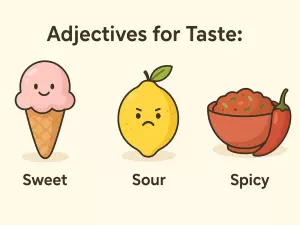
Key Taste Words (sweet, salty, sour, bitter)
When talking about food and drinks, it helps to know how to describe the main flavors. There are four basic taste categories that people often use: sweet, salty, sour, and bitter. Each one gives a different experience on your tongue and can help you explain what you like or dislike about certain dishes.
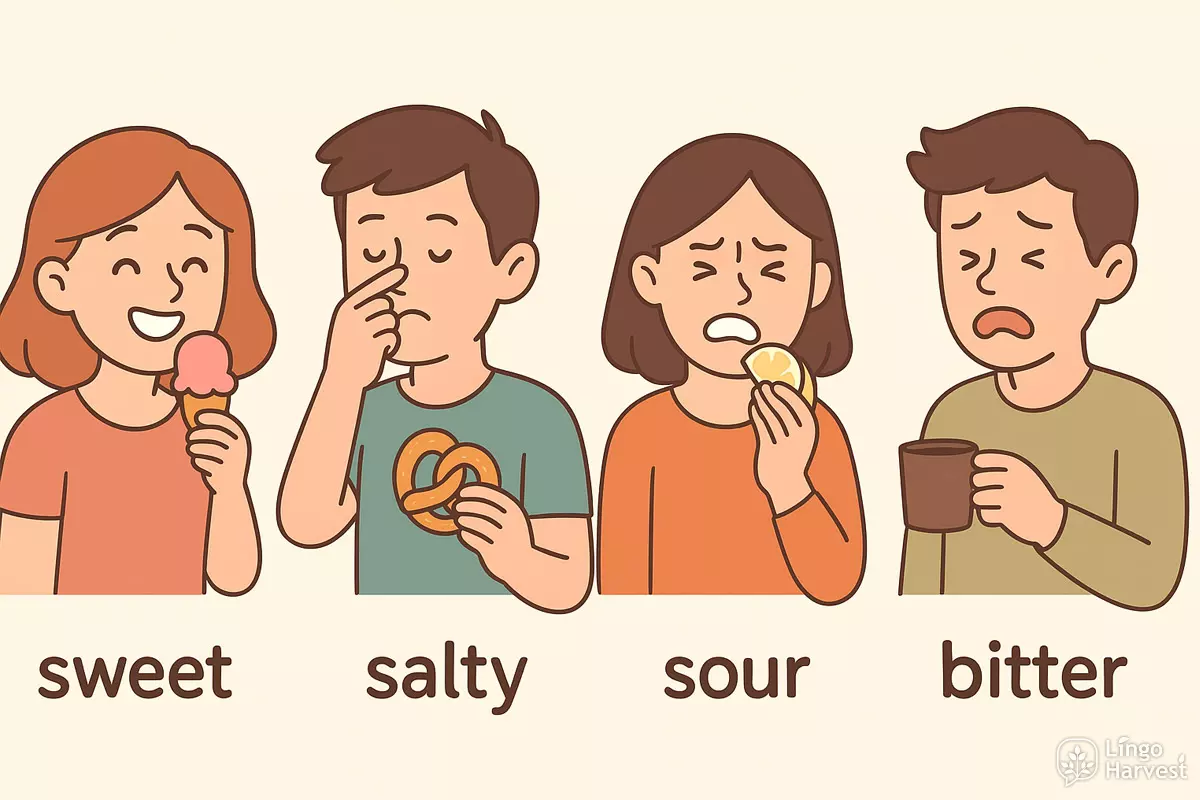
Sweet
Sweetness is usually the first taste children notice and enjoy. It is found in foods with sugar or natural sugars, such as fruit and desserts. When something is sweet, it often tastes like candy, honey, or ripe bananas. Here are some words you can use to talk about this flavor:
- sugary
- honeyed
- syrupy
- fruity
- caramelized
- dessert-like
- rich
- mellow
Salty
Salty flavors come from salt, which is common in snacks and prepared foods. This taste is easy to recognize in things like potato chips, pretzels, and cured meats. It can make food more flavorful or sometimes too strong. Useful words for salty tastes include:
- briny
- savory
- seasoned
- zesty
- pungent
- tangy (sometimes overlaps with sour)
- umami (a rich, savory flavor, often from meats or cheese)
- cured
Sour
Sourness often comes from acids in foods like lemons, yogurt, and vinegar. It can make your mouth pucker and is sometimes refreshing. People use this flavor in drinks as well, like lemonade. Try these words to describe sour tastes:
- tart
- tangy
- sharp
- zesty
- citrusy
- acidic
- vinegary
- crisp
- biting
Bitter
Bitter is a taste that some people learn to enjoy over time. It is often found in dark chocolate, coffee, and some leafy greens. This flavor can be strong and is sometimes balanced with sweet or salty notes. Use these words when talking about bitterness:
- astringent
- sharp
- harsh
- robust
- earthy
- medicinal
- intense
- pungent
- dry
Comparing the Main Flavors
| Taste | Common Foods | Typical Words |
|---|---|---|
| Sweet | cakes, fruit, honey, candy | sugary, honeyed, fruity, mellow |
| Salty | chips, cheese, cured meats, nuts | briny, savory, seasoned, umami |
| Sour | lemon, yogurt, vinegar, pickles | tart, tangy, sharp, citrusy |
| Bitter | coffee, dark chocolate, kale, grapefruit | astringent, robust, earthy, dry |
Learning to use these taste words helps you talk about what you are eating and drinking in a more precise way. Whether you are describing a meal to a friend or choosing something new to try, knowing these basic terms makes communication about flavors much easier.
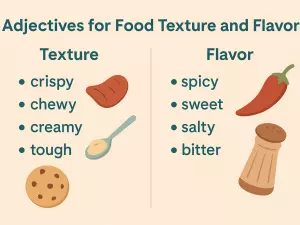
Texture Words (crunchy, soft, creamy)
When talking about what we eat and drink, describing the way something feels in your mouth is just as important as talking about flavor. Words for texture help others imagine the food even before tasting it. For beginners, mastering these adjectives makes your descriptions clearer and more vivid.
Common Texture Adjectives
Here are some useful words to talk about how foods and drinks feel:
- Crunchy – makes a loud sound when you bite it (like chips or fresh carrots)
- Soft – easy to press or chew, gentle texture (like bread or ripe bananas)
- Creamy – smooth and rich, often found in dairy (like yogurt or ice cream)
- Chewy – takes effort to bite and chew (like gummy candies or bagels)
- Fluffy – light and airy, not heavy (like pancakes or whipped cream)
- Silky – very smooth, almost like liquid silk (like custard or tofu)
- Grainy – has small pieces you can feel (like polenta or some chocolates)
- Sticky – clings to your teeth or fingers (like honey or sticky rice)
- Juicy – full of liquid, releases juice when bitten (like oranges or tomatoes)
- Gooey – thick and sticky, often warm (like melted cheese or brownies)
- Crumbly – breaks into small pieces easily (like shortbread or feta cheese)
- Fibrous – stringy, with visible fibers (like celery or some meats)
- Velvety – extra smooth, pleasant on the tongue (like mousse or hot chocolate)
- Rubbery – tough and elastic (like squid or overcooked eggs)
- Powdery – dry, like powder (like some candies or dry cocoa)
- Greasy – oily or leaving a film (like fried chicken or pizza)
How to Use These Words
Try combining a taste and a texture for a more complete picture. For example, “The cake is sweet and fluffy,” or “These fries are salty and crunchy.” Texture words can also be helpful for explaining why you like or dislike a food.
| Texture Word | Example Food |
|---|---|
| Creamy | Mashed potatoes, yogurt |
| Crunchy | Granola, fresh apples |
| Chewy | Bagels, dried fruit |
| Fluffy | Cake, scrambled eggs |
| Sticky | Caramel, sticky rice |
| Crumbly | Feta cheese, biscuits |
| Juicy | Watermelon, steak |
| Gooey | Chocolate chip cookies, fondue |
Using a variety of words for mouthfeel makes your English more natural and expressive. Don’t be afraid to experiment and mix these terms when you talk about your favorite dishes!
Temperature and Doneness
Describing how hot or cold food and drinks are, or how thoroughly something is cooked, helps others understand exactly what to expect. When talking about meals, mentioning whether something is piping hot, chilled, or at room temperature can make your descriptions clearer. Similarly, knowing how to explain if a steak is rare or well-done is useful in many situations, from ordering at a restaurant to sharing recipes.
Common Words for Temperature
- Piping hot – very hot, often steaming
- Warm – comfortably hot, not burning
- Room temperature – neither hot nor cold
- Chilled – cooled in the fridge, pleasantly cold
- Ice-cold – extremely cold, sometimes with ice
- Boiling – so hot it bubbles, like soup or water
- Freezing – very cold, almost icy
- Lukewarm – slightly warm, not hot
- Hot – generally warm enough to notice heat, but not extreme
- Steaming – hot enough that steam rises from the dish
Describing How Food Is Cooked
For cooked foods, especially meat, English has specific words to describe how much it’s been cooked. Here are some useful terms:
| Degree | Description |
|---|---|
| Rare | Red in the center, lightly cooked outside |
| Medium rare | Warm red center, more cooked than rare |
| Medium | Pink center, brown outside |
| Medium well | Slightly pink center, mostly cooked through |
| Well done | Fully cooked, no pink inside |
Other Useful Expressions
- Served hot/cold
- Fresh out of the oven
- Chilled to perfection
- Still sizzling
- Melting in your mouth
- Lightly cooked
- Crispy on the outside
- Juicy inside
- Burnt edges
- Undercooked
- Overcooked
Choosing the right expressions for warmth, chill, or level of cooking helps your listener or reader imagine the food or drink more vividly. Whether you’re learning to order food or just want to describe your favorite dish, these words and phrases will make your English sound more natural.
Smell and Aftertaste Basics
When talking about what we eat and drink, aroma and lingering flavors are just as important as taste. Smell is often the first impression we get from food or beverages, setting our expectations before the first bite or sip. Aftertaste, sometimes called the finish, describes the flavors that remain in your mouth after swallowing. Both aspects help us describe and enjoy meals more deeply.
Describing Aroma
Scents can be subtle or bold, pleasant or off-putting. To talk about them, try using words that capture both intensity and character. Here are some useful terms for describing how something smells:
- Fragrant
- Earthy
- Woody
- Spicy
- Fruity
- Herbal
- Smoky
- Sweet
- Nutty
- Stale
- Pungent
- Fresh
- Musty
- Floral
Talking About Aftertaste
Describing the flavors that linger can make your food reviews or conversations much richer. Aftertaste can be brief or long-lasting, and it might differ from the initial flavor. Some common words to discuss these lingering notes include:
- Clean
- Bitter
- Sweet
- Dry
- Oily
- Sharp
- Refreshing
- Mellow
- Metallic
- Lingering
- Harsh
- Rich
- Watery
- Balanced
Comparing Smell and Aftertaste Words
| Smell (Aroma) | Aftertaste |
|---|---|
| Floral | Mellow |
| Smoky | Lingering |
| Earthy | Dry |
| Spicy | Sharp |
| Nutty | Rich |
Learning to notice and describe these characteristics helps you communicate your experiences more clearly. Next time you try a new dish or drink, pay attention to how it smells and what flavors linger after you finish. Over time, you’ll build confidence in using these descriptive words.
Polite Opinions: I like / I don’t like
Expressing your feelings about food and drinks is a useful skill, especially when you want to be friendly and respectful. Using phrases like “I like” and “I don’t like” helps you share your tastes without sounding rude. These simple expressions are often used in everyday conversations to talk about meals, snacks, and beverages.
How to Say What You Enjoy
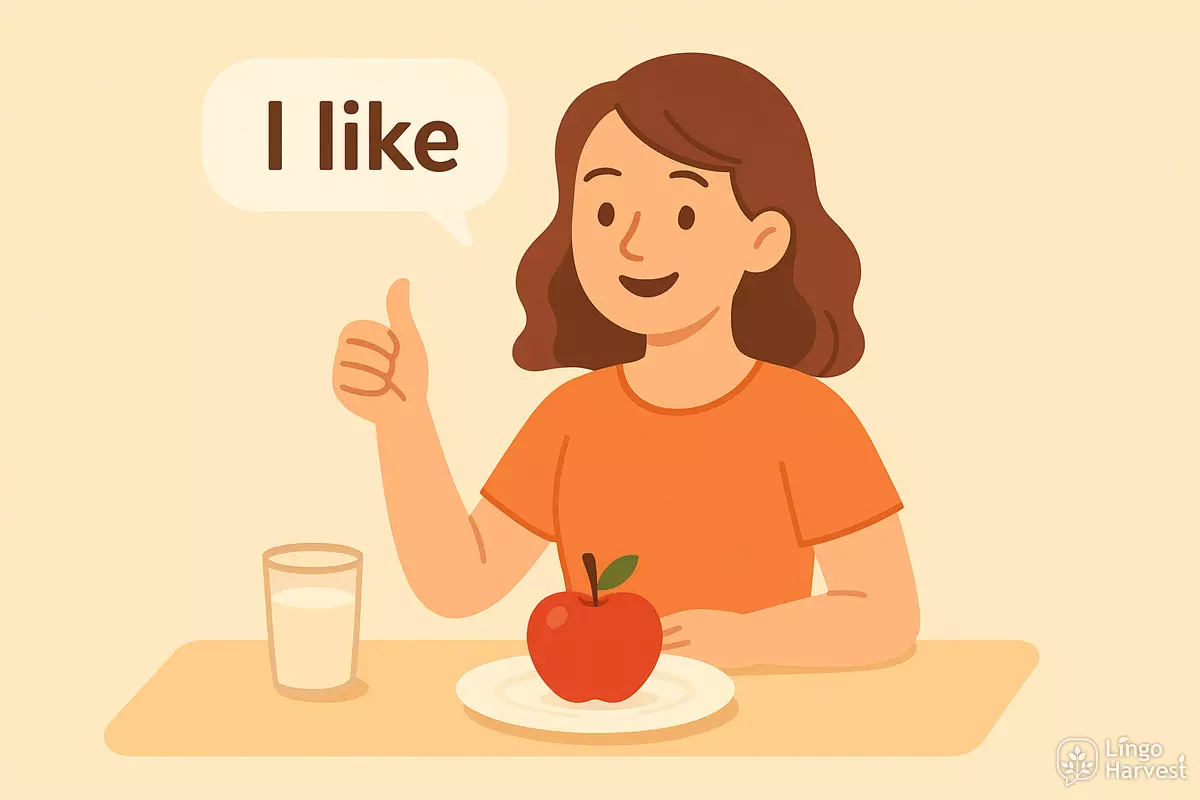
When you want to talk about your favorites, start with “I like” or “I love.” This is a positive way to join in discussions about eating or drinking. You can mention specific foods, drinks, or even flavors. Here are some ways to politely share your preferences:
- I like apples.
- I love spicy food.
- I enjoy sweet desserts.
- I really like cold drinks in summer.
- I prefer tea over coffee.
- My favorite is chocolate cake.
- I’m a fan of fresh salads.
- I think lemonade tastes great.
- I’m fond of grilled vegetables.
- I always choose soup for lunch.
How to Talk About Foods You Don’t Like (Politely)
If you want to say you do not enjoy something, it’s good to be gentle with your words. Instead of using strong negative language, try these softer phrases:
- I don’t like olives.
- I’m not a fan of hot sauce.
- I don’t really enjoy sour drinks.
- I prefer not to eat mushrooms.
- I don’t care for salty snacks.
- I’m not keen on fizzy drinks.
- I avoid dairy products.
- I find bitter chocolate too strong.
- I’m not into spicy food.
- I rarely eat seafood.
Comparing Tastes: Positive and Negative Opinions
It’s helpful to see how opinions about food and drinks can be expressed in positive and negative forms. The table below shows common sentence patterns:
| Positive Expression | Negative Expression |
|---|---|
| I like pizza. | I don’t like pizza. |
| I enjoy orange juice. | I don’t enjoy orange juice. |
| I love fresh bread. | I don’t love fresh bread. |
| I’m a fan of pasta. | I’m not a fan of pasta. |
| I prefer water. | I don’t prefer soda. |
Tips for Being Polite
When discussing your tastes, using gentle language helps keep the conversation friendly. Adding phrases like “I think,” “for me,” or “I prefer” shows respect for other people’s choices. If you’re offered something you don’t like, a polite response could be, “No, thank you. I don’t really eat that.” This way, you share your opinion without offending anyone.
Common Collocations (strong coffee, fresh bread)
When talking about food and drinks, some word combinations naturally go together in English. These pairings, called collocations, sound natural to native speakers. Learning them helps you describe tastes and textures more fluently.
Popular Food and Drink Pairings
You’ll often hear certain adjectives used with specific foods or beverages. For example, people say “strong coffee” rather than “powerful coffee,” and “fresh bread” instead of “new bread.” Here are some other common pairings:
- spicy curry
- sweet dessert
- crispy fries
- cold beer
- hot soup
- juicy steak
- creamy sauce
- ripe fruit
- bitter chocolate
- plain rice
- tender chicken
- stale bread
- sparkling water
- fluffy pancakes
- refreshing lemonade
- rich flavor
- light salad
- greasy burger
- burnt toast
- mild cheese
How Collocations Improve Your English
Using natural-sounding combinations makes your speech and writing clearer. For example, “crispy fries” is instantly understood, while “crunchy fries” is possible but less typical for native speakers. Picking the right adjective-noun pair is often a matter of convention, not just vocabulary.
Comparison of Typical Collocations
Below, you can compare some popular adjectives with the foods or drinks they usually describe:
| Adjective | Common Foods/Drinks |
|---|---|
| strong | coffee, tea, flavor |
| fresh | bread, fruit, juice, salad |
| crispy | fries, bacon, toast |
| creamy | soup, sauce, yogurt |
| spicy | curry, salsa, sausage |
| sweet | dessert, cake, fruit |
| cold | drink, ice cream, soup |
| juicy | steak, fruit, burger |
Tips for Beginners
Focus on the most common adjective-noun pairs when you start describing food and drinks. Listen to native speakers and notice which combinations they use naturally. With practice, these word pairings will become second nature, making your English sound more authentic.
Typical Mistakes and Fixes
Many beginners run into similar issues when talking about food and drinks, especially if they're translating directly or unsure about descriptive vocabulary. Recognizing these common slip-ups—and learning how to fix them—can make your descriptions much more natural and clear.
Overusing Basic Adjectives
One frequent problem is repeating simple words like "good," "nice," or "tasty" for everything. This can make descriptions dull or vague. Try swapping these for more specific alternatives:
- delicious
- flavorful
- mouthwatering
- savory
- refreshing
- zesty
- tangy
- rich
- creamy
- crisp
- spicy
- sweet
- bitter
- salty
- juicy
- tender
- smooth
- aromatic
Adding variety helps paint a clearer picture of what you’re eating or drinking.
Confusing Taste, Texture, and Temperature
It’s easy to mix up words that describe flavor, mouthfeel, or temperature. For example, saying "cold" when you mean "spicy," or "soft" instead of "sweet," can lead to misunderstandings. Here’s a quick guide:
| Mistaken Word | Better Alternative |
|---|---|
| cold (to describe spicy food) | spicy, hot (for flavor) |
| soft (to describe sweetness) | sweet, sugary |
| hard (to describe bitterness) | bitter, strong |
| hot (to describe temperature of a drink, when you mean spicy) | spicy (for flavor), hot (for temperature) |
| crispy (for drinks) | refreshing, fizzy |
Direct Translations That Don’t Work
Some expressions from your first language may sound odd in English. For instance, calling food "fat" instead of "rich" or "greasy," or using "strong" for all flavors. It’s important to learn the right context for each word.
- “Fat food” → “rich” or “greasy food”
- “Strong soup” → “flavorful” or “intense soup”
- “Water with gas” → “sparkling water”
- “Alcoholic drink is hard” → “strong drink” or “high-proof drink”
Forgetting to Add Details
Simply saying a dish is “good” or “bad” doesn’t give much information. Instead, try mentioning what you notice—maybe it’s “crispy on the outside and tender inside,” “lightly sweet with a hint of vanilla,” or “refreshing and cool.” With practice, you’ll find it easier to avoid these beginner pitfalls. Focus on being specific, choosing the right descriptive terms, and checking if a word describes flavor, texture, or temperature. This will help your food and drink descriptions come alive.
Practice: Describe a Menu Item
When learning to talk about what you eat or drink, it helps to practice describing a dish as you might see it on a menu. This activity builds your vocabulary and increases your confidence when ordering food or sharing your preferences with others.
Useful Words and Phrases for Describing Food and Drinks
Before you try to describe a menu item, review some handy adjectives and expressions. These will help you make your descriptions clear and interesting:
- crispy
- juicy
- spicy
- sweet
- savory
- tender
- creamy
- fresh
- rich
- fluffy
- tangy
- salty
- zesty
- bitter
- fragrant
- mild
- hearty
- light
- crunchy
- smoky
Sample Menu Item Descriptions
See how these words can be used in context. Here are three sample menu descriptions:
- Grilled Chicken Salad: Fresh greens topped with tender grilled chicken, juicy cherry tomatoes, crunchy cucumbers, and a tangy lemon dressing.
- Chocolate Lava Cake: A rich, warm chocolate cake with a creamy molten center, served with sweet vanilla ice cream.
- Spicy Tomato Soup: Hearty tomato soup with a zesty kick of chili, garnished with fresh herbs and a dollop of creamy yogurt.
Practice Task
Read the menu item below. Then, answer the questions that follow to practice describing food and drink.
Menu Item: Lemon Herb Fish Fillet — A flaky white fish fillet, baked with fragrant herbs and a squeeze of fresh lemon, served with a side of fluffy rice and steamed vegetables.
- List three adjectives from the description above that describe the texture or flavor of the dish.
- Rewrite the menu item in your own words using at least two different adjectives from the list provided earlier.
- What side dishes come with this main course?
Show answers
- Flaky, fragrant, fresh.
- Example: A tender white fish fillet baked with zesty herbs and juicy lemon, served with light rice and crisp vegetables.
- Rice and steamed vegetables.
Adjectives for Different Dishes
It's helpful to know which describing words work best with certain types of food. The table below shows examples:
| Type of Food | Good Adjectives |
|---|---|
| Bread & Pastries | fresh, fluffy, crusty, sweet |
| Meat & Fish | tender, juicy, smoky, flaky |
| Vegetables | crunchy, crisp, savory, mild |
| Desserts | creamy, rich, sweet, light |
| Drinks | refreshing, tangy, bitter, smooth |
Try describing your favorite dish or drink using some of these words. Notice how the right adjective can make your description more appetizing and clear.