Adjectives for People: Appearance and Personality

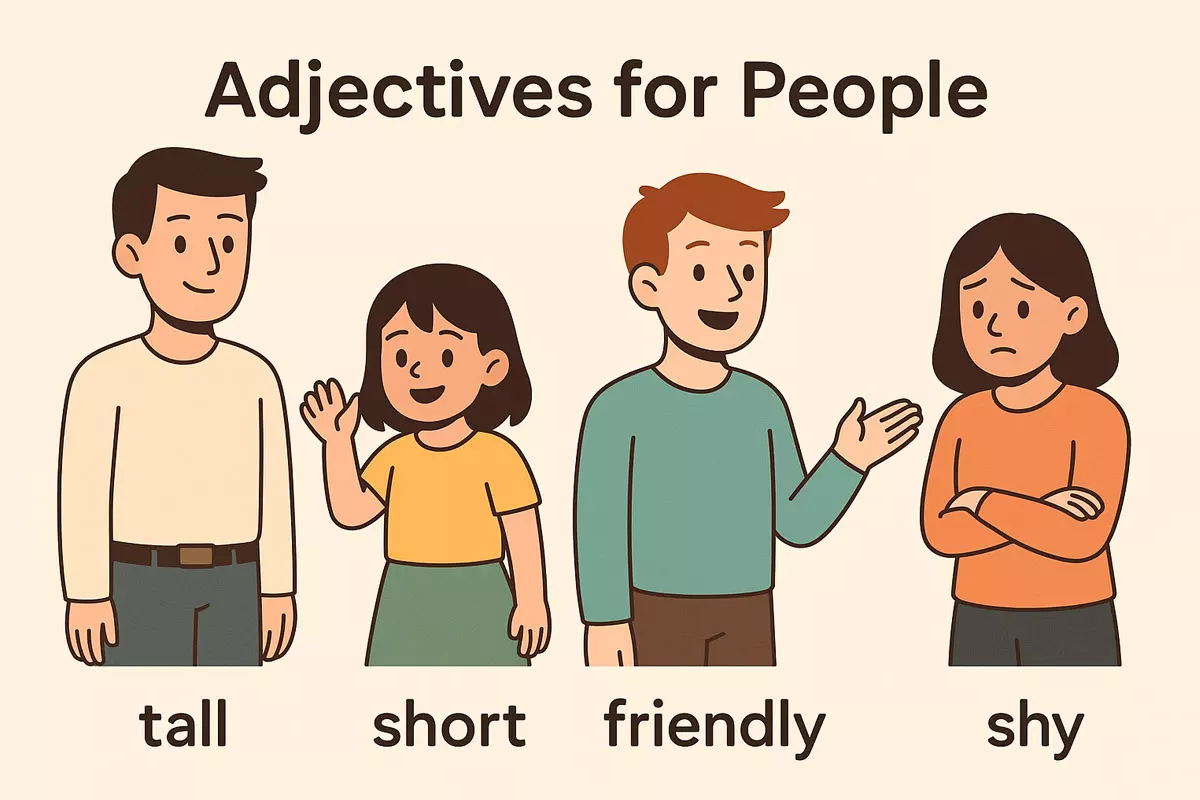 Here we how to describe a person's looks and personality using adjectives for height, build, hair, clothes, and traits like friendly, shy, kind, and careful. It also explains adjective patterns, polite descriptions, collocations, and avoiding stereotypes.
When you want your words to stand out, capturing both a person's appearance and what sets them apart inside is key. Consider details like the color of their eyes, their posture, or the way they smile, but also think about how they interact with others, their sense of humor, or what motivates them. Balancing physical descriptions with insights into personality allows your audience to form a vivid image and truly connect with your subject, whether you’re writing a story, sharing an anecdote, or simply introducing someone.
Looks: height, build, hair, clothes
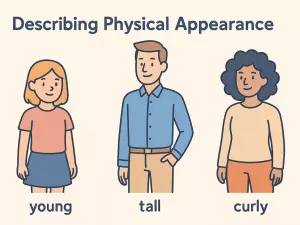
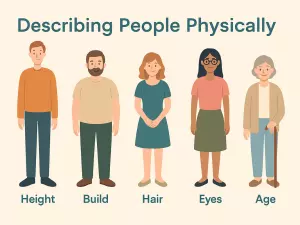
Describing someone’s physical characteristics is often the first step in painting a clear picture of a person. English offers a wide range of adjectives for talking about things like stature, body shape, hairstyle, and fashion sense. These words can help you give a more precise impression, whether you’re introducing a friend, writing a character sketch, or simply chatting about someone you saw.
Height
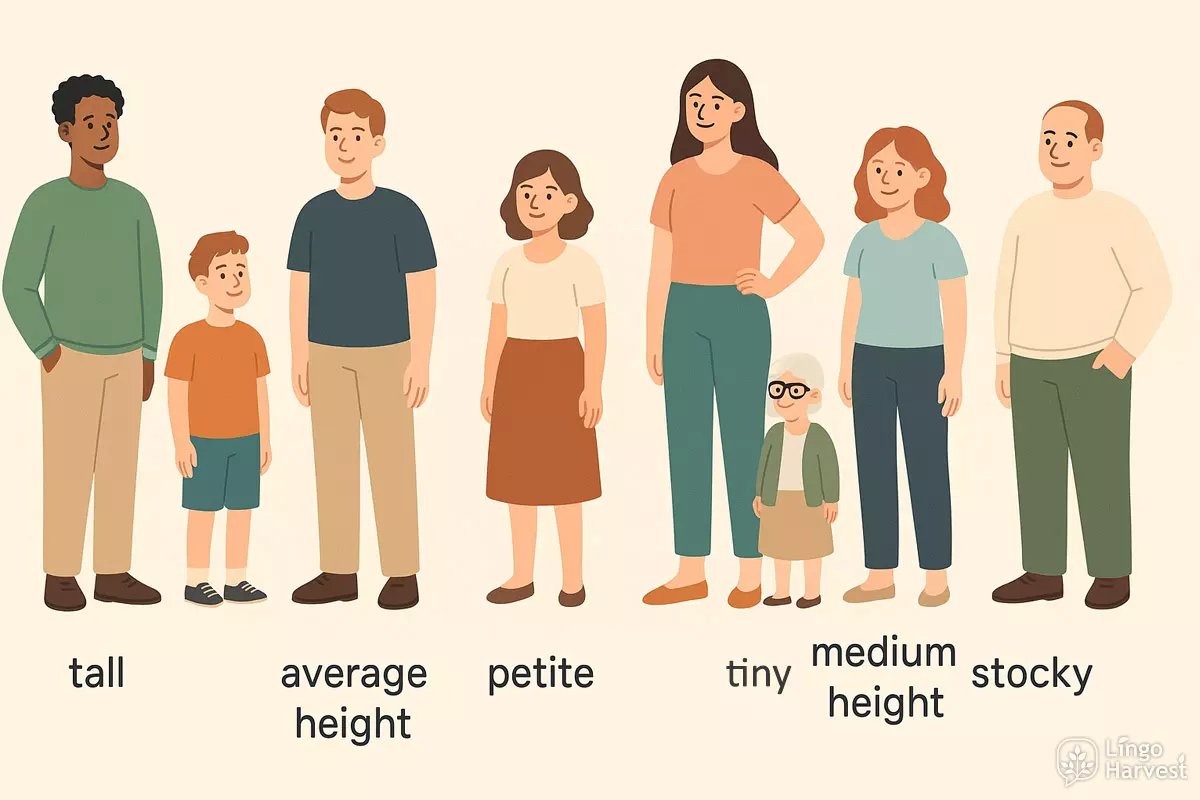
When discussing how tall or short someone is, you’ll find these adjectives useful:
- tall
- short
- average height
- petite
- towering
- tiny
- medium height
- stocky (often refers to short and solidly built)
Build
Describing physique goes beyond just height. Here are some words for body shape and size:
- slim
- athletic
- muscular
- plump
- skinny
- curvy
- overweight
- lean
- brawny
- lanky
- stout
- frail
Hair
Hair is often one of the first features people notice. You can describe it by color, style, and texture:
- blonde
- brunette
- red-haired
- grey
- bald
- wavy
- curly
- straight
- spiky
- shoulder-length
- long
- short
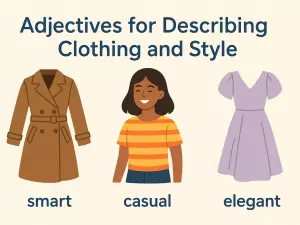
Clothes
Clothing choices can say a lot about personality and mood. Here are some adjectives for fashion and appearance:
- well-dressed
- casual
- elegant
- shabby
- trendy
- smart
- scruffy
- fashionable
- neat
- colorful
- plain
- formal
- sporty
Adjectives at a Glance
To help you compare some common words for height, build, hair, and clothing, here’s a quick overview:
| Height | Build | Hair | Clothes |
|---|---|---|---|
| tall | muscular | curly | elegant |
| short | slim | straight | casual |
| average height | plump | bald | shabby |
| petite | athletic | wavy | trendy |
| towering | lanky | shoulder-length | smart |
These words allow you to describe people more vividly and accurately, making your communication richer and more precise. Consider mixing several adjectives for a well-rounded description, such as “a tall, athletic man with short, spiky hair, dressed in smart clothes.”
Personality: friendly, shy, kind, careful
Understanding how to describe someone's personality helps you communicate more clearly about people in everyday situations. Words like "friendly," "shy," "kind," and "careful" are common adjectives that capture positive and gentle characteristics. Each of these words reflects a different aspect of how someone interacts with others or responds to the world.
Describing Different Personality Traits
- Friendly: Someone who is approachable, warm, and easy to talk to. This person enjoys meeting new people and makes others feel comfortable.
- Shy: A person who feels nervous or reserved in social situations. They may avoid being the center of attention and prefer quiet environments.
- Kind: This adjective describes someone who is caring, generous, and always willing to help others without expecting anything in return.
- Careful: A careful individual pays attention to details, avoids risks, and thinks before acting. They are considerate and cautious in their actions.
Examples of Use in Sentences
- Maria is friendly; she always greets new neighbors with a smile.
- Tom is quite shy, so big parties make him uncomfortable.
- Everyone appreciates how kind Anna is to her classmates.
- Ben is careful when crossing the street, always checking both ways.
Related Adjectives for Describing People
- Polite
- Generous
- Reserved
- Thoughtful
- Gentle
- Patient
- Considerate
- Outgoing
- Timid
- Responsible
- Sociable
- Helpful
- Respectful
- Attentive
Comparing Traits: How They Differ
Although these adjectives are all positive, they highlight different aspects of a person's character. For instance, being friendly is about how someone interacts with others, while being careful is more about how they approach tasks or situations. A person can be both shy and kind, or friendly and careful, depending on the context.
| Trait | Typical Behaviors |
|---|---|
| Friendly | Greets people, starts conversations, includes others |
| Shy | Avoids crowds, speaks softly, needs time to open up |
| Kind | Helps others, offers support, shows empathy |
| Careful | Checks details, follows rules, avoids risky actions |
Choosing the right adjective lets you give a more accurate and nuanced description of someone's personality. These words help paint a clearer picture, whether you're writing about a friend, describing a colleague, or introducing yourself.
Be/Look/Seem + Adjective Patterns
Describing people often means using certain verbs together with adjectives. These verbs—such as “be,” “look,” and “seem”—help express not just what someone is, but also how they appear or come across to others. Each verb works with adjectives in slightly different ways, letting you describe personality, mood, and appearance with nuance.
Using “Be” with Adjectives
The verb “be” (am, is, are, was, were) links directly to adjectives to state facts or qualities about someone. This pattern is the most straightforward way to describe a person’s character or looks:
- She is friendly.
- They are tall.
- He was shy as a child.
- I am optimistic about the future.
In these examples, the adjectives describe permanent or long-term qualities.
Describing Appearance with “Look”
“Look” followed by an adjective suggests a visual impression—how someone appears at a particular moment, or to others:
- You look tired today.
- She looks happy in the photo.
- They look serious during meetings.
- He looks athletic in that outfit.
This pattern focuses on external or temporary states, not deep personality traits.
Expressing Impressions with “Seem”
“Seem” and an adjective communicate a personal impression or interpretation, often based on observation rather than fact:
- He seems confident in interviews.
- They seem kind to everyone.
- She seems worried about something.
- You seem relaxed today.
Use “seem” when you’re not certain, but have a feeling or perception about someone.
Comparing Patterns
To clarify how these verbs work with adjectives, here’s a comparison of typical sentences:
| Verb | Example Sentence |
|---|---|
| Be + Adjective | Maria is cheerful. |
| Look + Adjective | Maria looks cheerful today. |
| Seem + Adjective | Maria seems cheerful this week. |
| Be + Adjective | He is reliable. |
| Look + Adjective | He looks reliable and professional. |
| Seem + Adjective | He seems reliable based on his work. |
Common Adjectives for These Patterns
Here are adjectives frequently used with “be,” “look,” or “seem” to describe people:
- honest
- generous
- outgoing
- serious
- intelligent
- nervous
- friendly
- confident
- curious
- patient
- polite
- reserved
- ambitious
- arrogant
- cheerful
- moody
- creative
- helpful
- lazy
- shy
Understanding how to combine these verbs with adjectives allows you to be much more precise and natural when talking about appearance or personality in English. Adapt the pattern to match your observation, certainty, or the impression you want to give.
Polite vs Too Direct Descriptions
When describing someone's appearance or personality, the words you choose can make a big difference. Some adjectives sound friendly and considerate, while others may come across as blunt or even rude. Knowing how to soften your descriptions helps you communicate thoughtfully, especially in sensitive situations.
Why Word Choice Matters
The way we describe people reflects our attitude and respect toward them. Using milder or more positive adjectives shows tact, while overly direct terms can hurt feelings or seem impolite—even if you don’t mean to offend. This is especially important in multicultural or professional settings, where directness might be interpreted differently.
Common Examples: Gentle vs. Blunt Adjectives
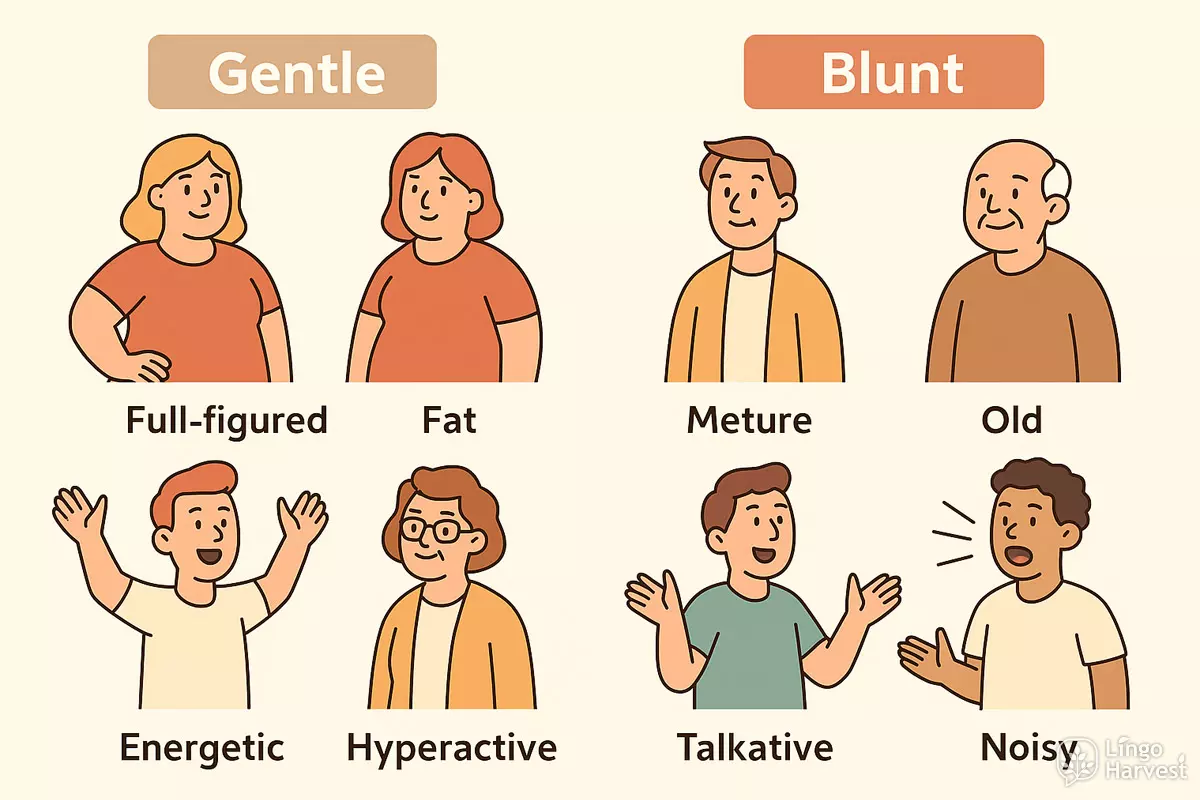
Here are some frequent pairs you might encounter. Notice how the first option in each pair feels softer or more diplomatic:
- Full-figured → Fat
- Mature → Old
- Energetic → Hyperactive
- Talkative → Noisy
- Reserved → Shy
- Unique-looking → Weird-looking
- Petite → Short
- Strong-willed → Stubborn
- Sociable → Loud
- Slender → Skinny
- Overweight → Fat
- Senior → Elderly
- Well-dressed → Flashy
- Laid-back → Lazy
- Modest → Plain
- Confident → Arrogant
- Expressive → Dramatic
- Thoughtful → Overthinking
Tips for Choosing the Right Adjective
- Consider your relationship with the person—closer friends may accept more direct words.
- Think about context: formal situations call for gentler language.
- If in doubt, choose the more polite or neutral option.
- Remember that tone and body language also affect how words are received.
Comparison Table: Softer vs. Direct Descriptions
| Polite/Indirect | Too Direct/Blunt |
|---|---|
| Full-figured | Fat |
| Mature | Old |
| Slender | Skinny |
| Strong-willed | Stubborn |
| Laid-back | Lazy |
| Confident | Arrogant |
| Talkative | Noisy |
| Unique-looking | Weird-looking |
Choosing your adjectives with care helps build positive interactions and avoids misunderstandings. A little thoughtfulness goes a long way in describing both appearance and personality.
Useful Collocations (a tidy person)
People who are organized and clean often have specific phrases associated with them in English. These collocations help describe not only someone's habits but also their approach to daily life and environment. Using natural word partnerships can make your descriptions of someone's neatness sound more fluent and authentic.
Common Expressions for Neat and Orderly Individuals
- Keep things in order
- Have a place for everything
- Pay attention to detail
- Maintain a spotless room
- Take pride in appearance
- Clear up after oneself
- Keep the desk clutter-free
- Organize belongings neatly
- Stick to a cleaning routine
- Sort items by type
- Fold clothes neatly
- Arrange books in order
- Wipe surfaces regularly
- Throw away unnecessary items
- Keep files well-organized
- Label storage boxes
- Polish shoes regularly
- Make the bed every morning
Describing Someone’s Neat Personality
When you want to talk about a person's tidy habits, there are more descriptive ways to express it than just saying "clean." Here are some adjectives and phrases that work well:
- Meticulous about cleanliness
- Orderly by nature
- Well-groomed
- Immaculately dressed
- Conscientious about tidiness
- Always organized
- Careful with personal space
Collocations Compared: Tidy vs. Messy
| Tidy Collocation | Messy Collocation |
|---|---|
| Keep everything in its place | Leave things lying around |
| Maintain an organized workspace | Have a cluttered desk |
| Put things away after use | Forget to clear up |
| Follow a cleaning schedule | Rarely tidy up |
Mastering these collocations can help you accurately and naturally describe someone who values neatness and order, both in their appearance and environment.
Avoiding Stereotypes and Rudeness
When describing people’s appearance or personality, it’s important to choose words thoughtfully. Some adjectives can unintentionally reinforce clichés or seem disrespectful, so it pays to be aware of their impact. Focusing on respectful, precise language helps foster positive communication and avoids misunderstandings.
Why Word Choice Matters
Certain adjectives carry baggage from cultural stereotypes or past usage. For example, calling someone “exotic” or “nerdy” might seem harmless, but such terms can reduce a person’s individuality to a label. Words like “fat,” “crazy,” or “old” may come across as insensitive or even offensive, depending on context and relationship.
Tips for Respectful Descriptions
- Use neutral or positive adjectives when possible (e.g., “tall,” “thoughtful,” “energetic”).
- Describe specific traits rather than making broad assumptions (e.g., “has a quick sense of humor” instead of “funny-looking”).
- Avoid adjectives that focus solely on physical features unless truly relevant.
- Be mindful of cultural differences; what is polite in one context may not be in another.
- Consider the relationship—what feels friendly among close friends may sound rude from a stranger.
Examples: Neutral vs. Stereotypical or Rude Adjectives
| More Neutral/Respectful | Potentially Stereotypical or Rude |
|---|---|
| Confident | Arrogant |
| Curious | Nosey |
| Senior | Old |
| Plus-size | Fat |
| Reserved | Boring |
| Energetic | Hyperactive |
| Unique | Weird |
| Direct | Blunt |
| Detail-oriented | Obsessive |
| Cheerful | Annoying |
Context and Consent
Always consider whether your description is necessary and appropriate. If unsure, it’s often best to focus on actions or achievements rather than appearance or personality labels. When in doubt, asking someone how they prefer to be described shows respect and consideration. Choosing adjectives with care not only avoids misunderstandings but also helps build a more inclusive and welcoming environment. Thoughtful language can highlight individuality without reducing people to stereotypes.
Practice: Describe a Classmate or Photo
Describing people accurately helps you communicate more clearly and vividly. Whether you are talking about a friend, a family member, or someone in a photograph, using the right adjectives for appearance and personality brings your description to life. Try the tasks below to practice using descriptive words in context.
Task 1: Describe a Person You Know
Choose a classmate, friend, or a family member. Write 3–5 sentences about their appearance and personality. Use at least three adjectives for each category.
- Think about hair color, height, build, or distinctive features.
- Consider traits like friendly, shy, hard-working, or creative.
Useful Adjectives for Describing People
Here are some common adjectives you can use to describe how someone looks and acts:
- Tall, short, slim, athletic, plump, elegant, casual, curly-haired, bearded, freckled
- Cheerful, serious, generous, patient, outgoing, reserved, honest, polite, stubborn, imaginative
- Neat, messy, stylish, confident, timid, talkative, quiet, ambitious, reliable, moody
Task 2: Describe Someone in a Photo
Look at a photograph (it can be from a magazine, the internet, or your own collection). Write a short paragraph describing one person in the picture. Mention both their appearance and personality based on what you can observe or guess.
Comparison Table: Appearance vs. Personality Adjectives
| Appearance Adjectives | Personality Adjectives |
|---|---|
| blond, tall, slender, tanned, well-dressed | friendly, shy, optimistic, serious, creative |
| curly-haired, middle-aged, pale, short, muscular | cheerful, stubborn, polite, quiet, ambitious |
| bearded, attractive, neat, elegant, athletic | talkative, patient, moody, honest, reserved |
| freckled, plump, stylish, messy, casual | reliable, generous, imaginative, confident, timid |
Practice Quiz
- Choose the best adjective: “My brother is very __________; he always helps his friends.”
a) stubborn
b) generous
c) messy - Which word describes appearance?
a) reliable
b) athletic
c) polite - Fill in the blank: “She has __________ hair and always wears fashionable clothes.”
Show answers
- b) generous
- b) athletic
- curly / long / straight / blond / brown (any suitable hair adjective)
Sentence Patterns to Try
- He/She is adjective and adjective.
- My friend has adjective hair and a adjective smile.
- He/She is known for being personality adjective.
- People say he/she is appearance adjective, but also very personality adjective.
Experiment with these adjectives and patterns to make your descriptions more interesting and precise. Practicing with real examples helps you remember the words and use them naturally in conversation or writing.