Describing People Physically: Appearance Vocabulary

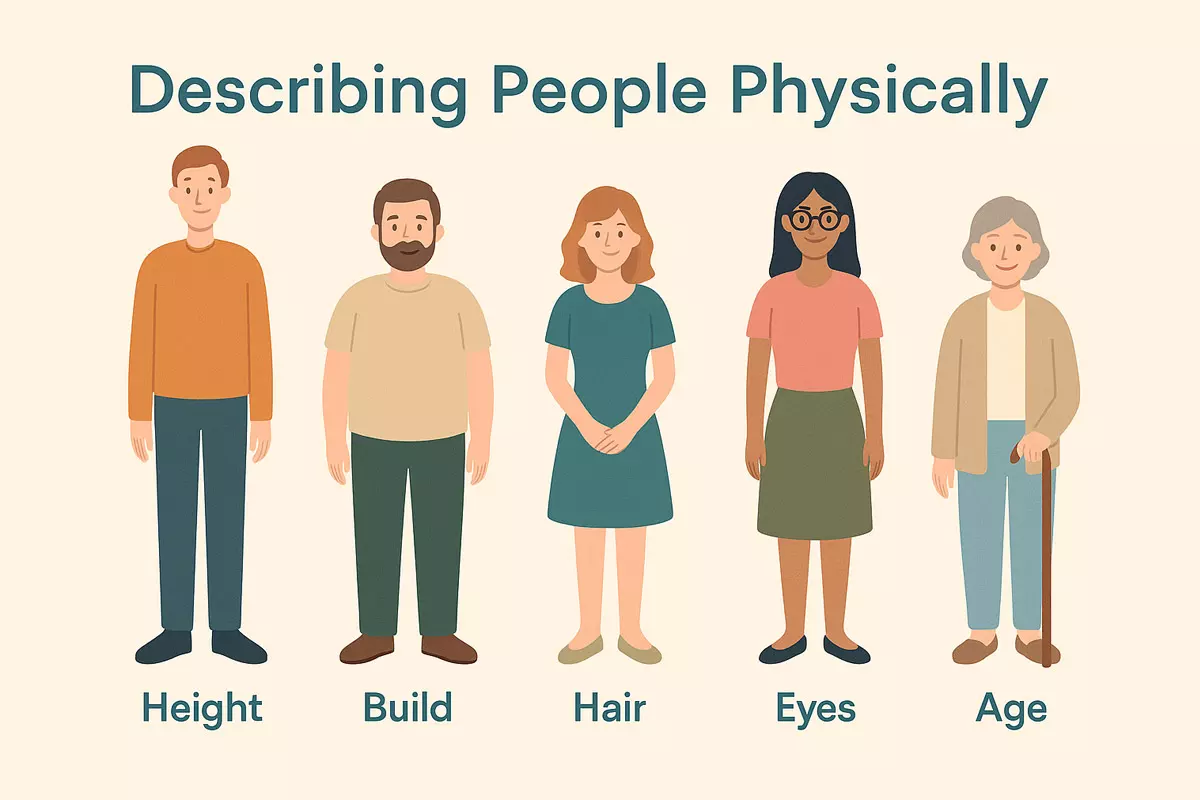 This article helps you describe people in English using vocabulary for height, build, hair, eyes, and age. It introduces adjectives for faces and style, positive and neutral words, and includes a practice exercise to apply what you learn.
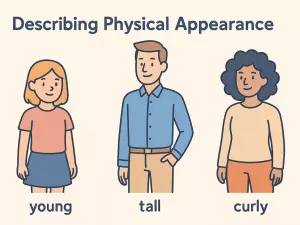
Recognizing the distinct characteristics that set individuals apart plays a vital role in effective communication. Describing aspects such as hair color, height, or facial features allows us to convey a clearer and more engaging image of someone, whether we are speaking or writing. Using precise and thoughtful language not only helps others visualize the person being described but also enriches our interactions by fostering understanding and connection through detailed and respectful observations.
Height and Build
When describing a person's physical presence, words for stature and body shape are often used. There are many ways to talk about how tall someone is, or to comment on their overall physique. These expressions help paint a clearer picture in conversation or writing.
Talking about Height
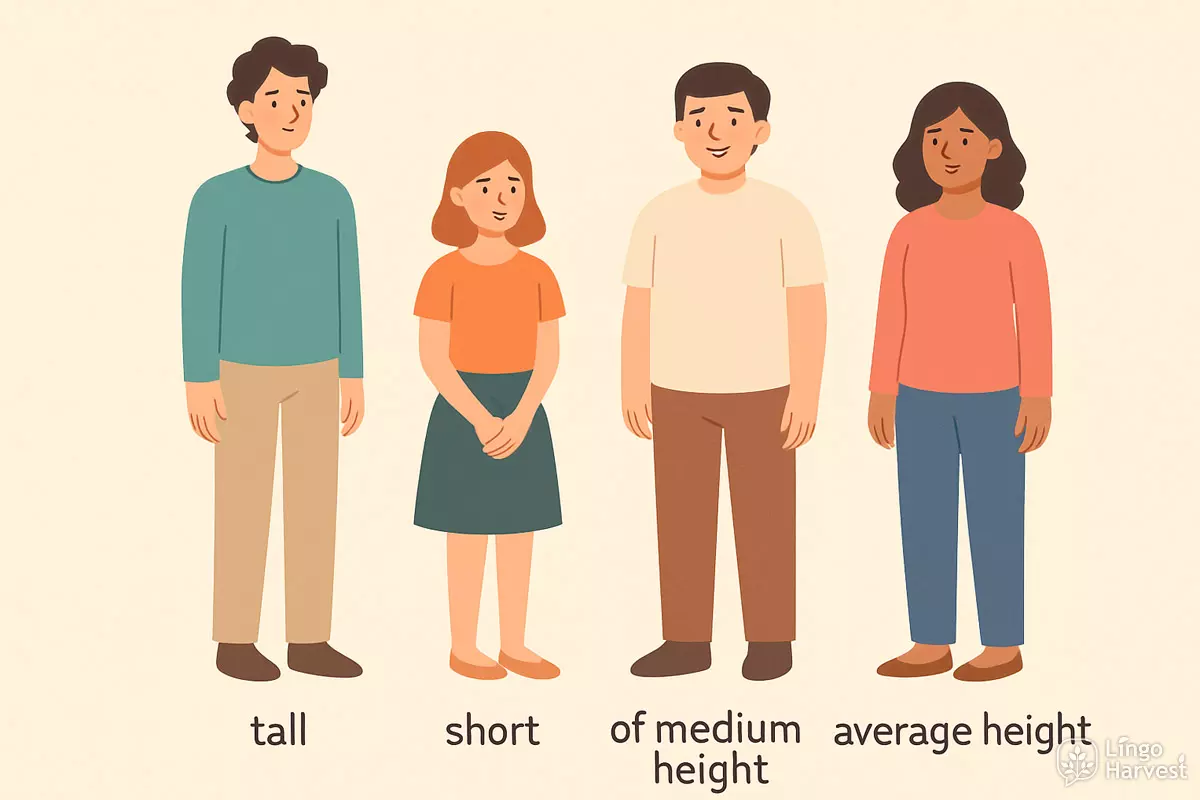
To discuss how tall someone is, a range of adjectives and phrases are common. Here are several useful ways to refer to someone’s stature:
- tall
- short
- of medium height
- average height
- petite (usually for women)
- towering (very tall)
- not very tall
- below average height
- six feet tall
- about my height
- shoulder-height
- knee-high (for children or animals)
Describing Body Shape
Describing someone’s physique can be sensitive, so it’s good to choose words carefully. Here are some adjectives and expressions you might use:
- slim
- skinny
- thin
- lean
- athletic
- muscular
- broad-shouldered
- stocky
- well-built
- chubby
- plump
- overweight
- heavyset
- full-figured
- curvy (often for women)
- lanky (tall and thin)
- burly (large and strong)
Combining Height and Body Shape
Often, descriptions mix both aspects for a fuller picture. Here are some example patterns:
- He’s tall and athletic.
- She’s short and slim.
- He’s of average height and a bit chubby.
- She’s petite but strong.
- He’s a broad-shouldered, well-built man.
- She’s tall and slender.
Common Comparisons
| Adjective | Typical Use or Nuance |
|---|---|
| slim | Positive, suggests healthy thinness |
| skinny | Neutral or sometimes negative, implies very thin |
| stocky | Shorter and broad; often sturdy |
| lanky | Tall and thin, sometimes awkward |
| muscular | Well-developed muscles, athletic |
| chubby | Slightly overweight, often used for children |
| curvy | Attractive, rounded shape (commonly for women) |
| burly | Large and strong, often for men |
Choosing the right terms can make descriptions more vivid and accurate. Always consider the context and be sensitive to how these words might be received.
Hair and Eye Descriptions
When talking about a person’s appearance, describing their hair and eyes adds detail and helps create a vivid image. There are many ways to talk about these features, from color and length to style and unique characteristics. Below you'll find common vocabulary and phrases for discussing both hair and eye attributes.
Hair: Color, Length, and Texture
People’s hair can vary widely in color, length, and texture. Here are some key terms and expressions:
- Colors: blonde, brown, black, red, grey, white, auburn, chestnut
- Length: short, medium-length, long, shoulder-length
- Texture: straight, wavy, curly, frizzy, silky, coarse
- Thickness: thin, thick, fine
- Other terms: bald, receding hairline, ponytail, bun, braid, bangs (fringe), dreadlocks
You can combine these elements for more precise descriptions, like "long, curly brown hair" or "short, straight black hair." Describing hair can also include its state (messy, tidy, greasy, shiny) or style (spiky, layered, cropped).
Eyes: Color and Shape
Eye descriptions often focus on color and shape, as well as the impression they give. Here are some useful words and phrases:
- Colors: blue, green, brown, hazel, gray, amber
- Shape/Size: almond-shaped, round, narrow, wide-set, deep-set, hooded
- General impressions: bright, sparkling, piercing, kind, tired, sleepy, sharp, lively
- Other features: thick eyelashes, bushy eyebrows, dark circles, crow’s feet
Common Phrases and Patterns
Using descriptive phrases helps make your descriptions more natural. Some common patterns include:
- She has shoulder-length, wavy blonde hair.
- He is bald with a thick beard.
- Her eyes are bright green and almond-shaped.
- He has deep-set brown eyes.
- They have short, spiky hair and hazel eyes.
Hair and Eye Vocabulary Comparison
| Hair Adjectives | Eye Adjectives |
|---|---|
| curly, wavy, straight | almond-shaped, round |
| thick, thin, fine | piercing, gentle |
| long, short, shoulder-length | wide-set, deep-set |
| messy, tidy, greasy | sparkling, tired |
| frizzy, silky, coarse | bright, sleepy |
By combining these words and patterns, you can create detailed, accurate, and memorable physical descriptions of people. This vocabulary is especially useful in storytelling, giving directions, or simply painting a clear picture in conversation.
Age and General Appearance
Understanding how to describe someone’s age and overall look is useful for painting a clear picture in conversation or writing. English offers a wide range of expressions to talk about how old someone seems, as well as their general physical traits. Let’s explore common ways to discuss these aspects.
Describing Age
You can refer to a person’s age directly or more generally, depending on the context. Here are some common ways to talk about how old someone is without stating their exact age:
- Child – a young person, usually under 12
- Teenager or teen – someone between 13 and 19
- Young adult – typically in their 20s or early 30s
- Middle-aged – around 40 to 60 years old
- Elderly or senior – an older person, often over 65
- In their early twenties – about 20-23 years old
- In his/her late thirties – about 37-39
- About forty – approximately 40 years old
- He looks young for his age – appears younger than he is
- She’s getting on in years – a polite way to say someone is older
General Appearance Vocabulary
When talking about someone’s overall look, English speakers use a variety of adjectives and phrases. These help describe a person’s build, impression, and presence, not just age. Here’s a helpful list:
- Attractive – good-looking or pleasant to look at
- Plain – not especially beautiful or ugly; average-looking
- Stunning – extremely beautiful or impressive
- Fit – in good physical shape
- Overweight – heavier than is considered healthy
- Slender – thin in an attractive way
- Stocky – short and sturdy
- Well-dressed – wearing nice or stylish clothes
- Scruffy – untidy or messy in appearance
- Youthful – looking or acting young
- Mature-looking – appears older or more adult than average
- Distinguished – looks impressive, often used for older men
- Petite – small and slim (usually for women)
- Burly – large and strong-looking
- Handsome – attractive (often for men)
- Elegant – graceful and stylish
- Shabby – looking worn out or neglected
Common Expressions for Age and Looks
Sometimes, English uses set phrases to combine age and appearance together. Here are a few examples:
- She’s in her mid-fifties, but still very energetic.
- He’s a tall, middle-aged man with a friendly smile.
- They’re a young couple, both quite athletic.
- He’s an elderly gentleman with a distinguished look.
- She looks much younger than she really is.
By using these words and phrases, you’ll be able to describe people’s age and overall look in a clear and natural way. This vocabulary is useful for both everyday conversation and more detailed written descriptions.
Adjectives for Face and Style
When describing a person's looks, it's helpful to have a variety of words at your disposal for both facial features and overall fashion sense. This not only makes your descriptions more vivid, but also helps you communicate subtle differences in appearance and personal taste.
Common Words for Facial Features
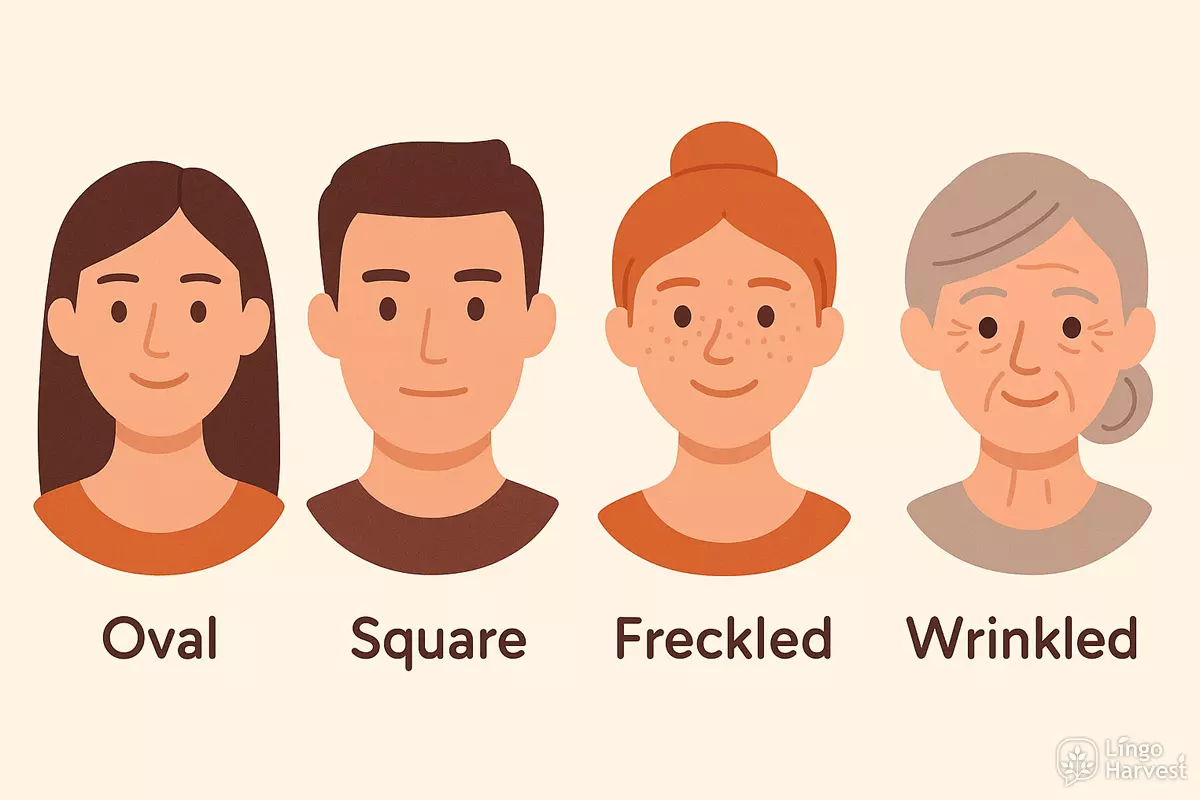
Talking about someone's face, you can use adjectives to describe the shape, skin, and expressions. For example:
- Oval – an egg-shaped face
- Round – circular or full cheeks
- Square – strong jawline
- Freckled – small brown spots on the skin
- Wrinkled – skin with lines, often from age
- Rosy – pinkish, healthy-looking skin
- Pale – very light skin tone
- Bearded – with a beard
- Clean-shaven – no facial hair
- Chiseled – sharply defined features
- Dimples – small indentations on cheeks when smiling
- Sun-kissed – lightly tanned from the sun
Describing Style and Fashion Choices
Someone’s clothing and general look can also be described with specific vocabulary. Here are some useful terms:
- Trendy – wearing the latest styles
- Casual – relaxed, informal clothing
- Elegant – graceful and stylish
- Scruffy – untidy or messy appearance
- Chic – fashionable and sophisticated
- Flashy – bright, attention-grabbing
- Classic – timeless, simple style
- Bohemian – artistic, unconventional fashion
- Sporty – athletic or activewear look
- Preppy – neat, collegiate style
- Vintage – wearing clothes from past decades
- Edgy – bold, unconventional style
Comparing Facial and Style Adjectives
Below is a table that contrasts some common words used for faces and fashion. This can help you choose the right term depending on what you want to describe:
| Facial Feature Adjective | Style/Fashion Adjective |
|---|---|
| Pale | Casual |
| Freckled | Trendy |
| Chiseled | Elegant |
| Bearded | Bohemian |
| Wrinkled | Classic |
The right word can make your description more precise and colorful. Try mixing and matching these adjectives to create a more complete picture of the person you want to describe.
Positive and Neutral Words
Describing someone’s looks can be done in a friendly, factual, or appreciative way, depending on the situation. Using uplifting or impartial language helps you speak respectfully about people’s features. Instead of focusing on judgments, these terms highlight characteristics without implying criticism.
Common Appreciative Descriptions
When you want to compliment or simply note someone’s appearance, these adjectives and phrases are useful:
- attractive
- well-groomed
- stylish
- elegant
- fit
- healthy-looking
- radiant
- youthful
- charming
- neat
- tall
- slender
- average build
- curly-haired
- blue-eyed
- fair-skinned
- freckled
- olive complexion
- short-haired
- smiling
Neutral Vocabulary for Physical Features
Neutral terms help you describe someone’s looks without expressing a positive or negative opinion. These words are especially helpful in objective contexts, like filling out a form or describing a character in a story.
- medium height
- shoulder-length hair
- round face
- brown eyes
- straight hair
- light-skinned
- wavy hair
- stocky build
- broad-shouldered
- long-legged
- bearded
- clean-shaven
- tanned
- glasses-wearing
Comparing Positive and Neutral Descriptions
Sometimes, it’s useful to see how a more enthusiastic description compares to a straightforward one. The table below shows examples of both approaches:
| Appreciative | Neutral |
|---|---|
| Handsome / Beautiful | Average-looking |
| Graceful posture | Upright posture |
| Bright eyes | Blue eyes |
| Glossy hair | Straight hair |
| Warm smile | Smiling |
| Youthful appearance | Young adult |
Choosing your words thoughtfully helps you describe others in a way that is accurate and considerate. Whether you wish to compliment or simply convey facts, a broad vocabulary gives you flexibility in any context.
Practice: Describe a Person You Know
Describing someone's physical appearance helps develop your vocabulary and observation skills. Think of a friend, family member, or public figure you know well. Consider their height, build, hair, facial features, and distinguishing marks. Use a variety of adjectives and descriptive phrases to create a clear picture for your reader or listener.
Step-by-Step Guide
- Start with the basics: Mention the person's age group, gender, and height (tall, short, medium height).
- Describe body type: Use words like slim, athletic, stocky, plump, or average build.
- Talk about hair: Include color, length, texture, and style (e.g., long curly brown hair, short spiky black hair).
- Facial features: Note eye color and shape, nose, lips, and any facial hair or makeup.
- Distinguishing features: Mention glasses, freckles, scars, tattoos, or birthmarks if relevant.
- Clothing style: Briefly describe typical clothing and any accessories.
Useful Vocabulary for Physical Appearance
- tall / short / medium height
- slim / overweight / muscular / well-built / petite
- blond(e) / brunette / red-haired / bald / grey-haired
- wavy / straight / curly / spiky / shoulder-length / cropped
- blue / brown / green / hazel / almond-shaped eyes
- round / oval / square / heart-shaped face
- full lips / thin lips / high cheekbones / dimples / freckles
- glasses / beard / mustache / earrings / tattoo
- casual / formal / sporty / trendy / elegant clothes
- scar / birthmark / piercing
Sample Description
Here is a sample paragraph using appearance vocabulary:
My colleague Anna is in her early thirties. She is quite tall and has an athletic build. Her hair is shoulder-length and dark brown, usually worn in a ponytail. She has fair skin, bright green eyes, and a warm smile with dimples. Anna often wears glasses and prefers simple, elegant clothes.
Practice Task
Write a short paragraph (3–5 sentences) describing a person you know. Use at least five different adjectives or descriptive phrases from the list above.
Show answers
- Answers will vary. Example: My grandfather is a tall man with a stocky build. He has thick white hair and bushy eyebrows. His eyes are deep brown, and he always wears a friendly smile. He loves to wear plaid shirts and a flat cap.