Adjectives with Prepositions: Afraid of, Good at

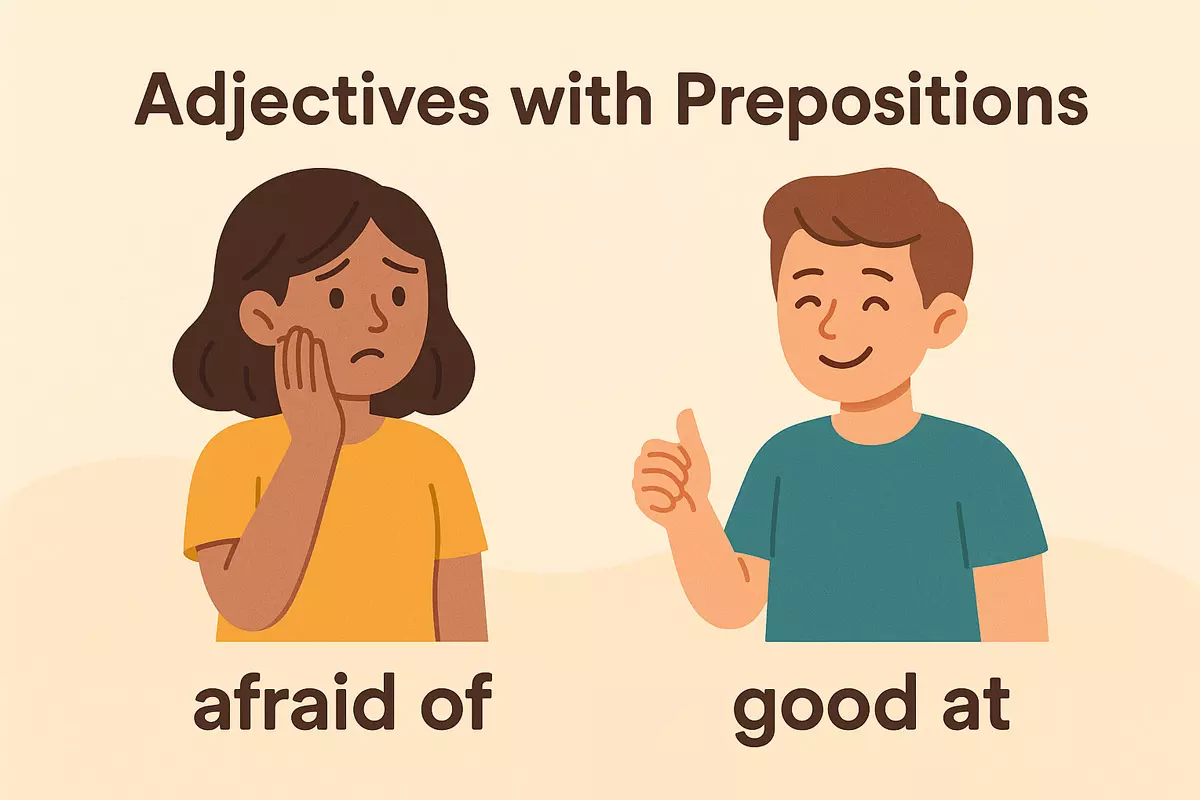 Here we the importance of adjective-preposition pairs such as afraid of and good at, explains their use with nouns and gerunds, highlights typical errors and pronunciation tips, discusses formal and casual choices, and provides practice exercises.
Have you ever wondered why we describe someone as terrified of spiders or skilled at painting? In English, certain adjectives tend to pair naturally with specific prepositions, forming common combinations that sound correct to native speakers. Mastering these adjective-preposition pairs, such as interested in, afraid of, or good at, helps your speech and writing become more fluent and natural. By learning these typical pairings, you can express yourself more confidently and avoid awkward phrasing.
Why Prepositions Matter
Choosing the correct preposition after an adjective is essential for expressing your ideas clearly in English. Even if your adjective is accurate, the wrong preposition can confuse your listener or change your meaning entirely. For example, saying "afraid for" instead of "afraid of" gives a different impression.
How Prepositions Affect Meaning
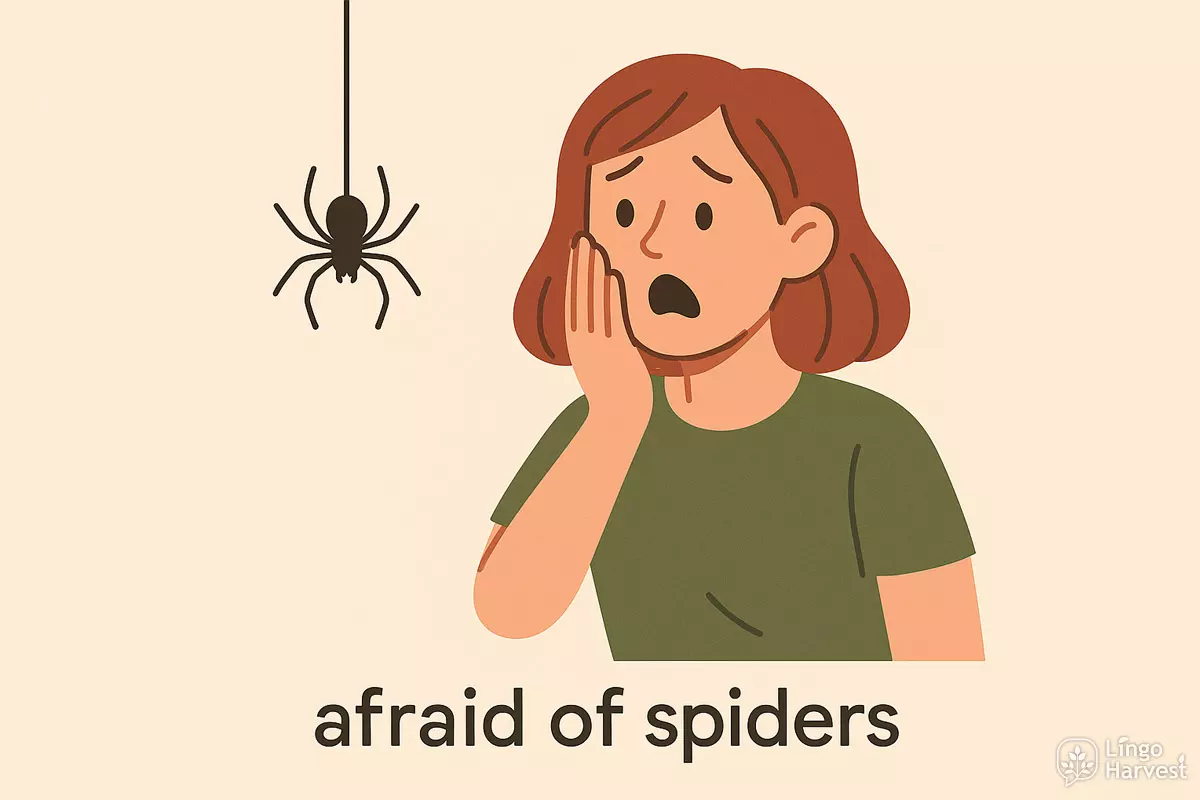
Prepositions help specify the relationship between the adjective and what follows. For instance, "good at" describes skill in an activity, while "good for" refers to something beneficial. Learning these patterns helps you sound more natural and avoid misunderstandings.
- Afraid of spiders → fear directed at spiders
- Afraid for my friend → concern about someone's safety
- Interested in music → enjoying music
- Different from my brother → not the same as my brother
- Good at chess → skilled in chess
- Good for your health → beneficial to health
- Famous for its beaches → known because of the beaches
- Responsible for the project → having duty for the project
- Tired of waiting → fed up with waiting
- Similar to the original → alike to the original
- Married to a teacher → spouse is a teacher
- Angry with him → upset with a person
- Angry about the delay → upset about a situation
- Proud of my work → feeling pride regarding my work
- Accustomed to the climate → used to the climate
- Capable of solving problems → able to solve problems
- Dependent on parents → relying on parents
- Disappointed with the results → unhappy with the outcome
- Excited about the trip → looking forward to the trip
Common Challenges for Learners
Many prepositions do not translate directly from other languages, which often leads to mistakes. For example, some languages use "in" or "with" where English requires "of" or "at." The only reliable way to master these combinations is through exposure and practice.
Comparison of Common Adjective + Preposition Patterns
| Adjective | Typical Preposition | Example |
|---|---|---|
| Afraid | of | afraid of dogs |
| Good | at | good at drawing |
| Responsible | for | responsible for the team |
| Interested | in | interested in history |
| Similar | to | similar to mine |
| Angry | with/about | angry with John / angry about the noise |
| Famous | for | famous for its food |
| Capable | of | capable of great things |
Paying attention to these adjective + preposition pairs will make your English much clearer and help you avoid common mistakes. Practice noticing these patterns in reading and conversation to build your confidence.
Common Pairs (afraid of, good at, interested in)
Many adjectives in English are followed by specific prepositions, and these fixed pairs can be confusing for learners. Some adjectives are almost always used with the same preposition, creating set phrases that are useful to memorize. Understanding these common adjective-preposition combinations helps you sound natural and avoid mistakes.
Typical Patterns and Usage
Adjectives like afraid, good, and interested are frequently paired with certain prepositions. For example, we say "afraid of spiders," "good at math," and "interested in music." The preposition often changes the meaning or is required for the phrase to make sense. Here are some widely used adjective-preposition collocations:
- afraid of (afraid of heights, afraid of dogs)
- good at (good at drawing, good at sports)
- interested in (interested in science, interested in learning languages)
- proud of (proud of my achievements)
- famous for (famous for its architecture)
- angry about (angry about the delay)
- different from (different from the original)
- responsible for (responsible for the project)
- tired of (tired of waiting)
- keen on (keen on swimming)
- married to (married to a doctor)
- similar to (similar to your idea)
- excited about (excited about the trip)
- worried about (worried about the exam)
- fond of (fond of animals)
- famous for (famous for its food)
- interested in (interested in history)
- good at (good at chess)
- afraid of (afraid of flying)
How the Preposition Changes the Meaning
Choosing the correct preposition is essential. For instance, "good at" means someone has skill in a particular area, while "good for" means something is beneficial. "Afraid of" describes fear, but "afraid for" expresses concern for someone else. Using the wrong preposition can lead to misunderstandings.
Examples in Sentences
Seeing these phrases in context helps reinforce proper usage. Here are some example sentences:
- She is afraid of snakes.
- He is good at solving puzzles.
- They are interested in modern art.
- I am proud of my team.
- We are excited about the upcoming concert.
Quick Reference Table
| Adjective | Common Preposition | Example |
|---|---|---|
| afraid | of | She is afraid of spiders. |
| good | at | He is good at chess. |
| interested | in | They are interested in science. |
| proud | of | I am proud of my work. |
| responsible | for | She is responsible for the report. |
| tired | of | He is tired of waiting. |
| keen | on | She is keen on tennis. |
| excited | about | We are excited about the holiday. |
Paying attention to these common adjective-preposition pairs will make your English sound more fluent and natural. Practice using them in your own sentences to build confidence and accuracy.
Adjective + Preposition + Noun/Gerund
When using adjectives like “afraid” or “good” in English, it’s common to follow them with a preposition and then either a noun or a gerund (the -ing form of a verb). This structure helps describe feelings, abilities, or attitudes about an activity or thing. For example, “afraid of spiders” or “good at swimming” both use this pattern to give more detail.
Common Patterns and Examples
Some adjectives typically pair with certain prepositions. Here are popular combinations, followed by either a noun or a gerund to express a clear idea:
- afraid of heights / afraid of flying
- good at math / good at drawing
- interested in history / interested in learning
- tired of noise / tired of waiting
- famous for art / famous for singing
- worried about exams / worried about failing
- keen on music / keen on traveling
- responsible for safety / responsible for organizing
- capable of hard work / capable of solving problems
- excited about the trip / excited about meeting new people
- fond of chocolate / fond of reading
- used to cold weather / used to walking long distances
- interested in politics / interested in volunteering
- afraid of the dark / afraid of speaking in public
- bad at directions / bad at remembering names
- famous for inventions / famous for writing novels
How to Choose: Noun or Gerund?
Both nouns and gerunds work after these adjective + preposition pairs, but the choice depends on meaning:
- If you’re talking about an activity, use the gerund: “She’s interested in dancing.”
- If you mean a thing or concept, use the noun: “He’s interested in jazz.”
Quick Reference: Typical Pairings
Here’s a handy overview of some adjectives, their usual prepositions, and example follow-ups:
| Adjective | Preposition | Noun or Gerund Example |
|---|---|---|
| afraid | of | snakes / flying |
| good | at | math / cooking |
| interested | in | science / learning |
| tired | of | rain / waiting |
| responsible | for | the team / organizing events |
| excited | about | the party / traveling |
| bad | at | spelling / driving |
| famous | for | paintings / inventing |
Using these combinations helps your English sound more natural and precise. Notice how the meaning changes slightly depending on whether you use a noun or a gerund after the preposition. Practice by making your own sentences with these patterns to become more comfortable with them!
Pronunciation and Rhythm in Phrases
Understanding how phrases like "afraid of" and "good at" sound in natural speech can boost your fluency and listening skills. These adjective-preposition combinations often blend together when spoken, creating a smooth rhythm and helping sentences flow more naturally.
Connected Speech and Stress Patterns
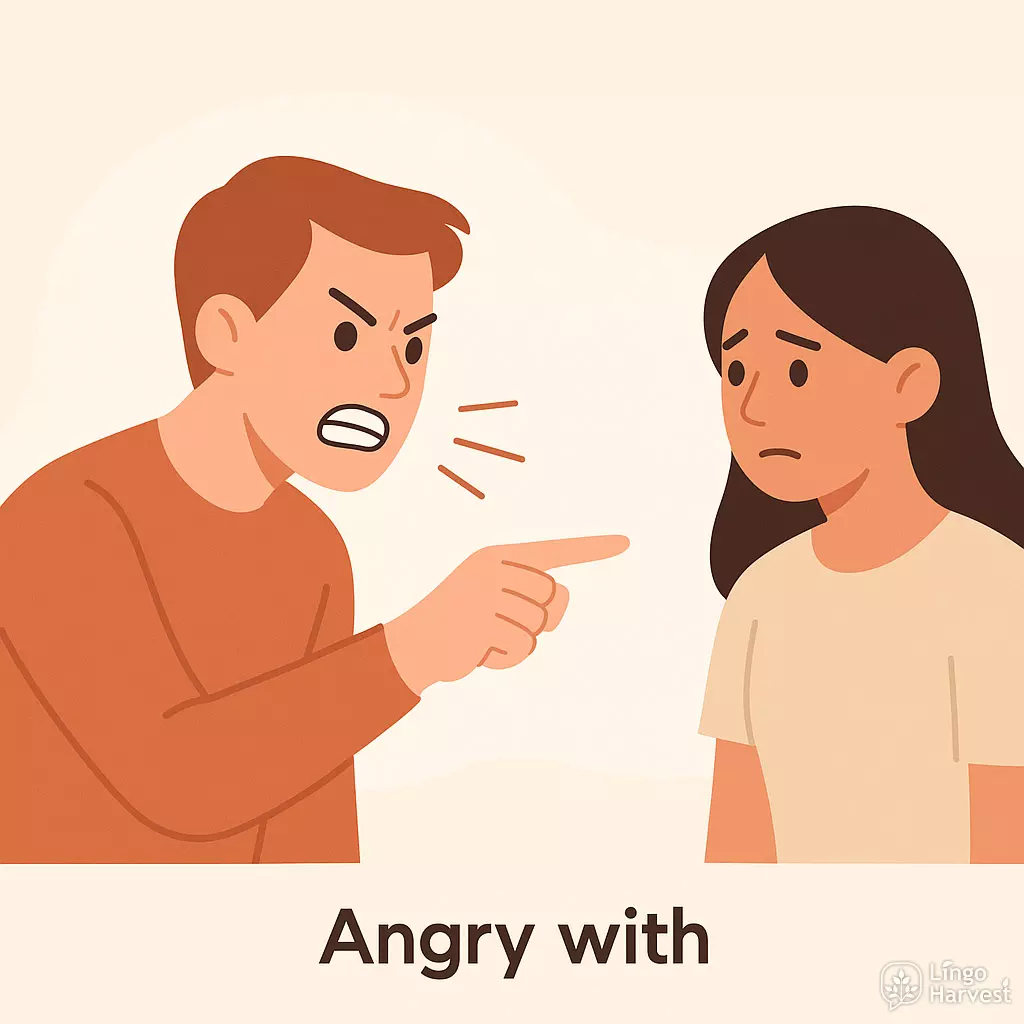
When native speakers use adjective-preposition pairings, they typically stress the adjective and reduce the preposition. This means the preposition may sound weaker or even merge with the following word. For example, in "afraid of spiders," "afraid" receives more emphasis, while "of" is less pronounced, almost like "uh."
- afraid of → /əˈfreɪdəv/ (sounds like "uh-FRAY-duv")
- good at → /ˈɡʊdət/ (sounds like "GOOD-uht")
- interested in → /ˈɪntrəstɪdɪn/ ("IN-truh-stid-in")
- worried about → /ˈwɜːridəˌbaʊt/ ("WURR-id-uh-bout")
- proud of → /ˈpraʊdəv/ ("PROWD-uv")
- bad at → /ˈbædət/ ("BAD-uht")
- famous for → /ˈfeɪməsfə/ ("FAY-muhs-fuh")
- keen on → /ˈkiːnɒn/ ("KEEN-on")
- tired of → /ˈtaɪərdəv/ ("TY-erd-uv")
- responsible for → /rɪˈspɒnsəbəlfə/ ("rih-SPON-suh-buhl-fuh")
- similar to → /ˈsɪmɪlərtə/ ("SIM-uh-luhr-tuh")
- angry with → /ˈæŋɡriwɪð/ ("ANG-gri-with")
- married to → /ˈmæridtuː/ ("MAH-rid-to")
- fond of → /ˈfɒndəv/ ("FOND-uv")
- used to → /ˈjuːsttuː/ ("YOOST-to")
Tips for Natural Intonation
Practice saying these phrases in full sentences, linking the adjective and preposition smoothly. Try to avoid pausing between the words. Notice how the preposition almost disappears in rapid speech. Listening to native speakers and mimicking their rhythm will help you sound more natural.
Common Mistakes and How to Avoid Them
Learners often pronounce the preposition too clearly or stress it equally with the adjective, which can sound unnatural. Instead, relax your jaw and let the preposition "slide" into the next word. Record yourself and compare your rhythm to audio examples for improvement. Paying attention to these subtle features of spoken English will make your conversations more fluid and help you better understand native speakers in real-life situations.
Typical Errors (with/about/for)
Learners often mix up which prepositions to use with particular adjectives, or they translate directly from their native language, leading to awkward or incorrect constructions. Some adjectives are always followed by a specific preposition, and using the wrong one can make the sentence sound unnatural or change its meaning.
Common Preposition Confusions
One frequent issue is choosing between “of,” “about,” and “for” after adjectives. For example, people might say “afraid for spiders” instead of the correct “afraid of spiders.” Similarly, “good in math” is a common mistake; the standard phrase is “good at math.”
- afraid of (not for or about): afraid of heights
- good at (not in or on): good at chess
- interested in (not on or about): interested in history
- proud of (not for): proud of my team
- responsible for: responsible for the project
- worried about: worried about the test
- famous for: famous for its pizza
- tired of: tired of waiting
- excited about: excited about the trip
- similar to: similar to mine
- different from (not than): different from yours
- married to: married to Alex
- angry with (person), about (thing): angry with John, angry about the delay
- afraid for (someone’s safety): afraid for her children
- keen on: keen on football
- bad at: bad at directions
- fond of: fond of animals
- jealous of: jealous of his success
- famous for: famous for its architecture
- responsible to (a person): responsible to the manager
Context Matters
It’s not just about memorizing which preposition goes with each adjective; context can change the required preposition. For example, “afraid of” means you fear something, while “afraid for” means you are worried about someone else’s safety. Similarly, “angry with” is used for people, but “angry about” is used for things or situations.
Frequent Mistakes and Corrections
Many mistakes come from direct translation or guessing the preposition. Here are some corrected examples:
- ❌ She’s good in singing. → ✅ She’s good at singing.
- ❌ I’m interested on art. → ✅ I’m interested in art.
- ❌ He’s afraid for dogs. → ✅ He’s afraid of dogs.
- ❌ They are proud for their son. → ✅ They are proud of their son.
- ❌ She is similar with her mother. → ✅ She is similar to her mother.
Summary Table: Adjectives and Their Typical Prepositions
| Adjective | Correct Preposition | Example |
|---|---|---|
| afraid | of | afraid of spiders |
| good | at | good at languages |
| responsible | for | responsible for the event |
| proud | of | proud of my results |
| interested | in | interested in science |
| famous | for | famous for its beaches |
| angry | with/about | angry with him/about the mistake |
| different | from | different from mine |
Learning the right preposition for each adjective is essential for natural-sounding English. When in doubt, check examples or reliable references rather than guessing or translating directly.
Register: Formal vs Casual Choices
When using adjectives followed by prepositions, the level of formality often influences your word choices. In formal writing or professional settings, people tend to prefer more neutral or precise language. In contrast, everyday conversation allows for more relaxed options and even some creative phrasing. Recognizing which combinations are appropriate for each situation helps you sound natural and confident.
Common Pairs: Formal vs Informal
Some adjective-preposition pairs are neutral and work in any context. Others, however, feel more formal or casual depending on the setting. Here are some typical examples:
- afraid of: neutral, used everywhere (“She’s afraid of spiders.”)
- terrified of: stronger, but still neutral (“He’s terrified of heights.”)
- concerned about: slightly more formal (“We are concerned about the results.”)
- worried about: casual or neutral (“I’m worried about my exam.”)
- good at: informal or neutral (“He’s good at tennis.”)
- skilled at: more formal (“She’s skilled at negotiation.”)
- interested in: neutral (“I’m interested in art.”)
- keen on: British English, informal (“She’s keen on jazz.”)
- fond of: often formal or literary (“He’s fond of classical music.”)
- capable of: formal (“She’s capable of great things.”)
- bad at: neutral or casual (“I’m bad at remembering names.”)
- addicted to: neutral, but context-sensitive (“He’s addicted to coffee.”)
- responsible for: formal or businesslike (“She’s responsible for the project.”)
- accustomed to: formal (“He’s accustomed to early mornings.”)
- used to: informal or neutral (“I’m used to cold weather.”)
- aware of: slightly formal (“They’re aware of the risks.”)
- sure of: neutral (“She’s sure of her answer.”)
- proud of: neutral (“He’s proud of his team.”)
- jealous of: neutral (“She’s jealous of her friend’s success.”)
- famous for: neutral (“The city is famous for its food.”)
Choosing the Right Register
Think about your audience and purpose. In a job interview, “skilled at” or “capable of” sound more professional than “good at.” When talking to friends, “good at” is perfectly acceptable and natural. Some expressions, like “keen on,” are more common in British English and may sound unusual in formal American writing.
Subtle Differences in Meaning
Sometimes, the degree of formality also reflects subtle shifts in meaning or emphasis. For example, “concerned about” often suggests a more serious or official worry than “worried about.” Similarly, “fond of” feels warmer and more affectionate than simply “like.”
Summary Table: Register and Usage
| Adjective + Preposition | Register / Context |
|---|---|
| afraid of | neutral, all contexts |
| concerned about | formal, written or official |
| good at | casual, spoken |
| skilled at | formal, professional |
| used to | neutral, spoken/written |
| accustomed to | formal, written |
| keen on | informal, British English |
| responsible for | formal, business |
| fond of | formal, affectionate |
| bad at | casual, spoken |
Selecting the right adjective–preposition combination for the situation helps you communicate clearly and politely, whether you’re chatting with friends or writing a formal report.
Practice: Complete and Rewrite Sentences
Strengthening your understanding of adjectives followed by prepositions is best done by actively working with examples. Below, you’ll find a mix of gap-fill and rewriting exercises to help you use phrases like “afraid of” and “good at” in real-life situations. Try to complete each sentence and, where prompted, rewrite sentences to use the correct adjective-preposition combination.
Complete the Sentences
- She is __________ (good) mathematics.
- Many people are __________ (afraid) spiders.
- He is really __________ (good) playing the guitar.
- Are you __________ (afraid) flying?
- My brother is __________ (good) fixing things around the house.
- Some children are __________ (afraid) the dark.
- They are __________ (good) solving puzzles together.
- I'm __________ (afraid) making mistakes when I speak English.
- Sarah is __________ (good) remembering names.
- We are __________ (afraid) losing our keys.
Show answers
- good at
- afraid of
- good at
- afraid of
- good at
- afraid of
- good at
- afraid of
- good at
- afraid of
Rewrite the Sentences
Change the following sentences to use “afraid of” or “good at” with the correct preposition.
- Tom plays chess very well.
→ Tom is __________. - Lisa fears snakes.
→ Lisa is __________. - Anna is talented in drawing.
→ Anna is __________. - My sister dreads thunderstorms.
→ My sister is __________.
Show answers
- good at chess
- afraid of snakes
- good at drawing
- afraid of thunderstorms
Common Patterns and Examples
Here are several useful phrases combining adjectives with prepositions, to expand your vocabulary and help you recognize these patterns in context:
- afraid of heights
- good at sports
- afraid of dogs
- good at languages
- afraid of speaking in public
- good at cooking
- afraid of swimming in deep water
- good at solving problems
- afraid of being alone
- good at making friends
- afraid of loud noises
- good at organizing events
- afraid of failure
- good at drawing
- afraid of change
- good at remembering details
Regular practice with these expressions helps you use them naturally. Try making your own sentences using the models above to build confidence and fluency.