Mixed Conditionals: Present–Past and Past–Present Combinations

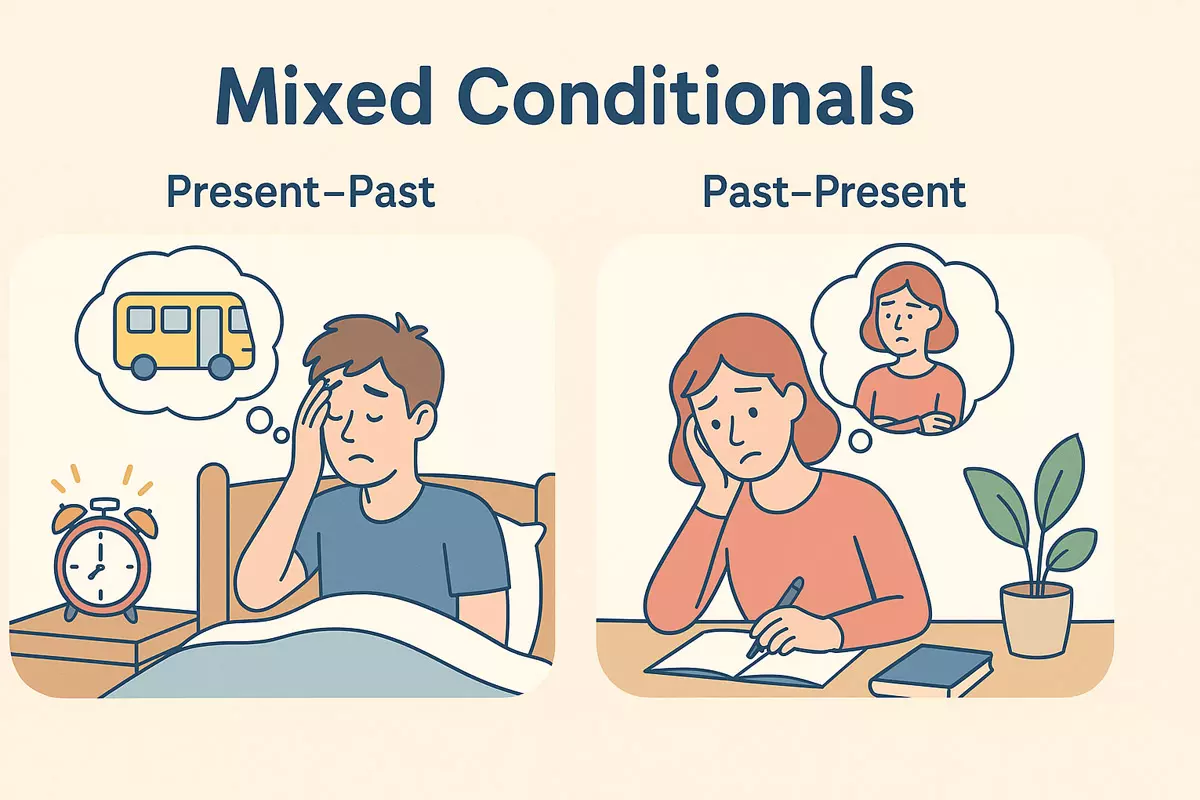 This article explains what mixed conditionals are and why they’re used in English. It covers the two main patterns, their forms and meanings, how they express timelines, real-life examples, and practice transforming conditionals.
- What mixed conditionals are and why English uses them
- Two main patterns: past condition → present result, and present condition → past result
- Form and meaning differences between the two types
- How mixed conditionals express long-term consequences or hypothetical timelines
- Examples from personal life, stories, and academic contexts
- Practice: transform third or second conditional into mixed forms
Examining how imagined scenarios from today might shape our recollections of the past, or how previous experiences could impact our current reality, reveals an intriguing aspect of English grammar. Such situations often require the use of complex verb forms, like conditionals or mixed tenses, which challenge learners to navigate the subtle relationships between time and possibility. Mastering these structures not only deepens understanding of English but also encourages more flexible and creative thinking about how events are connected across time.
What mixed conditionals are and why English uses them
English sometimes combines different conditional structures to express complex relationships between time and consequence. These combinations are called mixed conditionals. Unlike standard conditionals, which keep the same tense in both the "if" clause and the main clause, mixed forms blend past, present, and future references within a single sentence. This allows speakers to talk about how an unreal situation in one time frame affects a different time period.
Definition and Purpose
A mixed conditional links two different time periods—often connecting a hypothetical event in the past with a result in the present, or vice versa. This is especially useful for describing regret, missed opportunities, or ongoing consequences caused by something that didn’t happen. In daily conversation, these structures help add nuance and precision to what we mean.
Why English Uses Mixed Conditionals
Native speakers use mixed conditionals to express ideas that simple conditionals can’t cover. Sometimes, you need to talk about how a past event is affecting your current situation, or imagine how your present choices could have changed your past. These forms give greater flexibility and allow for more subtle expression of cause and effect across time.
- To show how an unreal past event impacts the present: "If I had studied harder, I have a better job now."
- To express regret about the past affecting current reality.
- To imagine how present actions could have changed the past.
- To clarify the timeline of cause and effect.
- To discuss hypothetical scenarios with ongoing consequences.
- To express complicated feelings about decisions and their outcomes.
- To create more vivid storytelling or arguments.
- To distinguish between real and unreal conditions across time.
- To articulate missed opportunities and their impact.
- To make polite suggestions or criticisms about past behavior affecting now.
Common Mixed Conditional Patterns
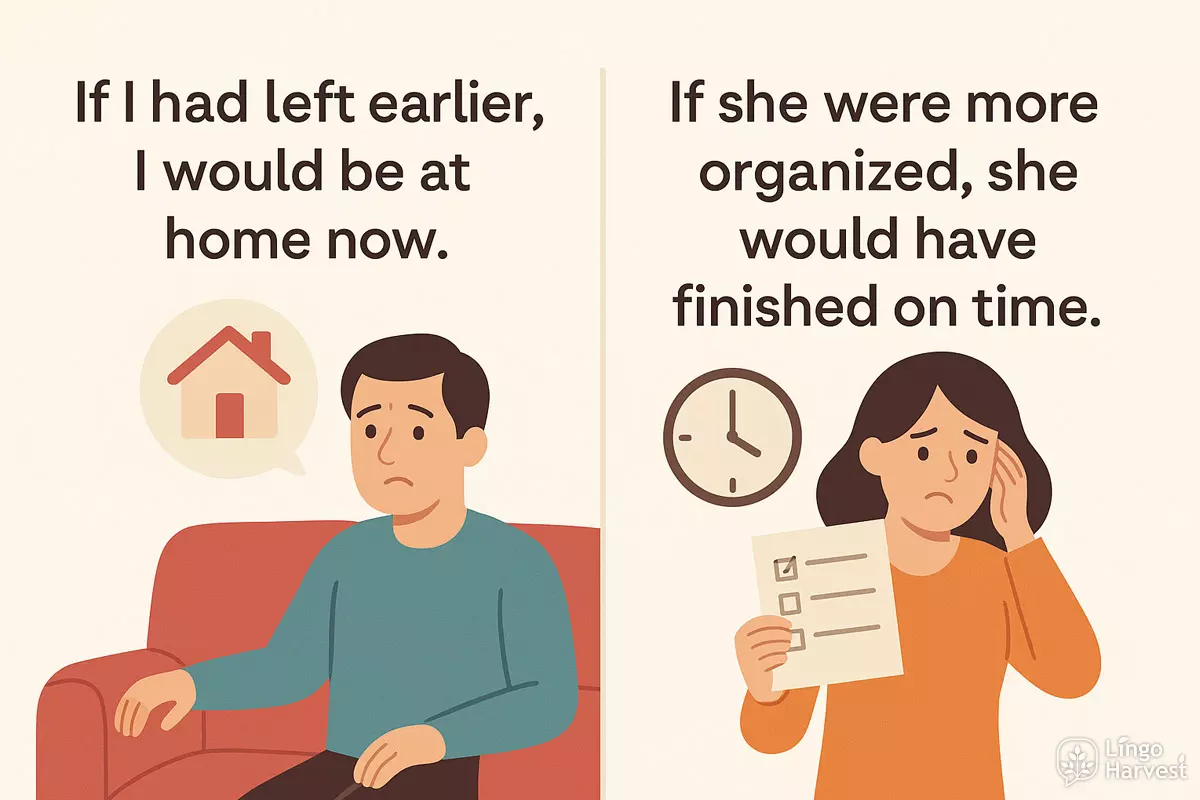
There are two main types of mixed conditionals: those that link a past condition to a present result, and those that connect a present condition to a past result. Here are the most frequent forms:
| Pattern | Example | Meaning |
|---|---|---|
| If + past perfect, would + base verb |
If I had left earlier, I would be at home now. | Past event didn’t happen; present result is different. |
| If + past simple, would have + past participle |
If she were more organized, she would have finished on time. | Current situation is unreal; past result would have changed. |
| If + past perfect, could/might + base verb |
If you had asked, you might know the answer now. | Missed past action; present possibility is lost. |
| If + past simple, could/might have + past participle |
If I were taller, I could have become a basketball player. | Present unreal condition; different past possible. |
By understanding and using these structures, learners can describe more realistic or imagined scenarios where time frames overlap. This flexibility is a key reason why English employs mixed conditionals so frequently in both casual and formal communication.
Two main patterns: past condition → present result, and present condition → past result
Understanding mixed conditionals often comes down to recognizing two core structures: one where a situation in the past affects the present, and another where a current situation is imagined as having changed the past. These combinations allow English speakers to express complex ideas about time and consequence.
Past condition leading to a present result
This pattern is used to talk about how a different action or event in the past would have an impact on the present. We usually use the past perfect tense in the 'if' clause and would/could/might + base verb in the main clause.
- If she had taken the job, she would be in Paris now.
- If I had studied harder, I would have a better job today.
- If they had moved to the city, they would live closer to us.
- If we had known about the sale, we would own a new TV.
- If you hadn't missed the train, you would be here already.
This structure is useful for expressing regrets or hypothetical scenarios where the past influences the current state.
Present condition leading to a past result
In this form, an unreal current situation is imagined as if it could have changed a past outcome. The 'if' clause uses the simple past, and the main clause uses would/could/might + have + past participle.
- If I were taller, I would have joined the basketball team.
- If she spoke Spanish, she would have traveled to Argentina last year.
- If we had more money, we would have bought that house in 2010.
- If he were more confident, he would have asked for the promotion.
- If they lived closer, they would have visited us more often in the past.
This approach helps us explore how present circumstances could have altered previous events—useful for expressing imagined histories.
Summary of mixed conditional forms
To clarify the differences, here’s a comparison of the two main mixed conditional patterns:
| Pattern | Form and Example |
|---|---|
| Past condition → Present result | If + past perfect, would/could/might + base verb If I had saved more, I would own a car now. |
| Present condition → Past result | If + simple past, would/could/might + have + past participle If I were taller, I would have played basketball. |
These patterns allow nuanced expression of time and possibility, making it easier to discuss how different choices might have shaped our lives or how past events continue to affect us. Mixed conditionals are especially common in spoken and written English when reflecting on personal history or alternate realities.
Form and meaning differences between the two types
Present–past and past–present mixed conditionals differ both in their grammatical structure and in the way they connect time frames and consequences. Understanding these differences can help learners use them more naturally and accurately in context.
Structural contrasts
The two main mixed conditional combinations are:
- Present result of a past condition (Past–Present): This form expresses how a past event could affect a present situation. The “if” clause uses the past perfect, while the main clause uses would/could/might + base verb.
- Past result of a present condition (Present–Past): Here, the structure shows how a present (or general) situation could have changed a past outcome. The “if” clause uses the simple past, and the main clause uses would/could/might have + past participle.
| Type | If-clause | Main clause | Example |
|---|---|---|---|
| Past–Present (Present result of past condition) |
Past Perfect (had + past participle) |
would/could/might + base verb | If you had studied, you would know the answer. |
| Present–Past (Past result of present condition) |
Simple Past | would/could/might have + past participle | If she were more careful, she wouldn’t have made that mistake. |
Meaning and time relationship
Mixed conditionals link different moments in time. The past–present pattern reflects regret or speculation about how a previous action influences the present. In contrast, the present–past pattern imagines how a current reality could have altered a past event.
Common usage contexts
- Expressing hypothetical regret or missed opportunities
- Describing ongoing consequences of past events
- Speculating about alternate outcomes
- Commenting on how things could be different now if the past had changed
- Imagining how current traits or situations could have prevented past problems
- Giving advice by referencing possible past results
- Explaining current states through unreal past conditions
- Analyzing cause and effect across time frames
- Making excuses or justifying actions
- Storytelling and narrative speculation
- Expressing disappointment or relief about present/past links
- Formulating polite criticism or suggestions
Summary
In sum, mixed conditionals serve to connect events and consequences across different time periods, each with its own grammatical form and nuance. Recognizing the distinctions between these patterns helps clarify meaning and allows for more sophisticated expression in English.
How mixed conditionals express long-term consequences or hypothetical timelines
Mixed conditionals help us talk about situations where the time in the "if" clause and the main clause do not match. This allows speakers and writers to discuss how a different past could impact the present, or how a present situation could have changed the past. Such structures are especially useful for expressing ongoing consequences, imagined timelines, and the relationship between actions and their results over time.
Exploring cause and effect across time
By combining elements from different types of conditionals, these sentences highlight how past decisions might shape our current reality or how present conditions could have influenced earlier outcomes. This is particularly valuable when examining hypothetical scenarios that extend beyond one specific moment.
- If she had studied harder, she would have a better job now. (Past action impacting the present)
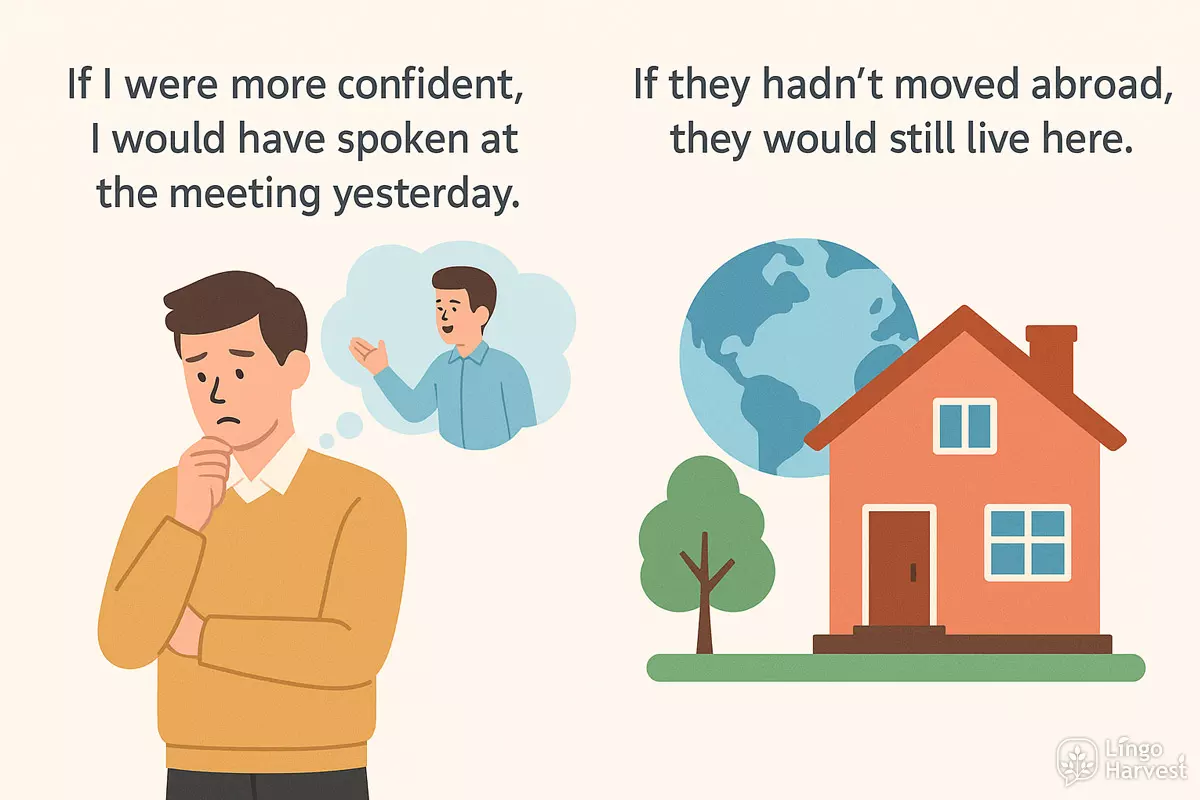
- If I were more confident, I would have spoken at the meeting yesterday. (Present trait affecting a past event)
- If they hadn’t moved abroad, they would still live here. (Past decision with ongoing present effect)
- If I didn’t have this allergy, I would have eaten the cake yesterday. (Present reality changing a past possibility)
- If he had listened to advice, he wouldn’t be in trouble now. (Different past, better present)
- If we weren’t so busy, we would have helped you last week. (Present situation limiting past action)
- If you had saved more, you would own a house now.
- If she spoke French, she would have understood the movie yesterday.
- If I had known about the party, I would be there now.
- If they weren’t tired, they would have joined us for dinner last night.
- If I had met him earlier, I would be happier now.
- If you were taller, you would have played basketball in school.
Common mixed conditional structures
There are two main patterns:
- Past → Present: If + past perfect, would + base form (present result of a past action)
- Present → Past: If + simple past, would have + past participle (past result of a present/unreal state)
| Pattern | Example |
|---|---|
| If + past perfect, would + base form | If I had left earlier, I would be at home now. |
| If + simple past, would have + past participle | If she were more organized, she would have finished the project on time. |
Why use mixed conditionals?
These structures are ideal for reflecting on regrets, missed opportunities, and hypothetical developments over time. They allow you to describe not just a single moment, but a chain of events—a powerful tool for storytelling, reflection, and analysis. Mastering mixed conditionals helps you communicate complex timelines and the lasting impact of choices with precision and nuance.
Examples from personal life, stories, and academic contexts
Understanding mixed conditionals becomes much easier when you see how they appear in conversations, anecdotes, and educational settings. These combinations help express hypothetical links between the present and the past, showing how one unreal situation can affect another in a different time frame.
Personal Experience Illustrations
- If I had learned to drive when I was younger, I wouldn’t need to rely on public transport now.
- If she were more confident today, she would have accepted the job offer last year.
- If we didn’t live so far from the city, we would have attended more concerts in our college days.
- If I were more organized, I wouldn’t have missed that important appointment last week.
Storytelling and Fictional Scenarios
- If the hero were stronger, he would have defeated the villain in the past battle.
- If the detective had noticed the clue earlier, she wouldn’t be struggling with the case now.
- If the kingdom were richer, it wouldn’t have lost the war centuries ago.
- If the time traveler knew the language, he would have understood the ancient message he found.
Academic and Classroom Contexts
- If you had studied harder last semester, you would feel more confident about your exams now.
- If the experiment were less expensive, the school would have conducted it last year.
- If the students understood the concept, they wouldn’t have made so many mistakes on the test.
- If the teacher had given clearer instructions, the class wouldn’t be confused today.
| Present–Past Mixed Conditional | Past–Present Mixed Conditional |
|---|---|
| If I were taller (present unreal), I would have played basketball in high school (past result). | If I had practiced piano as a child (past unreal), I could play well now (present result). |
| If she spoke French (present unreal), she would have moved to Paris last year (past result). | If we had saved more money before (past unreal), we would be traveling the world now (present result). |
| If he weren’t afraid of heights (present unreal), he would have gone skydiving on vacation (past result). | If you had chosen a different major (past unreal), you would have a different job now (present result). |
| If they lived closer (present unreal), they would have visited us last weekend (past result). | If I had listened to your advice (past unreal), I wouldn’t be in this situation now (present result). |
Mixed conditionals allow speakers and writers to express nuanced relationships between different moments in time. Whether recalling a missed opportunity, imagining a different outcome, or reflecting on how present traits could have altered the past, these structures add depth to everyday communication and academic analysis.
Practice: transform third or second conditional into mixed forms
Understanding how to shift between standard second or third conditional sentences and their mixed conditional counterparts is crucial for expressing complex time relationships in English. Mixed conditionals allow us to describe how a past action could affect the present, or how a present situation might have changed the past. This practice section provides structured activities to help you recognize and create these combinations.
Transform the Conditionals
Below are sentences written in traditional second or third conditional forms. Your task is to rewrite each sentence as a mixed conditional, changing the time reference of either the condition or the result.
- If she had studied harder, she would have passed the exam.
- If I were taller, I would play basketball professionally.
- If they had left earlier, they would not be stuck in traffic now.
- If he spoke French, he would have enjoyed the trip to Paris more.
- If you had told me about the meeting, I would be prepared now.
- If I knew his number, I would have called him yesterday.
- If we had saved more money, we could be buying a house now.
- If she were more organized, she wouldn't have missed the deadline.
- If I hadn’t eaten so much cake, I wouldn’t feel sick now.
- If he were more careful, he wouldn’t have broken the vase.
Show answers
- If she had studied harder, she would be successful now. (Past → Present)
- If I were taller, I would have joined the basketball team last year. (Present → Past)
- If they had left earlier, they wouldn’t be stuck in traffic now. (Past → Present)
- If he spoke French, he would have enjoyed the trip to Paris more. (Present → Past)
- If you had told me about the meeting, I would be prepared now. (Past → Present)
- If I knew his number, I would have called him yesterday. (Present → Past)
- If we had saved more money, we could be buying a house now. (Past → Present)
- If she were more organized, she wouldn’t have missed the deadline. (Present → Past)
- If I hadn’t eaten so much cake, I wouldn’t feel sick now. (Past → Present)
- If he were more careful, he wouldn’t have broken the vase. (Present → Past)
Common Mixed Conditional Patterns
To support your practice, here’s a table showing the main mixed conditional forms, with examples and time references:
| Type | Conditional Clause | Main Clause | Example | Time Reference |
|---|---|---|---|---|
| Present result of past condition | If + past perfect | would + base verb | If I had seen the sign, I would know where to go. | Past → Present |
| Past result of present condition | If + past simple | would have + past participle | If she spoke Spanish, she would have understood the film. | Present → Past |
| Present result of unreal past | If + past perfect | could/might + base verb | If they had taken the train, they could be here now. | Past → Present |
| Past result of unreal present | If + past simple | could/might have + past participle | If he were stronger, he might have won the match. | Present → Past |
Quick Rewrite Challenge
Try converting these regular second or third conditional sentences into mixed forms:
- If I had known about the sale, I would have bought a new jacket.
- If she spoke Italian, she would work in Rome now.
- If we were more experienced, we would have solved the problem faster.
- If you had taken my advice, you would feel better today.
Show answers
- If I had known about the sale, I would have a new jacket now.
- If she spoke Italian, she would be working in Rome now.
- If we were more experienced, we would have solved the problem faster.
- If you had taken my advice, you would feel better today.
Practicing these transformations helps you internalize how English expresses hypothetical connections across different times. Try creating your own examples to reinforce your understanding of these structures.