Past Modals in Conditional Thinking: Should Have, Could Have, Would Have

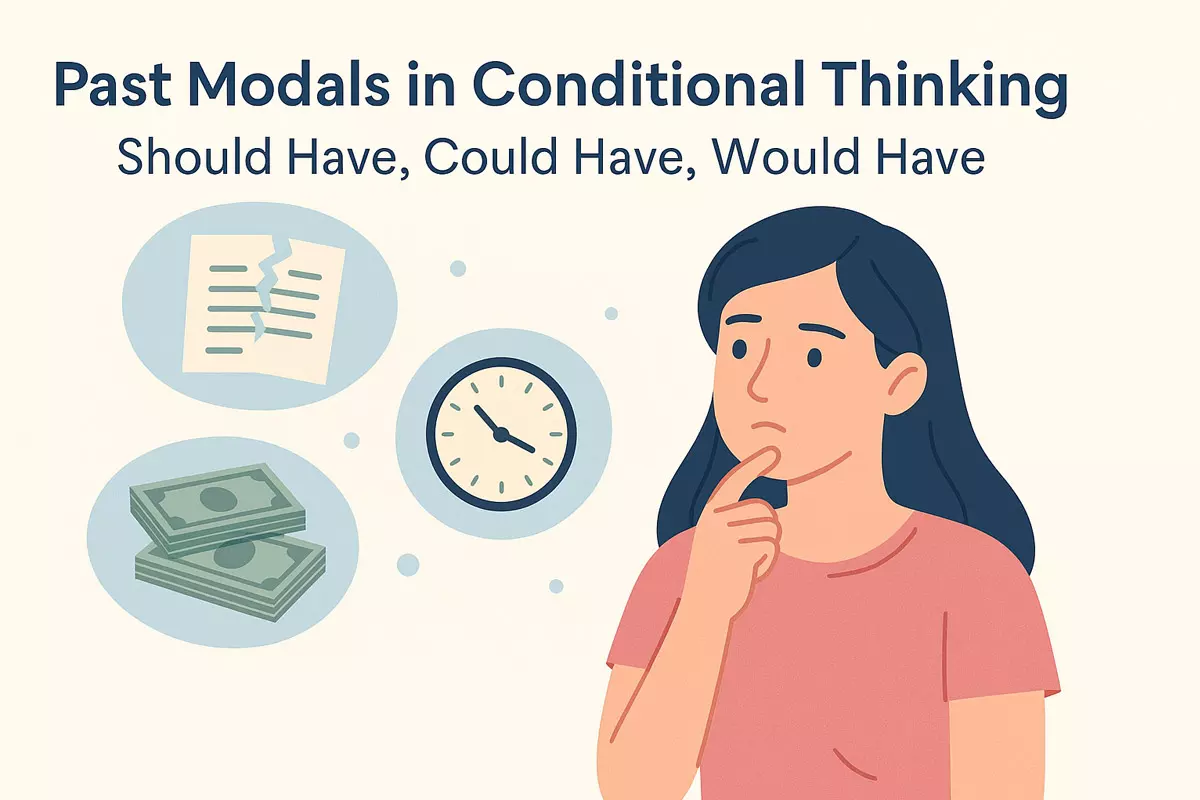 Here we the meanings of past modals in hypothetical or evaluative contexts, including should have for criticism or expectation, could have for missed opportunities, and would have for imagined results.
Have you ever thought about how we express regrets or imagine different outcomes from past events? Using phrases like should have, could have, and would have helps us discuss what might have been if we had made other choices. These expressions let us reflect on missed opportunities and consider how different actions could have changed our lives. By understanding and using these forms, we can better communicate our feelings about past decisions and learn from our experiences.
Meaning of past modals in hypothetical or evaluative contexts
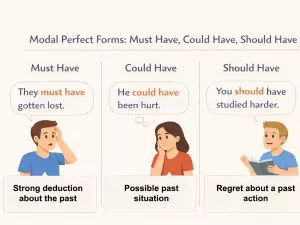
Past modals like "should have," "could have," and "would have" often express imaginary scenarios, judgments, or regrets about actions that did not occur. In these uses, they allow speakers to reflect on past events, consider alternatives, or express opinions about what was possible, advisable, or expected.
Hypothetical Uses
When discussing unreal or imagined situations in the past, these modals help create alternative outcomes. For example, "If I had known, I would have called you" imagines a different past based on new information.
- Could have — indicates past possibility: "She could have won the race."
- Would have — shows a hypothetical result: "They would have come if they’d been invited."
- Should have — expresses expectation or obligation: "You should have told me the truth."
Evaluative and Judgemental Uses
These forms are also common when evaluating past actions. They can signal criticism, regret, or advice about what was (or wasn’t) done.
- "I should have studied harder." (regret or self-criticism)
- "He could have helped us." (missed opportunity)
- "You shouldn’t have lied." (criticism or moral judgment)
- "We would have finished sooner with more help." (reflection on a potential outcome)
Comparison of Past Modals in Context
| Modal | Typical Use in Hypothetical/Evaluative Contexts |
|---|---|
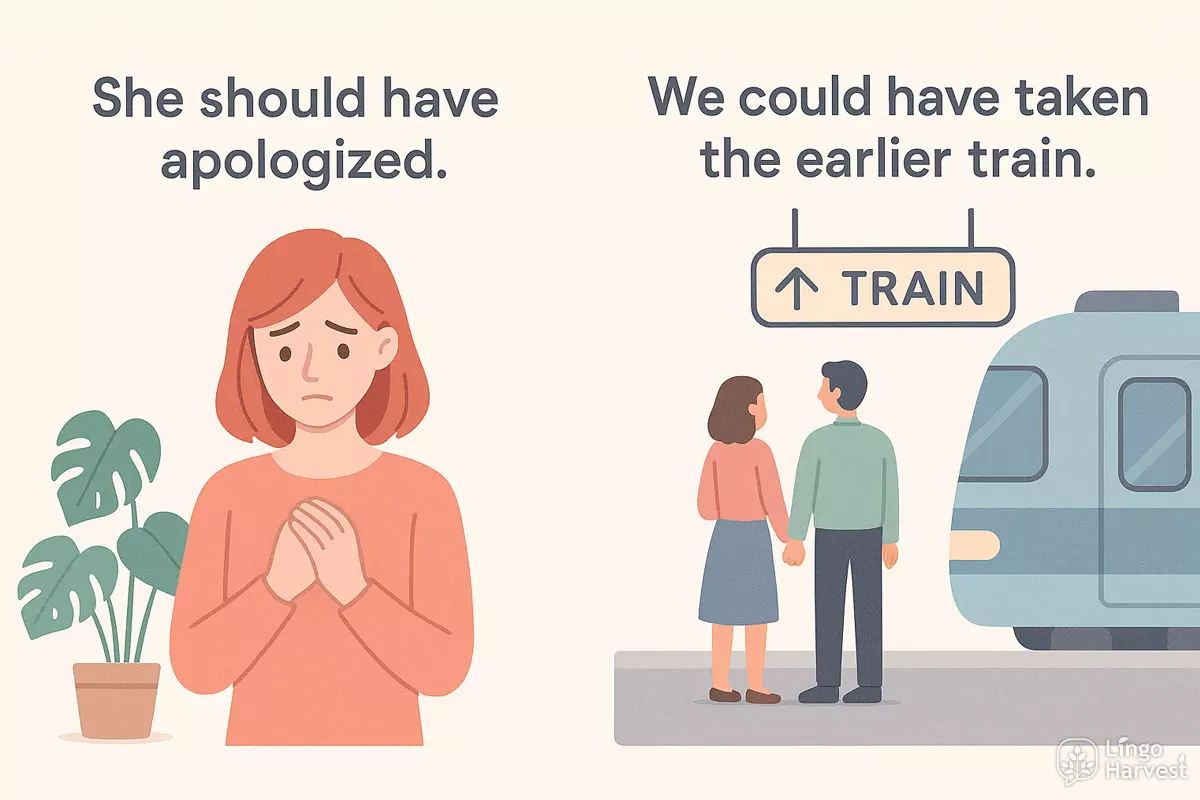
| Should have | Expresses criticism, regret, or expectation about a past action. Example: "She should have apologized." |
| Could have | Shows that something was possible but didn’t happen. Example: "We could have taken the earlier train." |
| Would have | Describes a hypothetical result or intention, often conditional. Example: "I would have helped if I had known." |
| Shouldn’t have | Indicates that a past action was a mistake or not advisable. Example: "He shouldn’t have shouted." |
| Couldn’t have | States that something was impossible in the past. Example: "They couldn’t have known the answer." |
| Wouldn’t have | Expresses refusal or a negative hypothetical result. Example: "I wouldn’t have believed it if I hadn’t seen it." |
Summary of Common Patterns
Using these past modal forms in reflective or imagined contexts helps to communicate not just what happened, but also attitudes, missed chances, and hypothetical alternatives. They are essential tools for nuanced expression in English, especially when discussing how things might have been different or what ought to have occurred.
Should have for criticism or expectation
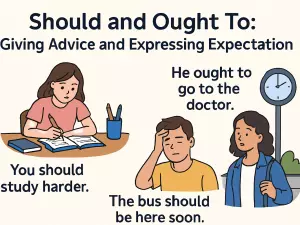
When discussing past possibilities, "should have" is often used to express disapproval, regret, or unmet expectations. This phrase allows speakers to point out what was right or advisable in hindsight, highlighting actions that did not occur but were expected or preferred. It is commonly heard in feedback, self-reflection, and advice after the fact.
Expressing Criticism or Missed Duty
Using "should have" to criticize often implies that someone failed to do what was necessary or responsible. The tone may range from mild disappointment to strong reproach. For example:
- You should have called if you were going to be late.
- He should have double-checked his work before submitting it.
- They should have worn helmets while cycling.
These sentences point to an obligation or sensible action that was overlooked.
Stating Expectations or Recommendations
In other cases, "should have" expresses what was expected, hoped for, or considered the best course of action. This can be softer, reflecting advice or hindsight wisdom:
- We should have taken the earlier train.
- She should have saved more money for emergencies.
- You should have told me about the problem sooner.
Here, the focus is less on blame and more on lessons learned or missed opportunities.
Common Patterns and Variations
The phrase can appear in various forms, often with different subjects or objects, but the core meaning remains about a past action that did not meet a certain standard. Some variations include:
- I should have listened to your advice.
- You shouldn’t have left the door unlocked. ❌
- We should have started studying earlier.
- They shouldn’t have ignored the warning signs.
- He should have been more careful with his words.
- She should not have skipped breakfast.
- It should have been obvious what to do.
- We should have checked the weather forecast.
- He should have apologized for the mistake.
- You should not have trusted them so easily.
Positive and Negative Forms
Both affirmative and negative versions are used, depending on whether the speaker is highlighting an action that should have happened or one that should not have occurred. Here’s a quick comparison:
| Affirmative | Negative |
|---|---|
| You should have told me. | You should not have lied. |
| He should have arrived earlier. | He shouldn’t have left so soon. |
| We should have prepared more. | We shouldn’t have ignored the warning. |
| They should have checked the schedule. | They shouldn’t have forgotten the tickets. |
In summary, "should have" is a powerful tool in English for evaluating past choices, whether to point out mistakes, missed opportunities, or to offer retrospective guidance. Its use helps clarify expectations and lessons for similar situations in the future.
Could have for ability or missed opportunities
When reflecting on the past, "could have" is often used to express unrealized potential or skills that were not put into practice. This structure helps us talk about what was possible, but ultimately did not happen—whether due to choice, circumstance, or oversight. In conditional thinking, it allows us to discuss both the capacity to do something and the regret of not doing it.
Expressing unrealized ability
"Could have" frequently highlights an ability or opportunity that existed in the past. For example, someone might say, "She could have won the race," meaning she had the skill, but for some reason, victory did not occur. This use is common when evaluating past possibilities.
Talking about missed chances
This modal also features in conversations where people discuss things they regret not doing. It emphasizes lost opportunities or decisions not taken, often accompanied by a sense of hindsight.
- I could have learned another language, but I didn’t try.
- They could have invited us to the party.
- We could have taken the earlier train.
- You could have told me about the meeting.
- He could have become a doctor if he had wanted.
- She could have called, but she forgot.
- The team could have won with a bit more practice.
- I could have helped you if you had asked.
- My parents could have moved abroad, but they stayed.
- We could have finished earlier, but we started late.
- You could have avoided the mistake by checking twice.
- He could have passed the test with more study.
- They could have stayed longer, but they left early.
- I could have visited you last summer.
- She could have explained her reasons better.
- We could have saved more money.
- You could have been more careful.
- The event could have been canceled.
Forming the structure
The construction is always the same: could have + past participle. This combination is not affected by the subject, and the verb after "have" is always in its third form (past participle).
| Subject | Could have + past participle | Meaning |
|---|---|---|
| I | could have gone | It was possible for me to go, but I didn’t |
| She | could have finished | She was able to finish, but did not |
| They | could have seen | They had the chance to see, but missed it |
| We | could have helped | We were able to help, but didn’t |
In conversation, "could have" is also used to soften criticism or suggest alternatives without sounding harsh. For instance, "You could have called me" is gentler than "You should have called me." This nuance makes it especially useful in polite or reflective discussions.
Would have for imagined results
In English, "would have" is often used to describe outcomes that did not actually occur, but were possible in a different scenario. This structure lets speakers express hypothetical results, often in response to a condition that was not met. It's a core part of third conditional sentences, which reflect on the past and imagine alternative outcomes.
Understanding the structure
The basic pattern uses "would have" plus the past participle of a verb. For example: If she had known about the meeting, she would have attended. Here, the phrase imagines a different past — the attendance didn't happen, but it was possible under different circumstances.
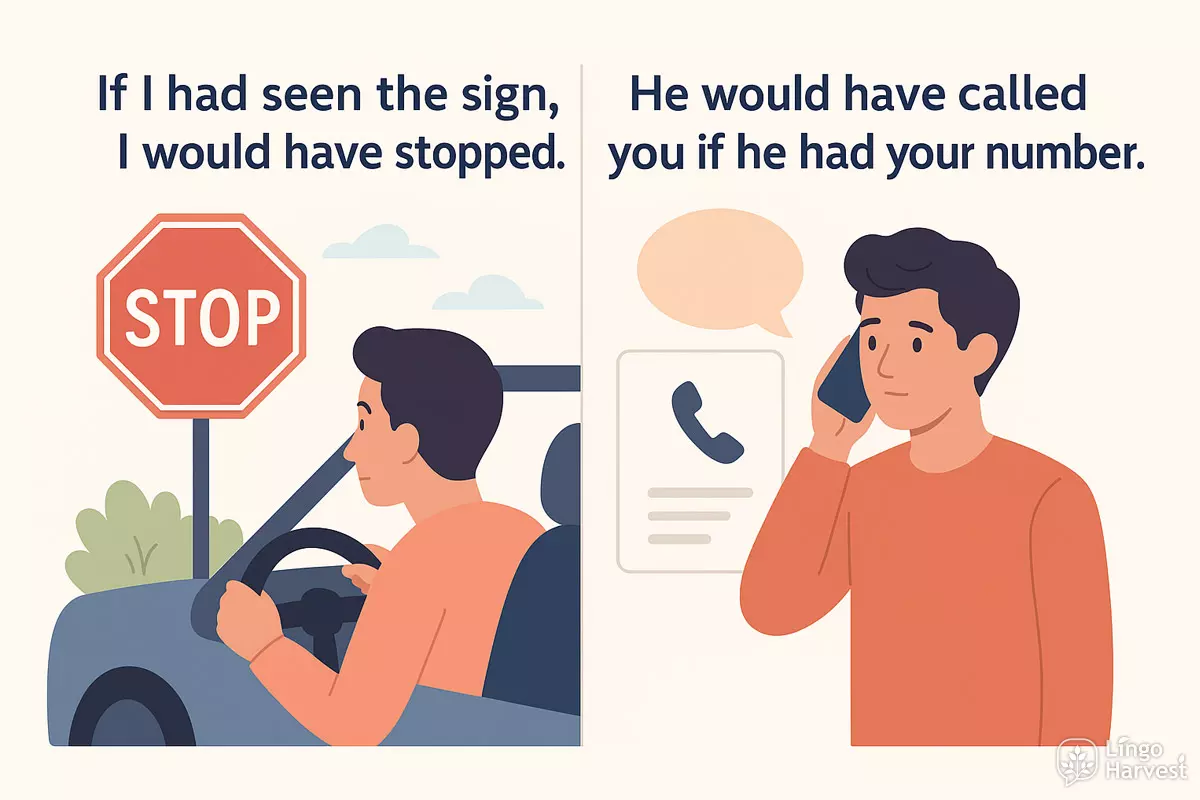
- If I had seen the sign, I would have stopped.
- He would have called you if he had your number.
- They would have finished earlier with more help.
- We would have gone to the beach if it hadn’t rained.
- She would have remembered if you had reminded her.
- I would have bought tickets, but they were sold out.
- You would have enjoyed the concert.
- He would have passed the exam with more study.
- We would have stayed longer if possible.
- The dog would have barked if it heard a noise.
- I would have cooked dinner, but we had no groceries.
- They would have invited us if they knew we were in town.
Common uses in conversation
People use this form to talk about regrets, missed opportunities, or to explain why something did not happen. It also helps soften criticism or disappointment by pointing to circumstances rather than blaming individuals.
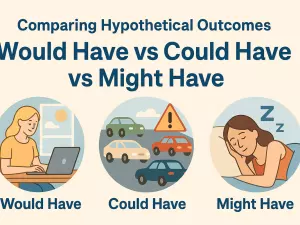
Comparison: Would have vs. Could have vs. Should have
To clarify the differences among these past modals, consider the table below:
| Expression | Typical Use | Example |
|---|---|---|
| Would have | Hypothetical result, imagined outcome | She would have come if invited. |
| Could have | Possibility, ability in different circumstances | He could have won the race. |
| Should have | Obligation, recommendation in hindsight | You should have told me earlier. |
When to use this form
Use "would have" to express imagined results in situations where the condition did not actually happen. It's especially useful for reflecting on the past and considering how things might have been different. This makes it a valuable tool for storytelling, explanations, and expressing empathy or understanding in conversations.
Contrast with third conditional forms
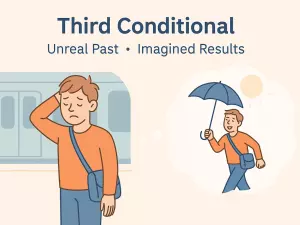
Understanding how “should have,” “could have,” and “would have” function in reflecting on past possibilities is easier when you compare them to the structure and purpose of third conditional sentences. Third conditional forms are specifically used to talk about unreal situations in the past—things that did not happen, but we imagine how they might have turned out differently. In contrast, past modal constructions with “have” express regret, criticism, or hypothetical possibilities, but they’re often less strictly bound to the if-clause format.
Third Conditional Structure
The third conditional typically combines an “if” clause in the past perfect with a main clause containing “would have,” “could have,” or “might have” plus a past participle. For example:
- If she had studied harder, she would have passed the exam.
- If we had left earlier, we could have avoided the traffic.
- If he had told me, I might have helped him.
Past Modals Outside the Third Conditional
“Should have,” “could have,” and “would have” are also used outside of traditional third conditional sentences. Here, they often express evaluation, advice, or missed opportunities without an explicit “if” clause:
- You should have called me. (advice/regret)
- I could have won the race. (missed possibility)
- They would have enjoyed the concert. (hypothetical outcome)
Notice how these examples don’t require an “if” clause, yet still refer to imagined alternatives in the past.
Key Differences at a Glance
The following table summarizes the main contrasts between third conditional sentences and other uses of past modal forms:
| Aspect | Third Conditional | Past Modals (without if) |
|---|---|---|
| Structure | If + past perfect, would/could/might have + past participle | Modal + have + past participle |
| Example | If you had known, you would have come. | You should have come earlier. |
| Function | Imagined outcome, unreal past conditions | Regret, criticism, hypothetical possibility |
| Need for "if" clause | Required | Not required |
Expanded Examples for Practice
Here’s a list of various sentences illustrating both forms, showing how context changes meaning:
- If I had seen the sign, I would have stopped.
- You could have told me about the meeting.
- If they had invited us, we would have gone.
- He should have listened to your advice.
- If we had known about the sale, we might have bought more.
- I would have helped, but I didn’t know.
- She could have finished earlier.
- If you had called, I would have answered.
- They should have arrived by now.
- If he had asked, we would have agreed.
These examples highlight subtle shifts in meaning and structure when comparing third conditional forms with other uses of past modals. Recognizing these patterns can help in expressing past hypotheticals, regrets, or criticisms more precisely.
Practice: complete sentences using appropriate past modals
Understanding how to use should have, could have, and would have is essential for expressing past possibilities, regrets, and hypothetical outcomes. Let’s reinforce your skills by working through some practical exercises that focus on these modal verbs in real-life scenarios.
Complete the Sentences
Fill in the blanks with the correct past modal (should have, could have, or would have) based on the meaning of the sentence.
- If you __________ (call) me, I __________ (help) you with your homework.
- They __________ (leave) earlier, but they wanted to stay for dessert.
- I __________ (study) harder for the exam; now I regret it.
- We __________ (take) a taxi, but we decided to walk instead.
- She __________ (tell) the truth if she __________ (trust) him more.
- He __________ (bring) an umbrella; it rained all afternoon.
- If I __________ (know) about the traffic, I __________ (choose) another route.
- You __________ (forget) your keys again! This is the third time.
- They __________ (win) the match if they __________ (practice) more.
- We __________ (visit) the museum, but it was closed.
Show answers
- had called / could have helped
- could have left
- should have studied
- could have taken
- would have told / had trusted
- should have brought
- had known / would have chosen
- should not have forgotten
- would have won / had practiced
- could have visited
Common Patterns in Conditional Sentences
Observe how these modal verbs combine with conditional structures. Here are some typical forms:
- If + past perfect, would have + past participle (imagined result)
- Should have + past participle (regret or criticism)
- Could have + past participle (lost possibility or option)
Examples for Reference
Explore these examples to see the subtle differences in meaning:
- I should have left earlier. (regret)
- You could have called me. (missed option)
- He would have gone if he had known. (hypothetical result)
- She should not have lied to her friend. (criticism)
- They could have won the game. (possibility)
- We would have stayed longer if we had had time. (unreal past)
- You should have listened to the advice. (regret)
- I could have helped you if you had asked. (missed opportunity)
- He would have finished earlier if he had started on time. (condition)
- She should have checked the weather forecast. (regret)
Quick Review Table
| Modal | Typical Use |
|---|---|
| Should have | Expressing regret, criticism, or a missed obligation Example: You should have called me. |
| Could have | Indicating lost possibility or ability Example: They could have joined us. |
| Would have | Describing hypothetical outcomes in the past (conditional) Example: I would have gone if I had known. |
Practicing these structures helps you communicate more precisely about past situations, express regrets, or imagine alternative outcomes.