Masculine and Feminine Nouns in Modern English Usage

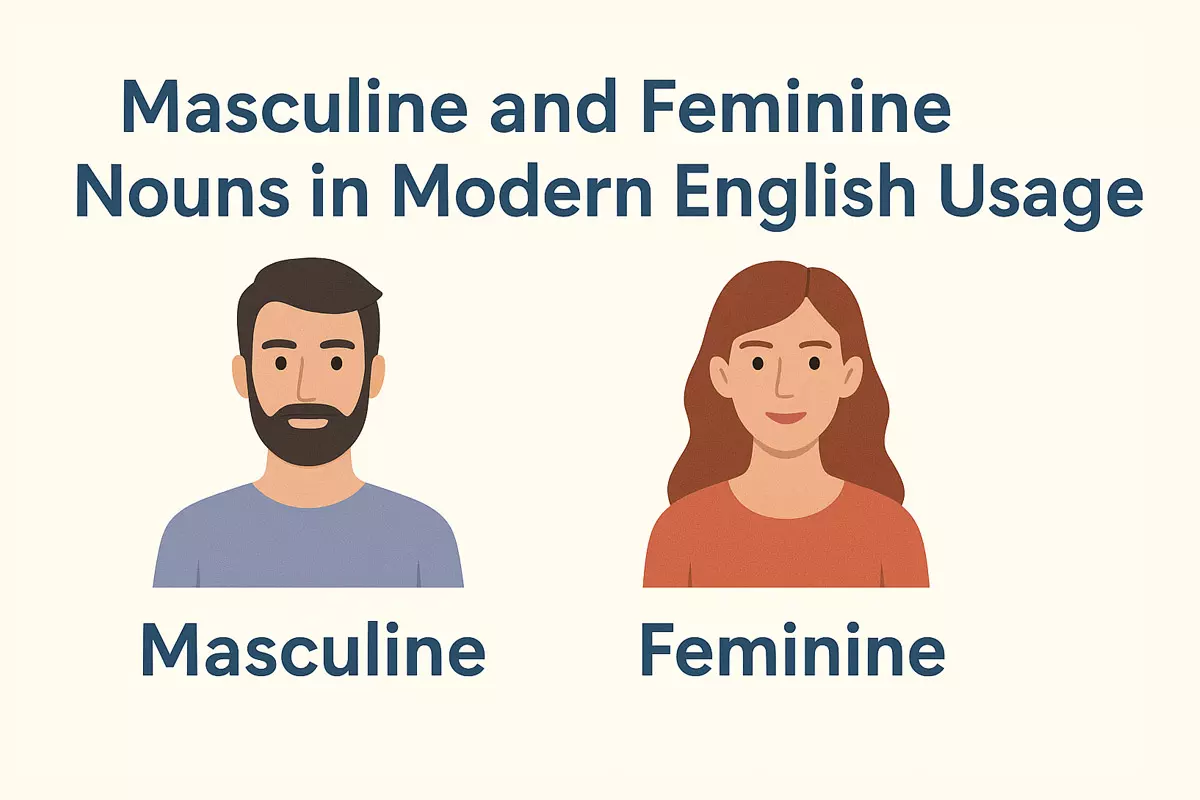 Here we how English nouns are moving from traditional masculine and feminine forms to gender-neutral options. It discusses neutral job titles, inclusive language choices, common mistakes, and gives practice updating sentences.
- Overview of gender in English nouns
- Traditional masculine and feminine noun pairs
- Neutral alternatives to gendered job titles
- Using person, partner, and other neutral options
- Cultural change and inclusive language choices
- Common mistakes with outdated gendered nouns
- Practice: update sentences to gender-neutral wording
Exploring the use of gendered terms in modern English highlights how language adapts alongside societal shifts in attitudes toward gender roles. As our understanding of gender becomes more nuanced, traditional labels are increasingly reconsidered, leading to changes in how we refer to professions, relationships, and identities. These shifts not only reflect a move toward greater inclusivity but also encourage us to think critically about the words we choose and the assumptions they may carry.
Overview of gender in English nouns
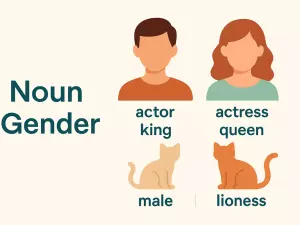
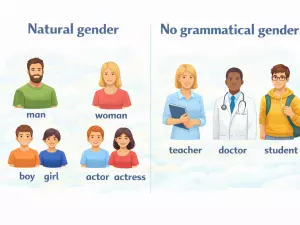
English nouns today are mostly gender-neutral, unlike many languages where every noun is classified as masculine, feminine, or neuter. While English once had a more pronounced system of grammatical gender, modern usage relies primarily on natural gender—referring to actual biological sex or social gender for people and animals, and treating objects as neutral.
Types of gender references in English
Most nouns referring to inanimate objects or abstract concepts are considered neuter. For people and some animals, gender is indicated by the noun itself or by context. Specific masculine and feminine forms exist but are less common than in the past.
- Actor / Actress – male and female performers
- Waiter / Waitress – male and female serving staff (now often replaced by “server”)
- Prince / Princess – male and female royalty
- King / Queen – male and female monarchs
- Son / Daughter – male and female children
- Nephew / Niece – male and female relatives
- Father / Mother – male and female parents
- Bull / Cow – masculine and feminine cattle
- Stallion / Mare – male and female horses
- Rooster / Hen – male and female chickens
- Gentleman / Lady – male and female adults (formal)
- Brother / Sister – male and female siblings
- Wizard / Witch – male and female magic users
- Hero / Heroine – male and female protagonists
- Uncle / Aunt – male and female family members
- Drake / Duck – male and female ducks
- Fox / Vixen – male and female foxes
- Lord / Lady – male and female nobility
- Gander / Goose – male and female geese
Shifts toward gender-neutral language
Recent changes in English usage reflect a strong movement toward gender-inclusive and non-binary forms. Many gender-marked nouns are being replaced by neutral alternatives. For example, “chairman” is often replaced by “chairperson” or simply “chair,” and “fireman” becomes “firefighter.” This shift helps avoid unnecessary emphasis on gender in professional and social roles.
Summary of gendered and neutral noun forms
| Masculine Form | Feminine Form | Gender-neutral Alternative |
|---|---|---|
| Actor | Actress | Actor (for any gender) |
| Waiter | Waitress | Server |
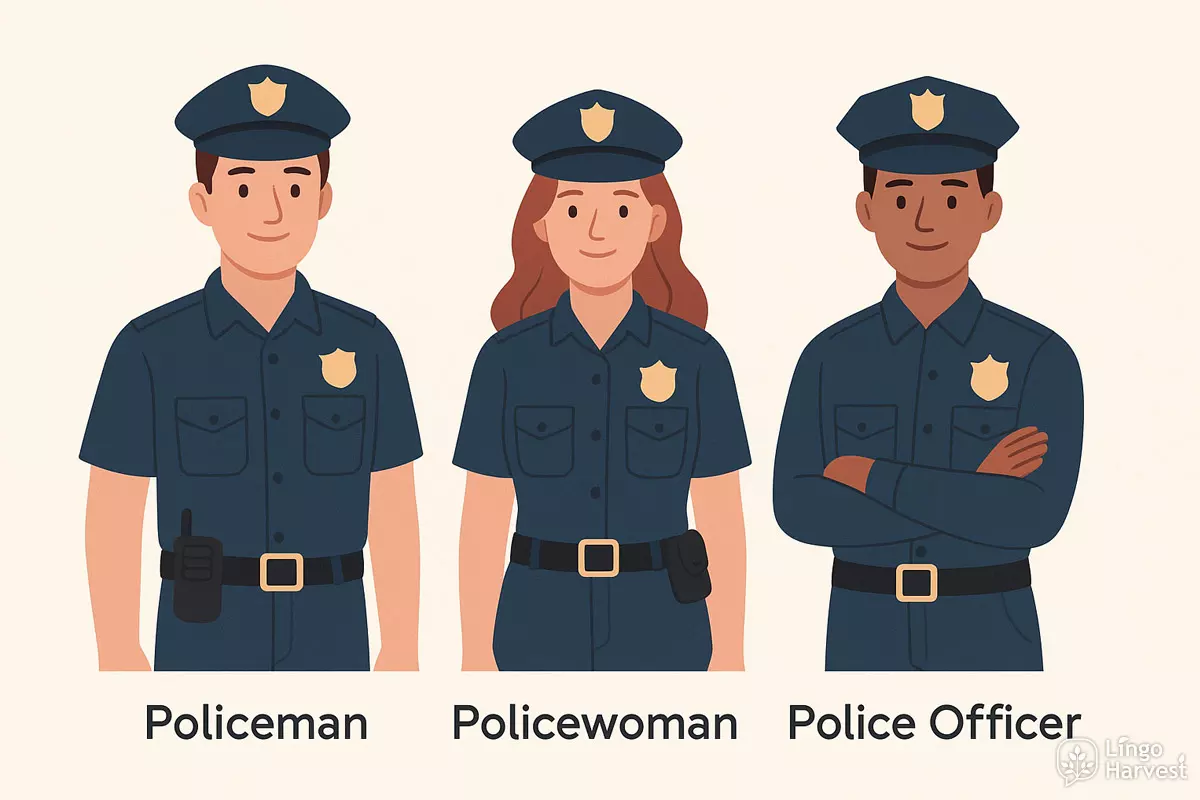
| Policeman | Policewoman | Police officer |
| Chairman | Chairwoman | Chair / Chairperson |
| Steward | Stewardess | Flight attendant |
| Businessman | Businesswoman | Businessperson |
| Fireman | Firewoman | Firefighter |
In summary, while remnants of gendered nouns persist, most English nouns do not convey gender, and the language continues to evolve toward even more inclusive forms. This trend is especially visible in professional titles and roles, where neutrality and respect for all identities are increasingly prioritized.
Traditional masculine and feminine noun pairs
Many words in English once had gender-specific forms to refer to men and women. These pairs, while less common in contemporary speech, are still visible in classic literature and some formal contexts. Most of these gendered nouns have been replaced by neutral alternatives, but understanding them can give insight into the evolution of English vocabulary. For example, certain professions, titles, and family relationships historically used distinct terms for male and female roles. Some of these forms have fallen out of regular use or seem dated today, while others remain familiar.
| Masculine | Feminine |
|---|---|
| Actor He is an actor in a famous movie. |
Actress She is an actress on a popular TV show. |
| Waiter The waiter brought our food quickly. |
Waitress The waitress took our order. |
| Prince The prince greeted the crowd. |
Princess The princess waved from the balcony. |
| Duke The duke owned a large estate. |
Duchess The duchess hosted a charity event. |
| King The king made an important announcement. |
Queen The queen attended the ceremony. |
| Host The host welcomed everyone to the show. |
Hostess The hostess showed us to our table. |
| Emperor The emperor ruled the empire for decades. |
Empress The empress supported the arts. |
| Son Her son started school this year. |
Daughter Their daughter loves drawing. |
| Father My father works from home. |
Mother His mother called him yesterday. |
| Brother My brother lives in Canada. |
Sister Her sister plays the piano. |
| Uncle My uncle told us a funny story. |
Aunt My aunt visits every summer. |
| Widower The widower lived alone after the loss. |
Widow The widow moved closer to her family. |
| Wizard The wizard cast a powerful spell. |
Witch The witch mixed a strange potion. |
| Lord The lord owned the castle. |
Lady The lady wore a beautiful dress. |
| Hero The hero saved the town. |
Heroine The heroine led the mission. |
| Monk The monk lived in a quiet monastery. |
Nun The nun worked at the school. |
| Groom The groom looked nervous before the ceremony. |
Bride The bride wore a white gown. |
| Stag A stag appeared near the forest edge. |
Doe A doe was feeding in the field. |
| Rooster The rooster crowed at dawn. |
Hen The hen laid an egg. |
| Bachelor He is still a bachelor. |
Spinster The old term “spinster” is rarely used today. |
Patterns in word formation
A closer look at these word pairs reveals patterns, such as the use of suffixes like -ess (as in "actress" or "duchess") to mark the feminine form. Some pairs are entirely different words, like "king" and "queen." Many of these distinctions are now considered old-fashioned, especially for job titles, as English increasingly favors gender-neutral language.
Current usage and shifting trends
While you might still encounter these pairs in certain settings, especially in reference to royalty or animals, the trend in modern English is to use the same word for all genders wherever possible. For example, "actor" is now common for any gender, and "waitress" is often replaced by "server." Still, awareness of these traditional forms can help in understanding historical texts and the progression of the language.
Neutral alternatives to gendered job titles
Language has evolved to reflect social changes, and one important shift is the move away from job titles that imply a specific gender. Many traditional occupational terms, such as "fireman" or "stewardess," have been replaced with forms that include everyone, regardless of gender identity. This helps foster inclusivity and avoids assumptions based on outdated roles.
Why use gender-neutral job titles?
Choosing inclusive language in professional contexts not only reflects respect for all individuals but also helps organizations appear modern and welcoming. Using neutral terms can prevent misunderstandings and make job postings more accessible to a wider audience.
Common replacements for gendered professions
Sometimes, finding a neutral term is as simple as removing the gendered suffix. In other cases, a different word altogether is used. Here are some widely accepted alternatives:
- Actor (instead of actress)
- Chair or Chairperson (instead of chairman/chairwoman)
- Firefighter (instead of fireman)
- Police officer (instead of policeman/policewoman)
- Flight attendant (instead of steward/stewardess)
- Server or Waitstaff (instead of waiter/waitress)
- Mail carrier or Postal worker (instead of mailman/postwoman)
- Businessperson or Executive (instead of businessman/businesswoman)
- Humankind (instead of mankind)
- Salesperson or Sales representative (instead of salesman/saleswoman)
- Spokesperson (instead of spokesman/spokeswoman)
- Bartender (instead of barman/barmaid)
- Principal or Headteacher (instead of headmaster/headmistress)
- Ancestor (instead of forefather)
- Representative (instead of congressman/congresswoman)
- Parent (instead of mother/father in some contexts)
- Supervisor (instead of foreman)
- Flight crew (instead of airhost/airhostess)
- Police personnel (instead of policemen)
- Artificial (instead of man-made)
Comparison of traditional and neutral job titles
Below is a comparison highlighting some common shifts from gender-specific roles to their more inclusive counterparts:
| Gendered Title | Gender-Neutral Alternative |
|---|---|
| Fireman Fireman saved a child from the burning house. |
Firefighter The firefighter arrived within minutes. |
| Chairman The chairman opened the meeting at 10 a.m. |
Chairperson / Chair The chairperson welcomed everyone to the session. |
| Stewardess The stewardess offered drinks to the passengers. |
Flight Attendant The flight attendant demonstrated the safety rules. |
| Mailman The mailman delivered a package this morning. |
Mail Carrier The mail carrier left the letter in the mailbox. |
| Policeman The policeman helped direct traffic. |
Police Officer A police officer asked for my ID. |
| Waiter/Waitress The waiter brought our food quickly. |
Server The server recommended the soup. |
| Businessman The businessman signed the contract. |
Businessperson The businessperson presented a new plan. |
| Congressman The congressman spoke about the new bill. |
Representative The representative answered questions from voters. |
| Barman/Barmaid The barman mixed a classic cocktail. |
Bartender The bartender made a fresh lemonade. |
| Headmaster/Headmistress The headmaster announced the school rules. |
Principal / Headteacher The principal met with the parents. |
Adoption and context
While many organizations and industries have officially adopted neutral terminology, usage can still vary regionally or by tradition. Some older terms persist in casual speech, but the trend in written and formal English is clear: neutral forms are preferred for their inclusivity and clarity. When in doubt, opt for the non-gendered version to ensure your language is respectful and up to date.
Using person, partner, and other neutral options
Choosing words that don’t specify gender has become more common in modern English, especially in professional, academic, and social contexts. Instead of defaulting to masculine or feminine forms, many speakers and writers now favor terms that apply to everyone, regardless of gender identity. This approach not only promotes inclusivity but also avoids assumptions about someone’s gender based on their role or relationship. Opting for gender-neutral vocabulary is especially useful when referring to unknown individuals or groups. For example, rather than using “chairman” or “stewardess,” alternatives like “chairperson” or “flight attendant” are now preferred. Similarly, “partner” is often used instead of “husband” or “wife” to acknowledge all types of relationships.
Common Gender-Neutral Alternatives
Here are several widely accepted replacements for traditional masculine or feminine nouns:
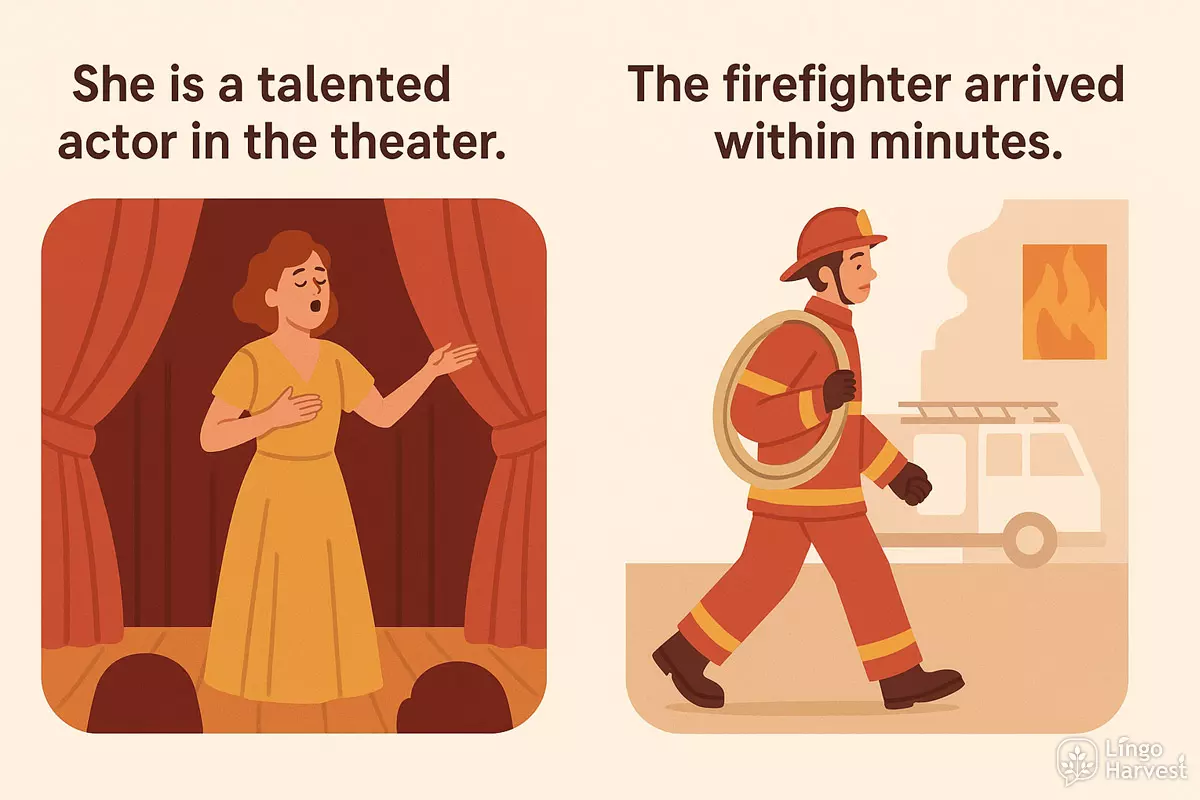
- Actor (for both men and women) → She is a talented actor in the theater.
- Firefighter (replacing fireman/firewoman) → The firefighter arrived within minutes.
- Police officer (instead of policeman/policewoman) → A police officer helped direct traffic.
- Server (rather than waiter/waitress) → Our server was very attentive.
- Spouse or partner (instead of husband/wife) → She came to the event with her partner.
- Chair or chairperson → The chair opened the meeting on time.
- Flight attendant → The flight attendant demonstrated the safety procedures.
- Representative (for congressman/congresswoman) → The representative addressed the voters.
- Parent (when gender is unspecified) → A parent must sign this form.
- Sibling (replacing brother/sister) → She invited her sibling to the ceremony.
- Child or offspring (not gender-specific) → Each child receives a certificate.
- Student (instead of schoolboy/schoolgirl) → Every student must bring an ID.
- Ancestor (as opposed to forefather) → One of her ancestors settled here centuries ago.
- Head or leader (for headmaster/headmistress) → The school leader announced the changes.
- Host (used for any gender) → The host welcomed everyone warmly.
- Person (as in salesperson, chairperson) → A salesperson assisted us in the store.
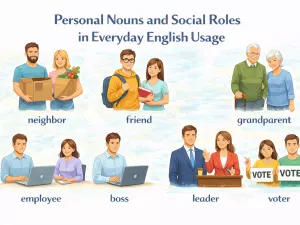
- Worker or employee (rather than workman/workwoman) → The employee completed the task.
- They/them as singular pronouns → If someone calls, tell them I’ll respond later.
Comparing Traditional and Neutral Terms
Sometimes, the shift to neutral language means updating job titles, relationship terms, or general descriptors. The table below highlights some common pairs where a neutral term is now preferred over gendered forms:
| Traditional Masculine/Feminine | Gender-Neutral Equivalent |
|---|---|
| Chairman / Chairwoman | Chairperson / Chair |
| Waiter / Waitress | Server |
| Husband / Wife | Partner / Spouse |
| Policeman / Policewoman | Police Officer |
| Steward / Stewardess | Flight Attendant |
| Fireman / Firewoman | Firefighter |
| Businessman / Businesswoman | Businessperson |
| Forefather | Ancestor |
| Salesman / Saleswoman | Salesperson |
| Headmaster / Headmistress | Head / Principal |
When to Use Neutral Language
Applying inclusive terminology is especially important in formal writing, public announcements, and situations where you don’t know how someone identifies. It also helps avoid stereotypes and recognizes the diversity of people’s roles and identities. While some traditional forms remain in use, the trend is clearly moving toward more flexible, neutral options that respect everyone.
Cultural change and inclusive language choices
Shifts in social attitudes have prompted English speakers to reconsider the use of gendered nouns. Where once terms like "fireman" or "stewardess" were standard, many now prefer neutral alternatives that avoid assuming gender and respect all identities. This evolution reflects broader awareness of equality and representation in language.
Why gender-neutral language matters
Choosing words that include everyone helps foster a sense of belonging and respect. It also avoids making assumptions about gender roles. As workplaces and communities grow more diverse, language adapts to reflect these values.
Common changes in noun usage
English speakers have adopted many alternatives to traditional masculine and feminine forms. Below are some widely used neutral options and their gendered counterparts:
- Actor → Actress becomes Actor (for all genders)
- Policeman/Policewoman → Police officer
- Chairman/Chairwoman → Chair or Chairperson
- Fireman → Firefighter
- Steward/Stewardess → Flight attendant
- Businessman/Businesswoman → Businessperson
- Mailman → Mail carrier or Postal worker
- Congressman/Congresswoman → Member of Congress
- Waiter/Waitress → Server
- Salesman/Saleswoman → Salesperson
- Landlord/Landlady → Property owner
- Manpower → Workforce
- Foreman → Supervisor
- Spokesman/Spokeswoman → Spokesperson
- Headmaster/Headmistress → Headteacher or Principal
- Gentleman’s agreement → Informal agreement
- Man-made → Artificial or Human-made
- Middleman → Intermediary
- Freshman → First-year student
Guidelines for inclusive word choices
Writers and speakers can make their language more welcoming by:
- Using neutral terms when referring to roles or professions
- Replacing “man” as a default with broader expressions (e.g., “humankind” instead of “mankind”)
- Being attentive to personal pronoun preferences
- Updating forms and documents to include non-binary options
- Challenging habits of using gendered language in everyday speech
The move toward more inclusive vocabulary is ongoing. It not only mirrors changes in society but also shapes how people see themselves and others. As English continues to evolve, so do the words we choose to represent everyone fairly.
Common mistakes with outdated gendered nouns
Many English speakers unintentionally use gender-specific job titles or terms that are now considered dated or exclusive. This often happens out of habit or because traditional forms feel familiar. However, shifting toward gender-neutral alternatives is important for clarity and inclusivity.
Examples of problematic gendered words
Certain nouns were once standard but now feel exclusionary. Using them can lead to misunderstandings or even offense, particularly in professional or academic contexts. Here are some common examples:
- Policeman → police officer
- Fireman → firefighter
- Stewardess → flight attendant
- Chairman → chairperson / chair
- Businessman → businessperson
- Mailman → mail carrier
- Waiter/Waitress → server
- Salesman → salesperson
- Actress → actor (for all genders)
- Congressman → member of Congress
- Landlord/Landlady → property owner
- Manpower → workforce / staff
- Foreman → supervisor
- Spokesman → spokesperson
- Gentlemen’s agreement → informal agreement
- Man-made → artificial / synthetic
- Heir/Heiress → heir (gender-neutral)
- Man the desk → staff the desk
Why these errors persist
Old habits, exposure to outdated materials, and unconscious bias all contribute to the ongoing use of gendered nouns. Even well-meaning speakers may not realize that certain words are no longer appropriate, especially if they learned English decades ago or primarily through older texts.
Quick reference: Outdated vs. inclusive forms
| Masculine | Feminine |
|---|---|
| Actor He is an actor in a famous movie. |
Actress She is an actress on a popular TV show. |
| Waiter The waiter brought our food quickly. |
Waitress The waitress took our order. |
| Prince The prince greeted the crowd. |
Princess The princess waved from the balcony. |
| Duke The duke owned a large estate. |
Duchess The duchess hosted a charity event. |
| King The king made an important announcement. |
Queen The queen attended the ceremony. |
| Host The host welcomed everyone to the show. |
Hostess The hostess showed us to our table. |
| Emperor The emperor ruled the empire for decades. |
Empress The empress supported the arts. |
| Son Her son started school this year. |
Daughter Their daughter loves drawing. |
| Father My father works from home. |
Mother His mother called him yesterday. |
| Brother My brother lives in Canada. |
Sister Her sister plays the piano. |
| Uncle My uncle told us a funny story. |
Aunt My aunt visits every summer. |
| Widower The widower lived alone after the loss. |
Widow The widow moved closer to her family. |
| Wizard The wizard cast a powerful spell. |
Witch The witch mixed a strange potion. |
| Lord The lord owned the castle. |
Lady The lady wore a beautiful dress. |
| Hero The hero saved the town. |
Heroine The heroine led the mission. |
| Monk The monk lived in a quiet monastery. |
Nun The nun worked at the school. |
| Groom The groom looked nervous before the ceremony. |
Bride The bride wore a white gown. |
| Stag A stag appeared near the forest edge. |
Doe A doe was feeding in the field. |
| Rooster The rooster crowed at dawn. |
Hen The hen laid an egg. |
| Bachelor He is still a bachelor. |
Spinster The old term “spinster” is rarely used today. |
Tips for avoiding outdated language
To use modern, respectful English, try these strategies:
- Replace gendered job titles with neutral forms whenever possible.
- Check for alternatives in official documents or style guides.
- When unsure, choose a broader or more descriptive term.
- Be open to feedback and willing to update your vocabulary.
Updating your language helps ensure that everyone feels included and respected, whether you’re writing, speaking, or teaching English.
Practice: update sentences to gender-neutral wording
Adapting traditional sentences to use gender-neutral language is a practical skill for modern English. This exercise focuses on identifying common masculine or feminine terms and transforming them into inclusive alternatives. By practicing with real examples, you can develop a more inclusive writing and speaking style.
Common Gendered Terms and Their Inclusive Alternatives
Many English words have historically been gender-specific, but today there are neutral options for most roles and titles. Here are some frequent examples:
- Chairman → Chairperson or Chair
- Fireman → Firefighter
- Policeman/Policewoman → Police officer
- Stewardess → Flight attendant
- Businessman/Businesswoman → Businessperson
- Mailman → Mail carrier or Postal worker
- Actor/Actress → Actor (for all genders)
- Waiter/Waitress → Server
- Congressman/Congresswoman → Member of Congress or Legislator
- Manpower → Workforce or Staff
- Salesman/Saleswoman → Salesperson or Sales associate
- Foreman → Supervisor
- Landlord/Landlady → Property owner or Lessor
- Spokesman/Spokeswoman → Spokesperson
- Freshman → First-year student
- Headmaster/Headmistress → Principal or Headteacher
- Man-made → Artificial or Human-made
- Brotherhood → Community or Fellowship
- Mothering/Fathering (as verbs) → Parenting
Exercise: Make Sentences Inclusive
Below are sentences using traditional gendered words. Try rewriting each sentence to remove unnecessary gender references.
- The chairman will begin the meeting at noon.
- Every fireman in the department attended the training.
- The mailman delivered the package this morning.
- The actress won an award for her performance.
- Each student should hand his paper to the teacher.
- The foreman supervised his team on the construction site.
- We need more manpower to finish this project.
- Is your landlord raising the rent again?
- The spokesman gave a statement to the press.
- My brotherhood at university was very supportive.
Show answers
- The chairperson (or chair) will begin the meeting at noon.
- Every firefighter in the department attended the training.
- The mail carrier (or postal worker) delivered the package this morning.
- The actor won an award for their performance.
- Each student should hand their paper to the teacher.
- The supervisor supervised their team on the construction site.
- We need more staff (or workforce) to finish this project.
- Is your property owner raising the rent again?
- The spokesperson gave a statement to the press.
- My community at university was very supportive.
Quick Reference Table: Gendered vs. Gender-Neutral Terms
| Gendered Term | Gender-Neutral Alternative |
|---|---|
| Chairman | Chairperson / Chair |
| Policeman / Policewoman | Police officer |
| Businessman / Businesswoman | Businessperson |
| Waiter / Waitress | Server |
| Mailman | Mail carrier |
| Foreman | Supervisor |
| Stewardess | Flight attendant |
| Headmaster / Headmistress | Principal |
| Spokesman / Spokeswoman | Spokesperson |
| Freshman | First-year student |
Consistently using inclusive wording helps avoid assumptions and makes communication accessible to all. With practice, updating sentences to reflect gender-neutral language becomes second nature.