Gender-Neutral Nouns in Modern English for Inclusive Language

 This article explains what gender-neutral nouns are, why they matter, and how to use them. It covers neutral job titles, people-first language, singular they, inclusive family terms, common mistakes, and offers practice revising sentences.
- What gender-neutral nouns are and why they matter
- Replacing traditional gendered job titles with neutral forms
- Using person and people for inclusive reference
- Singular they with gender-neutral noun phrases
- Gender-neutral family and relationship nouns
- Common mistakes with inclusive noun choices
- Practice: revise sentences using gender-neutral nouns
Language is always evolving to mirror shifts in social attitudes, especially in how we refer to others. Increasingly, people are adopting gender-neutral terms to avoid making assumptions and to ensure that communication is respectful and inclusive. This shift not only helps people feel acknowledged regardless of their gender identity but also encourages a more open and accepting environment in both personal and professional interactions. By choosing impartial language, we contribute to making society more welcoming for everyone.
What gender-neutral nouns are and why they matter
Inclusive language reflects social awareness and respect for all identities. In English, some words traditionally encode gender, which can unintentionally exclude or misrepresent people. Gender-neutral nouns are terms that do not specify a particular gender, making communication more inclusive, especially in professional, academic, and public contexts.
Understanding gender-specific and neutral terms
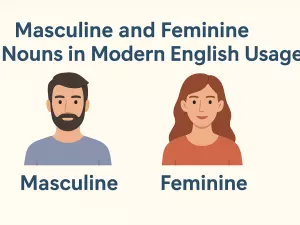
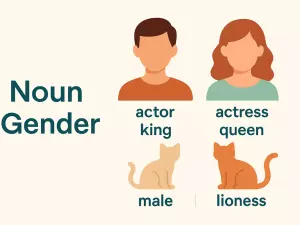
Many job titles, roles, and descriptors once defaulted to masculine or feminine forms. For example, “fireman” and “waitress” directly reference gender. In contrast, “firefighter” and “server” are neutral, describing the role without assuming identity. This shift in language helps avoid assumptions and creates a more welcoming environment for everyone, regardless of gender identity or expression.
- Person instead of man or woman
- Chairperson instead of chairman/chairwoman
- Flight attendant instead of stewardess/steward
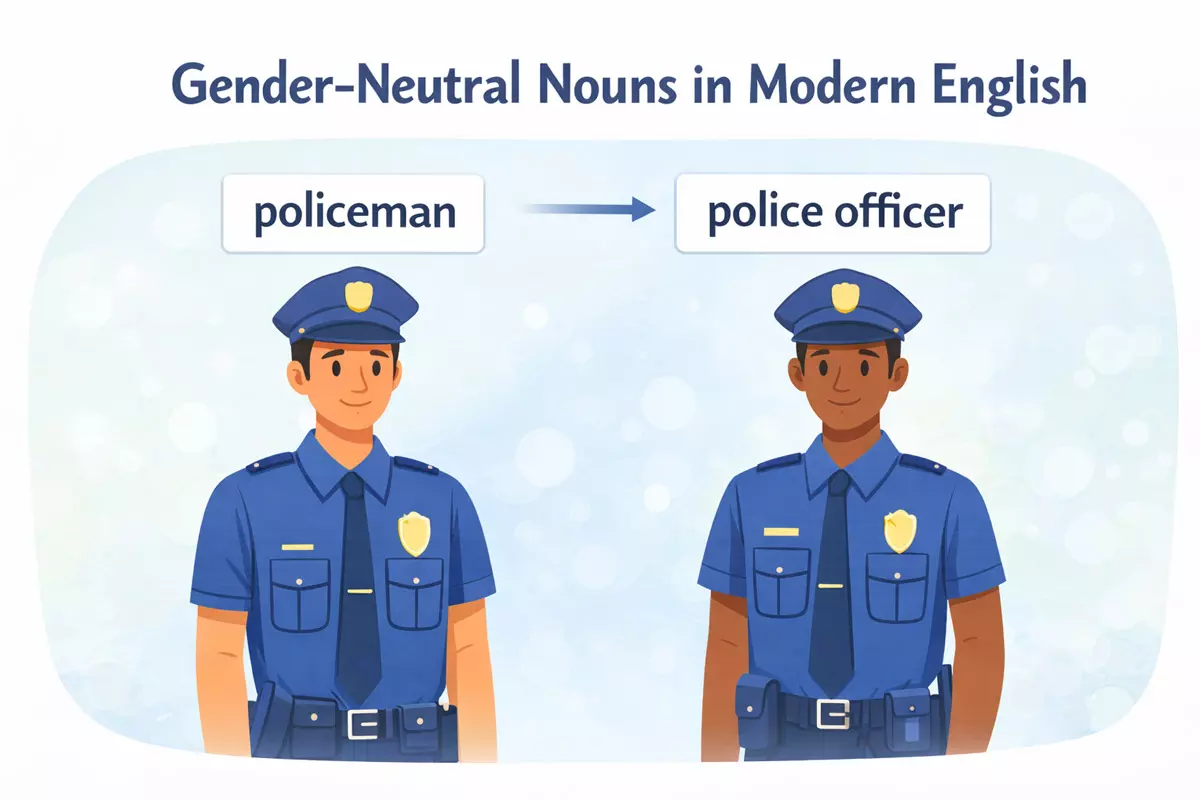
- Police officer instead of policeman/policewoman
- Spouse or partner instead of husband/wife
- Sibling instead of brother/sister
- Parent or caregiver instead of mother/father
- Humankind instead of mankind
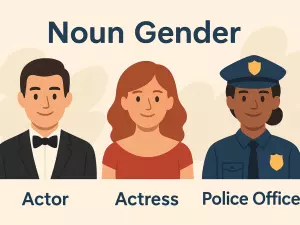
- Actor (for all genders) instead of actor/actress
- Server instead of waiter/waitress
- Chair instead of chairman/chairwoman (in some contexts)
- Representative instead of congressman/congresswoman
- Ancestor instead of forefather
- Businessperson instead of businessman/businesswoman
- First-year student instead of freshman
- Child instead of son/daughter
- They/them as singular pronouns when gender is unknown or irrelevant
- Partner instead of boyfriend/girlfriend
Why these words matter in daily communication
Choosing neutral alternatives isn’t just about avoiding offense. It recognizes the diversity of gender identities and fosters a sense of belonging. For instance, using “police officer” rather than “policeman” ensures that women and nonbinary individuals are not implicitly excluded from the role. This small shift in vocabulary can have a large impact on how people perceive themselves and how they are perceived by others.
As society evolves, so does language. Adopting terms that respect everyone’s identity is a practical way to promote fairness and equality in communication. It also aligns with modern workplace policies and educational guidelines aimed at reducing bias and supporting diversity.
Replacing traditional gendered job titles with neutral forms
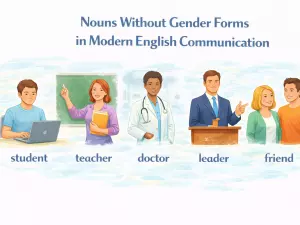
Modern English increasingly favors inclusive vocabulary, especially in the workplace. Many traditional occupational terms once included explicit references to gender, but these are now often replaced with forms that apply to any individual, regardless of identity. This shift not only supports equality but also helps avoid assumptions about who can or should perform a particular role.
Why move toward gender-neutral job titles?
Using more inclusive language in professional contexts removes unnecessary gender distinctions and acknowledges diversity. It also prevents inadvertent exclusion and can help create a more welcoming environment for everyone.
Common examples of updated job titles
Some professions have been especially prone to gendered terms. Here are several that have evolved:
- Fireman → Firefighter
- Policeman/Policewoman → Police officer
- Chairman/Chairwoman → Chair or Chairperson
- Steward/Stewardess → Flight attendant
- Mailman → Mail carrier or Postal worker
- Businessman/Businesswoman → Businessperson
- Congressman/Congresswoman → Member of Congress or Legislator
- Salesman/Saleswoman → Salesperson or Sales associate
- Actor/Actress → Actor (neutral usage for all genders)
- Waiter/Waitress → Server
- Landlord/Landlady → Property owner or Proprietor
- Foreman → Supervisor or Team lead
- Manpower → Workforce or Staff
- Craftsman/Craftswoman → Artisan or Craftsperson
- Spokesman/Spokeswoman → Spokesperson
- Repairman → Technician or Repair technician
- Anchorman/Anchorwoman → News anchor
- Gentleman’s agreement → Informal agreement
- Deliveryman → Delivery worker or Courier
- Middleman → Intermediary or Go-between
Comparison of gendered and neutral job titles
| Gendered Title | Inclusive Alternative |
|---|---|
| Fireman | Firefighter |
| Chairman | Chairperson / Chair |
| Mailman | Mail carrier |
| Salesman | Salesperson |
| Policeman | Police officer |
| Stewardess | Flight attendant |
| Repairman | Technician |
| Foreman | Supervisor |
| Spokesman | Spokesperson |
| Businessman | Businessperson |
By choosing expressions that do not specify or assume gender, speakers and writers can better reflect a modern, respectful approach to communication. This practice is now widely adopted in both official documents and everyday speech.
Using person and people for inclusive reference
When discussing individuals or groups in a way that avoids gender assumptions, words like person and people are frequently chosen for their neutrality and clarity. These terms naturally include everyone, regardless of gender, and are widely accepted in professional, academic, and everyday contexts. They serve as straightforward alternatives to gendered nouns such as “man,” “woman,” “mankind,” or “manpower.”
Why choose “person” and “people”?
Opting for these terms not only promotes inclusivity but also prevents ambiguity. For example, “businessperson” is clear and respectful, while “businessman” excludes women and nonbinary individuals. Similarly, “people” is often preferable to “men” when referring to groups whose gender is irrelevant.
Common inclusive alternatives
Here are some widely used gender-neutral expressions based on person and people:
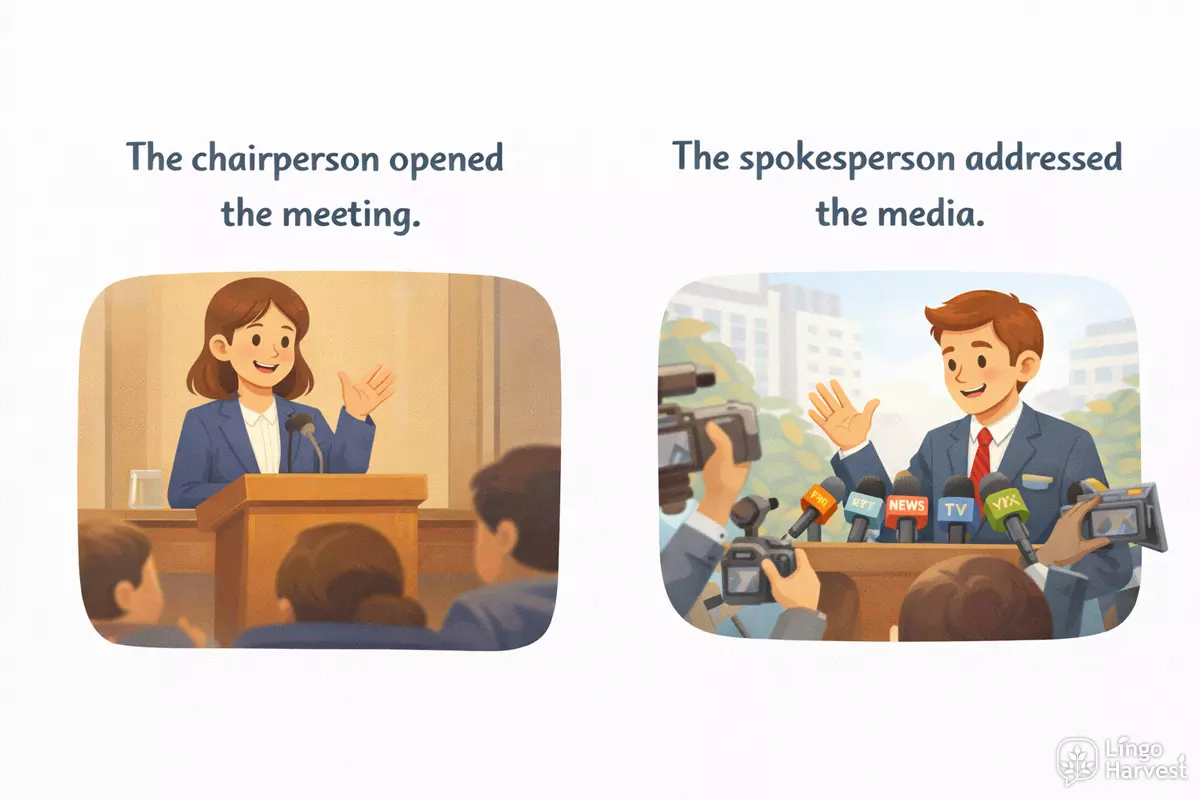
- Chairperson → The chairperson opened the meeting.
- Spokesperson → The spokesperson addressed the media.
- Salesperson → A salesperson helped us choose a laptop.
- Police officer → A police officer guided traffic.
- Firefighter → The firefighter rescued the family.
- Businessperson → The businessperson invested in a startup.
- Congressperson → The congressperson proposed a new bill.
- Layperson → For a layperson, the explanation was clear.
- Serviceperson → The serviceperson repaired the equipment.
- Fellow person → We should treat every fellow person with respect.
- Person of interest → The police questioned a person of interest.
- Person in charge → Ask the person in charge for approval.
- Staff person → A staff person answered my question.
- Support person → She acted as a support person during the process.
- Resource person → A resource person led the training session.
- People in general → People in general prefer clear instructions.
- Young people → Young people use technology daily.
- Elderly people → Elderly people often need extra assistance.
- People with disabilities → The building is accessible to people with disabilities.
- People of color → The program supports people of color in education.
Comparing inclusive and gendered forms
The table below highlights some common cases where a gender-neutral term is preferable to a traditional gendered form. Notice how the inclusive version applies to all regardless of gender identity.
| Gendered Term | Inclusive Alternative |
|---|---|
| Businessman / Businesswoman | Businessperson |
| Chairman / Chairwoman | Chairperson |
| Spokesman / Spokeswoman | Spokesperson |
| Manpower | Workforce / Personnel / People |
When to use singular or plural
Use person when referring to a single individual whose gender is unknown or irrelevant (“Each person should sign in”). Use people for groups (“People are encouraged to participate”). Both forms are widely understood and accepted, making them reliable choices for inclusive writing.
In summary, choosing these neutral nouns helps foster a respectful and open environment in both spoken and written English. This approach is now considered best practice in many workplaces, educational institutions, and public communications.
Singular they with gender-neutral noun phrases
English speakers increasingly use the pronoun “they” to refer back to a single person when the gender isn’t specified or is irrelevant. This use is especially common after words like “someone,” “anybody,” or other non-gendered references. The shift supports inclusivity, avoids assumptions, and reflects real-world language patterns.
Historically, “he” was used as a so-called generic pronoun, but today, “they” better aligns with principles of gender-neutral communication. This is particularly helpful when speaking about an unknown or hypothetical person, or when referring to individuals who prefer “they” as their pronoun. Here are some typical scenarios:
- If a student needs help, they should raise their hand.
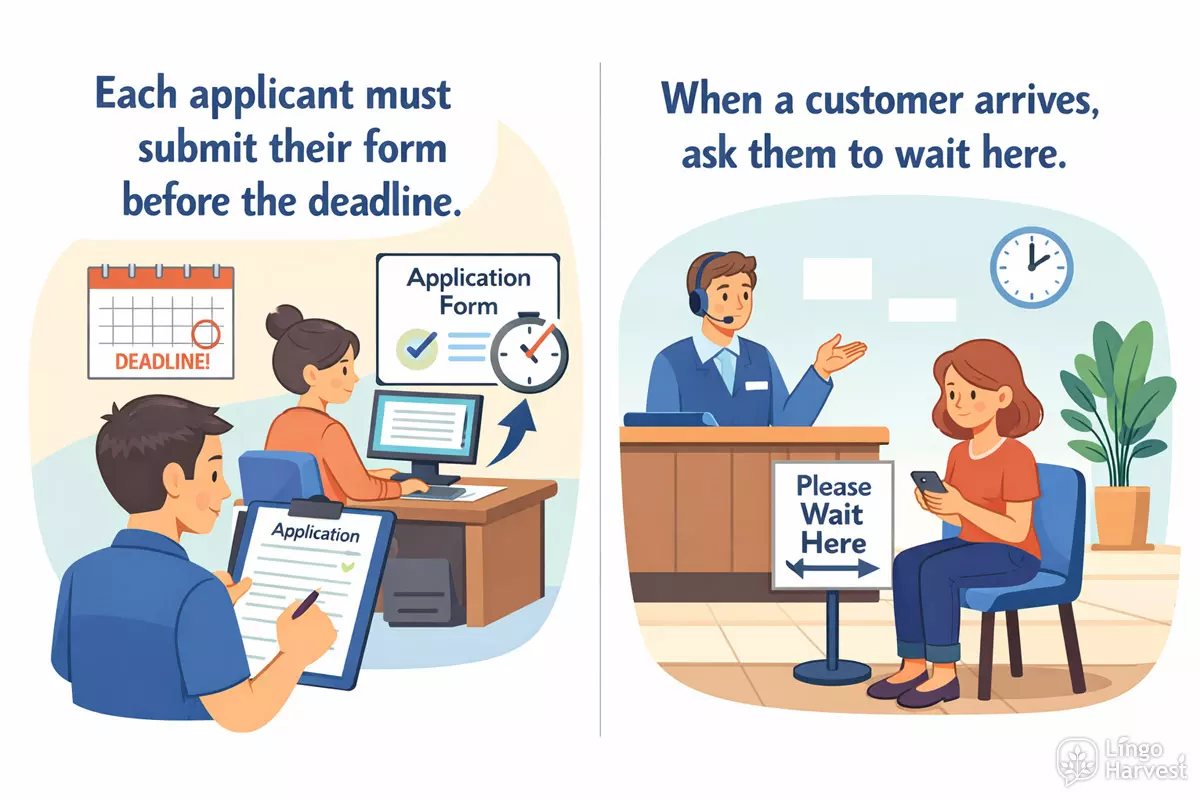
- Each applicant must submit their form before the deadline.
- When a customer arrives, ask them to wait here.
- Anyone who loses their ticket should contact the office.
- If a colleague is absent, notify their supervisor.
- Every participant should bring their own materials.
- If a child is feeling unwell, they should stay home.
- Ask the driver to park their car over there.
- When a reader finishes, they can return the book.
- Let each guest choose their seat.
- If a person wants to volunteer, they can sign up here.
- Every employee must update their password regularly.
- Tell any visitor that they must sign in at reception.
- If a member has questions, they should ask the facilitator.
- Every voter should bring their identification.
- If a neighbor needs assistance, offer them support.
- Each contestant will receive their number at check-in.
- When a user logs in, they see their dashboard.
Common patterns and agreement
The pronoun “they” takes plural verb forms even when it refers to a single person in these contexts. This can feel unusual to some, but it’s widely accepted and recommended by major style guides.
| Gender-Neutral Noun | Example with Singular “They” |
|---|---|
| Anyone | Anyone who calls should leave their number. |
| Student | If a student forgets, remind them politely. |
| Employee | Every employee must clock in when they arrive. |
| Person | If a person wants more information, they should ask. |
| Guest | Each guest can help themselves if they are hungry. |
| Child | If a child needs help, guide them carefully. |
Considerations for clarity and respect
Using “they” in these ways avoids awkward constructions like “he or she” and helps foster a more inclusive environment. It’s especially important when writing policies, instructions, or any communication intended for a broad audience. When referring to a specific person who uses “they/them” pronouns, this usage is not just grammatical—it’s respectful.
Gender-neutral family and relationship nouns
English speakers are increasingly seeking inclusive ways to describe family members and relationships, moving beyond traditional gendered language. Many people want to refer to relatives, partners, and connections without assuming or specifying gender, especially in diverse or blended households.
Common inclusive terms for family and relationships
For many common roles, neutral alternatives can help ensure everyone feels recognized. Some of these are well-established, while others are newer or used in specific communities. Here are several widely used options:
- Parent (instead of mother/father)
- Child (instead of son/daughter)
- Sibling (instead of brother/sister)
- Spouse or partner (instead of husband/wife)
- Grandparent (instead of grandmother/grandfather)
- Grandchild (instead of granddaughter/grandson)
- Sibling-in-law (for brother-in-law/sister-in-law)
- Parent-in-law (for mother-in-law/father-in-law)
- Step-parent/step-sibling/stepchild (all are neutral)
- Cousin (already gender-neutral)
- Nibling (informal, for niece/nephew)
- Pibling (informal, for aunt/uncle)
- Fiancé(e) alternatives: betrothed, intended, partner
- Godparent/godchild (already neutral)
- Co-parent (for anyone sharing parenting duties)
Comparing gendered and neutral family terms
| Gendered Term | Gender-neutral Alternative |
|---|---|
| Mother / Father | Parent |
| Son / Daughter | Child |
| Brother / Sister | Sibling |
| Husband / Wife | Spouse / Partner |
| Grandmother / Grandfather | Grandparent |
| Niece / Nephew | Nibling |
| Aunt / Uncle | Pibling |
| Mother-in-law / Father-in-law | Parent-in-law |
| Brother-in-law / Sister-in-law | Sibling-in-law |
| Stepbrother / Stepsister | Step-sibling |
Using inclusive language in everyday conversation
Choosing the right neutral vocabulary depends on context and personal preference. In formal writing, terms like parent or sibling are widely accepted. In conversation, some families develop their own words, such as pibling or nibling, which are gaining traction but may need explanation. When in doubt, asking which terms someone prefers is always a respectful approach.
Inclusive relationship vocabulary helps everyone feel acknowledged, regardless of gender identity or family structure. As language evolves, these terms make communication more welcoming for all.
Common mistakes with inclusive noun choices
Choosing more inclusive nouns can be trickier than it appears. Writers and speakers often fall into familiar patterns or overlook subtle issues when aiming for gender-neutral language. Below are some pitfalls and oversights to watch for when selecting or using inclusive terms.
Relying on outdated or pseudo-neutral terms
Some words are traditionally presented as neutral but still carry gendered connotations or a history of exclusion. For example, using manpower instead of workforce or staff can unintentionally reinforce stereotypes. It’s important to question whether a so-called neutral word truly fits an inclusive context.
Defaulting to masculine forms
Even with the intent to be neutral, masculine nouns or pronouns are sometimes used out of habit. For instance, referring to a generic person as he or a group as guys is still common, despite better alternatives being available.
Forgetting about pluralization and agreement
Switching to inclusive options like they/them can cause grammatical confusion, especially when writers are unsure how to match verbs or possessive forms. Remember that they takes plural verb forms, even when referring to a single person.
Awkward or forced constructions
Sometimes, attempts to be inclusive result in clunky phrases that disrupt readability, such as “he or she/he/she” or “s/he.” These constructions can be distracting and are less effective than natural-sounding alternatives.
Overlooking less obvious gendered nouns
Not all gendered terms are as obvious as policeman or chairman. Words like landlord or mankind can also exclude. Regularly reviewing language for subtle bias is essential.
Examples of commonly misused or replaced nouns
- Policeman → Police officer
- Stewardess → Flight attendant
- Chairman → Chair / Chairperson
- Fireman → Firefighter
- Mailman → Mail carrier
- Salesman → Salesperson / Sales associate
- Businessman → Businessperson / Entrepreneur
- Man-made → Synthetic / Artificial / Human-made
- Manpower → Workforce / Staff / Personnel
- Landlord → Property owner / Lessor
- Congressman → Member of Congress / Legislator
- Freshman → First-year student
- Mankind → Humankind / Humanity / People
- Brotherhood → Community / Fellowship
- Mothering → Parenting / Caring
- Father figure → Mentor / Role model
- Guys (for groups) → Everyone / Folks / All
- Man hours → Person hours / Work hours
Table: Comparison of Gendered vs. Inclusive Nouns
| Gendered Noun | Inclusive Alternative |
|---|---|
| Policeman | Police officer |
| Chairman | Chair / Chairperson |
| Mailman | Mail carrier |
| Manpower | Workforce / Personnel |
| Mankind | Humankind / Humanity |
| Fireman | Firefighter |
| Salesman | Salesperson |
| Stewardess | Flight attendant |
Summary tips to avoid errors
- Review for less obvious gendered vocabulary.
- Favor naturally inclusive terms over forced constructions.
- Check agreement when using singular “they.”
- Stay up to date with language trends and recommendations.
Small adjustments in word choice can make communication more welcoming and accurate. Staying aware of these frequent issues helps ensure your language is both current and genuinely inclusive.
Practice: revise sentences using gender-neutral nouns
Using gender-neutral nouns helps make language more inclusive and respectful of all identities. In this section, you'll find practical exercises to help you identify and update gendered terms in everyday sentences. This skill is valuable for both writing and speaking, especially in professional or academic settings.
Common Gendered Nouns and Their Inclusive Alternatives
Below is a list of frequently used gendered words alongside their neutral counterparts. Familiarizing yourself with these can make revising sentences much easier.
- Chairman → Chairperson or Chair
- Policeman/Policewoman → Police officer
- Fireman → Firefighter
- Stewardess/Steward → Flight attendant
- Businessman/Businesswoman → Businessperson
- Mailman → Mail carrier or Postal worker
- Salesman/Saleswoman → Salesperson or Sales associate
- Actor/Actress → Actor (for all genders) or Performer
- Waiter/Waitress → Server
- Foreman → Supervisor or Team lead
- Manpower → Workforce or Staff
- Landlord/Landlady → Property owner or Owner
- Spokesman/Spokeswoman → Spokesperson
- Congressman/Congresswoman → Member of Congress or Legislator
- Brotherhood → Fellowship or Community
- Mothering/Fathering → Parenting
- Gentleman’s agreement → Informal agreement
- Man-made → Artificial or Human-made
- Man hours → Person hours or Work hours
- Freshman → First-year student
Exercise: Update These Sentences
Try revising the following sentences by replacing gender-specific nouns with inclusive alternatives. This helps develop an instinct for bias-free language.
- The chairman called the meeting to order.
- Each fireman must complete the safety training.
- The mailman delivers letters every morning.
- Every student should contact his teacher if he has questions.
- The actress received her award last night.
- We need more manpower to finish the project on time.
- The landlord fixed the leaky faucet.
- All freshmen are invited to the orientation.
Show answers
- The chairperson (or chair) called the meeting to order.
- Each firefighter must complete the safety training.
- The mail carrier (or postal worker) delivers letters every morning.
- Every student should contact their teacher if they have questions.
- The actor (or performer) received their award last night.
- We need more staff (or workforce) to finish the project on time.
- The property owner (or owner) fixed the leaky faucet.
- All first-year students are invited to the orientation.
Tips for Spotting Gendered Language
Sometimes gendered terms are easy to miss. Look for words ending in -man, -woman, or those that refer to roles traditionally associated with one gender. When in doubt, consider if the noun could describe anyone, regardless of gender.
Regularly practicing these revisions will help you internalize more inclusive language for everyday use.