Noun Gender and People Words: Actor, Actress, Police Officer

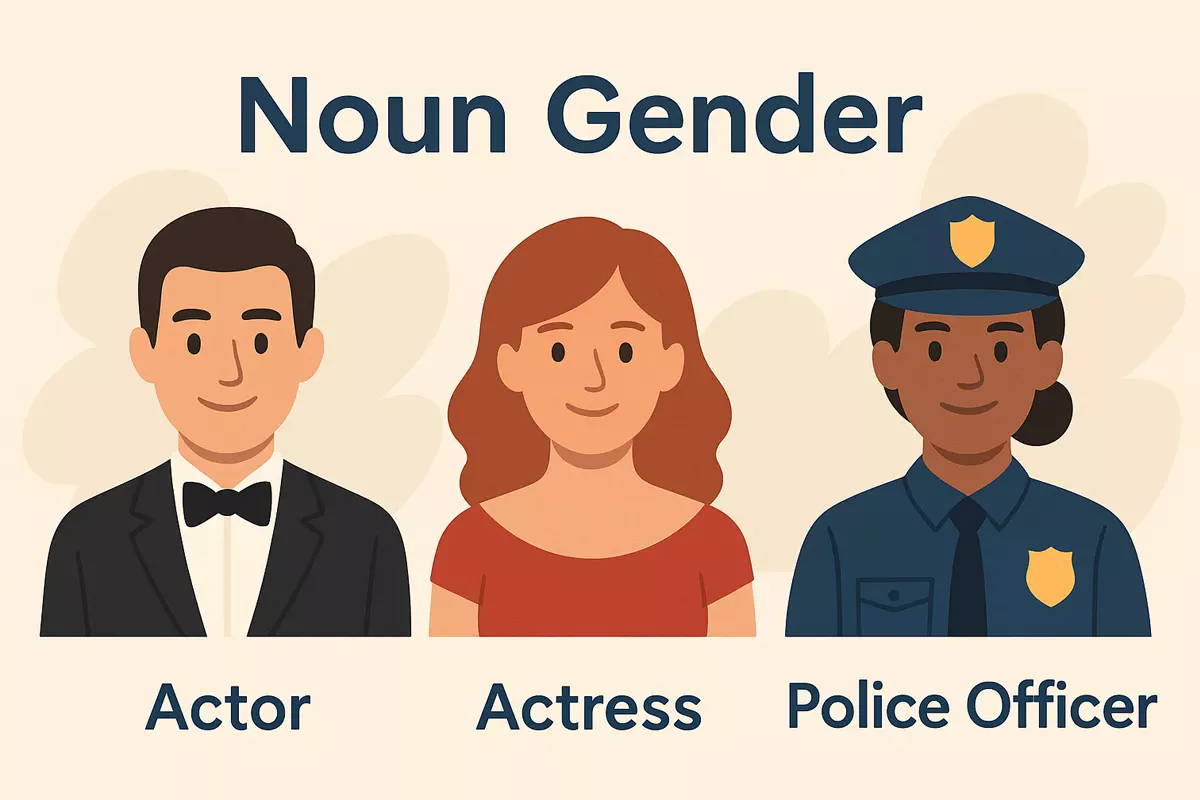 The article delves into how gender is expressed in nouns, contrasting traditional forms like "actor" and "actress" with modern, gender-neutral terms such as "police officer." It guides on when to use each form in speech, emphasizing the importance of context, whether…
Examining the intricacies of gendered language in professions such as acting and law enforcement provides insight into societal evolution and linguistic adaptation. The way we use terms like “actor,” “actress,” and “police officer” illustrates cultural shifts and shapes our understanding of gender roles. As society progresses, the language we use evolves, reflecting broader changes in how we perceive and define gender. This exploration highlights the power of language in influencing perceptions and underscores the importance of mindful communication in fostering gender equality.
Gender in Nouns: Basic Idea
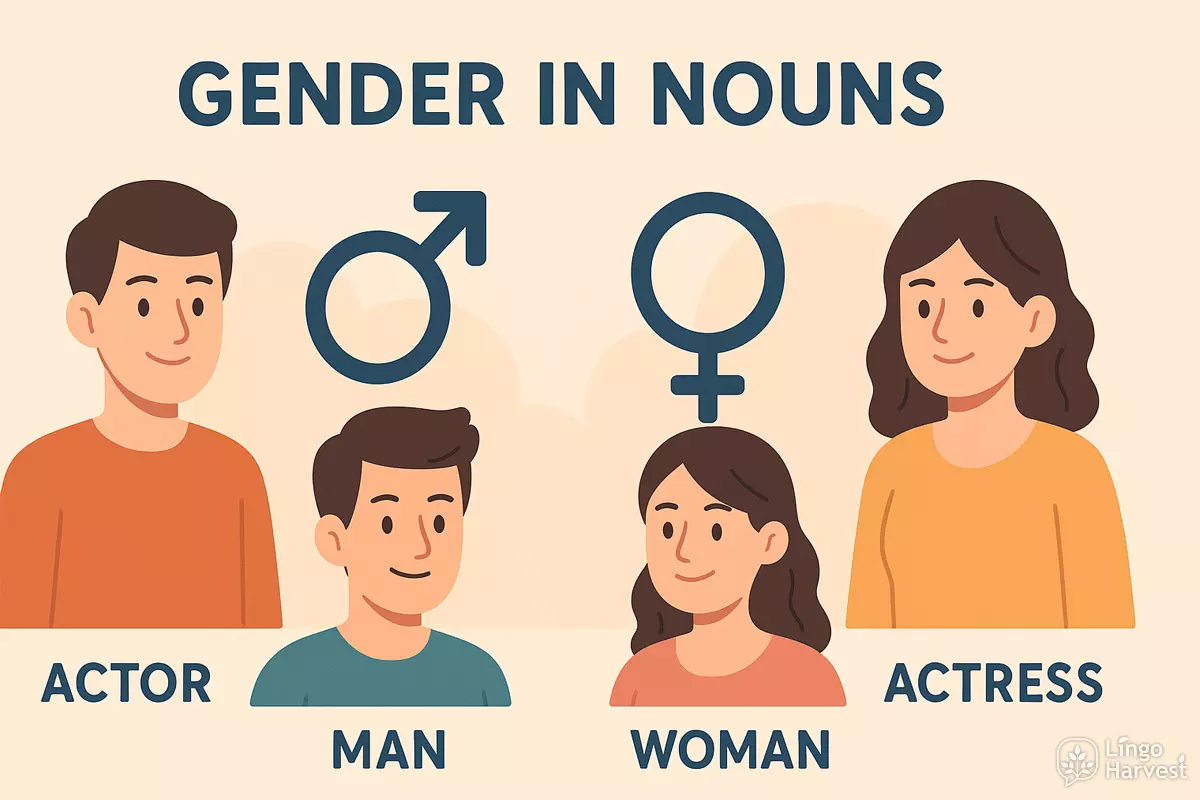
In many languages, nouns are assigned a gender, which can affect how they are used in sentences. In English, this concept is less prevalent but still exists, particularly in terms that describe people. Traditionally, certain roles or professions had distinct gender-specific nouns. For example, “actor” and “actress” were used to differentiate between male and female performers, respectively. However, language evolves, and so do the ways we refer to people in various roles.
The Evolution of Gendered Nouns
Over time, there has been a shift towards more inclusive language. This change is partly due to the recognition that gender-specific nouns can reinforce stereotypes. As a result, many professions now use gender-neutral terms. For instance, police officer is preferred over “policeman” or “policewoman.” This move not only promotes equality but also simplifies language use by reducing the need for multiple terms for the same role.
Examples of Gendered and Gender-Neutral Nouns
To better understand the transition from gendered to gender-neutral terms, consider the following examples:
- actor vs. “actress”: While actor is now commonly used for all genders, “actress” is still occasionally used to specify a female performer.
- “waiter” / “waitress” → server as a gender-neutral alternative.
- “chairman” / “chairwoman” → chairperson (or simply chair) to avoid gender specification.
- “steward” / “stewardess” → flight attendant as a neutral term for cabin crew.
Understanding the Impact
The use of gender-neutral language is more than just a linguistic trend; it reflects broader societal changes towards equality and inclusivity. By choosing words that do not specify gender, we acknowledge and respect the diversity of identities within our communities. This shift also helps dismantle outdated stereotypes, allowing individuals to define themselves beyond traditional gender roles. In conclusion, while English does not heavily rely on grammatical gender, the choice of words we use to describe people in various professions can have significant social implications. Embracing gender-neutral terms is a step towards a more inclusive and equitable society.
Traditional Gendered Forms
Historically, languages have used gender-specific nouns to distinguish between male and female roles, reflecting cultural norms and expectations of the time. In English, this often meant creating separate forms of the same noun to indicate gender. For example, the term actor traditionally referred to a male performer, while the feminine form “actress” was used for women. Similarly, many professions once had distinct gendered labels, highlighting the different roles that men and women were expected to occupy in society.
Common Gendered Nouns
- Actor / Actress
- Waiter / Waitress
- Host / Hostess
- Prince / Princess
- Steward / Stewardess
- Hero / Heroine
- Governor / Governess
- Comedian / Comedienne
- Widower / Widow
- God / Goddess
- Emperor / Empress
- Baron / Baroness
- Count / Countess
- Duke / Duchess
- Wizard / Witch
- Master / Mistress
- Lad / Lass
Impact on Language and Society
These gender distinctions in language have historically reinforced certain stereotypes and roles within society. The differentiation often implied that the male version of a noun was the default or more prestigious role. As society evolves, there is a growing movement to use more gender-neutral language to promote equality and inclusivity. Terms such as police officer or flight attendant replace older, gender-specific forms like “policeman/policewoman” and “steward/stewardess,” reflecting a shift toward recognizing individuals for their roles regardless of gender.
While some gendered nouns are still in use today, their relevance is diminishing as awareness of gender inclusivity grows. English, like many other languages, is adapting by adopting more neutral terms that emphasize equality and inclusivity over traditional gender distinctions.
Modern Gender-Neutral Alternatives
In today’s evolving linguistic landscape, there’s a strong emphasis on inclusive language that respects all identities. This shift has led to the adoption of gender-neutral terms in place of traditional gendered nouns. For example, many style guides now use actor for all performers, while noting that “actress” is still used in some contexts.
Common Gender-Neutral Terms
Below are widely accepted neutral options and the older gendered forms they replace:
- police officer → “policeman” / “policewoman”
- firefighter → “fireman” / “firewoman”
- flight attendant → “steward” / “stewardess”
- server → “waiter” / “waitress”
- chair / chairperson → “chairman” / “chairwoman”
- mail carrier / letter carrier → “mailman” / “mailwoman”
- salesperson → “salesman” / “saleswoman”
- businessperson → “businessman” / “businesswoman”
- bartender → “barman” / “barmaid”
- spokesperson → “spokesman” / “spokeswoman”
- actor → “actress” (traditional feminine form)
- humankind → “mankind”
- first-year student → “freshman”
- artificial / synthetic (materials) → “man-made”
Note: Some people may still self-identify with gendered terms (e.g., “actress”). When in doubt, use the neutral form or the individual’s stated preference.
- Firefighter: Replaces "fireman" or "firewoman," focusing on the role rather than the gender.
- Police Officer: Offers an alternative to "policeman" or "policewoman," emphasizing the job function.
- Chairperson or Chair: These terms are used instead of "chairman" or "chairwoman."
- Flight Attendant: A gender-neutral term that replaces "stewardess" or "steward."
Benefits of Gender-Neutral Language
Adopting gender-neutral language offers several advantages. Firstly, it helps dismantle stereotypes by focusing on roles and responsibilities rather than gender. This can lead to more equitable treatment in professional and social settings. Secondly, it fosters inclusivity, making everyone feel acknowledged and respected, regardless of their gender identity. Lastly, it simplifies communication by reducing the need for multiple terms for the same role.
Comparison of Traditional and Gender-Neutral Terms
To better understand the shift, consider the following examples of traditional gender-specific terms and their modern, inclusive counterparts:
| Traditional Term | Gender-Neutral Term |
|---|---|
| Actor/Actress | Actor |
| Policeman/Policewoman | Police Officer |
| Chairman/Chairwoman | Chairperson/Chair |
| Steward/Stewardess | Flight Attendant |
Gender-neutral language is more than just a trend; it's a reflection of society's commitment to equality and acceptance. By embracing these terms, we contribute to a more inclusive environment, both in language and in practice. As language continues to evolve, so too will our understanding and application of these inclusive alternatives, further promoting a culture of respect and equality.
When to Use Which Form in Real Speech
Knowing when to use gender-specific nouns (such as actor and actress) versus gender-neutral terms (such as police officer) is an important part of clear and respectful communication. In modern English, language choices can reflect inclusivity and consideration for individual identity. Below are guidelines to help you choose the right form in real interactions.
Context Matters
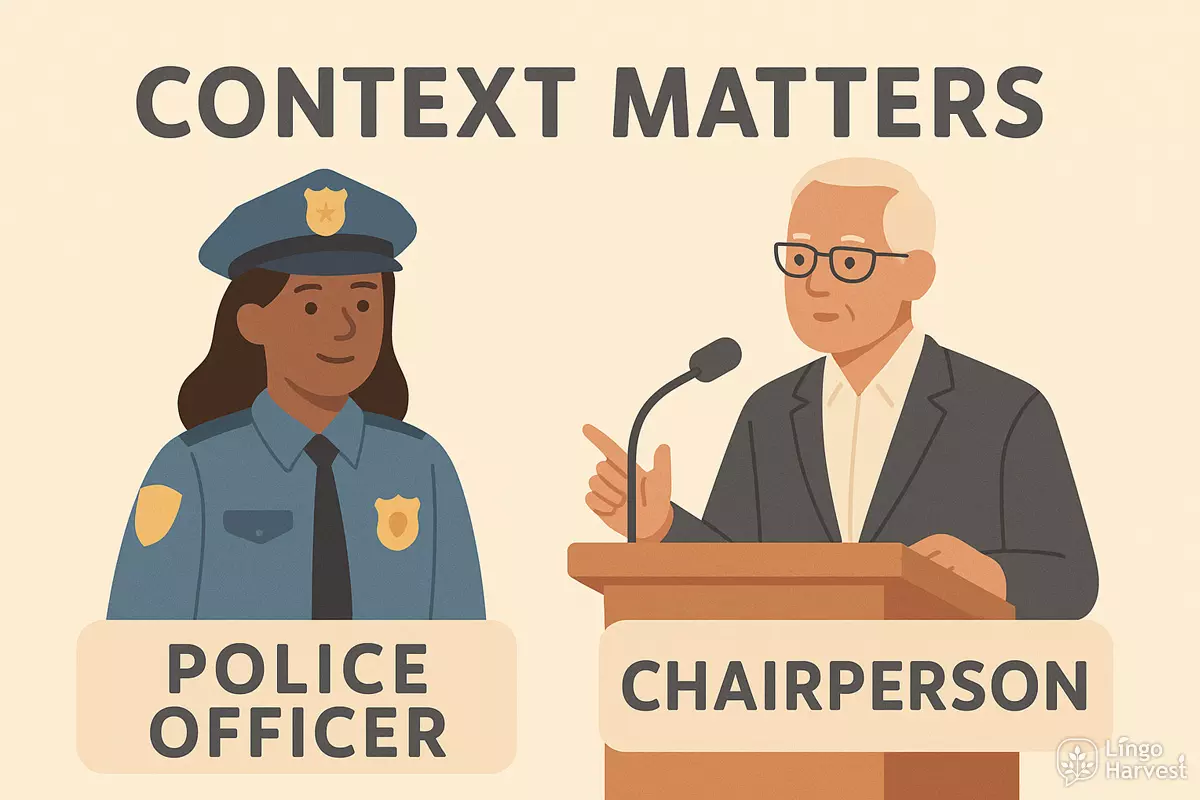
The situation or setting often influences word choice. In most formal or professional contexts, gender-neutral terms are preferred because they avoid assumptions and apply to everyone. For example, in official documents or public speaking, saying police officer or chairperson is more appropriate than older gendered alternatives.
Personal Preferences
When referring to a specific person, their preference is what matters most. Some performers, for example, may prefer the term actress, while others use actor regardless of gender. If you’re unsure, you can:
- Use the person’s name: Emma Stone is starring in the film.
- Use the neutral term by default: actor is now widely accepted for all genders.
- Ask politely if the context allows.
Common Scenarios and Recommendations
Here are practical suggestions for everyday usage:
- Professional or public communication: Choose neutral terms such as police officer, firefighter, server, businessperson.
- Arts and entertainment: Actor is now commonly used for all genders, though actress is still used by some individuals and award categories.
- Writing for media or education: Prefer neutral language unless the gender is specifically relevant to the context.
Adapting to Changes
Language evolves with culture. Staying aware of current usage trends helps ensure communication remains respectful and clear. Paying attention to how professionals and communities refer to themselves, being open to feedback, and adjusting your language accordingly shows awareness and consideration.
Context Matters: Formal vs Casual Use
Choosing between gendered nouns and neutral terms depends on context. In formal settings (legal documents, professional communication), gender-neutral terms are preferred for inclusivity. For example, police officer is commonly used instead of “policeman” or “policewoman” to include all genders without bias. This aligns with the broader shift toward language that respects all identities. In casual contexts, traditional terms may still appear: people might say “actress” when discussing a female performer. Use judgment and pick words that match your audience’s expectations and values.
Gendered Terms in Different Contexts
The choice between gender-specific and gender-neutral options is shaped by culture and personal preference. Typical patterns:
- actor vs. “actress”: In professional contexts, actor is widely used for all genders; “actress” remains common in informal speech and some award categories.
- chair / chairperson vs. “chairman”: In formal contexts, chair or chairperson avoids gender marking; “chairman” persists in some traditional or informal uses.
- flight attendant vs. “stewardess”: flight attendant is the accepted professional term; “stewardess” is outdated and less inclusive.
Balancing Tradition and Modernity
Language evolves with society. Some prefer traditional labels for familiarity, while others favor modern, inclusive terms. Aim for respect and clarity: default to neutral forms in formal or mixed audiences, and honor an individual’s stated preference when referring to a specific person.
Practice: Replace with Neutral Variants
Using gender-neutral language helps ensure our speech and writing are respectful and inclusive. The goal is not to remove meaning, but to avoid unnecessary assumptions about gender. Below, you’ll practice replacing traditional gendered nouns with more neutral alternatives.
Understanding Gender-Neutral Terms
Gender-neutral terms do not indicate male or female identity. They are especially useful in professional, academic, and public communication. For example, instead of saying "actress", many now use "actor" for all genders. Likewise, "police officer" replaces "policeman" or "policewoman".
Common Gender-Neutral Alternatives
- Actor → instead of “actress”
- Chairperson / Chair → instead of “chairman / chairwoman”
- Firefighter → instead of “fireman”
- Flight attendant → instead of “steward / stewardess”
- Server → instead of “waiter / waitress”
- Postal worker → instead of “mailman”
- Police officer → instead of “policeman / policewoman”
- Parent → instead of “mother / father” when gender is not relevant
- Spouse / Partner → instead of “husband / wife” in general reference
Practice Exercises
Rewrite each sentence using a gender-neutral term.
- The actress thanked the audience for their support.
- The chairman opened the conference.
- Her brother wants to be a fireman when he grows up.
- The stewardess helped the passengers find their seats.
- The waitress brought our food to the table.
Show answers
- The actor thanked the audience for their support.
- The chairperson opened the conference.
- Her brother wants to be a firefighter when he grows up.
- The flight attendant helped the passengers find their seats.
- The server brought our food to the table.
Bonus Exercise: Replace and Rewrite
Try to replace the gendered term and rewrite the full sentence smoothly:
- The mailman delivered the package.
- My husband works as a doctor. (Hint: Use “spouse” or “partner” if gender is not important.)
- The policeman directed the traffic.
Show possible answers
- The postal worker delivered the package.
- My spouse works as a doctor. / My partner works as a doctor.
- The police officer directed the traffic.
With practice, choosing neutral vocabulary becomes natural. This skill not only improves clarity in communication but also supports respectful and inclusive language use.