How Parts of Speech Interact in Sentences

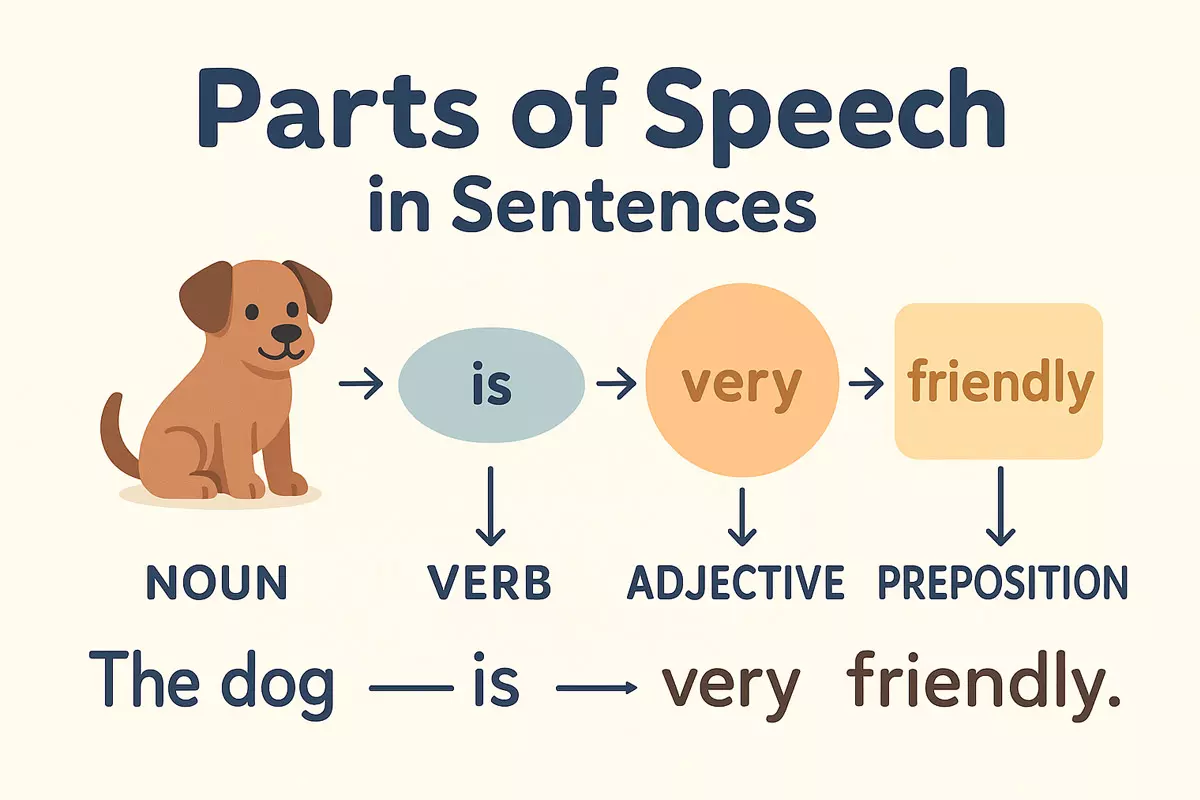 Here we how sentences are built, the roles of nouns, verbs, and adjectives, and how function words work. It also provides examples, common sentence patterns, errors to avoid, and a short practice on building sentences.
Every sentence functions as a small ecosystem, with words taking on specific roles to collectively convey meaning. By recognizing how grammatical categories interact and affect one another, we can develop communication that is not only clearer but also more expressive. This awareness allows us to choose our words and structures more thoughtfully, resulting in writing and speech that effectively deliver our intended message and resonate with our audience. Ultimately, mastering these connections leads to greater precision and nuance in language use.
How Sentences Are Built
Understanding the way words combine is essential for grasping the structure of language. Every statement, question, or command is formed by arranging different types of words—known as parts of speech—according to certain patterns. These patterns determine meaning, clarity, and even the tone of communication.
The Role of Parts of Speech in Structure
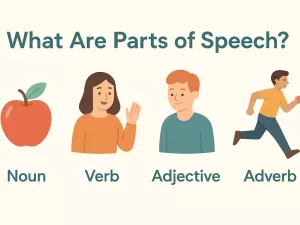
Each part of speech serves a unique function within a sentence. Nouns often act as the subject or object, while verbs express actions or states. Adjectives and adverbs provide detail, and prepositions show relationships. When these elements interact, they create logical, meaningful statements. Here are some common ways these components work together:
- Noun + Verb: Cats run.
- Adjective + Noun + Verb: Happy children laugh.
- Noun + Verb + Object: Birds eat seeds.
- Pronoun + Verb: She sings.
- Noun + Verb + Prepositional Phrase: Students read in class.
- Adjective + Noun + Verb + Adverb: Curious dogs bark loudly.
- Interjection + Sentence: Wow, that’s amazing!
- Conjunction Joining Clauses: Tom smiled and waved.
- Noun + Linking Verb + Adjective: The sky is blue.
- Subject + Modal Verb + Main Verb: We can swim.
Sentence Building Patterns
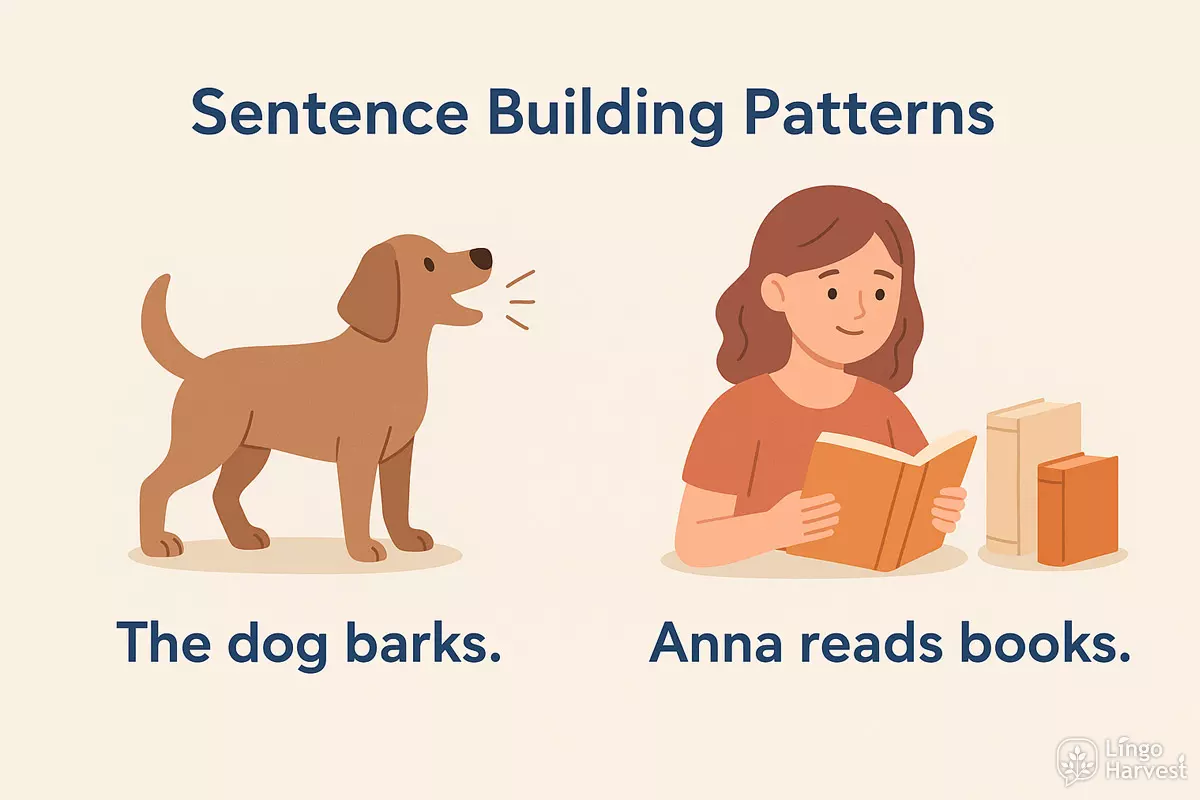
Certain combinations of parts of speech are especially common. These patterns help speakers and writers express ideas clearly and efficiently. Below is a table outlining a few typical sentence structures and how different word types interact within them:
| Pattern | Example Sentence |
|---|---|
| Subject + Verb | The dog barks. |
| Subject + Verb + Object | Anna reads books. |
| Subject + Linking Verb + Complement | The soup is hot. |
| Subject + Verb + Indirect Object + Direct Object | He gave her flowers. |
| Subject + Verb + Adverbial | They walk quickly. |
| Compound Sentence (Clause + Conjunction + Clause) | I finished my work, and I went home. |
How Different Elements Connect
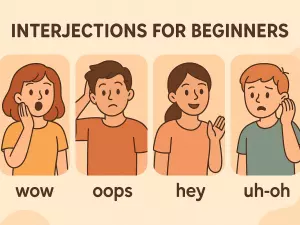
Word order and connection are crucial. For example, adjectives usually come before the noun they describe, while adverbs can move around the verb. Prepositions link nouns to other words, and conjunctions join clauses or items in a list. Interjections express emotion but stand apart from the main structure. By mastering how these elements interact, you can build sentences that are both accurate and expressive.
Role of Nouns in Sentences
Nouns are the building blocks that give sentences their meaning by naming people, places, things, or ideas. They answer questions like "who?" and "what?" in a statement, allowing other word types to interact with them in various ways. Without these naming words, it would be difficult to identify the subject or object of an action, or to make reference to specific concepts.
Core Functions of Nouns
- Subject: The main actor or topic in a sentence. Example: The cat sleeps.
- Object: Receives the action of the verb. Example: She fed the dog.
- Indirect Object: Indicates to whom or for whom something is done. Example: He gave Maria a gift.
- Complement: Renames or describes the subject. Example: My brother is a doctor.
- Object of a Preposition: Completes a prepositional phrase. Example: They sat on the bench.
Interactions with Other Parts of Speech
Nouns work together with verbs, adjectives, articles, and prepositions to form meaningful statements. For instance, adjectives modify nouns to give additional details, while articles specify whether the noun is definite or indefinite. Prepositions link nouns to other words, creating relationships like location or direction.
| Function | Example Sentence |
|---|---|
| Subject | Birds sing in the morning. |
| Direct Object | She reads books. |
| Indirect Object | He sent his friend a postcard. |
| Object of Preposition | The cat jumped over the fence. |
| Complement | Her dream is freedom. |
Types of Nouns Commonly Used
- Proper nouns (e.g., Sarah, Paris)
- Common nouns (e.g., city, teacher)
- Abstract nouns (e.g., happiness, courage)
- Collective nouns (e.g., team, flock)
- Countable nouns (e.g., apple, car)
- Uncountable nouns (e.g., water, information)
- Concrete nouns (e.g., chair, mountain)
- Possessive nouns (e.g., John's, children's)
- Compound nouns (e.g., toothpaste, basketball)
- Gerund nouns (e.g., swimming, reading)
In summary, naming words play essential roles in sentence construction, interacting with other word classes to clarify who or what is involved, what is happening, and in what context. Their flexibility and variety make them central to clear communication and effective sentence structure.
Role of Verbs and Adjectives
Verbs and adjectives both play essential parts in shaping the meaning and structure of sentences. While verbs typically express actions, events, or states of being, adjectives provide descriptive detail, often modifying nouns to clarify or add nuance. Understanding how these two parts of speech interact with other elements helps make communication clearer and more precise.
How Verbs Drive Sentence Structure
The verb is often considered the core of a sentence. It determines what is happening and may dictate the presence of other sentence components like objects, complements, or adverbs. For example, the verb "give" requires both a direct and indirect object ("She gave him a book"), while "sleep" does not ("He slept").
- Action verbs: run, jump, write, build
- Stative verbs: know, believe, love, seem
- Transitive verbs: need objects (e.g., "eat an apple")
- Intransitive verbs: do not need objects (e.g., "arrive")
- Linking verbs: connect the subject to a description (e.g., "be," "become")
Adjectives: Adding Detail and Clarity
Describing words like adjectives modify nouns or pronouns, offering details such as size, color, quantity, or emotion. Their placement and choice can change the focus or tone of a sentence significantly. For instance, "a happy child" emphasizes mood, while "a tall child" focuses on physical attributes. Common adjective categories include:
- Descriptive: bright, noisy, gentle, ancient
- Quantitative: several, many, few, ten
- Demonstrative: this, that, these, those
- Possessive: my, your, their, its
- Interrogative: which, what, whose
- Comparative: bigger, more interesting
- Superlative: best, smallest, most valuable
Interaction Between Verbs and Adjectives
Verbs and adjectives are closely linked in many constructions. Linking verbs, for example, often connect subjects to adjectives that describe them ("The cake smells delicious"). Some adjectives are only used after certain verbs (predicative adjectives), while others can appear before the noun (attributive adjectives).
| Verb Type | Adjective Usage | Example Sentence |
|---|---|---|
| Linking verb | Predicative adjective | The sky looks blue. |
| Action verb | Attributive adjective | She wore a red dress. |
| Stative verb | Predicative adjective | He feels tired. |
| Transitive verb | Attributive adjective for object | They built a new house. |
Key Points to Remember
- Verbs establish the main action or state and often determine sentence structure.
- Adjectives modify nouns or pronouns, providing specificity and detail.
- Some adjectives only appear after linking verbs (e.g., "afraid" in "She is afraid").
- Careful pairing of verbs and adjectives ensures clarity and precision in communication.
This interplay between describing words and action words is fundamental to constructing clear, effective sentences.
How Function Words Help
Function words serve as the glue that holds sentences together, shaping the relationships between content words like nouns, verbs, and adjectives. These small but crucial words include prepositions, conjunctions, articles, pronouns, auxiliary verbs, and more. Rather than carrying meaning on their own, they indicate how other parts of speech interact, clarifying the structure and intention behind a sentence.
Key Roles in Sentence Structure
Function words clarify who is doing what to whom, when, and how. For example, prepositions show location or time (“on the table,” “after lunch”), while conjunctions connect ideas (“and,” “but,” “although”). Articles (“the,” “a,” “an”) specify nouns, and pronouns replace them to avoid repetition. Without these elements, sentences become ambiguous or ungrammatical.
- Articles: the, a, an
- Prepositions: in, on, at, by, with, about
- Conjunctions: and, or, but, so, because
- Pronouns: he, she, it, they, who
- Auxiliary verbs: is, are, have, do, will
- Determiners: this, that, these, those
- Particles: up, off, out, over
- Modal verbs: can, may, must, might
- Relative pronouns: which, that, whose
- Interrogative words: who, what, where, when, why, how
Connecting Meaning: Examples in Action
Notice how the presence or absence of these elements changes the sense of a phrase:
- She reads book. ❌ (unclear, missing article)
- She reads a book. ✅ (clear, with article)
- Cats dogs play park. ❌ (confusing without prepositions/conjunctions)
- Cats and dogs play in the park. ✅ (clear relationships)
Comparison of Content and Function Words
| Content Words | Function Words |
|---|---|
| Carry main meaning (nouns, verbs, adjectives, adverbs) | Show grammatical relationships (prepositions, articles, conjunctions, pronouns, etc.) |
| Example: “dog,” “run,” “beautiful” | Example: “the,” “and,” “in,” “she” |
| Can stand alone in lists | Rarely used alone; depend on other words |
| Change form for tense, number, or degree | Usually fixed forms |
Why They Matter
Grammatical words are essential for clarity and flow. They prevent confusion, make connections explicit, and allow speakers and writers to express complex ideas efficiently. Mastery of these words enables more precise and natural communication, especially when combining different parts of speech in longer or more intricate sentences.
Examples of Word Interaction
When we look at how different parts of speech work together in sentences, patterns emerge that show their specific roles and relationships. Understanding these combinations helps us see why sentences make sense, how meaning is built, and how words relate to each other.
Common Ways Parts of Speech Combine
- Noun + Verb: The cat sleeps. (Subject and action)
- Adjective + Noun: Bright stars (Description and object)
- Adverb + Verb: Runs quickly (How the action is performed)
- Pronoun + Verb: She laughs. (Substitute subject)
- Noun + Preposition + Noun: Book on table (Relationship/location)
- Verb + Direct Object: Eat apples (Action and receiver)
- Conjunction + Clause: But he stayed. (Connecting ideas)
- Determiner + Noun: Each student (Specifying the noun)
- Interjection + Sentence: Wow, that’s amazing! (Expressing emotion)
- Adverb + Adjective: Very tall (Intensifying description)
- Verb + Prepositional Phrase: Walked through the park (Adding detail to action)
- Pronoun + Adverb: They often (Subject and frequency)
- Adjective + Pronoun: Many of them (Quantifying the subject)
- Verb + Indirect Object + Direct Object: Gave her a gift (Who receives what)
- Conjunction + Noun: And dogs (Listing items)
Structured Patterns in Sentences
Some parts of speech interact in highly structured ways. For example, verbs often require specific types of objects or modifiers. The table below demonstrates several typical sentence structures and how the main elements relate.
| Pattern | Example |
|---|---|
| Noun + Verb + Object | The dog chased the ball. |
| Adjective + Noun + Verb | Happy children sing. |
| Pronoun + Verb + Prepositional Phrase | She sat on the chair. |
| Adverb + Verb + Adjective + Noun | Quickly found the missing keys. |
| Determiner + Adjective + Noun + Verb | These old books remain valuable. |
Key Takeaways
The interaction of word classes is what gives sentences their structure and clarity. By noticing these patterns, we can better understand both simple and complex sentences, and improve our ability to communicate ideas accurately.
Common Sentence Patterns
Understanding the basic ways words combine gives you a foundation for both analyzing and building clear, effective statements. Each element—nouns, verbs, adjectives, and more—takes on specific roles, and the order in which they appear can drastically change meaning.
Core Arrangements in English Sentences
Most English sentences are structured around a subject and a verb. Sometimes, additional parts like objects or complements are included. Here are some typical frameworks that show how different parts of speech interact:
- Subject + Verb: She sings.
- Subject + Verb + Object: The cat chased the mouse.
- Subject + Verb + Complement: The sky is blue.
- Subject + Verb + Indirect Object + Direct Object: He gave his friend a gift.
- Subject + Verb + Adverbial: The children laughed loudly.
- Subject + Verb + Object + Complement: They elected him president.
- Inverted (Verb + Subject): Here comes the bus.
- Question Form: Did you see that?
- Imperative (Verb only): Sit down.
- Compound Subjects: My brother and I went home.
- Compound Predicates: She washed the dishes and dried them.
- Passive Voice: The letter was written by Sam.
- Expletive Construction: There are many books on the table.
- Subject + Modal + Verb: You should study.
- Subject + Verb + Prepositional Phrase: Birds fly in the sky.
- Subject + Verb + Object + Prepositional Phrase: She placed the vase on the shelf.
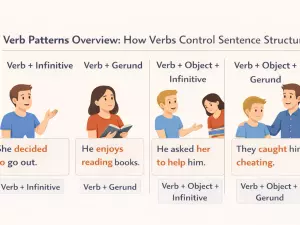
- Subject + Verb + Infinitive: They want to leave.
- Subject + Verb + Gerund: He enjoys swimming.
How Sentence Elements Work Together
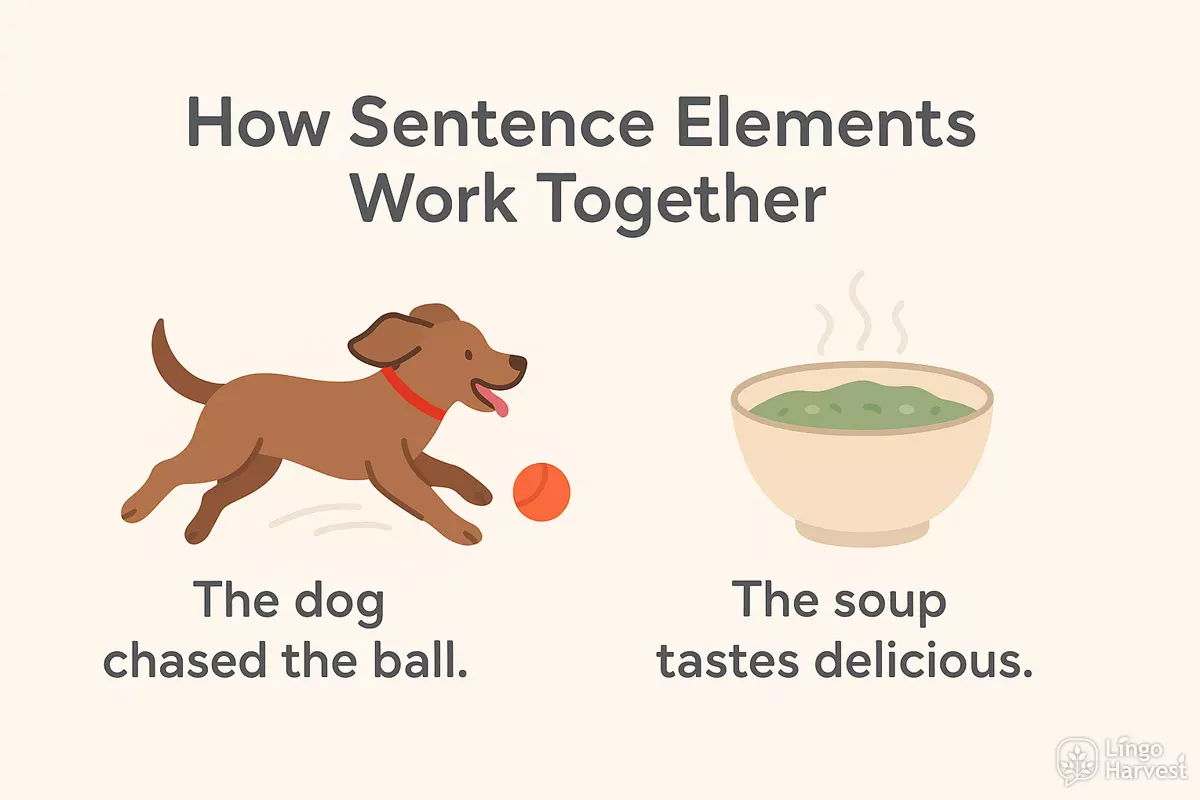
The way subjects, verbs, and other parts of speech interact can create nuance, emphasis, or clarity. For example, modifiers (like adjectives and adverbs) add detail, while conjunctions link ideas and clauses. The position of these elements often determines the overall meaning and tone.
| Pattern | Example |
|---|---|
| Subject + Verb + Object | The dog chased the ball. |
| Subject + Verb + Complement | The soup tastes delicious. |
| Subject + Verb + Indirect Object + Direct Object | She sent her friend a postcard. |
| Subject + Verb + Adverbial | We met yesterday. |
| Passive Voice | The cake was baked by Tom. |
Tips for Recognizing Patterns
Look for the main verb and ask who or what is performing the action. Pay attention to word order, as English relies heavily on sequence for meaning. Noticing these structures helps with both writing and comprehension, making it easier to spot errors or ambiguities.
Errors to Avoid
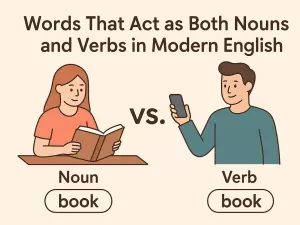
When working with different parts of speech in sentences, certain mistakes crop up frequently. Being able to spot and correct these can greatly improve both clarity and grammatical accuracy. One common pitfall is misidentifying the function of a word—some words can serve multiple roles, leading to confusion if their use doesn’t match the sentence’s structure.
Mixing Up Word Classes
It’s easy to accidentally use a word as the wrong part of speech. For example, using an adjective where an adverb is needed, or vice versa, often results in awkward or incorrect sentences. Pay special attention to modifiers and their targets.
- Using "quick" instead of "quickly": She ran quick to the store. ❌
- Confusing "affect" (verb) and "effect" (noun): The new rule will effect everyone. ❌
- Placing a noun in the spot of a verb: The decision to lunch together. (should be "decide")
Agreement and Placement Issues
Subject-verb agreement and the placement of modifiers can be tricky, especially in longer sentences. Incorrect pairing or positioning can obscure meaning or make the sentence grammatically wrong.
- Mismatch: The list of items are on the desk. (should be "is")
- Dangling modifier: Running down the street, the backpack fell off. (Who was running?)
- Pronoun confusion: Sam gave her book to Anna because she was leaving. (Who is 'she'?)
Common Confusions and Overlaps
Some words look or sound similar but belong to different grammatical categories. These often cause errors, especially in written work. Below is a comparison of a few frequently mixed-up forms:
| Frequently Confused Words | Correct Usage in Sentences |
|---|---|
| There / Their / They’re | There is a book on the table. Their car is red. They’re going to the park. |
| Your / You’re | Your idea is interesting. You’re welcome to join us. |
| To / Too / Two | I want to learn. She wants to come too. I have two pencils. |
| Good / Well | She is a good singer. She sings well. |
Additional Typical Mistakes
To help you spot more subtle issues, here’s a list of frequent slip-ups when combining different grammatical categories in sentences:
- Double negatives: I don’t need no help.
- Redundant pronouns: He he went to the store.
- Misplaced modifiers: She only ate apples. (Did she only eat, or only apples?)
- Overusing conjunctions: Because she was late, so she missed the bus.
- Fragmented sentences: Although he tried.
- Run-on sentences: She likes music she plays the piano.
- Using adjectives instead of nouns: The poor is suffering. (should be "the poor people")
- Confusing prepositions: She is good in math. (should be "at math")
- Incorrect article usage: He is an honest man. (correct) vs. He is a honest man. (incorrect)
- Switching tense or voice unexpectedly within a sentence.
By being mindful of these common missteps, you can construct sentences that are clear, precise, and grammatically sound.
Mini Practice: Build a Sentence
Understanding how different parts of speech work together is essential for crafting clear and meaningful sentences. Let’s put theory into action by assembling sentences from given word banks and exploring the roles of each word type. This hands-on activity will help solidify your grasp of how nouns, verbs, adjectives, adverbs, and other elements combine.
Step 1: Identify and Sort the Words
First, look at the list of words below. Decide which part of speech each word belongs to. This will help you see how each fits into a sentence.
- dog
- quickly
- beautiful
- runs
- garden
- she
- and
- under
- surprisingly
- blue
- is
- happily
- cat
- but
- lazy
Step 2: Build Your Own Sentences
Using at least one word from each category (noun, verb, adjective/adverb, etc.), try to create complete and grammatically correct sentences. Remember to check that each word’s function makes sense in its place.
- Arrange the words into a sentence that includes a subject, verb, and (if possible) an object or complement.
- Add adjectives or adverbs to make your sentence more descriptive.
- Try combining two simple sentences with a conjunction (like and or but).
Here are some combinations you might try:
- The beautiful dog runs quickly.
- She is surprisingly lazy.
- The cat and dog play in the blue garden.
- The dog runs happily, but the cat is lazy.
Practice Task: Fill in the Blanks
Complete the following sentences by choosing suitable words from the list above:
- The ________ cat ________ under the ________ tree.
- She ________ very ________ in the morning.
- The dog ________ ________ in the garden, but the cat is ________.
Show answers
- The lazy cat is under the blue tree.
- She runs very quickly in the morning.
- The dog runs happily in the garden, but the cat is lazy.
Parts of Speech Overview
To clarify the categories, here’s a structured overview of the words from the task:
| Part of Speech | Examples from Practice |
|---|---|
| Noun | dog, garden, cat |
| Verb | runs, is |
| Adjective | beautiful, blue, lazy |
| Adverb | quickly, surprisingly, happily |
| Pronoun | she |
| Conjunction | and, but |
| Preposition | under |
Try rearranging and experimenting with the words. Notice how each part of speech interacts to form sentences that are both grammatically correct and expressive. This practice will help you gain confidence in sentence construction and deepen your understanding of how language elements work together.