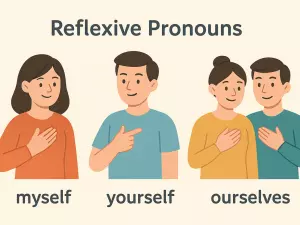
Intensive Pronouns: Emphasis Forms

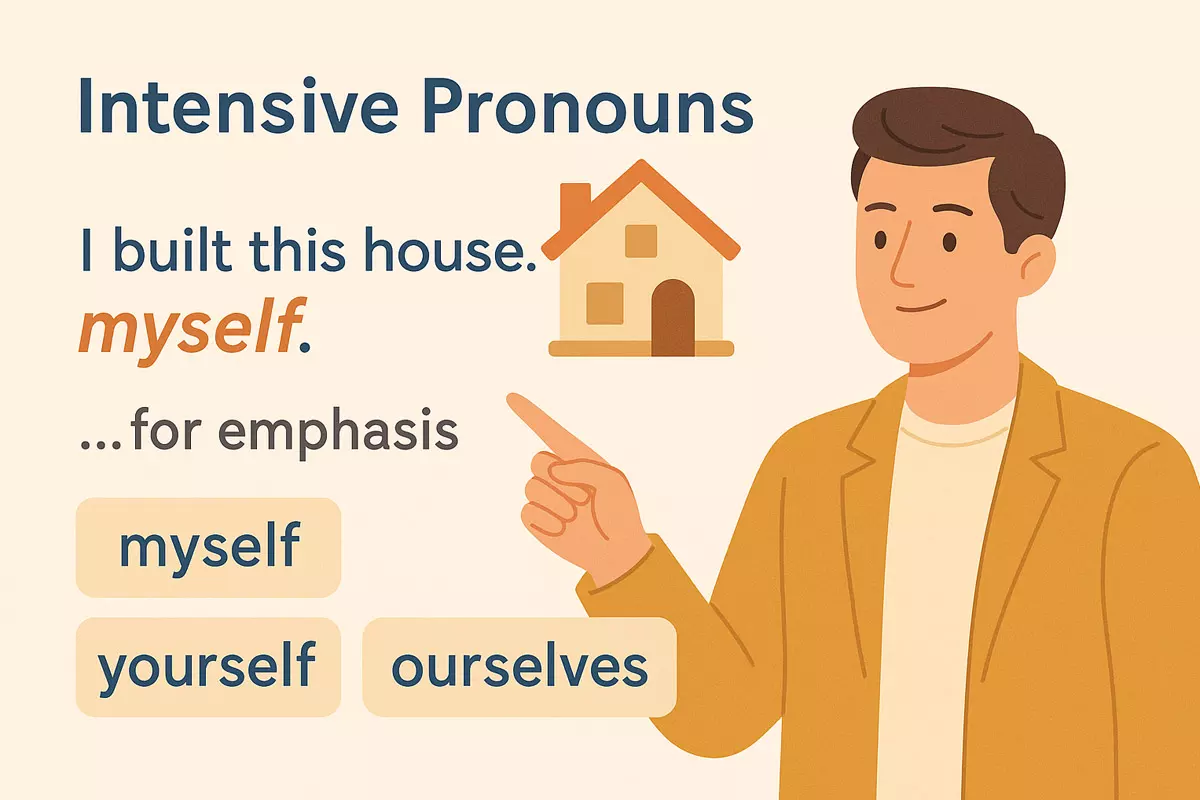 Here we how intensive pronouns add emphasis, distinguishes them from reflexive pronouns, explains their placement and emphasis patterns, gives useful examples, highlights common misuse, and provides quick practice exercises.
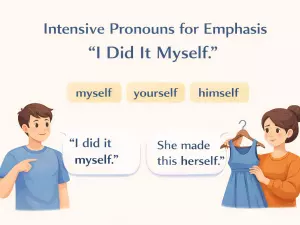
Emphatic pronouns are useful when we need to clearly indicate who performed an action, especially if we want to add emphasis or avoid confusion. By using these special forms, such as myself, yourself, or themselves, we can highlight the subject for greater clarity and impact. For example, in the sentence I completed the project myself, the word myself emphasizes that no one else contributed. This emphasis can help strengthen communication and ensure that the intended meaning is understood by the listener or reader.
What Intensive Pronouns Do
Intensive pronouns have a clear job in English: they add emphasis to a noun or pronoun in a sentence. Rather than changing the meaning or structure, these forms simply highlight the person or thing performing the action. They are built by adding “-self” or “-selves” to personal pronouns, but their purpose is always to stress who is responsible.
Adding Emphasis
When used properly, these pronouns underscore that a specific person or group is directly involved, often to clarify or intensify a statement. For example, in “The manager herself approved the budget,” the word “herself” stresses that no one else but the manager was involved.
- “I made this cake myself.”
- “They completed the project themselves.”
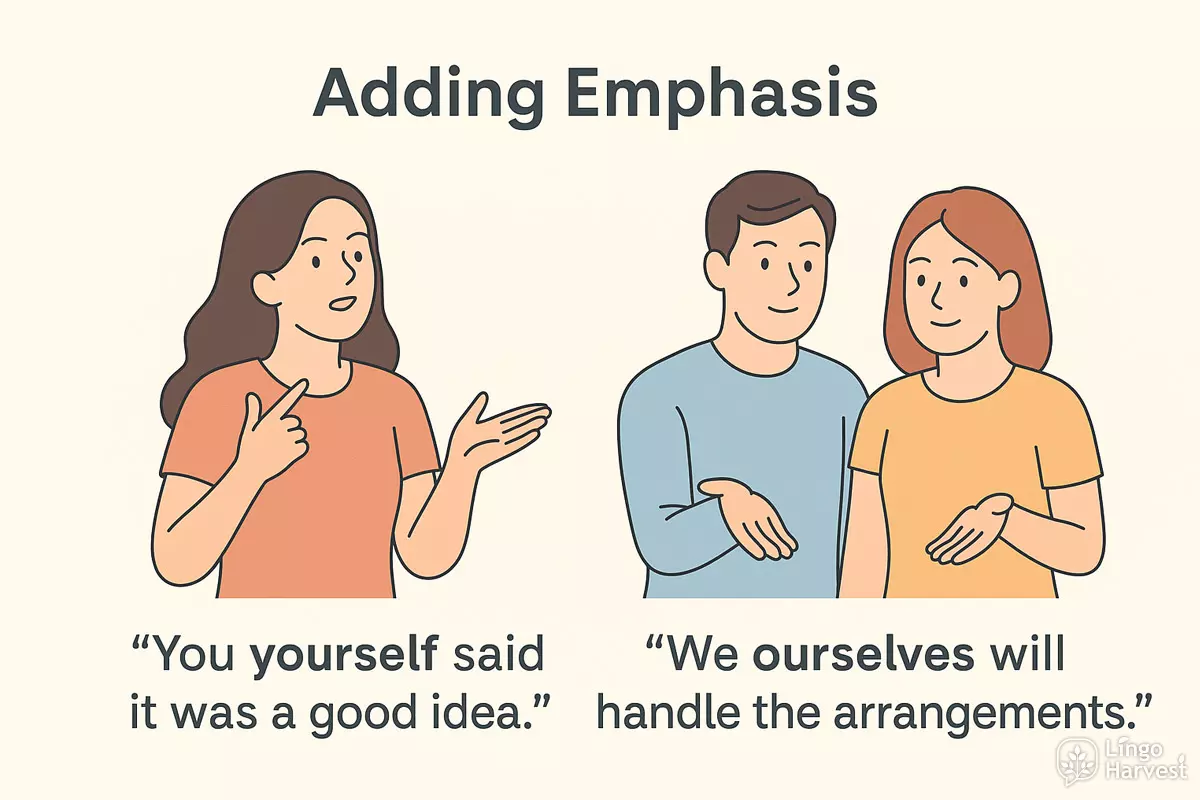
- “You yourself said it was a good idea.”
- “The president himself announced the decision.”
- “We ourselves will handle the arrangements.”
- “She herself fixed the error.”
- “The children themselves cleaned the room.”
- “He himself admitted the mistake.”
- “You yourselves are responsible.”
- “The team itself won the award.”
Placement in Sentences
These emphasis forms usually appear right after the noun or pronoun they intensify, but sometimes they can be placed at the end of the clause for stylistic reasons. The meaning remains the same, but the focus may shift slightly.
Difference from Reflexive Pronouns
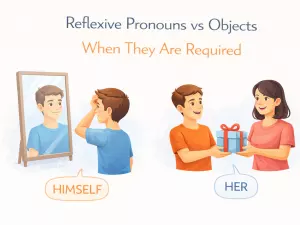
Intensive and reflexive pronouns look identical, but they serve different roles. Intensive forms are not necessary for the sentence’s meaning—they can be removed without changing the core idea. Reflexive pronouns, on the other hand, are required when the subject and object are the same.
| Purpose | Example Sentence |
|---|---|
| Emphasis (Intensive) | “The artist herself painted this mural.” |
| Reflexive (Action returns to subject) | “The artist painted herself in the mural.” |
Quick Summary
To sum up, these pronouns are all about drawing attention to the doer of the action. They make statements stronger and clearer, but they never change the basic meaning of a sentence. Their use is optional, and leaving them out won’t cause confusion—it just removes the extra emphasis.
Reflexive vs Intensive
Understanding the distinction between reflexive and intensive pronouns is crucial for using them accurately in sentences. Both types share the same forms (myself, yourself, himself, herself, itself, ourselves, yourselves, themselves), but their roles in grammar and meaning are quite different.
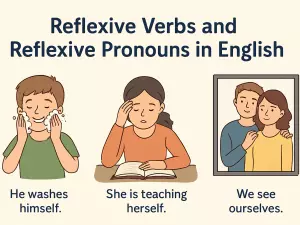
Reflexive pronouns are used when the subject and object of a verb are the same person or thing. In other words, the action "reflects" back to the subject. In contrast, intensive pronouns are used purely for emphasis; they reinforce the noun or pronoun they refer to, but can be removed without altering the basic meaning of the sentence.
Key Differences in Usage
- Reflexive: The subject performs an action on itself.
Example: She taught herself to play guitar. - Intensive: Adds emphasis to the subject or object.
Example: The manager herself approved the project.
Forms and Placement
Although reflexive and intensive pronouns look identical, their placement in a sentence often hints at their function. Reflexive pronouns typically appear as objects, while intensive forms are often placed directly after the noun they intensify or at the end of the clause for added stress.
| Function | Example | Can Be Omitted? |
|---|---|---|
| Reflexive | He blamed himself for the mistake. | ❌ (No) |
| Intensive | The chef himself prepared the meal. | ✅ (Yes) |
| Reflexive | We enjoyed ourselves at the party. | ❌ (No) |
| Intensive | You yourself said it was true. | ✅ (Yes) |
Common Mistakes and Tips
- Don’t use an intensive pronoun as the object of a verb unless you intend emphasis.
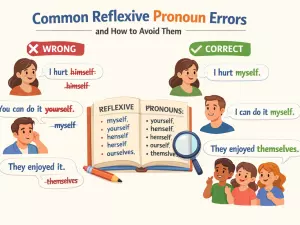
- Avoid using reflexive pronouns where a simple pronoun would be correct (e.g., John and myself went → Incorrect).
- If removing the pronoun changes the meaning, it's reflexive; if not, it's intensive.
- Examples of correct use:
- I hurt myself. (reflexive)
- I did the work myself. (intensive)
- They introduced themselves. (reflexive)
- The president herself attended. (intensive)
- The cat washed itself. (reflexive)
- You yourselves can decide. (intensive)
- He found himself lost. (reflexive)
- We built the house ourselves. (intensive)
- She prepared herself for the exam. (reflexive)
- The children themselves cleaned up. (intensive)
Recognizing the function of these pronouns helps clarify sentence meaning and avoids common errors. Always check whether the pronoun is necessary for the sentence structure or simply adds emphasis.
Placement in Sentences
Intensive pronouns serve to put special emphasis on a noun or pronoun already mentioned. Their position in a sentence is important for clarity and impact. Typically, these pronouns (myself, yourself, himself, herself, itself, ourselves, yourselves, themselves) follow directly after the word they intensify, but there are several acceptable placements depending on the context and intended emphasis.
Common Positions for Intensive Pronouns
- Directly after the subject: I myself completed the report.
- Immediately after the object: She made the cake herself.
- At the end of the clause for added stress: They fixed the car themselves.
- After the noun being emphasized: The manager himself approved the request.
- In appositive phrases: The president, herself, attended the event.
- Before the verb (less common, but possible in poetic or formal contexts): Myself, I wouldn’t agree.
- After prepositional phrases for extra attention: The gift was for the children themselves.
- With imperative sentences for clarity: See for yourself!
- In questions for emphasis: Did you do it yourself?
- To clarify who performed an action: The CEO announced the news himself.
- With group subjects for collective emphasis: We ourselves will handle it.
- When correcting or contradicting: Not the assistant, but the principal herself called.
Comparison with Reflexive Pronoun Placement
The position of intensive forms often overlaps with reflexive pronouns, but their function differs. While reflexives are essential to the verb’s meaning (e.g., “She hurt herself”), intensive forms can be omitted without changing the core meaning (“She herself baked the cake” vs. “She baked the cake”).
| Function | Typical Placement |
|---|---|
| Emphasis (Intensive) |
|
| Reflexive (Action to self) |
|
Points to Remember
- Intensive pronouns must always refer back to a noun or pronoun in the same sentence.
- They are not needed for the sentence to be grammatically correct; their role is to emphasize.
- Placing the pronoun too far from its referent can cause confusion.
- Use these forms thoughtfully to enhance clarity or highlight responsibility.
In summary, the location of these pronouns is flexible but guided by the need for emphasis and clarity. Understanding these patterns helps in crafting sentences that are both expressive and precise.
Emphasis Patterns
Intensive pronouns play a distinct role in drawing attention to who performed an action or clarifying exactly which individual is involved. Their placement and usage in sentences follow certain trends that help speakers highlight or reinforce meaning. Understanding these tendencies is essential for using emphasis forms effectively in both spoken and written English.
Typical Placement of Intensive Pronouns
Most often, these forms are placed directly after the noun or pronoun they emphasize. For example, in the sentence “The manager herself approved the budget,” the word herself immediately follows manager for maximum clarity. Alternatively, the intensive pronoun can appear at the end of the clause for stylistic effect: “The manager approved the budget herself.” Both positions serve to underscore the subject’s direct involvement.
Common Usage Patterns
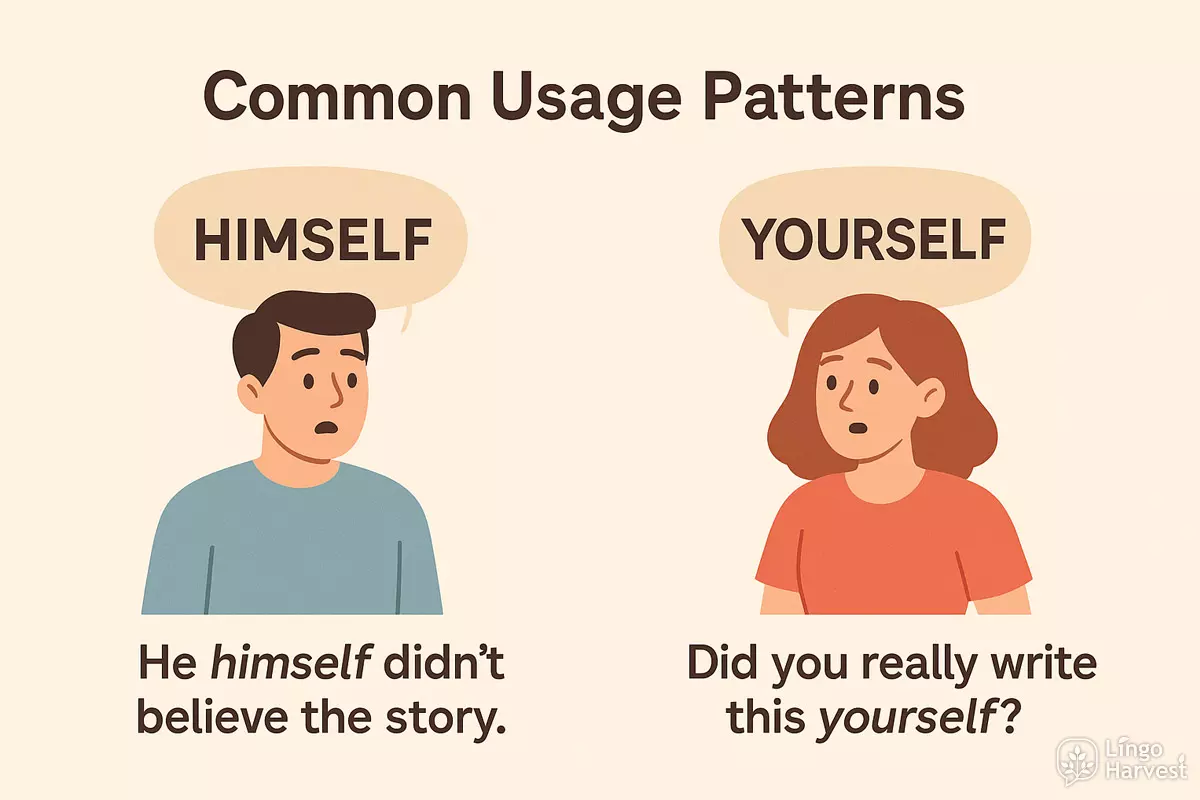
Speakers use these forms in a variety of contexts. Here are some frequent ways they appear in English sentences:
- To stress the subject’s personal role: “I built the bookshelf myself.”
- To contrast with others: “He himself didn’t believe the story.”
- To clarify responsibility: “The children cleaned their room themselves.”
- To respond to doubt or challenge: “Did you really write this yourself?”
- To emphasize unexpected agency: “The CEO herself answered the phone.”
- To highlight exclusive participation: “We ourselves organized the event.”
- For dramatic effect in stories: “The hero himself faced the dragon.”
- To stress direct involvement: “You must finish the task yourself.”
- To reinforce a point: “The artist herself will attend the opening.”
- To indicate no outside help: “He fixed the car himself.”
- To underline ownership: “They made the decision themselves.”
- To clarify identity: “The author himself signed the copies.”
- In formal writing for emphasis: “The president herself declared the results.”
- In instructions: “Check the results yourself.”
Comparison: Intensive vs. Reflexive Forms
Intensive and reflexive pronouns share forms but differ in function. The table below highlights these distinctions:
| Usage Type | Example Sentence | Meaning |
|---|---|---|
| Intensive | She herself solved the puzzle. | Stresses that she, not someone else, solved it. |
| Reflexive | She solved the puzzle herself. | Means she did it alone; no outside help. |
| Intensive | The chef himself prepared the meal. | Highlights the chef’s direct involvement. |
| Reflexive | The chef prepared himself a meal. | Refers to the chef making food for himself. |
Key Takeaways for Usage
Remember, these forms do not add new information but strengthen the focus on the noun or pronoun they accompany. Overuse can sound unnatural, so reserve them for moments where you truly want to highlight agency, responsibility, or contrast.
Useful Examples
Understanding how to use intensive pronouns for emphasis is best achieved through clear, real-world sentences. These forms are not just grammatically correct—they help clarify meaning and highlight the person or thing being discussed. Below are a variety of sample sentences, along with notes on their structure and effect.
Sample Sentences in Context
- I myself completed the entire project. ✅
- She baked the cake herself, without any help.
- The president himself attended the meeting.
- We ourselves will handle the arrangements.
- The cat opened the door itself.
- You yourself said so yesterday.
- The children cleaned their room themselves.
- Did you see the artist herself at the gallery?
- The machine switched off itself after an hour.
- They prepared the decorations themselves.
- He fixed the problem himself, without calling support.
- I wrote this letter myself.
- We saw the author himself at the event.
Common Intensive Pronouns: Forms and Usage
| Subject Pronoun | Intensive Pronoun | Example Sentence |
|---|---|---|
| I | myself | I myself organized the meeting. |
| you | yourself | You yourself admitted the mistake. |
| he | himself | He himself delivered the package. |
| she | herself | She herself painted the portrait. |
| it | itself | The door closed itself. |
| we | ourselves | We ourselves made the reservation. |
| they | themselves | They themselves chose the winner. |
Important Usage Tips
- Place the intensive form right after the subject or at the end for emphasis.
- Do not use these pronouns as subjects; they only add emphasis.
- Compare: “She baked the cake herself” (emphasis) vs. “She baked herself a cake” (reflexive meaning).
These examples illustrate how emphasis forms add clarity and strength to a statement, helping speakers and writers highlight the doer of an action in English.
Common Misuse Cases
Many writers and speakers sometimes confuse emphatic pronouns with other similar forms, or use them in places where another construction would be more appropriate. Recognizing these pitfalls can help ensure clarity and grammatical accuracy.
Frequent Errors with Emphasis Forms
- Using an intensive pronoun when a reflexive is needed: He hurt himself (correct reflexive), not He hurt himself (intensive, but incorrect in this context).
- Adding unnecessary emphasis where the sentence is already clear: I myself will attend the meeting can sound redundant if not used for contrast or clarity.
- Placing the emphasis word in an awkward position: Myself, I will handle it (should be I will handle it myself).
- Using the wrong form: Me will do it myself (should be I will do it myself).
- Applying emphasis forms to non-personal pronouns: The book itself is correct, but This itself is my favorite can be vague or awkward.
- Replacing subject or object pronouns with the intensive form: Myself and John went (should be John and I went).
- Using the form for self-introduction: Myself, John Smith (should be I am John Smith).
- Confusing possessive and intensive pronouns: This is myself's opinion (should be This is my opinion).
- Omitting the noun being emphasized: Himself was present (should be He himself was present).
- Stacking multiple emphasis forms: I myself personally (one form is sufficient: I myself or Personally, I).
- Using emphasis forms with inanimate objects inappropriately: The chair itself broke itself (redundant and awkward).
- Attempting to pluralize the forms incorrectly: Themselveses (should be Themselves).
- Misplacing the form in the clause: She will herself bake the cake (better as She will bake the cake herself).
- Using intensive pronouns as the subject: Myself will go (should be I will go).
- Forgetting the pronoun to which the emphasis refers: Himself is ready (should be He himself is ready).
- Using the emphasis form after a preposition when not needed: For myself, I agree (should be I agree, unless contrasting with others).
- Inserting the form where it disrupts sentence flow: The principal herself, spoke (comma is unnecessary and breaks up the sentence).
- Using it to replace the object: I saw myself in the mirror (correct reflexive), but I saw the president himself (correct intensive; context matters).
- Employing it with verbs that do not require emphasis: I myself think (can be wordy unless contrast is intended).
Comparison: Reflexive vs. Intensive Usage
| Incorrect Usage | Corrected Example |
|---|---|
| Myself will call you tomorrow. | I will call you tomorrow myself. |
| He did it to himself (when emphasis is intended). | He did it himself (for emphasis). |
| Themselves fixed the problem. | They fixed the problem themselves. |
| Myself and Sarah went to the store. | Sarah and I went to the store. |
| This is myself's opinion. | This is my opinion. |
Understanding these typical mistakes helps avoid confusion and ensures that emphasis forms are used effectively to add clarity or focus, rather than distracting from the intended meaning.
Quick Practice
To help you become more comfortable with emphasizing pronouns, try the following tasks. Each activity focuses on using these special forms for clarity or stress in a sentence.
Identify the Emphatic Pronoun
Read each sentence and pick out the word used for emphasis:
- She herself prepared the entire meal.
- The manager will see you himself.
- We completed the project ourselves.
- You must do it yourself.
- The children made the decorations themselves.
Show answers
- herself
- himself
- ourselves
- yourself
- themselves
Choose the Correct Form
Fill in the blanks with the appropriate form for emphasis:
- I cleaned the house all by ______.
- They painted the room ______.
- Did you write this essay ______?
- He fixed the car ______.
- We designed the logo ______.
Show answers
- myself
- themselves
- yourself
- himself
- ourselves
Typical Forms: Emphasis Patterns
Review common forms and their subject matches. Notice the pattern for creating these words:
| Subject Pronoun | Emphatic Form |
|---|---|
| I | myself |
| you (singular) | yourself |
| he | himself |
| she | herself |
| it | itself |
| we | ourselves |
| you (plural) | yourselves |
| they | themselves |
Spot the Emphasis Error
Some sentences below use the wrong form for emphasis. Find the mistakes:
- He did it herself.
- We made it themselves.
- I will call them myself.
- You must finish the job yourself.
- She prepared the dinner herself.
Show answers
- He did it herself. → himself
- We made it themselves. → ourselves
- Correct
- Correct
- Correct
Practicing these forms will help you highlight who is responsible for an action, or add clarity in your writing and speech. Try creating your own sentences using these emphatic variations for extra reinforcement.