Pronoun–Antecedent Agreement Rules

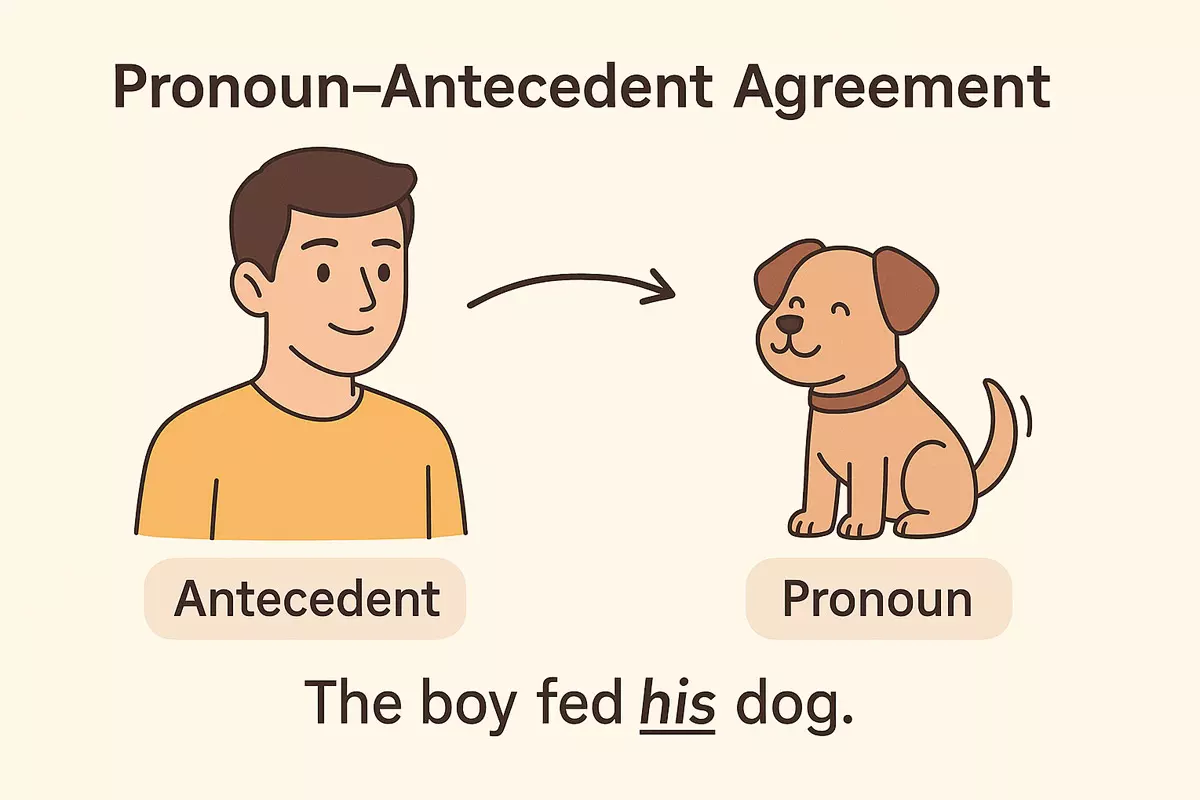 Here we the basics of pronoun–antecedent agreement, including rules for singular, plural, collective, and indefinite pronouns. It also discusses gender-neutral choices, common mistakes, and offers practice in correcting agreement errors.
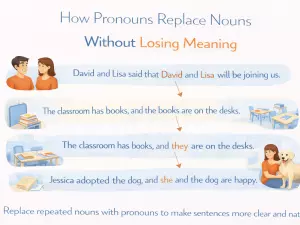
Ensuring that pronouns clearly match the words they refer to is crucial for clear and effective writing, as mismatched pronouns can lead to confusion or ambiguity. When pronouns do not agree with their antecedents in number or gender, readers may struggle to understand the intended meaning, which disrupts the flow of your writing. By maintaining proper pronoun-antecedent agreement, you help your audience follow your ideas more easily and create a more professional and polished piece of writing.
What Agreement Means
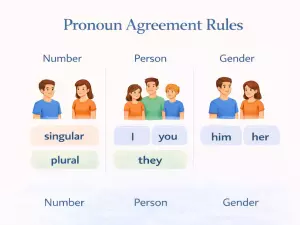
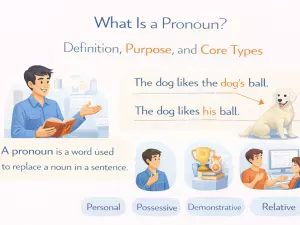
Understanding pronoun–antecedent agreement is essential for clear writing. In English, this concept refers to making sure a pronoun matches its antecedent—the noun it replaces—in number (singular or plural), gender (when relevant), and person (first, second, or third). When these elements do not align, sentences can become confusing or misleading.
How Agreement Works
A pronoun must reflect the characteristics of its antecedent. For example, if the subject is singular, the pronoun should also be singular. The same holds true for plural forms. Gender agreement comes into play when the noun’s gender is clear, such as “she” for a woman or “he” for a man. In cases of indefinite or mixed-gender antecedents, English often uses “they” as a singular, gender-neutral option.
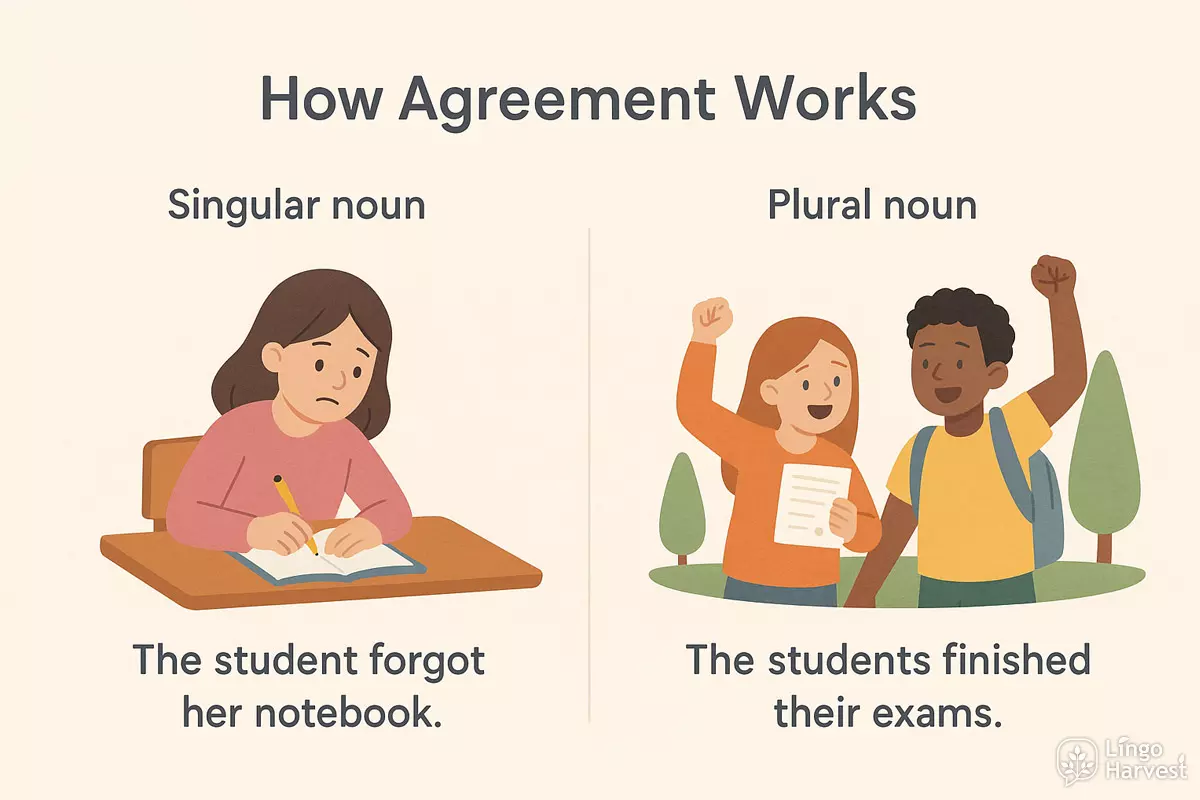
- Singular noun: The student forgot her notebook.
- Plural noun: The students finished their exams.
- Indefinite noun: Someone left their umbrella.
- Collective noun: The team celebrated its victory.
- Gendered noun: The man lost his keys.
- Ambiguous noun: Each child should bring his or her lunch.
- Compound antecedent: Sarah and Tom finished their project.
- Objects joined by "or": Either the cat or the dog needs its dinner.
- Generic pronoun: If a person wants success, they must work hard.
- Nonhuman noun: The car had its headlights on.
Common Agreement Pitfalls
Writers sometimes make mistakes when the antecedent is unclear, compound, or collective. Problems also arise with indefinite pronouns like "everyone" or "nobody," which, despite referring to multiple people, are grammatically singular. Pay special attention to sentences where the pronoun’s reference could be ambiguous.
| Type of Antecedent | Correct Pronoun Agreement |
|---|---|
| Singular (e.g., teacher) | he, she, it, his, her, its |
| Plural (e.g., teachers) | they, their, them |
| Indefinite (e.g., everyone, somebody) | they, their, them (for gender-neutral usage) |
| Collective (e.g., team, jury) | it, its (US English), or they, their (UK English or when emphasizing individuals) |
Being mindful of these patterns ensures that sentences are not only grammatically correct but also easy to follow. Matching pronouns to their antecedents accurately avoids confusion and helps readers clearly understand who or what is being discussed.
Singular vs Plural Pronouns
Understanding the distinction between pronouns that refer to one person or thing and those that refer to more than one is essential for proper pronoun–antecedent agreement. Each type of pronoun must match the number of its antecedent to avoid confusion and maintain clarity in writing or speech.
What Makes a Pronoun Singular or Plural?
A pronoun is considered singular when it replaces a single noun (antecedent), such as "he," "she," or "it." Plural pronouns, like "they" or "we," stand in for multiple nouns. The agreement rule requires that singular antecedents take singular pronouns, and plural antecedents take plural ones.
- Singular: he, she, it, him, her, his, its, herself, himself
- Plural: they, them, their, theirs, themselves, we, us, our, ourselves
Common Agreement Patterns
Writers often make mistakes when the antecedent is a collective noun, an indefinite pronoun, or when it's separated from its pronoun by other words. To prevent errors, always identify whether the noun being replaced is singular or plural.
| Antecedent | Correct Pronoun | Example Sentence |
|---|---|---|
| the student | he or she | The student forgot his or her book. |
| the students | they | The students finished their homework. |
| everyone | he or she | Everyone must bring his or her ID. |
| the committee | it (or they, contextually) | The committee reached its decision. |
| dogs | they | Dogs love their owners. |
| someone | he or she | Someone left his or her umbrella. |
| people | they | People often forget their keys. |
| each of the players | he or she | Each of the players wore his or her uniform. |
| children | they | Children should wash their hands. |
| nobody | he or she | Nobody took his or her seat. |
Quick Tips for Accurate Agreement
- Match the pronoun to the number of the noun it replaces, not to a noun that comes later in the sentence.
- With indefinite pronouns (anyone, everybody, each), use singular forms.
- Compound antecedents joined by "and" usually take plural pronouns.
- Collective nouns may take singular or plural pronouns depending on whether the group acts as one unit or as individuals.
By carefully considering whether a noun is singular or plural, writers can choose the correct pronoun and ensure sentences are both grammatically correct and easy to understand.
Collective Noun Cases
When using pronouns with groups such as "team," "jury," or "family," agreement can be tricky. These nouns refer to collections of individuals but are often treated as singular or plural depending on context and meaning. The choice of pronoun depends on whether the group is acting as a unit or as individuals.
Understanding Agreement with Group Nouns
If the group acts together as a single entity, a singular pronoun is usually correct. When the members act independently, a plural pronoun is preferred. For example, "The committee made its decision" (unit), versus "The committee took their seats" (individuals).
- Team: "The team won its game." (unit)
- Team: "The team changed their uniforms." (members)
- Audience: "The audience showed its appreciation." (as a whole)
- Audience: "The audience returned to their seats." (individuals)
- Family: "The family is selling its house." (unit)
- Family: "The family are packing their bags." (members)
- Government: "The government issued its statement." (unit)
- Government: "The government have resigned their posts." (members)
- Jury: "The jury reached its verdict." (unit)
- Jury: "The jury were divided in their opinions." (members)
- Class: "The class finished its project." (unit)
- Class: "The class handed in their assignments." (members)
- Staff: "The staff is known for its dedication." (unit)
- Staff: "The staff are updating their records." (members)
- Band: "The band released its album." (unit)
- Band: "The band packed up their instruments." (members)
- Board: "The board announced its decision." (unit)
- Board: "The board argued among themselves." (members)
Regional Differences and Style Notes
British English tends to use plural pronouns with these nouns more frequently, while American English usually prefers the singular. Consistency is important throughout a piece of writing, so stick with one approach unless the meaning clearly shifts.
Quick Reference Table
| Collective Noun | Singular Pronoun Example | Plural Pronoun Example |
|---|---|---|
| committee | The committee reached its conclusion. | The committee voiced their opinions. |
| team | The team lost its captain. | The team celebrated their birthdays. |
| jury | The jury gave its verdict. | The jury discussed their disagreements. |
| family | The family finished its dinner. | The family went to their rooms. |
Remember, the context determines whether you use a singular or plural pronoun for these group nouns. Always read your sentence for meaning and agreement, and adjust your pronoun choice to match how the group is acting in that situation.
Indefinite Pronoun Agreement
Matching pronouns with their antecedents can be especially tricky when the antecedent is an indefinite pronoun. Indefinite pronouns—such as everyone, somebody, none, or both—don't specify a particular person or thing, which can create confusion about which form of pronoun to use later in the sentence. The agreement depends on whether the indefinite pronoun is considered singular, plural, or can be either, depending on context.
Common Indefinite Pronouns and Their Agreement
Some indefinite pronouns are always singular, others are always plural, and a few can be both. Using the correct form avoids awkward or incorrect sentences.
| Indefinite Pronoun | Agreement | Example |
|---|---|---|
| Everyone, Everybody, Someone, Somebody, Anyone, Anybody, No one, Nobody | Singular | Everyone has their own opinion. |
| Each, Either, Neither | Singular | Neither of the answers is correct. |
| Both, Few, Many, Several | Plural | Many are interested in the results. |
| All, Any, More, Most, None, Some | Singular or Plural (depends on noun) |
Some of the cake is gone. Some of the cookies are gone. |
Tips for Correct Usage
- Use singular verbs and pronouns with singular indefinite pronouns: Each of the students has his or her own locker.
- Use plural verbs and pronouns with plural forms: Few have finished their work.
- For pronouns that can be either, determine if the noun in the prepositional phrase is countable or uncountable: All of the water is cold vs. All of the bottles are empty.
- To avoid awkward constructions, you can sometimes rephrase: Everyone should bring their own lunch or Everyone should bring a lunch.
Common Pitfalls and Solutions
- Incorrect: Anybody can do what they want.
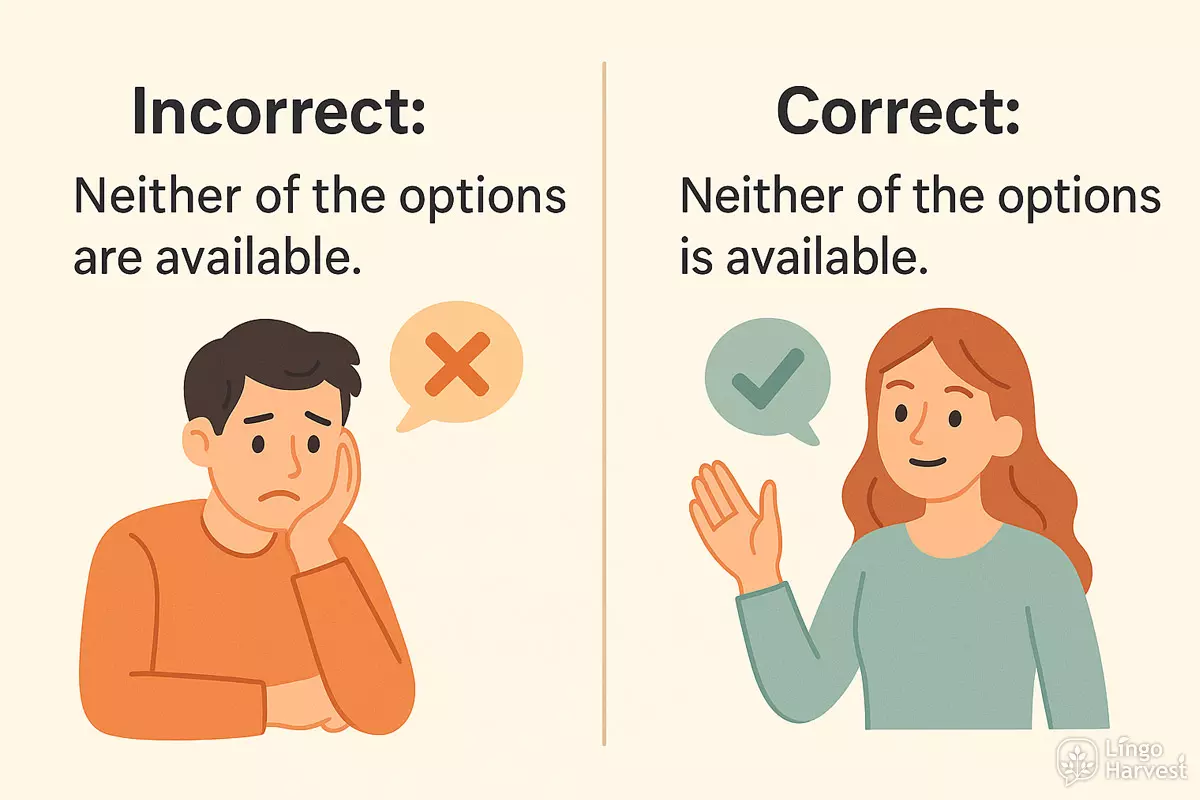
Correct: Anybody can do what he or she wants. (Or use "they" for gender neutrality in informal contexts.) - Incorrect: Neither of the options are available.
Correct: Neither of the options is available. - Incorrect: Everyone need to submit their forms.
Correct: Everyone needs to submit their forms.
By paying attention to whether an indefinite pronoun is singular, plural, or variable, you can ensure your sentences stay clear and grammatically correct. When in doubt, check if the pronoun refers to one or more than one, and match your verb and pronoun accordingly.
Gender-Neutral Choices
Writers increasingly face situations where a person’s gender is unknown, irrelevant, or where inclusivity is a priority. In such cases, it’s important to use pronouns and antecedents that do not assume a specific gender. This approach helps create clear, respectful, and modern communication, especially in academic, professional, and everyday writing.
Common Approaches to Inclusive Pronoun Use
Several strategies can help you avoid gender bias in your writing. Here are some widely accepted methods:
- Use the singular “they”: Someone left their umbrella.
- Rewrite to make the subject plural: All students must bring their books.
- Omit the pronoun entirely: If a student is late, the teacher will mark late.
- Repeat the noun: If a teacher wants, the teacher can submit the form.
- Alternate gendered pronouns (less common today): If a student wishes, he or she can apply.
- Use job or role titles: The manager will decide.
- Employ “one” as a pronoun (formal): If one studies, one will succeed.
- Use generic terms: The applicant should sign here.
- Use “you” for general statements: If you want to succeed, you must work hard.
- Rely on context to avoid pronouns: To apply, submit the form online.
- Combine “he or she,” “his or her” (traditional, but wordy): Each student must bring his or her ID.
- Use “they/them/their” even for singular antecedents: Anyone can bring their own lunch.
- Include all genders when appropriate: He, she, or they may attend.
Examples: Singular “They” in Action
To see how these options look in practice, here are some typical sentences rewritten for neutrality:
- Original: Each employee must submit his report.
- Revised: Each employee must submit their report.
- Original: If a student loses his or her ID, he or she should report it.
- Revised: If a student loses their ID, they should report it.
- Original: The doctor should update his files.
- Revised: The doctor should update their files.
Comparing Traditional and Inclusive Options
| Traditional Wording | Inclusive Alternative |
|---|---|
| Each student must bring his book. | Each student must bring their book. |
| If a manager wants, he can approve. | If managers want, they can approve. |
| Every user updates his or her password. | Every user updates their password. |
| The applicant should sign his name. | The applicant should sign the form. |
| Ask the doctor if he is available. | Ask the doctor if they are available. |
Key Takeaways
Choosing pronouns and sentence structures that avoid gender assumptions not only promotes fairness but also reflects current language standards. Adopting these practices can make your writing clearer and more respectful of all individuals.
Frequent Mistakes
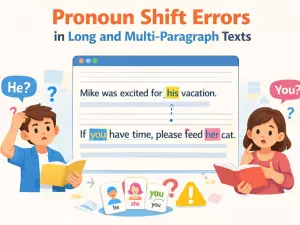
Many writers struggle with matching pronouns to their proper referents, especially when sentences become complex or when the gender or number of the noun is unclear. Missteps in this area can make writing confusing or even unintentionally misleading. Below, we’ll explore some of the most common pitfalls and how to recognize them.
Misidentifying the Antecedent
A frequent source of confusion happens when it’s unclear which noun a pronoun is meant to replace. This can occur when there are multiple nouns in a sentence, or when the pronoun is too far from its antecedent. Here are a few examples:
- When the teacher spoke to the student, she smiled. (Who smiled?)
- Alex told Jordan that he would be late. (Does “he” refer to Alex or Jordan?)
Agreement in Number
Errors often arise when pronouns do not match their antecedents in number. This is especially tricky with collective nouns or indefinite pronouns like “everyone” or “each.”
- Everyone must bring their own lunch. ❌ (Should be “his or her” or use a plural structure.)
- The team finished their project. ❌ (Should be “its project” if referring to the group as a single unit.)
Agreement in Gender
Pronoun use can also trip up writers when the gender of the noun is unknown, or when trying to avoid gendered language. Some common missteps include:
- If a student forgets his homework, he will lose points. (Excludes female students.)
- When a driver is tired, they should pull over. (Now widely accepted, but still debated in formal contexts.)
Ambiguous or Vague Pronouns
Sometimes, a pronoun is used without a clear antecedent, leaving the reader to guess what is being referenced. Avoid sentences like:
- It says in the manual to unplug the device. (What is “it”?)
- After placing the vase on the table, it broke. (What broke—the vase or the table?)
Common Patterns of Error
Below is a structured comparison of some typical mistakes and their corrected forms for quick reference.
| Incorrect Usage | Corrected Version |
|---|---|
| Neither of the girls brought their umbrella. | Neither of the girls brought her umbrella. |
| The committee made their decision yesterday. | The committee made its decision yesterday. |
| Each person must sign their name. | Each person must sign his or her name. OR: All people must sign their names. |
| If a player wants to win, they must practice. | If players want to win, they must practice. |
| When the dog and the cat came in, he was wet. | When the dog and the cat came in, the dog was wet. |
Checklist of Other Common Pitfalls
- Switching between singular and plural pronouns mid-sentence
- Using “it” to refer to people
- Using “they” for singular nouns in formal writing
- Referring to objects with “he” or “she” without context
- Leaving antecedents out entirely (e.g., “He left.” with no prior noun)
- Using “this” or “that” vaguely, without a clear referent
- Letting modifiers separate pronouns from their antecedents, causing confusion
- Assuming collective nouns are always plural
- Overusing “his or her” when a plural form would be smoother
- Not updating pronouns after changing sentence structure during editing
Careful attention to these issues will help ensure clarity and precision in your writing, making your sentences both grammatically correct and easy to understand.
Practice: Fix the Errors
Understanding how pronouns must agree with their antecedents is essential for clear and grammatically correct writing. Below, you'll find a set of exercises designed to help you spot and correct mistakes involving pronoun reference and agreement. Read each sentence carefully and decide if there is a mismatch between the pronoun and its antecedent in number or gender.
Identify and Correct the Mistakes
Each of these sentences contains at least one error in pronoun–antecedent agreement. Rewrite them to fix the mistakes:
- Every student should bring their notebook to class.
- The dog chased their tail around the yard.
- Neither of the boys remembered to bring their lunch.
- The committee finished their report yesterday.
- Each of the girls forgot their umbrella.
- If anyone wants to join, they should sign up now.
- The team forgot their water bottles.
- Somebody left their phone on the table.
- Both of the cats licked its paw.
- None of the employees has remembered their password.
- The company announced they would be moving to a new office.
- Everyone must hand in their assignments on time.
- The jury made their decision.
- Each player must wear their uniform.
- If a person wants to succeed, they must work hard.
- Neither of the solutions has proved their effectiveness.
- The teacher gave their students homework.
- Someone forgot their book on the bus.
Show answers
- Every student should bring his or her notebook to class.
- The dog chased its tail around the yard.
- Neither of the boys remembered to bring his lunch.
- The committee finished its report yesterday. (Or: "Members of the committee finished their reports yesterday," if referring to individuals.)
- Each of the girls forgot her umbrella.
- If anyone wants to join, he or she should sign up now.
- The team forgot its water bottles. (Or: "The team members forgot their water bottles," if referring to individuals.)
- Somebody left his or her phone on the table.
- Both of the cats licked their paws.
- None of the employees has remembered his or her password.
- The company announced it would be moving to a new office.
- Everyone must hand in his or her assignments on time.
- The jury made its decision.
- Each player must wear his or her uniform.
- If a person wants to succeed, he or she must work hard.
- Neither of the solutions has proved its effectiveness.
- The teacher gave his or her students homework.
- Someone forgot his or her book on the bus.
Quick Reference: Common Agreement Problems
Here's a summary of typical situations that cause confusion with pronoun reference. Use this as a checklist while editing:
- Singular indefinite pronouns (anyone, everyone, someone, each, neither, etc.) usually take singular pronouns.
- Collective nouns (team, committee, jury, company) are generally singular when the group acts as a whole.
- Compound antecedents joined by "and" take plural pronouns; joined by "or/nor," the pronoun agrees with the closer noun.
- Animals and objects generally take "it" unless their gender is specified.
- Be mindful of shifts in number or gender within a sentence.
Challenge: Spot the Correct Sentences
For each sentence below, decide if it is correct (✅) or incorrect (❌) in terms of pronoun reference. If incorrect, rewrite it correctly.
- Neither of the answers has its merits.
- Each runner should tie their shoes tightly.
- The orchestra played its final song beautifully.
- All of the students finished their projects.
- Everyone must bring their passport to the exam.
- Somebody has forgotten their keys on the table.
- The jury announced its verdict after two days.
- The team played its best game of the season.
- Each of the students presented their project to the class.
- Both of the sisters said they would call later.
Show answers
- ✅ Correct.
- ❌ Incorrect. Correct: Each runner should tie his or her shoes tightly.
- ✅ Correct.
- ✅ Correct.
- ❌ Incorrect. Correct: Everyone must bring his or her passport to the exam.
- ❌ Incorrect. Correct: Somebody has forgotten his or her keys on the table.
- ✅ Correct.
- ✅ Correct.
- ❌ Incorrect. Correct: Each of the students presented his or her project to the class.
- ✅ Correct.