Conjunctions Linking Clauses and Ideas

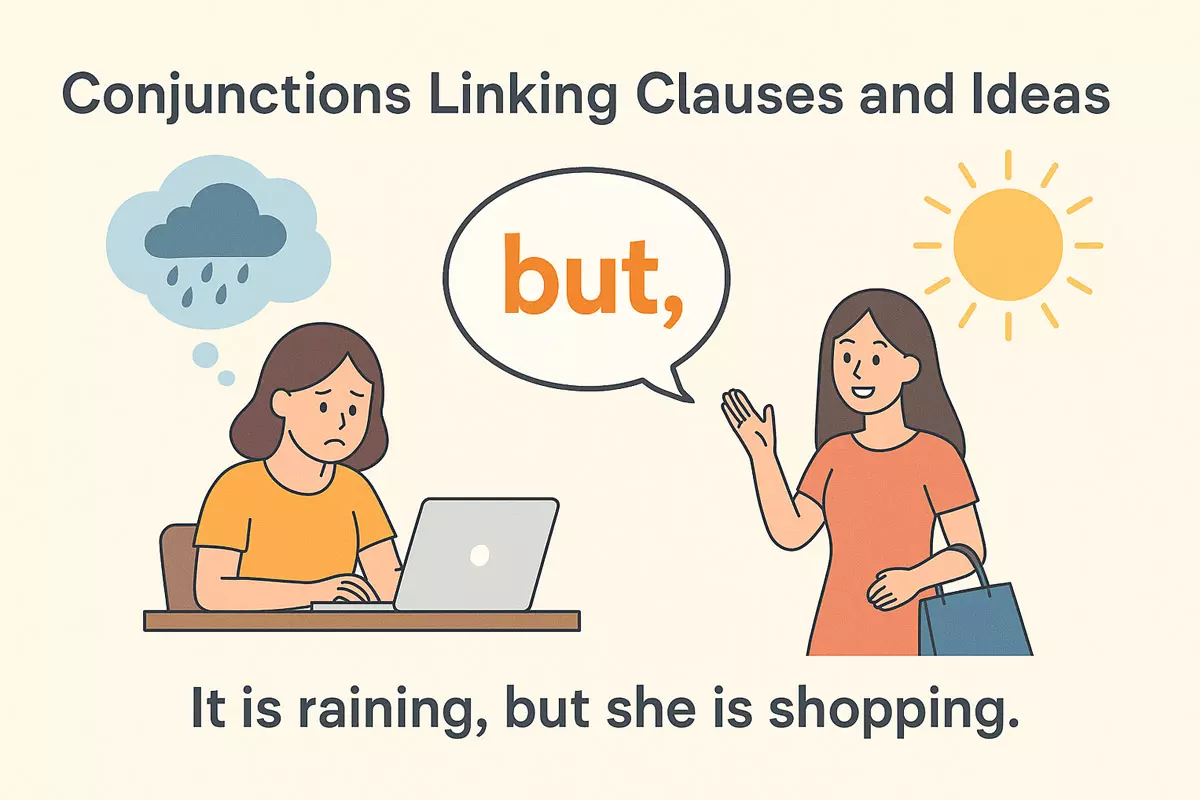 Here we methods for joining independent and dependent clauses, explains how to show logical connections such as contrast, cause, and time, details placement rules, and provides examples along with a mini practice section.
Connecting words are essential for clear communication because they help link thoughts and sentences smoothly, allowing us to express relationships between ideas effectively. By using these words, such as however, therefore, and meanwhile, our writing becomes more cohesive and easier to follow. They guide the reader through our arguments or narratives, clarifying how one point relates to another and preventing confusion. Mastering the use of connecting words can significantly improve the flow and readability of any piece of writing, making our messages more persuasive and engaging.
Joining Independent Clauses
When two statements can stand alone as complete sentences but are closely related, writers often connect them for smoother flow and clarity. This is typically done with coordinating conjunctions, conjunctive adverbs, or punctuation. Understanding how to link these ideas correctly helps avoid run-ons and fragments.
Using Coordinating Conjunctions
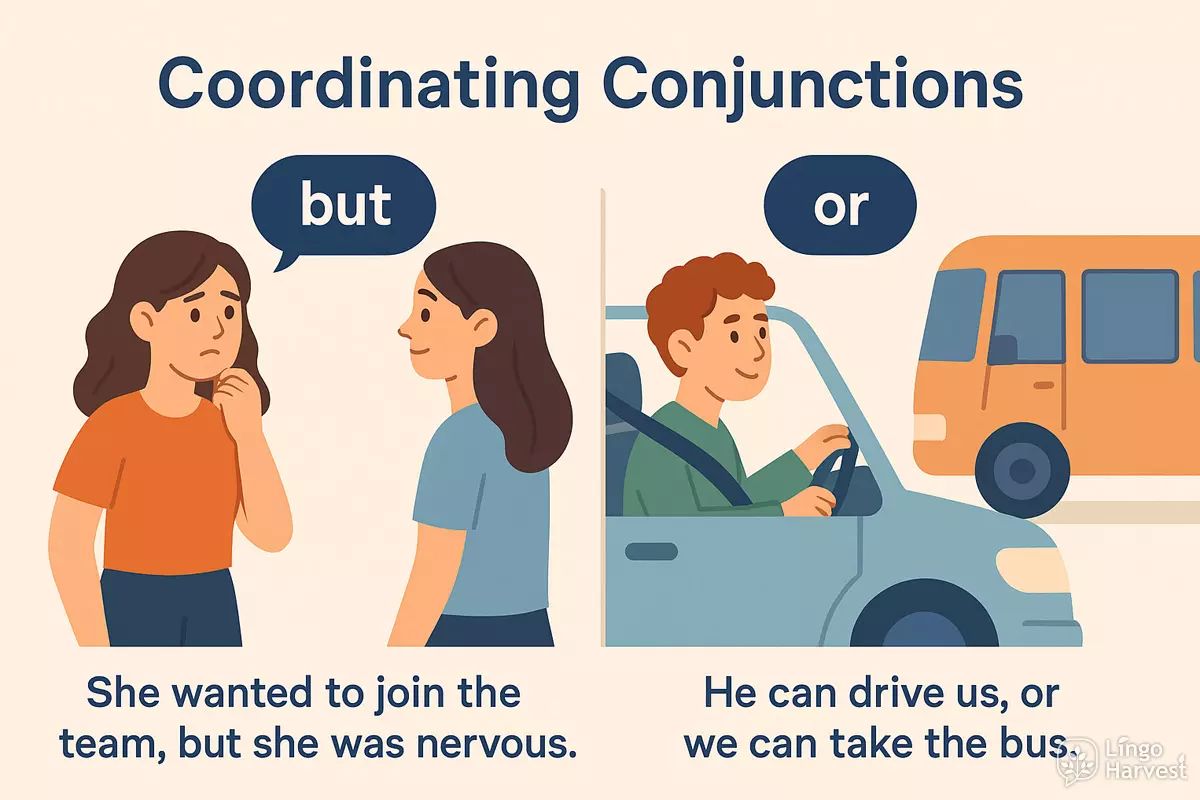
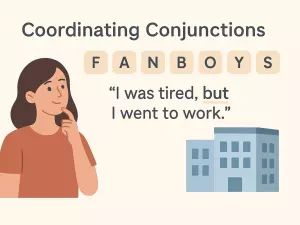
The most common way to connect two independent thoughts is by using coordinating conjunctions. These are sometimes remembered by the acronym FANBOYS: for, and, nor, but, or, yet, so. A comma is used before the conjunction:
- She wanted to join the team, but she was nervous.
- He can drive us, or we can take the bus.
- It started to rain, so we went inside.
- They studied hard, and they passed the exam.
Conjunctive Adverbs and Semicolons
Another approach is to use a semicolon followed by a conjunctive adverb and a comma. This method emphasizes the relationship between the statements:
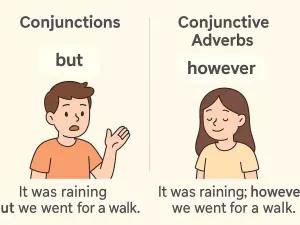
- The show was canceled; however, tickets will be refunded.
- He missed the meeting; therefore, he was not informed of the changes.
- We finished the project on time; consequently, our team received a bonus.
- The weather is perfect; nevertheless, few people are outside.
Coordinating Conjunctions vs. Conjunctive Adverbs
It can be helpful to compare how these two methods work. The table below shows typical patterns and punctuation for each:
| Method | Example | Punctuation Rule |
|---|---|---|
| Coordinating Conjunction | She likes tea, and he prefers coffee. | Comma before conjunction |
| Conjunctive Adverb | She likes tea; however, he prefers coffee. | Semicolon before, comma after adverb |
| Just a Semicolon | She likes tea; he prefers coffee. | Semicolon between clauses |
| Separate Sentences | She likes tea. He prefers coffee. | Period between sentences |
Common Errors and Tips
Writers sometimes forget necessary punctuation or use the wrong connector. Here are common issues to watch for:
- ❌ Run-on: She likes tea he prefers coffee.
- ✅ Correct: She likes tea, and he prefers coffee.
- ✅ Correct: She likes tea; he prefers coffee.
- ✅ Correct: She likes tea. He prefers coffee.
Mastering the various ways to link complete statements helps your writing remain clear and engaging, whether you’re narrating events, making comparisons, or presenting contrasting ideas.
Joining Dependent Clauses
When building complex sentences, writers often need to connect ideas that cannot stand alone. These are called subordinate or dependent clauses, and they rely on another clause for context and meaning. To link such clauses smoothly, subordinating conjunctions are essential tools. They clarify relationships like cause, time, contrast, or condition, making writing more nuanced and precise.
Common Subordinating Conjunctions
Writers use a variety of words to introduce subordinate clauses. Here are some frequently used subordinators:
- because
- although
- since
- unless
- while
- if
- as
- even though
- after
- before
- when
- whereas
- though
- so that
- once
- until
- where
- provided that
- as soon as
- in case
How Subordination Works in Sentences
A dependent clause cannot stand by itself. For example, "Because it was raining" is incomplete. By adding an independent clause, such as "we stayed inside," the sentence becomes clear: "Because it was raining, we stayed inside." Placement and punctuation matter: if the subordinate clause comes first, use a comma after it; if it follows the main clause, a comma is usually not needed.
Types of Relationships Expressed
Different subordinating conjunctions signal different logical connections:
- Time: when, after, before, until, as soon as
- Cause and effect: because, since, so that
- Contrast: although, even though, while, whereas
- Condition: if, unless, provided that, in case
- Purpose: so that
- Place: where, wherever
Examples of Subordinate Clause Patterns
Here are some sample patterns for combining ideas using subordination:
- Although it was late, she continued working.
- We will start dinner when he arrives.
- If you finish your homework, you can go outside.
- She stayed home because she was sick.
- He left early so that he could catch the train.
- Unless you call first, I won’t be able to help.
- After the show ended, everyone applauded.
- Wherever you go, I will follow.
- Since you asked, I’ll explain.
- As long as you try, that’s what matters.
Comparing Subordinating Conjunctions
| Conjunction | Function | Example |
|---|---|---|
| Because | Explains reason | She left because she was tired. |
| Although | Shows contrast | Although it rained, we went hiking. |
| If | Indicates condition | If you call, I will answer. |
| When | Relates to time | We met when we were children. |
| So that | Expresses purpose | I spoke loudly so that everyone could hear. |
Tips for Effective Use
- Choose the conjunction that best matches the relationship you want to express.
- Be aware of comma placement, especially when the subordinate clause comes at the start.
- Vary your sentence structure to improve readability and flow.
- Check that every dependent clause is attached to a complete thought.
By mastering subordination, writers can create more sophisticated and connected sentences, allowing ideas to flow logically and clearly.
Logical Connections
Conjunctions serve as essential tools for expressing relationships between different parts of a sentence or between sentences. By selecting the appropriate linking word, writers and speakers can show cause and effect, contrast, addition, condition, or time relationships. This clear signaling of how ideas relate to each other helps readers and listeners follow the flow of thought without confusion.
Types of Relationships Expressed by Conjunctions
Different conjunctions indicate various logical links. Here are some of the most common types:
- Addition: and, as well as, not only... but also, moreover
- Contrast: but, yet, however, although, whereas
- Cause and Effect: because, since, so, therefore, thus
- Condition: if, unless, provided that, in case
- Time: when, while, after, before, until, as soon as
- Purpose: so that, in order that, for the purpose of
- Alternative: or, either...or, whether...or
- Comparison: as...as, than, like, just as
- Result: so...that, such...that
- Concession: although, even though, though
Common Patterns for Linking Clauses
Some conjunctions connect two independent clauses, while others join a dependent clause to an independent one. Recognizing these patterns helps you construct clear, grammatically correct sentences.
| Conjunction Type | Example Sentence |
|---|---|
| Coordinating (e.g., and, but) | She wanted to go for a walk, but it started raining. |
| Subordinating (e.g., because, although) | Because he was tired, he went to bed early. |
| Correlative (e.g., either...or) | Either you start now, or you’ll miss the deadline. |
| Conjunctive Adverbs (e.g., however, therefore) | It was cold; however, we went swimming. |
Choosing the Right Linker
Consider the relationship you want to express. For instance, if you need to show contrast, words like although or however signal opposition. For cause and effect, because or so make the connection clear. Misusing conjunctions can lead to ambiguity or run-on sentences, so it's important to match the linker to the intended logic.
Mastering these connections improves both writing and speaking. With practice, you’ll find it easier to construct sentences that guide your audience smoothly from one idea to the next.
Contrast, Cause, Time
When building clear and nuanced sentences, conjunctions play a major role in linking ideas that show opposition, reasons, and sequences. Each group of connectors can subtly change the meaning and flow of your writing, so understanding their use is essential.
Conjunctions for Showing Contrast
Contrast conjunctions signal a difference or unexpected relationship between clauses. They help to clarify distinctions or exceptions within your ideas. Common options include:
- but
- however
- although
- even though
- yet
- whereas
- nevertheless
- on the other hand
- while
- still
For example: "She studied hard, but she didn't pass." or "The weather was cold; however, we went hiking."
Connectors Indicating Cause and Effect
To explain why something happens, we rely on cause and effect conjunctions. These words and phrases establish a logical relationship, making your argument clearer and more persuasive. Some frequently used connectors are:
- because
- since
- as
- so
- therefore
- thus
- because of
- due to
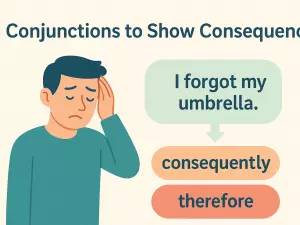
- consequently
- for this reason
Examples: "He left early because he was tired." or "The road was icy; therefore, the game was postponed."
Conjunctions for Expressing Time and Sequence
Time-related connectors organize events chronologically or show simultaneous actions. These are useful for telling stories, explaining processes, or sequencing steps. Common temporal conjunctions include:
- when
- while
- as soon as
- after
- before
- until
- once
- since
- by the time
- meanwhile
- whenever
- during
Example: "Call me when you arrive." or "She finished her work before dinner."
| Type | Examples | Typical Use |
|---|---|---|
| Contrast | but, although, while, yet, however | Highlight differences or exceptions |
| Cause/Effect | because, so, therefore, since, thus | Show reasons or results |
| Time/Sequence | when, after, as soon as, until, before | Indicate order or timing of actions |
Choosing the right connector can make your sentences more precise and logical. Practice identifying which type fits your intended meaning, and vary your usage to create engaging, coherent writing.
Placement Rules
When joining clauses or ideas with connecting words, word order can change depending on the conjunction used. Some connectors appear at the start of a sentence, while others fit naturally between two clauses. Understanding these structural patterns helps your writing flow smoothly and avoids confusion.
Coordinating Conjunctions
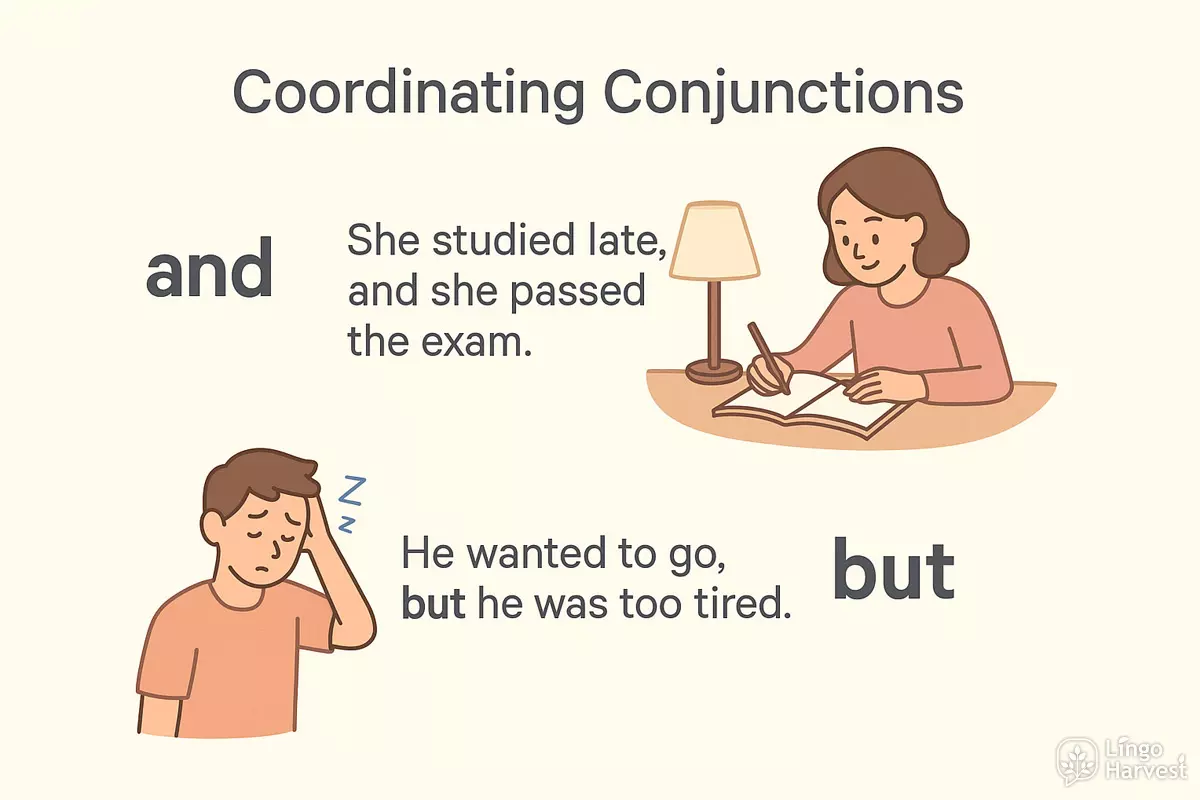
Words like and, but, or, nor, for, so, and yet typically sit between two independent clauses. They don’t alter the basic word order. For example:
- She studied late, and she passed the exam.
- He wanted to go, but he was too tired.
Notice the comma before the connector when it links full sentences.
Subordinating Conjunctions
These link a dependent (subordinate) clause to a main clause. Words like because, although, since, unless, and while can appear at the start or middle of a sentence. Placement affects punctuation:
- Although it was raining, we went outside. (comma needed)
- We went outside although it was raining. (no comma)
Correlative Conjunctions
These always appear in pairs and must be placed correctly to keep balance in the sentence. Common pairs include:
- either...or
- neither...nor
- both...and
- not only...but also
- whether...or
Example: Not only did she sing, but also she danced.
Common Placement Patterns
| Conjunction Type | Typical Position & Example |
|---|---|
| Coordinating | Between two independent clauses → She called, and he answered. |
| Subordinating (start) | Beginning of sentence → Because it was late, they left. |
| Subordinating (middle) | After main clause → They left because it was late. |
| Correlative | Paired before matched elements → Either you start, or I will. |
Additional Tips
- Avoid placing a coordinating conjunction at the very start of formal sentences.
- When a dependent clause opens a sentence, use a comma after it.
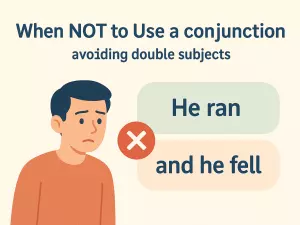
- Don’t use more than one conjunction to link the same two clauses.
- Maintain parallel structure when using correlative pairs.
- Check that each clause makes sense on its own when using connectors between two sentences.
- Some linking words (e.g., however, therefore) act as conjunctive adverbs and need a semicolon or period before them.
- Use a comma for clarity when a conjunction joins long or complex clauses.
- In informal speech, starting a sentence with a coordinator is common, but use this sparingly in formal writing.
- Don’t forget subject-verb agreement in each clause, regardless of the linking word.
- Review your sentences for run-ons; too many conjunctions can make them confusing.
Correct placement of connectors makes your ideas clear and sentences easy to follow. Experiment with different patterns to see how meaning and emphasis can shift.
Examples
Understanding how to connect clauses and ideas can make communication smoother and writing more fluent. Below are sample sentences and patterns that show how different connectors function, grouped by the relationships they express, such as addition, contrast, cause, and condition.
Addition and Sequence
- I wanted to go for a walk, but it started raining.
- She likes to read, and she enjoys painting.
- We can go hiking, or we can stay home and watch a movie.
- He finished his homework, then he played video games.
- Not only did she bake a cake, but also she made cookies.
Contrast and Comparison
- Although it was late, they continued working.
- He is tall, whereas his brother is short.
- She prefers tea, while her friend chooses coffee.
- Even though the task was difficult, they succeeded.
- On the one hand, it’s cheaper; on the other hand, it takes more time.
Cause, Effect, and Purpose
- She left early because she felt sick.
- They studied hard, so they passed the exam.
- Since you’re here, let’s start the meeting.
- In order to improve, you should practice daily.
- He wore a jacket so that he wouldn’t get cold.
Condition and Alternatives
- If it rains, we’ll stay indoors.
- You can join us unless you are busy.
- Provided that you finish your work, you can leave early.
- As long as you follow the rules, you will be fine.
- We’ll start the project whether he agrees or not.
Common Connectors in Context
| Connector | Sample Sentence |
|---|---|
| Although | Although he was tired, he kept studying. |
| Therefore | She was the most qualified; therefore, she got the job. |
| Unless | You won’t succeed unless you try. |
| However | He wanted to go; however, he had no time. |
| Because | We stayed home because it was snowing. |
| So that | Leave early so that you arrive on time. |
These patterns demonstrate how linking words can clarify relationships between statements. They help express reasons, contrasts, choices, and sequences, making your writing or speech more precise and natural.
Mini Practice
Try these exercises to reinforce your understanding of how joining words connect clauses and ideas. Review the instructions for each activity and check your responses by expanding the answer sections below.
Combine Sentences Using the Right Connector
Link each pair of sentences into one, using an appropriate conjunction (such as and, but, or, so, because, although, if, while, unless, since, when, etc.).
- It was raining. We went for a walk.
- She finished her homework. She watched TV.
- He didn’t study. He failed the test.
- You can have tea. You can have coffee.
- We will go to the park. It stops raining.
Show answers
- Although it was raining, we went for a walk.
- She finished her homework and (then) watched TV.
- He didn’t study, so he failed the test.
- You can have tea or coffee.
- We will go to the park if it stops raining.
Identify the Connector Type
For each sentence, name the type of linking word (coordinating, subordinating, or correlative):
- She was tired, but she finished the project.
- If you call me, I will help you.
- Either you start now or you will be late.
- He tried hard because he wanted to win.
- We wanted to go hiking and swimming.
Show answers
- Coordinating
- Subordinating
- Correlative
- Subordinating
- Coordinating
Common Linking Words: Quick Reference Table
| Type | Examples |
|---|---|
| Coordinating | and, but, or, nor, for, so, yet |
| Subordinating | because, although, if, while, unless, since, when, after, before |
| Correlative | either...or, neither...nor, both...and, not only...but also, whether...or |
Choose the Best Connector
Pick the most appropriate linking word for each blank:
- We can go to the cinema, _____ we can stay at home.
- He was late _____ he missed the bus.
- _____ you study hard, you will pass the exam.
- It was cold _____ sunny outside.
- _____ I called him, he didn’t answer.
Show answers
- or
- because
- If
- but
- Although