The Function of Conjunctions in Sentence Structure

 Here we how conjunctions work in sentence logic, form complex ideas, and connect words and phrases. It also covers reducing repetition, improving flow and clarity, and includes real examples plus a brief practice section.
Have you ever wondered how sentences flow smoothly and ideas connect effortlessly in writing? This smoothness is often achieved through the use of connecting words, also known as transition words or linking words. These words play a crucial role in organizing information, making it easier for readers to follow your thoughts and understand the relationships between different ideas. By using connectors such as however, therefore, and for example, writers can guide their audience through arguments, explanations, and narratives in a clear and coherent manner.
Role in Sentence Logic
Conjunctions are essential for linking ideas, creating logical relationships, and clarifying meaning within sentences. By joining clauses or phrases, these connecting words help readers and listeners follow the flow of thoughts, recognize contrasts, and understand cause-and-effect. Their presence often determines how information is prioritized and interpreted.
Types of Logical Connections
Writers and speakers rely on different conjunctions to express specific relationships between ideas. These can include addition, contrast, choice, and consequence. Here are some common logical functions that conjunctions serve within sentence structure:
- Adding information (e.g., and, as well as, both...and)
- Showing contrast or exception (e.g., but, yet, although)
- Expressing alternatives (e.g., or, either...or, neither...nor)
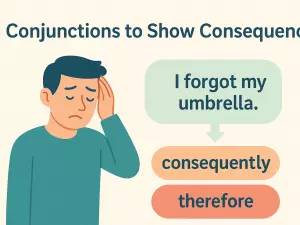
- Indicating cause and effect (e.g., because, since, so, therefore)
- Stating conditions (e.g., if, unless, provided that)
- Sequencing events (e.g., then, before, after, when)
- Clarifying purpose (e.g., so that, in order that)
- Providing explanations (e.g., for, as)
- Highlighting results (e.g., so, consequently)
- Describing contrast with unexpected results (e.g., though, even though)
Logical Impact of Conjunction Choice
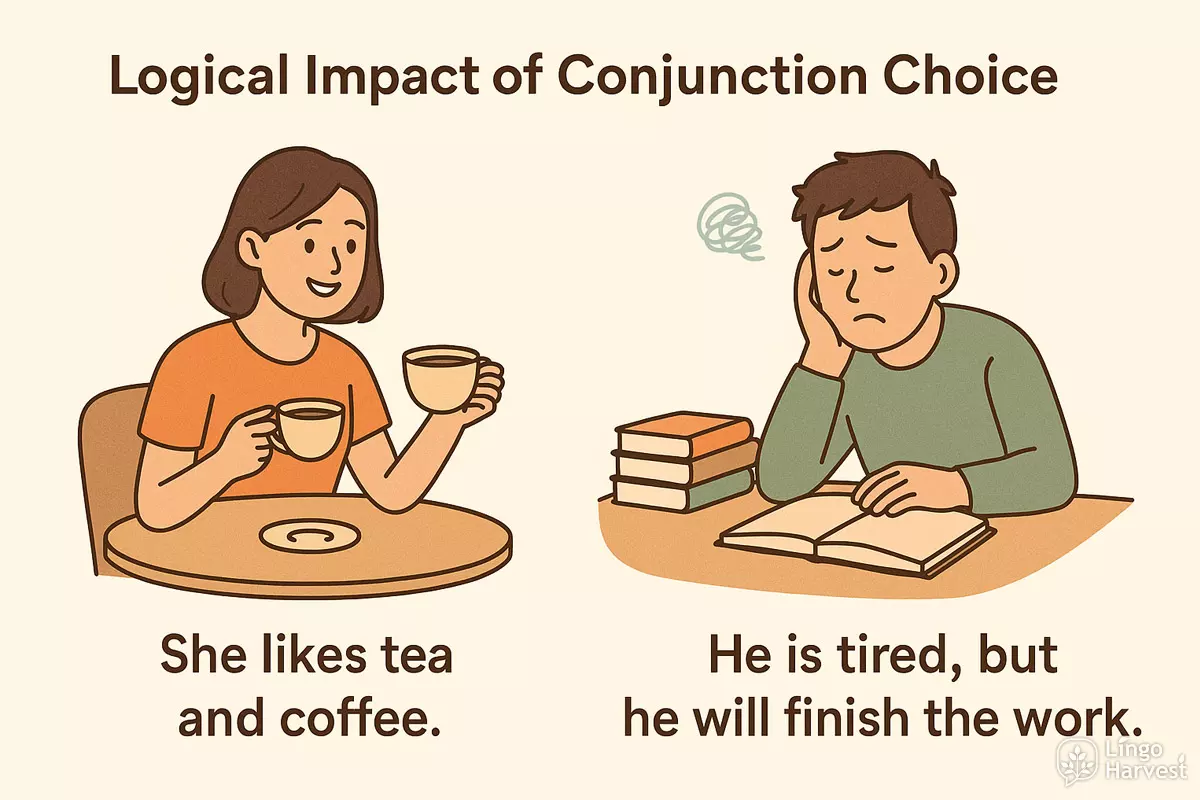
Selecting the right conjunction shapes the logical structure of a sentence. For instance, using but signals a contrast, while because introduces a reason. Misusing these can confuse the intended meaning or relationship between ideas.
| Logical Relationship | Example Conjunctions | Sample Sentence |
|---|---|---|
| Addition | and, as well as | She likes tea and coffee. |
| Contrast | but, yet, although | He is tired, but he will finish the work. |
| Cause/Effect | because, so | The match was postponed because it rained. |
| Condition | if, unless | If you study, you will pass. |
| Choice | or, either...or | You can have tea or coffee. |
Summary of Logical Functions
Understanding how conjunctions operate within sentences allows writers to craft clearer, more precise statements. By signaling relationships—such as reason, opposition, or sequence—these words guide the reader through complex ideas. Mastery of their use is key to logical, effective communication.
Creating Complex Ideas
When constructing sentences that express more than one thought or show relationships between ideas, connectors play a vital role. They help writers and speakers link clauses smoothly, allowing for nuanced communication. By joining independent and dependent clauses, these small but powerful words enable the development of richer, more layered statements.
How Connectors Build Richer Sentences
Linking words such as "because," "although," and "unless" make it possible to explain reasons, contrast different situations, and show conditions. Instead of a series of short, choppy sentences, these devices allow you to combine information in a way that clarifies relationships and intentions. Consider these examples:
- Although it was raining, they went for a walk.
- She will join us if she finishes work early.
- He studied hard because he wanted to pass the exam.
Common Types of Linking Words and Their Uses
Connection words can be grouped based on the relationship they express. Here is a helpful overview:
| Type | Examples & Typical Function |
|---|---|
| Coordination | and, but, or, nor, for, yet, so Join ideas of equal importance |
| Subordination | because, although, since, while, unless, if, after, before Show relationships like cause, time, contrast, condition |
| Correlative | either...or, neither...nor, both...and, not only...but also Pair ideas for emphasis or choice |
| Conjunctive Adverbs | however, therefore, moreover, consequently, meanwhile, otherwise Connect sentences or clauses with transitions |
Expanded Examples of Sentence Patterns
Using connectors, you can express a range of relationships. Here are some patterns and sample sentences:
- Contrast: She likes tea, but he prefers coffee.
- Cause and effect: They missed the bus so they were late.
- Condition: If it snows, school will be canceled.
- Choice: You can have cake or ice cream.
- Time: After he arrived, the meeting started.
- Addition: She is smart and hardworking.
- Alternative: Either call me or send an email.
- Contrast (correlative): Not only did he apologize, but also he offered help.
- Reason: Since it’s late, we should go home.
- Result: She was tired, therefore she went to bed early.
- Concession: Even though he was ill, he attended the meeting.
- Purpose: She left early so that she could catch the train.
Understanding how these words function within sentences makes it easier to express complex relationships and ideas clearly. They allow for precision, subtlety, and a natural flow in both spoken and written communication.
Connecting Words and Phrases
Conjunctions serve as the essential glue in sentences, linking ideas, clauses, or individual words to create logical relationships. By joining elements smoothly, they help writers express complex thoughts without confusion or abruptness. These connectors are not limited to formal writing—everyday communication relies on them for clarity and coherence.
Types of Linking Elements
There are several categories of connectors, each serving a unique structural purpose. Coordinating conjunctions (such as and, but, or) join similar elements, while subordinating conjunctions (like because, although, since) introduce dependent clauses and indicate relationships such as cause, contrast, or time. Correlative conjunctions work in pairs (for example, either...or, neither...nor) and require parallel structure.
Common Examples and Usage
A variety of words and phrases function as sentence connectors, each adding nuance. Here are some commonly used linking terms:
- and
- but
- or
- so
- because
- although
- since
- while
- unless
- however
- therefore
- meanwhile
- after
- before
- even though
- as soon as
- if
- when
- whereas
- in case
Selecting the right connector can clarify whether you are showing contrast, cause and effect, condition, or sequence.
Comparing Types of Conjunctions
| Type | Examples | Function |
|---|---|---|
| Coordinating | and, but, or, nor, for, so, yet | Links words, phrases, or clauses of equal rank |
| Subordinating | because, although, since, unless, if, while | Joins dependent (subordinate) clauses to main clauses |
| Correlative | either...or, neither...nor, not only...but also, both...and | Works in pairs to connect balanced elements |
| Conjunctive Adverbs | however, therefore, moreover, meanwhile | Connects independent clauses, often with punctuation |
Tips for Using Sentence Connectors
- Match the conjunction to the relationship you want to express: contrast, cause, time, or condition.
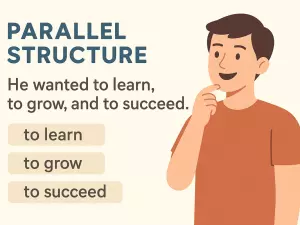
- Keep parallel structure when using correlative pairs.
- Avoid overusing the same connector; variety keeps writing engaging.
- Check punctuation—some connectors (like however) require commas or semicolons.
- Read sentences aloud to ensure the flow is natural and clear.
Reducing Repetition
Conjunctions help streamline sentences by linking similar ideas and phrases, allowing writers to avoid unnecessary duplication. Instead of restating information, these connecting words combine related items, actions, or descriptions into a single, cohesive structure. This not only makes writing more concise but also improves readability and flow.
How Conjunctions Prevent Wordiness
When constructing sentences, repeating the same subject, verb, or object can make the text cumbersome. Using conjunctions such as and, but, or, or nor enables grouping of similar sentence elements. This technique is especially helpful in lists or when expressing multiple actions performed by the same subject.
- She washed the dishes and cleaned the kitchen. (Instead of: She washed the dishes. She cleaned the kitchen.)
- We can go hiking or swimming. (Instead of: We can go hiking. We can go swimming.)
- He is smart but careless. (Instead of: He is smart. He is careless.)
Common Patterns for Conciseness
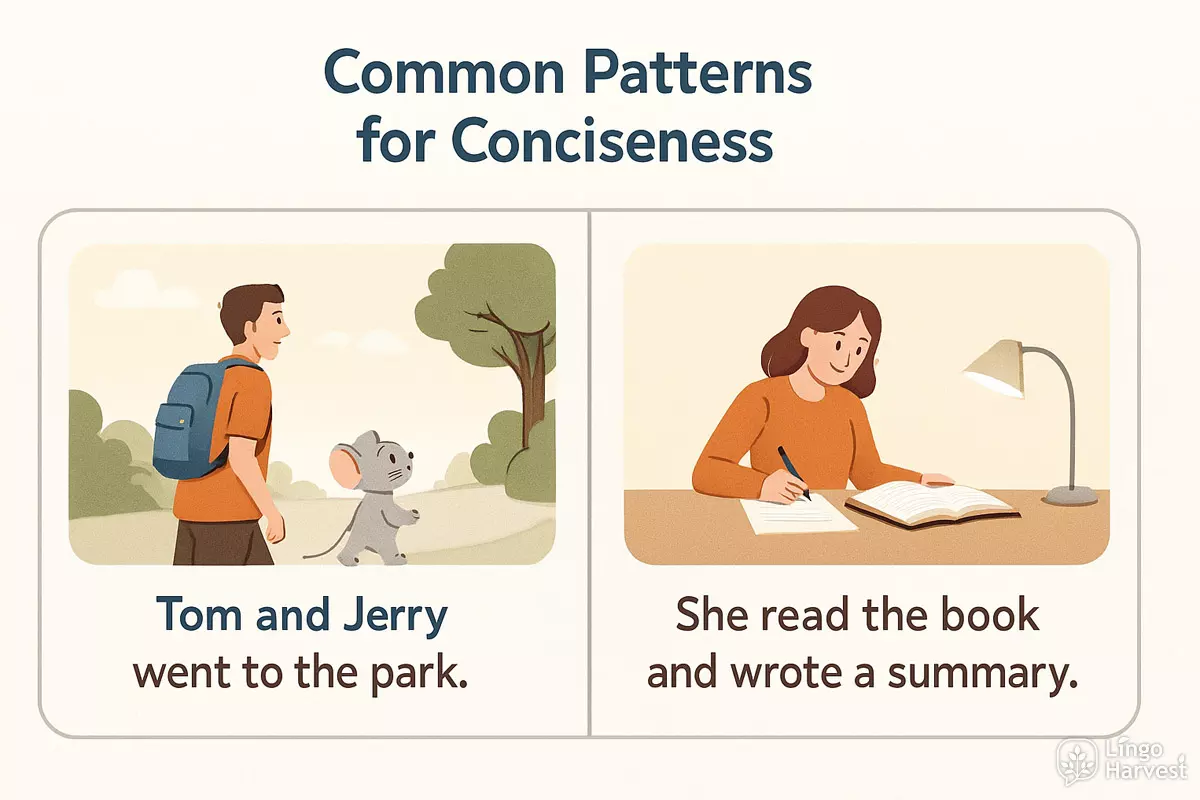
Writers often use conjunctions to merge ideas and avoid repeating parts of speech. Some typical structures include:
- Compound Subjects: Tom and Jerry went to the park.
- Compound Predicates: She read the book and wrote a summary.
- Compound Objects: They bought apples, oranges, and bananas.
- Paired Conjunctions: Both the teacher and the students enjoyed the discussion.
- Alternative Choices: You can have tea or coffee.
- Negative Alternatives: He neither called nor wrote.
- Contrasting Ideas: The task was difficult but rewarding.
- Conditions: Stay inside if it rains.
- Results: She was late, so she missed the bus.
- Reasons: He left early because he was tired.
Examples of Avoiding Redundancy with Conjunctions
Instead of listing similar actions or qualities separately, conjunctions enable writers to combine them efficiently. This is especially valuable in both spoken and written communication, where brevity is appreciated.
| Repetitive Version | With Conjunction |
|---|---|
| Emily likes apples. Emily likes oranges. Emily likes grapes. | Emily likes apples, oranges, and grapes. |
| He studied for the exam. He passed the exam. | He studied for the exam and passed it. |
| We can go to the museum. We can go to the zoo. | We can go to the museum or the zoo. |
| She is talented. She is hardworking. She is creative. | She is talented, hardworking, and creative. |
By thoughtfully using conjunctions, sentences become more efficient and engaging, allowing writers to express complex ideas without unnecessary repetition. This skill is essential for clear, effective communication in any context.
Flow and Clarity
Conjunctions act as connectors that help sentences progress smoothly. By linking words, phrases, or clauses, these small words create relationships that guide readers through ideas without abrupt breaks. This seamless movement is essential for making complex information easier to follow and understand.
How Connectors Improve Sentences
Using conjunctions effectively prevents choppy writing and reduces repetition. Instead of isolated statements, related details can be combined, showing how one idea leads to another. This not only makes writing more engaging but also helps highlight cause and effect, contrast, or choices within a sentence.
- and – joins similar ideas or items
- but – introduces contrast or exception
- or – presents alternatives or choices
- nor – connects negative ideas
- for – explains reason
- yet – adds unexpected contrast
- so – shows result or consequence
- because – gives a cause
- although – introduces concession
- while – contrasts or shows simultaneous actions
- since – gives a reason or time reference
- unless – sets a condition
- whereas – shows contrast
- when – indicates time
- before – marks sequence
- after – signals what follows
- if – introduces a condition
- even though – highlights contradiction
Types of Connections
Different conjunctions shape the relationships between ideas in various ways. Some show similarity, others highlight opposition, and some explain reasons or conditions. Recognizing these patterns helps writers organize information logically, which is crucial for clear communication.
| Type | Example Connection | Purpose |
|---|---|---|
| Coordinating | She studied hard and passed the test. | Joins equal elements |
| Subordinating | He left because he was tired. | Shows cause, time, or condition |
| Correlative | Either you start now or you’ll be late. | Works in pairs for balance |
| Adversative | She wanted to go, but it was raining. | Expresses contrast |
Writers who use these connectors thoughtfully can craft sentences that guide readers smoothly from one point to the next. This not only improves understanding but also makes the overall structure feel more natural and polished.
Real Examples
Understanding how linking words operate can be much easier when we see them used in sentences. Below, you'll find a range of sample sentences that illustrate how different types of connectors bring ideas together, clarify relationships, and improve the flow of statements. These illustrations cover both coordinating and subordinating types, as well as correlative pairs.
Common Coordinating Conjunctions in Context
- And: She likes tea, and he prefers coffee.
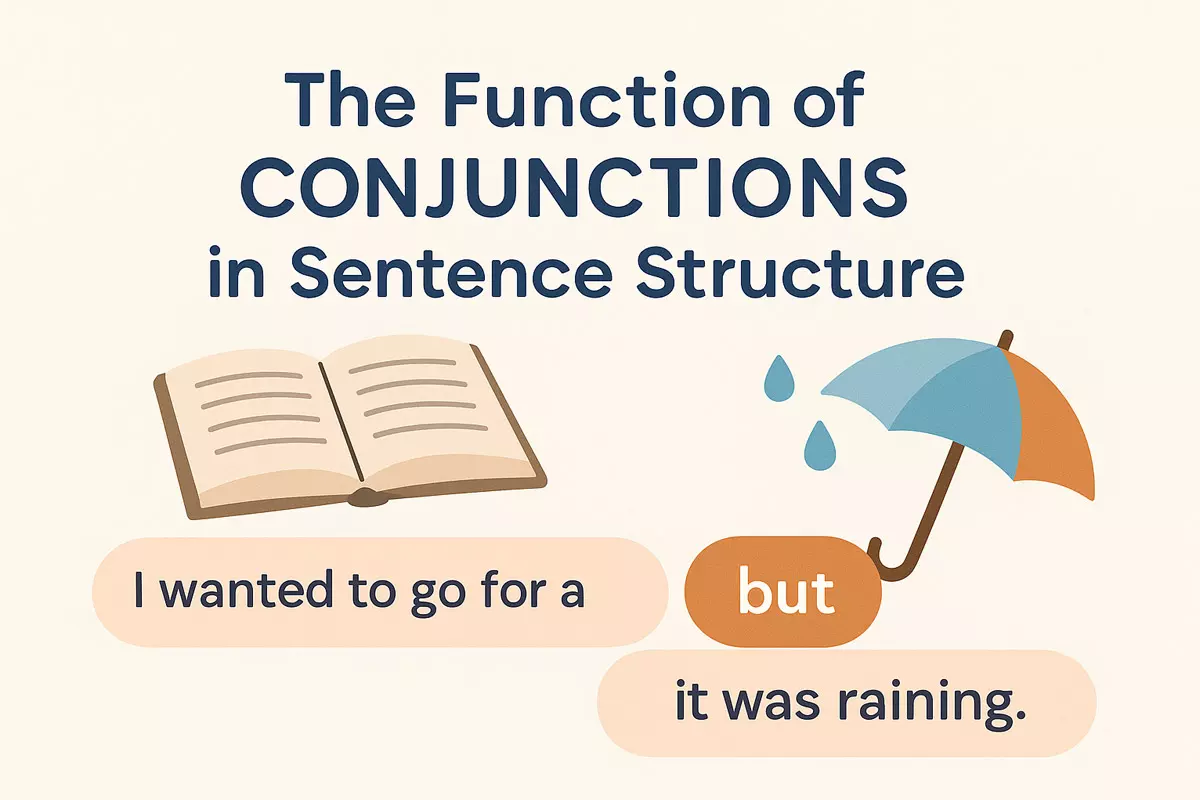
- But: I wanted to go for a walk, but it started raining.
- Or: Would you like pizza or pasta for dinner?
- Nor: He doesn't speak French, nor does he understand German.
- For: I must leave now, for I have an early meeting.
- Yet: She studied hard, yet she didn’t pass the test.
- So: We missed the bus, so we took a taxi.
Subordinating Conjunctions Used in Sentences
- Because: They stayed inside because it was snowing.
- Although: Although it was late, he continued working.
- Unless: You can't go out unless you finish your homework.
- Since: Since you’re here, let’s start the meeting.
- While: She read a book while waiting for the train.
- If: If it rains tomorrow, the picnic will be canceled.
- After: We went home after the movie ended.
- Before: Call me before you leave.
- Though: Though he tried his best, he couldn’t solve the puzzle.
Correlative Conjunctions in Use
- Either...or: Either you start now, or you’ll be late.
- Neither...nor: Neither the manager nor the assistant was available.
- Both...and: Both the cake and the cookies were delicious.
- Not only...but also: Not only did she win, but also set a new record.
- Whether...or: Whether it rains or shines, the event will go on.
Comparing Sentence Meaning with and without Conjunctions
| Without Conjunction | With Conjunction |
|---|---|
| She was tired. She finished her project. | She was tired, but she finished her project. |
| I will call you. I arrive. | I will call you when I arrive. |
| You can choose pizza. You can choose pasta. | You can choose either pizza or pasta. |
| We can stay here. We can go home. | We can stay here, or we can go home. |
These samples show how connectors help avoid choppy, disconnected writing and clarify how ideas relate to each other. By using these structures, writers and speakers can make their communication smoother and more precise.
Short Practice
Applying your understanding of how connecting words function can clarify how sentences are built and how ideas relate to one another. Below, you'll find opportunities to identify and use these linking elements in context.
Identify the Conjunction
Read each sentence and select the word that links the two clauses or words. Write your answer after each example.
- She wanted to go for a walk, but it started raining.
- We can visit the museum or the art gallery.
- He finished his homework before he watched TV.
- Not only did she bake a cake, but she also made cookies.
- Take your umbrella in case it rains.
Show answers
- but
- or
- before
- Not only / but also
- in case
Combine the Sentences
Join each pair of simple sentences using an appropriate connecting word. Try to use a different type (coordinating, subordinating, or correlative) for each.
- He is tired. He finished the race.
- You can have tea. You can have coffee.
- They practiced every day. They wanted to win the competition.
- She will go to the party. She finishes her assignment.
Show answers
- He is tired, yet he finished the race.
- You can have tea or coffee.
- They practiced every day because they wanted to win the competition.
- She will go to the party if she finishes her assignment.
Common Conjunctions at a Glance
Below is a quick-reference chart showing several types of linking words with brief examples. Use this to compare their forms and functions in different sentence structures.
| Type | Examples | Sample Sentence |
|---|---|---|
| Coordinating | and, but, or, nor, for, so, yet | She was hungry, so she made a sandwich. |
| Subordinating | because, although, if, when, unless, since | He stayed inside because it was cold. |
| Correlative | either...or, neither...nor, not only...but also | Either you start now or you miss the bus. |
| Conjunctive Adverbs | however, therefore, moreover, meanwhile | I was tired; however, I kept working. |
Spot the Error
Some sentences below use linking words incorrectly. Identify which sentences are incorrect and briefly explain why.
- He went to the store and bought some bread.
- Although it was raining, but we went outside.
- Neither the teacher nor the students were late.
- She will call you unless if she arrives early.
Show answers
- Correct
- Incorrect — "Although" and "but" should not be used together. Use one: "Although it was raining, we went outside."
- Correct
- Incorrect — "Unless" and "if" should not be combined: "She will call you if she arrives early" or "She will call you unless she arrives late."
Practicing with these examples will help you understand both the forms and the logic behind how linking words operate in sentence construction.