Personal vs Possessive Pronouns: Key Differences and Examples

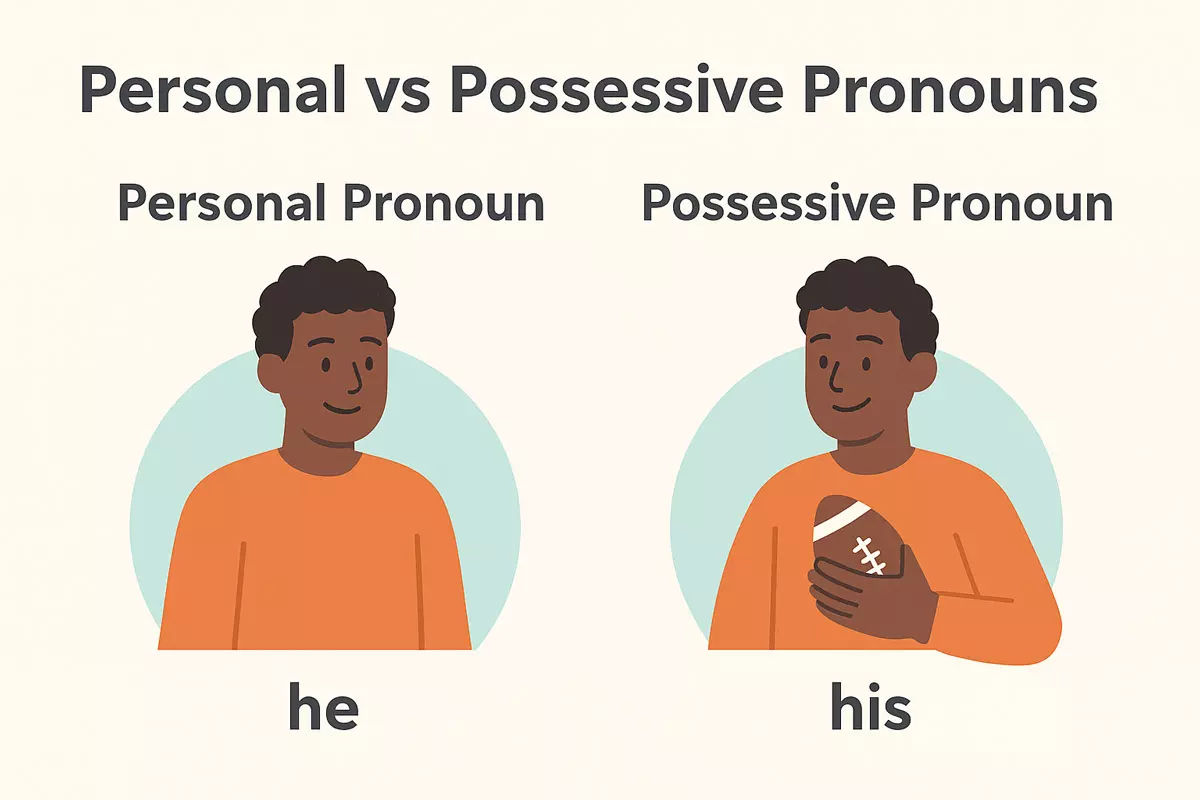 The article lists personal and possessive pronouns, explains how their functions differ, and points out common mistakes like his versus he. It also gives example sentences and practice exercises for choosing the right pronoun.
Choosing between words that refer directly to people, such as pronouns like he, she, or they, and words that indicate ownership, like his, her, or their, is essential for clear and effective communication. Many learners find these distinctions confusing at first, but with regular practice, recognizing when to use each type becomes much more intuitive. Paying attention to the context of your sentences will help you decide which form is appropriate, ultimately making both your writing and speech more precise and understandable.
Personal Pronouns List
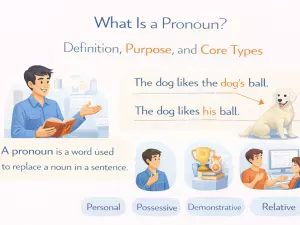
Understanding how to refer to people in English starts with mastering personal pronouns. These words stand in for nouns, helping us avoid repetition and clarify who is being discussed. Personal pronouns change depending on whether they are the subject or object in a sentence, as well as the number and gender of the person or thing being referred to.
Forms and Functions
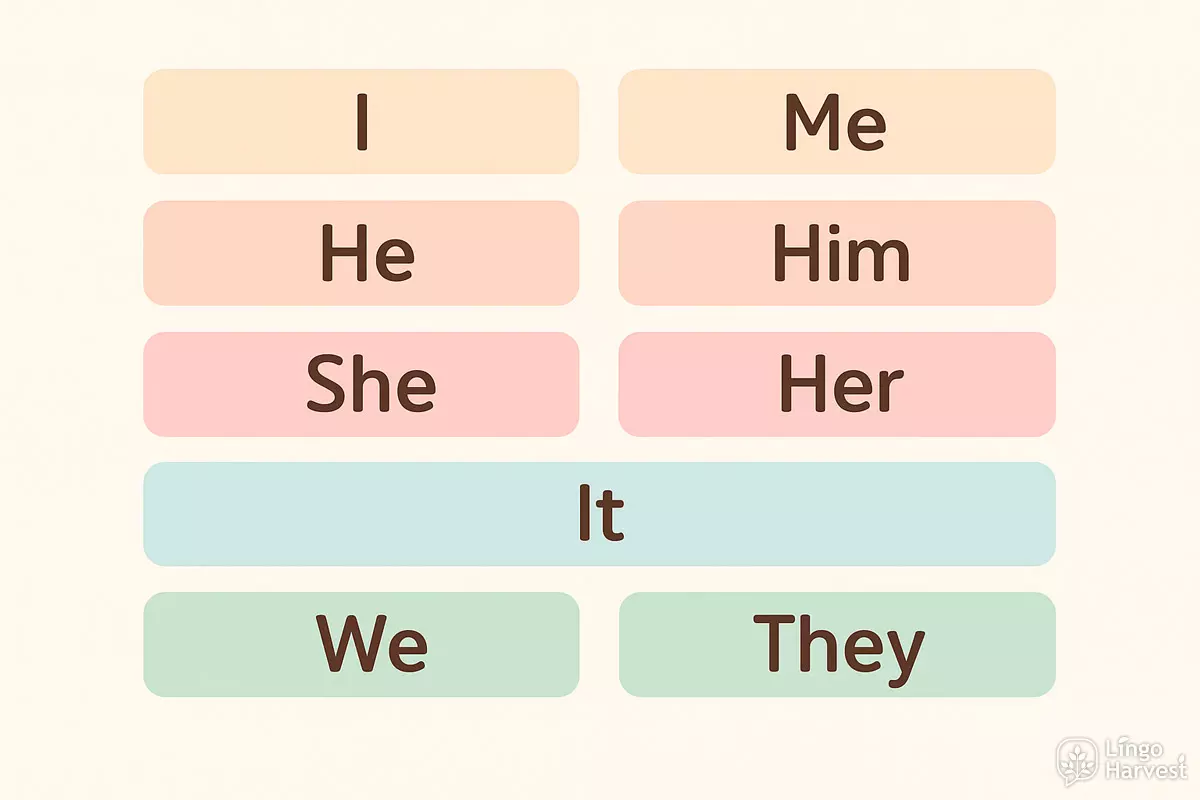
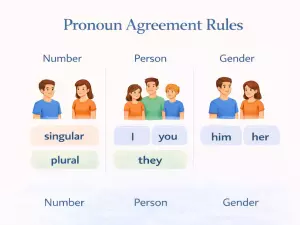
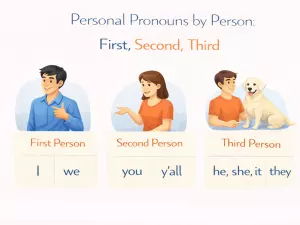
Personal pronouns are grouped according to person (first, second, third), number (singular, plural), and case (subjective, objective). Here’s how they are used:
- I – first person singular, subject (e.g., I am ready.)
- Me – first person singular, object (e.g., She called me.)
- You – second person singular/plural, subject or object (e.g., You know the answer.)
- He – third person singular, masculine, subject (e.g., He is late.)
- Him – third person singular, masculine, object (e.g., I saw him.)
- She – third person singular, feminine, subject (e.g., She arrived early.)
- Her – third person singular, feminine, object (e.g., We met her yesterday.)
- It – third person singular, neutral, subject or object (e.g., It is raining.)
- We – first person plural, subject (e.g., We agree.)
- Us – first person plural, object (e.g., They joined us.)
- They – third person plural, subject (e.g., They finished early.)
- Them – third person plural, object (e.g., I spoke to them.)
Summary Table: Personal Pronoun Forms
| Person & Number | Subject Form | Object Form |
|---|---|---|
| 1st Singular | I | Me |
| 2nd Singular/Plural | You | You |
| 3rd Singular (Masculine) | He | Him |
| 3rd Singular (Feminine) | She | Her |
| 3rd Singular (Neutral) | It | It |
| 1st Plural | We | Us |
| 3rd Plural | They | Them |
Quick Reference Examples
Consider these sentences to see how different forms fit into actual communication:
- I like coffee. → She gave me some.
- We are ready. → Join us outside.
- They travel often. → I met them abroad.
- He is a teacher. → I spoke to him yesterday.
- It works well. → I fixed it myself.
Personal pronouns are essential for clear and natural English, adapting to the context and relationships between speakers and listeners.
Possessive Pronouns List
Understanding which words show ownership is essential for clear communication. Possessive pronouns are used to indicate that something belongs to someone or something. Unlike possessive adjectives (like "my" or "their"), these pronouns stand alone and replace both the owner and the thing owned, making sentences less repetitive. For example, instead of saying “That is my book,” you can simply say, “That book is mine.”
Common Possessive Pronouns in English
Here are the main pronouns used to show possession. Each one corresponds to a specific personal pronoun:
- mine
- yours
- his
- hers
- its (rarely used, usually in formal or poetic contexts)
- ours
- yours (plural)
- theirs
Quick Comparison: Personal vs. Possessive Pronouns
To clarify how these forms relate, see the overview below. This helps avoid confusion between the two types and shows which possessive form matches each personal pronoun.
| Personal Pronoun | Possessive Pronoun |
|---|---|
| I | mine |
| you (singular) | yours |
| he | his |
| she | hers |
| it | its |
| we | ours |
| you (plural) | yours |
| they | theirs |
Examples in Sentences
Using these terms in context makes their role clear:
- That umbrella is mine.
- Is this pencil yours?
- This seat was hers.
- The choice is theirs.
- All of the snacks are ours.
Possessive pronouns help avoid repetition, make speech more natural, and clarify who owns what. They are used without a noun following them, distinguishing them from possessive adjectives. Remember, the right form depends on the subject being replaced, so matching these correctly is key for accuracy.
How They Differ in Function
Personal and possessive pronouns both refer to people or things, but their roles in a sentence set them apart. Personal pronouns act as stand-ins for nouns, taking the place of the subject or object, while possessive pronouns show ownership or association. This means they answer different questions: personal pronouns focus on who is involved, and possessive forms indicate whose something is.
Personal Pronouns: Subject and Object Roles
Personal pronouns step in for nouns to avoid repetition and keep sentences flowing. They can be subjects (doing the action) or objects (receiving the action). For example:
- She went to the store. (subject)
- Tom called him. (object)
- We are ready. (subject)
- The teacher saw us. (object)
Possessive Pronouns: Showing Ownership
Possessive pronouns replace both the noun and its possessor, indicating who owns what. They never take apostrophes and stand alone, unlike possessive adjectives (my, your, his, etc.). Some examples:
- This book is mine.
- Is that car yours?
- The idea was theirs.
- These keys are ours.
Comparison Table: Usage at a Glance
| Type | Function | Examples in Sentences |
|---|---|---|
| Personal Pronoun | Stands in for a noun as subject or object | He laughed. She saw them. |
| Possessive Pronoun | Shows ownership, replaces noun + possessor | This bag is hers. That idea was ours. |
Quick Reference: When to Use Each
- Choose a personal pronoun when you need to refer to a person or thing as the doer or receiver of an action.
- Use a possessive form when you want to indicate who owns or is associated with something, without repeating the noun.
To sum up, the choice between these two types depends on whether you’re talking about the actor/object in a sentence or ownership. Picking the right one helps make your meaning clear and your writing more concise.
Common Mistakes (his vs he)
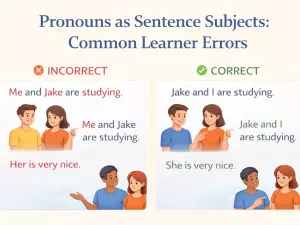
Confusing “his” and “he” is a frequent error, especially for English learners. These two words may seem similar, but they serve different grammatical roles. “He” is a subject pronoun, used as the subject of a sentence, while “his” is a possessive adjective or pronoun, indicating ownership or association.
Understanding the Difference
“He” performs the action in a sentence. For example, “He runs every morning.” In contrast, “his” shows that something belongs to or relates to a male person: “His shoes are new.” Mixing these up can lead to confusing or ungrammatical sentences.
Typical Mix-Ups
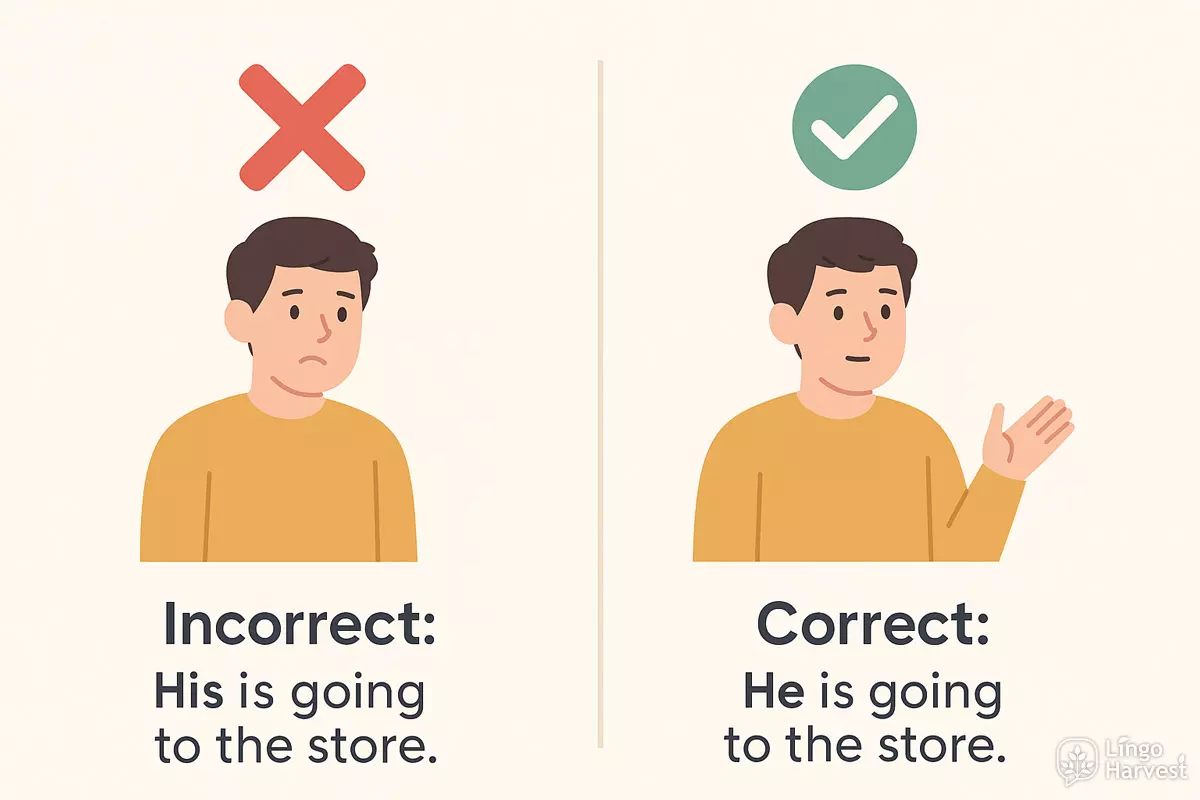
Learners often substitute “his” for “he” or vice versa. Here are some patterns and examples where mistakes commonly occur:
- ❌ Incorrect: His is going to the store.
✅ Correct: He is going to the store. - ❌ Incorrect: He car is fast.
✅ Correct: His car is fast. - ❌ Incorrect: This is he book.
✅ Correct: This is his book. - ❌ Incorrect: His likes pizza.
✅ Correct: He likes pizza. - ❌ Incorrect: I saw he at the park.
✅ Correct: I saw him at the park. - ❌ Incorrect: He brother is tall.
✅ Correct: His brother is tall. - ❌ Incorrect: That is he bag.
✅ Correct: That is his bag. - ❌ Incorrect: His is a teacher.
✅ Correct: He is a teacher. - ❌ Incorrect: He name is John.
✅ Correct: His name is John. - ❌ Incorrect: This pen is he.
✅ Correct: This pen is his.
Quick Reference: Subject vs Possessive
It helps to remember the roles these pronouns play. Here’s a quick comparison:
| Function | Example Sentence |
|---|---|
| Subject pronoun (“he”) | He likes to read. |
| Possessive adjective (“his”) | His book is interesting. |
| Possessive pronoun (“his”) | This pen is his. |
| Incorrect usage | ❌ His is running fast. |
Tips to Avoid Errors
Always check if you need a word that shows who does something (use “he”) or one that shows possession (use “his”). If you can replace the word with “her” or “their” and it makes sense, you probably need “his.” With practice, choosing the right form becomes automatic.
Examples in Sentences
Understanding how to use personal and possessive pronouns correctly can make your writing and speech clearer. Here are practical sample sentences that highlight the differences and typical usage patterns for both pronoun types.
Personal Pronouns in Context
Personal pronouns replace nouns and refer to people or things directly. Here are several examples:
- She went to the store.
- They are playing outside.
- He forgot his keys.
- We enjoyed the concert.
- I am reading a book.
- You should try this recipe.
- It is raining today.
Possessive Pronouns in Context
Possessive pronouns show ownership or belonging. Notice how these replace a noun phrase to avoid repetition:
- The car is mine.
- This notebook is yours.
- Their house is bigger than ours.
- Is this umbrella hers?
- The decision was theirs to make.
- Its color has faded over time.
Comparing Personal and Possessive Pronouns
To make the distinctions clearer, let’s look at sentences that use both forms side by side.
| Personal Pronoun | Possessive Pronoun |
|---|---|
| She likes this book. | This book is hers. |
| We finished our project. | The project is ours. |
| They have a dog. | The dog is theirs. |
| He forgot his phone. | The phone is his. |
| I made this cake. | This cake is mine. |
Tips for Choosing the Right Pronoun
When deciding between these two types, consider whether you are replacing a noun (use personal) or indicating ownership (use possessive). For instance:
- You can borrow my pen, but please return it.
- They brought their lunch from home.
- It lost its tail.
Seeing these patterns in real-life statements helps reinforce the difference and guides you in making the right choice in both writing and conversation.
Practice: Replace with Correct Pronoun
Understanding when to use personal and possessive pronouns is essential for clear English communication. Below, you'll find exercises that help reinforce the distinction between these two types. Try to identify the correct pronoun for each blank. Consider whether the sentence requires a pronoun that stands in for a noun (personal) or shows ownership (possessive).
Fill in the Blanks
Choose the best pronoun to complete each sentence. Think about whether the context requires a subject/object pronoun (like he, them, us) or a possessive (like his, their, our).
- ___ (She/Her/Hers) forgot ___ (her/hers/she) keys at home.
- ___ (They/Their/Theirs) finished ___ (their/theirs/they) homework early.
- This is not ___ (my/mine/me) backpack; it belongs to ___ (him/his/he).
- ___ (We/Our/Ours) are going to the park with ___ (their/them/they).
- Is this seat ___ (your/yours/you), or can I take it?
- The dog wagged ___ (its/it’s/it) tail when ___ (it/its/it’s) saw ___ (us/our/ours).
- ___ (He/Him/His) likes to share ___ (his/he/him) ideas with ___ (she/her/hers).
- ___ (I/Me/Mine) lost ___ (my/mine/me) phone yesterday.
- ___ (You/Your/Yours) should bring ___ (your/yours/you) umbrella today.
- ___ (Their/They/There) house is bigger than ___ (our/ours/we).
Show answers
- She forgot her keys at home.
- They finished their homework early.
- This is not my backpack; it belongs to him.
- We are going to the park with them.
- Is this seat yours, or can I take it?
- The dog wagged its tail when it saw us.
- He likes to share his ideas with her.
- I lost my phone yesterday.
- You should bring your umbrella today.
- Their house is bigger than ours.
Common Pronoun Confusion: Examples
Some English pronouns are easily confused. Here are several sentences where you’ll need to distinguish between personal and possessive forms:
- ___ (Their/They’re/There) coming to ___ (our/ours/we) party tonight.
- Is this jacket ___ (your/yours/you)?
- ___ (Its/It’s) raining, so bring ___ (your/yours/you) coat.
- ___ (We/Us/Our) enjoyed ___ (their/theirs/they) performance.
Show answers
- They’re coming to our party tonight.
- Is this jacket yours?
- It’s raining, so bring your coat.
- We enjoyed their performance.
Quick Reference: Personal vs Possessive Forms
Here is a handy overview of common English pronouns, showing both personal and possessive forms for comparison:
| Personal Pronoun | Possessive Adjective | Possessive Pronoun |
|---|---|---|
| I | my | mine |
| you | your | yours |
| he | his | his |
| she | her | hers |
| it | its | — |
| we | our | ours |
| they | their | theirs |
Reviewing these forms can help you quickly select the appropriate pronoun when writing or speaking. Practice with more sentences of your own to gain confidence.