How to Use “They” for Unknown or Generic People

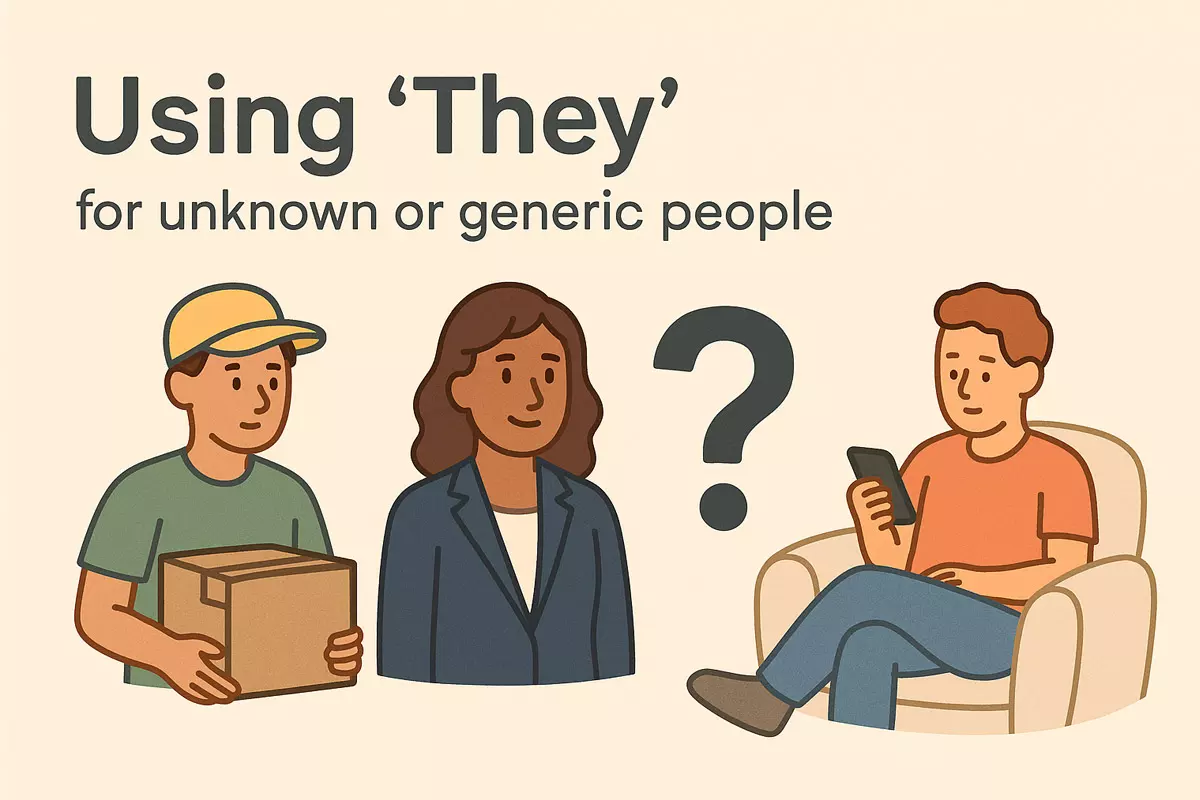 Here we why we use they as a gender-neutral pronoun, its use for unknown people, how it appears in modern English, common examples and mistakes, and provides practice rewriting sentences with they.
When you’re unsure of someone’s gender or are talking about people in general, choosing the right pronoun can seem challenging. However, English offers an easy and inclusive option: the singular “they.” This pronoun is widely accepted and commonly used to refer to individuals whose gender is unknown or unspecified, as well as in general statements. By using “they” in these situations, you can communicate clearly and respectfully without making assumptions about anyone’s identity.
Why We Use They
English speakers often reach for “they” when the gender of a person is unknown, unspecified, or irrelevant. This usage helps us communicate efficiently and respectfully, especially in situations where guessing someone’s gender would be awkward or incorrect. Instead of defaulting to “he” or “she,” the singular “they” offers a practical way to refer to someone in general terms, such as “If anyone calls, tell them I’ll call them back.” This avoids making assumptions and keeps language inclusive.
Clarity and Inclusivity
Using “they” in these contexts helps avoid ambiguity and unnecessary gendering. It’s especially useful in instructions, hypothetical situations, or when referring to roles that could be filled by anyone. For example, “A good teacher listens to their students.” This approach ensures that everyone feels included and represented in language, regardless of gender identity.
Common Situations for Generic “They”
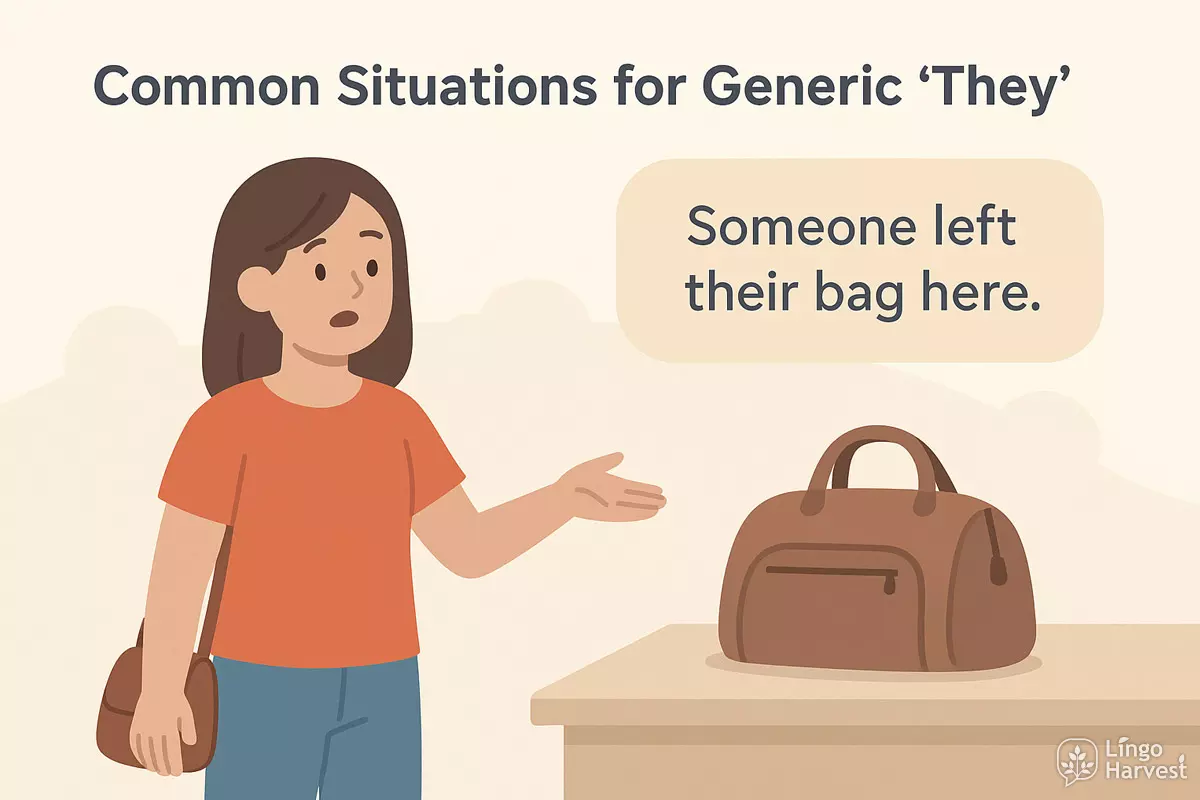
- Describing an unknown person: “Someone left their bag here.”
- Writing instructions: “Each participant should bring their own pen.”
- Talking about hypothetical people: “If a customer asks, tell them we’re closed.”
- General rules or policies: “Every student must submit their assignment on time.”
- Anonymous feedback: “If anyone has suggestions, they should email us.”
- Job descriptions: “The candidate must show they can work independently.”
- Discussing future roles: “Whoever is chosen will have their work cut out for them.”
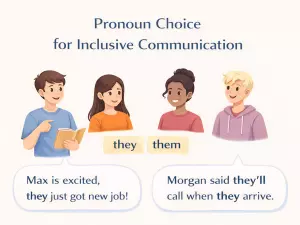
- Referring to someone whose gender is private: “My friend said they’ll help.”
- Talking about a generic group member: “Each team member should do their part.”
- Describing a person in a story: “A traveler lost their way.”
Why Not Just Use “He” or “She”?
Relying on “he” or “she” can unintentionally exclude or misrepresent people, especially when the gender is unknown or varies. “They” acts as a neutral alternative, keeping statements simple and fair. This is especially important in modern writing and speech, where inclusivity is valued.
Comparing Pronoun Choices
| Scenario | Pronoun Used |
|---|---|
| Unknown person calls | “If someone calls, tell them I’ll call back.” |
| Generic job description | “The applicant must show they are qualified.” |
| Traditional (now less common) | “Each student must hand in his paper.” ❌ |
| Inclusive, modern | “Each student must hand in their paper.” ✅ |
Ultimately, using “they” for unknown or generic people helps create clear, respectful, and modern communication. It streamlines language and prevents unnecessary assumptions.
They for Unknown People
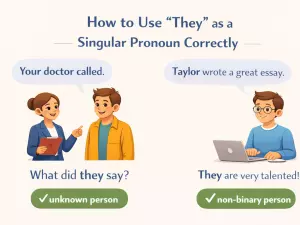
When you don’t know someone’s gender or identity, “they” is the most natural way to refer to that person in English. This approach is common in both spoken and written language, especially when talking about a hypothetical individual or someone whose details are not provided. This helps avoid awkward or incorrect assumptions and makes your language inclusive and accurate.
Why Use “They” for an Unknown Person?
Using “they” as a singular pronoun is not just about grammar—it’s about clarity and respect. English speakers often need to refer to people they haven’t met or whose identities are not clear. In these cases, “they” is preferred over alternatives like “he or she” or defaulting to “he,” which can feel outdated or exclusive.
Common Scenarios
- When you find a lost item: “Someone left their umbrella here.”
- Asking about an unidentified caller: “Did they leave a message?”
- Talking about a stranger: “If anyone calls, tell them I’ll be back soon.”
- Discussing an applicant: “The candidate said they could start next week.”
- Reporting an incident: “A driver hit my car, but they didn’t stop.”
- Giving instructions: “If a student has questions, they should ask the teacher.”
- Describing a hypothetical person: “If someone wants to join, they need to sign up.”
- Talking about an author or creator: “Whoever wrote this, they did a great job.”
- Referring to a customer: “The customer said they were in a hurry.”
- Discussing a witness: “The witness said they saw everything.”
- When the person’s gender is irrelevant: “Every participant must bring their own pen.”
- Referring to a thief: “The thief got away before anyone saw where they went.”
- Describing a neighbor: “Someone moved in next door, but I haven’t met them yet.”
- Talking about a patient: “The patient said they felt better.”
- Discussing a user online: “If a user has trouble logging in, they should reset their password.”
- Announcing a visitor: “There’s someone at the door. Do you know who they are?”
- Referring to a member of a group: “If a team member is late, they should let us know.”
- Talking about a recipient: “Whoever gets this note, I hope they understand.”
Singular “They” in Different Sentence Types
You can use “they” for an unknown person in statements, questions, and even commands. Notice how it fits naturally, even when the person is singular:
- Statement: “Someone called, but they didn’t leave a number.”
- Question: “Did they mention why they were calling?”
- Command: “If anyone arrives early, tell them to wait.”
How “They” Replaces Gendered Pronouns
Previously, English often used “he” or “he or she” for unknown individuals. Now, “they” is standard and feels more natural. Here’s a quick comparison:
| Old Style | Modern Style (with “They”) |
|---|---|
| If a student forgets his book, he should ask the teacher. | If a student forgets their book, they should ask the teacher. |
| Every customer must show his or her ID. | Every customer must show their ID. |
| When a worker is late, he needs to explain. | When a worker is late, they need to explain. |
| If anyone calls, tell him to wait. | If anyone calls, tell them to wait. |
Using “they” for an unidentified individual is not just grammatically accepted—it’s the norm in modern English. It streamlines sentences and avoids unnecessary gender references, making communication smoother and more respectful.
They for Gender Neutrality
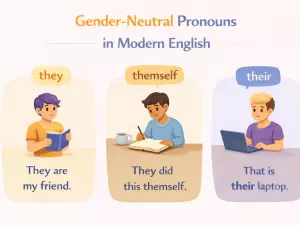
Using “they” as a singular pronoun is a common way to refer to a person whose gender is unknown, unspecified, or intentionally not revealed. This approach avoids assuming someone’s gender and ensures language remains inclusive and respectful. In everyday communication, especially in English, this practice helps speakers and writers avoid awkward constructions like “he or she” and steers clear of gendered assumptions.
Why Use “They” in Place of Gendered Pronouns?
English speakers often encounter situations where a person’s gender isn’t known or isn’t relevant. For example, when talking about a hypothetical individual or a new acquaintance, defaulting to “he” or “she” can be inaccurate or exclusionary. “They” offers a neutral alternative that covers all possibilities without drawing attention to gender at all.
- Refers to anyone, regardless of gender identity
- Prevents misgendering in writing and speech
- Works smoothly in both formal and informal contexts
- Recommended in modern style guides
- Often preferred by people who identify outside the gender binary
- Reduces awkward phrases like “he or she,” “his/her,” etc.
- Fits naturally in both singular and plural contexts
- Reflects evolving social norms about gender
- Useful when discussing hypothetical or generic individuals
- Helps create an inclusive environment for all readers and listeners
Examples of Singular “They” in Action
Here are common ways that “they” can appear in sentences to refer to an unknown or generic person:
- Someone left their umbrella here.
- If a student has questions, they should ask the teacher.
- Each employee must submit their report by Friday.
- Whoever called didn’t leave their name.
- Ask your friend if they want to join us.
- A doctor should listen to their patients.
- Anyone can bring their own lunch.
- If anyone objects, they should speak now.
- Every applicant must show they are qualified.
- The winner will be announced when they arrive.
- Tell the next person they can come in.
- No one should feel they are left out.
- Each visitor must sign their name.
- If someone wants to help, they are welcome.
- Everybody thinks they are right.
- Each participant will get their own badge.
- If a guest needs assistance, they can ask staff.
- Whoever wins will know they did their best.
Comparing Gendered and Gender-Neutral Pronouns
| Gendered Pronoun | Gender-Neutral “They” |
|---|---|
| If a student forgets his book… | If a student forgets their book… |
| Ask your friend if he/she wants to join. | Ask your friend if they want to join. |
| Each employee must sign his or her name. | Each employee must sign their name. |
| The winner will be announced when he or she arrives. | The winner will be announced when they arrive. |
They in Modern English
The word “they” has evolved beyond its traditional use as a plural pronoun. In current usage, it often refers to a single person whose gender is unknown, unspecified, or irrelevant. This shift reflects a growing awareness of inclusivity and the need for language that accommodates everyone, especially in situations where details about a person are not provided or are intentionally generic.
Using “They” for Unknown or Generic People
When talking about someone in general or when the gender is not known, “they” is now widely accepted. For example, instead of saying “If a student finishes his or her exam early, he or she may leave,” it’s natural to say, “If a student finishes their exam early, they may leave.” This construction avoids awkward repetition and is more streamlined.
- “Someone left their umbrella behind.”
- “If anyone calls, tell them I’ll call back later.”
- “Each applicant should submit their resume.”
- “A doctor should always listen to their patients.”
- “No one knows where they went.”
- “Whoever arrives first, give them this message.”
- “Every visitor must wear their badge.”
- “If a child loses their toy, they might cry.”
- “Somebody left their lights on.”
- “Ask any employee if they can help.”
- “If your friend calls, tell them I’m busy.”
- “A person should trust their instincts.”
- “Nobody wants to feel like they are ignored.”
- “If a guest arrives early, offer them a drink.”
- “Tell whoever is waiting that they can come in now.”
- “If a writer is disciplined, they will finish their book.”
- “Anybody who wants to join is welcome; just give them the details.”
- “Has anyone said where they are going?”
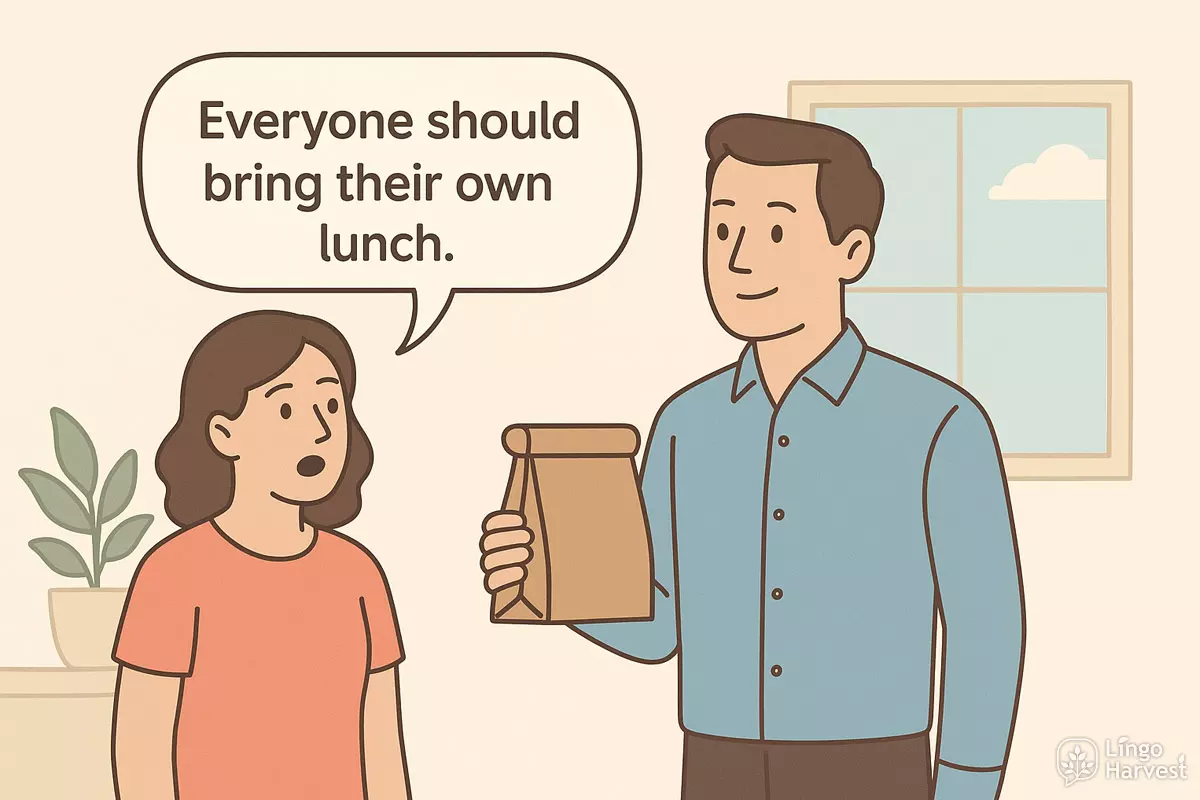
- “Everyone should bring their own lunch.”
- “If an employee has questions, they should ask HR.”
Grammatical Patterns and Considerations
Using “they” as a singular pronoun is grammatically correct and recognized by major style guides. Verb agreement follows the plural form (“they are,” “they have”), even when referring to one person. For clarity, here is how singular and plural “they” compare in context:
| Context | Example Sentence | Meaning |
|---|---|---|
| Singular (unknown/generic) | “If a guest arrives, they can sit here.” | Refers to any one guest; gender not specified. |
| Plural (more than one person) | “The guests said they enjoyed the party.” | Refers to multiple guests. |
| Nonbinary (specific person) | “Alex said they are coming later.” | Refers to a person who uses “they” pronouns. |
| Indefinite (generic) | “Anyone can do it if they try.” | Refers to any person in general. |
In summary, the singular “they” offers a clear, respectful, and practical way to refer to people when gender is unknown, unspecified, or not relevant. This usage is not only grammatically sound but also socially considerate.
Common Examples
Using “they” to refer to someone whose identity is unknown or to talk about people in general is common in both spoken and written English. This approach helps avoid awkward constructions like “he or she” and keeps language natural and inclusive.
Unknown Individuals
You’ll often hear “they” used when the speaker doesn’t know who did something:
- Someone left their umbrella here. I hope they come back for it.
- There’s a call for you, but they didn’t leave a name.
- Whoever parked that car, they need to move it.
- If anyone asks for me, tell them I’ll be back soon.
- Somebody dropped their wallet. I wonder if they noticed.
Generic or Hypothetical People
When making general statements about people, “they” is the go-to pronoun:
- If a student wants to succeed, they have to work hard.
- When someone is tired, they should rest.
- If a person calls after hours, they’ll reach voicemail.
- Anyone can join if they register online.
- If your friend is upset, try asking how they feel.
Comparing Forms
To see how “they” replaces more awkward alternatives, compare these sentence structures:
| Without “They” | With “They” |
|---|---|
| If anyone calls, he or she can leave a message. | If anyone calls, they can leave a message. |
| A person should mind his or her manners. | A person should mind their manners. |
| Each student must bring his or her own lunch. | Each student must bring their own lunch. |
| Someone forgot his or her keys. | Someone forgot their keys. |
In Everyday Questions and Instructions
Using “they” is also typical in questions or directions when the person is unspecified:
- Did they say when they’d arrive?
- Tell them to wait outside.
- Ask them to sign the form.
- Let them know if you need help.
- Will they be joining us for dinner?
These patterns show how natural and practical singular “they” is in English for unknown or generic people.
Common Mistakes
Using "they" for unidentified or general individuals can be tricky, especially for those new to gender-neutral pronouns. Missteps often arise from confusion about grammar, clarity, or context. Understanding these pitfalls helps ensure your language is both inclusive and precise.
Confusing Singular and Plural Usage
People often worry that "they" always refers to more than one person. However, in English, "they" can work for a single person whose identity is unknown or irrelevant. For example, "Someone left their umbrella." Here, "their" refers to one person, not several.
Unnecessary Gender Assignment
It's easy to default to "he" or "she" when talking about people in general. This can inadvertently exclude or misgender. Instead, use "they" when you don’t know the gender or when it’s not important.
- Incorrect: If a student wants to leave, he should ask.
- Preferred: If a student wants to leave, they should ask.
Mixing Pronouns Within a Sentence
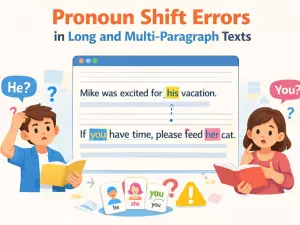
Switching between "he," "she," and "they" in the same context can be confusing for readers. Consistency keeps your message clear.
- Problematic: If someone calls, tell him or her I’m out, and then give them my number.
- Clear: If someone calls, tell them I’m out, and then give them my number.
Overcomplicating Sentences
Some writers try to avoid "they" by using awkward phrases like "he or she," which can make sentences clunky. "They" is often the simplest and most natural option.
Common Incorrect and Correct Uses
Below are some typical errors and their improved forms:
- ❌ If anyone has a question, he or she can ask now.
- ✅ If anyone has a question, they can ask now.
- ❌ Each participant must submit his form.
- ✅ Each participant must submit their form.
- ❌ When someone arrives, tell him to wait.
- ✅ When someone arrives, tell them to wait.
- ❌ Every student must bring his or her laptop.
- ✅ Every student must bring their laptop.
- ❌ Whoever finishes first can take his prize.
- ✅ Whoever finishes first can take their prize.
Confusing with Other Pronouns
Mistaking "they" for "it" or using "they" where the antecedent is not clear can make sentences ambiguous. Always ensure the reference is obvious and refers to a person, not an object.
Summary Table: Typical Pitfalls and Corrections
| Problematic Example | Better Alternative |
|---|---|
| If a customer calls, give him the details. | If a customer calls, give them the details. |
| Every user must update his or her password. | Every user must update their password. |
| Tell each applicant that he is welcome. | Tell each applicant that they are welcome. |
| Someone forgot his keys. | Someone forgot their keys. |
| If a person wants to join, he or she should sign up. | If a person wants to join, they should sign up. |
Paying attention to these frequent errors helps you use singular "they" smoothly, making your writing more inclusive and natural.
Practice: Rewrite Using They
When referring to a person whose gender is unknown or irrelevant, using "they" as a singular pronoun is both natural and inclusive. Let's explore how to transform sentences that traditionally use "he," "she," or "he or she" into more neutral forms.
Rewrite These Sentences
Below are sentences using gendered pronouns. Try rewriting each one to use "they" instead. This will help you become more comfortable with this style in both writing and speaking.
- If a student finishes his test early, he can leave the room.
- Ask the manager if she has received your application.
- When a person calls, he or she should leave a message.
- Every employee must submit his or her timesheet by Friday.
- Tell the next customer he can come in.
- If anyone wants to volunteer, he should sign up here.
- Each participant should bring his or her own water bottle.
- When a driver sees a stop sign, he must stop.
- A doctor should always listen to his patients.
- Let the caller know she will be called back soon.
- Anyone who loses his or her ticket cannot enter.
- If a visitor arrives, he or she should check in at the front desk.
- When a customer is unhappy, he may leave a review.
- Each user must reset his password every six months.
- If a guest forgets her key, the front desk can help.
Show answers
- If a student finishes their test early, they can leave the room.
- Ask the manager if they have received your application.
- When a person calls, they should leave a message.
- Every employee must submit their timesheet by Friday.
- Tell the next customer they can come in.
- If anyone wants to volunteer, they should sign up here.
- Each participant should bring their own water bottle.
- When a driver sees a stop sign, they must stop.
- A doctor should always listen to their patients.
- Let the caller know they will be called back soon.
- Anyone who loses their ticket cannot enter.
- If a visitor arrives, they should check in at the front desk.
- When a customer is unhappy, they may leave a review.
- Each user must reset their password every six months.
- If a guest forgets their key, the front desk can help.
Common Patterns to Remember
Here are some typical phrases that use "they" for unknown or generic people. Practice using these structures in your own writing.
- Someone left their umbrella.
- Everyone should bring their own lunch.
- If anyone calls, tell them I'll call back.
- No one remembered to bring their keys.
- Whoever finishes early can submit their work.
- Each applicant must submit their resume.
- Somebody forgot their jacket.
- If a person wants to join, they should email us.
- Any student can ask for help if they need it.
- When a customer arrives, they should be greeted.
- Everyone needs to sign their name.
Tips for Effective Use
Using "they" for a single, unknown person is grammatically correct and widely accepted. If you feel unsure, try replacing gendered language with "they/them/their" and see if the sentence still makes sense. This shift not only promotes clarity but also respects all individuals.