Replacing He or She Naturally: Using Pronouns Correctly

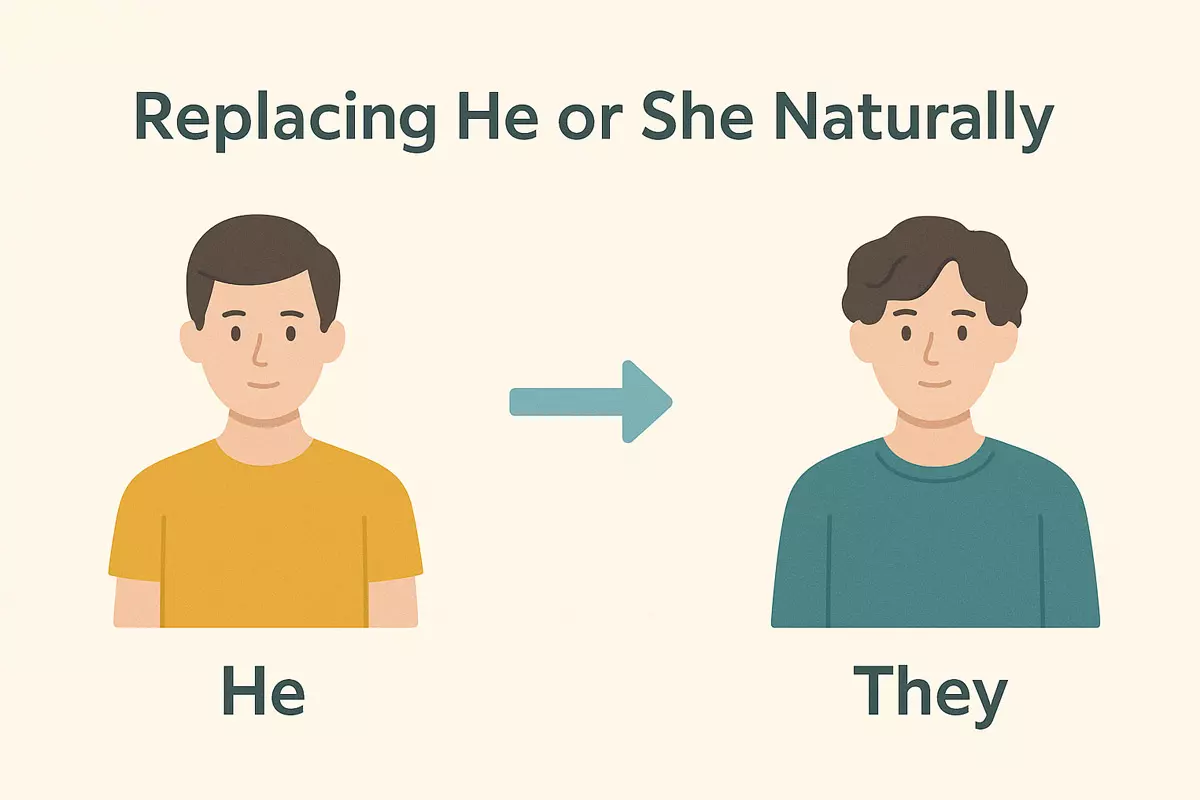 Here we reasons for replacing he or she, explains how to use they as a neutral pronoun, offers tips for rewriting sentences clearly, points out common style errors, and provides practice for using correct pronouns in context.
Navigating the evolving landscape of language can be challenging, especially when it comes to referring to people in a way that feels both natural and respectful. Learning to use modern pronouns correctly is essential for promoting clarity and inclusivity in both conversation and writing. By making an effort to understand and apply preferred pronouns, we foster a more welcoming environment where everyone feels acknowledged and respected. Adjusting our language habits may require practice, but it demonstrates empathy and a commitment to effective communication.
Why Replace He or She
Using only "he" or "she" when referring to people can unintentionally exclude or misrepresent individuals whose gender is unknown, irrelevant, or outside the traditional binary. Language shapes how we think and communicate, so updating our pronoun usage helps foster greater inclusivity and accuracy in both speech and writing.

Inclusivity and Respect
Adopting alternatives to gendered pronouns recognizes and respects people of all gender identities. It signals awareness that not everyone identifies strictly as male or female. This is especially important in professional, academic, and public contexts, where inclusivity is a priority.
- Accommodates nonbinary and gender-nonconforming individuals
- Prevents assumptions about gender
- Shows respect for everyone’s identity
- Reduces the risk of misgendering
- Supports a welcoming environment
Clarity and Precision
Sometimes the gender of the person being discussed is unknown or irrelevant. Relying on "he or she" repeatedly can make sentences cumbersome and distract from the main message. Alternatives provide clarity and keep language concise.
- Streamlines communication
- Avoids awkward repetition
- Focuses attention on the subject, not their gender
- Improves readability, especially in instructions or policies
Modern Usage Trends
Language evolves alongside social awareness. Many style guides, organizations, and communities now encourage or require gender-neutral pronouns in official documents and everyday conversation. This reflects broader changes in how society recognizes and values diversity.
| Traditional Usage | Inclusive Alternative |
|---|---|
| If a student finishes his or her exam, he or she may leave early. | If a student finishes their exam, they may leave early. |
| Every employee must submit his or her report. | Every employee must submit their report. |
| Ask the applicant if he or she has experience. | Ask the applicant if they have experience. |
| Each child should bring his or her coat. | Each child should bring their coat. |
Overall, moving beyond "he or she" modernizes language, reduces bias, and helps everyone feel seen and included. The result is clearer, more respectful communication that better reflects the diversity of people we interact with every day.
Using They as a Neutral Option
Choosing “they” as a singular pronoun allows speakers and writers to refer to someone whose gender is unknown, unspecified, or nonbinary. This approach has become increasingly common in both formal and informal English, offering an inclusive alternative to defaulting to “he” or “she.” Many style guides and institutions now recommend this neutral form, especially when discussing hypothetical or generic individuals.
- Someone left their umbrella here. → (gender unknown)
- If a student wants extra help, they should ask. → (generic)
- Jordan said they would arrive by noon. → (nonbinary person)
- Each applicant should submit their resume. → (unspecified gender)
- Whoever answers the phone, tell them to wait. → (anyone)
- Every participant should bring their ID. → (general)
- If anyone calls, give them this message. → (unknown caller)
- Everyone needs to remember their appointment time. → (group, individuals)
- Ask the next person if they need help. → (unknown)
- Each child should know they are safe. → (generic child)
- The winner will receive their prize. → (unknown winner)
- If your friend calls, tell them you’ll call back. → (gender unspecified)
- Anyone who forgot their ticket must see the organizer. → (anyone)
- Let me know if somebody needs their coat. → (unknown)
- Make sure everyone signs their name. → (group, individuals)
Why “They” Works Naturally
People have used singular “they” for centuries, particularly when the gender of a person is unknown or irrelevant. It avoids awkward constructions like “he or she” and feels more natural in everyday conversation. This usage also respects individuals who do not identify as strictly male or female.
Common Misconceptions
Some believe that “they” can only refer to multiple people, but singular “they” is widely accepted and understood. In fact, major dictionaries and grammar authorities endorse this usage, highlighting its clarity and inclusivity.
Comparison with Other Pronoun Choices
| Sentence | Pronoun Used | Context |
|---|---|---|
| Each student must hand in his paper. | He/his | Traditional, male default |
| Each student must hand in his or her paper. | He or she / his or her | Gender binary, formal |
| Each student must hand in their paper. | They/their | Gender-neutral, inclusive |
| Jordan said they were on time. | They/their | Nonbinary or unspecified gender |
Tips for Smooth Integration
- Use “they” in place of “he or she” whenever the gender is unknown or irrelevant. - Match verbs accordingly (“they are,” “they have”). - If someone requests “they/them” pronouns, use them consistently out of respect. - Review your writing for unnecessary gendered pronouns, especially in policies or forms. - Practice rephrasing sentences to avoid awkwardness or repetition. Recognizing and using singular “they” helps create more welcoming and accurate communication, reflecting the diversity of people’s identities and experiences.
Rewriting Sentences Smoothly
Adapting sentences to use inclusive pronouns or avoid gendered language requires more than swapping out a word. The goal is to maintain clarity, flow, and natural tone. Instead of simply replacing "he" or "she" with "they," consider the entire sentence structure. Sometimes, rewording or rephrasing makes the result sound more polished and less awkward.
Strategies for Natural Pronoun Use
- Replace the pronoun with a noun when possible: "The doctor finished his shift" becomes "The doctor finished the shift."
- Use plural forms: "Each student must bring his pencil" becomes "All students must bring their pencils."
- Switch to passive voice if appropriate: "He will present the report" becomes "The report will be presented."
- Recast the sentence to avoid pronouns: "If a manager is late, he should notify HR" becomes "Late managers should notify HR."
- Use "they" for singular, unspecified gender: "If a guest arrives, he or she will be seated" becomes "If a guest arrives, they will be seated."
- Repeat the noun if it doesn’t sound repetitive: "The teacher gave her opinion" becomes "The teacher gave the teacher's opinion."
- Omit the pronoun when the meaning is clear: "If a customer wants to return, he should bring a receipt" can be "If a customer wants to return, bring a receipt."
- Use job titles or roles: "The engineer should submit her design" becomes "The engineer should submit the design."
- Restructure with infinitives: "He needs to finish his work" becomes "Finishing the work is necessary."
- Use generic "one": "If a driver is tired, he should rest" becomes "If one is tired while driving, one should rest."
Common Sentence Transformations
| Original Sentence | Rewritten for Inclusivity |
|---|---|
| Every applicant must submit his resume by Friday. | All applicants must submit their resumes by Friday. |
| If a student forgets his password, he should contact support. | If a student forgets their password, they should contact support. |
| The manager will review her team’s progress. | The manager will review the team’s progress. |
| When a customer calls, he or she should be greeted politely. | When a customer calls, they should be greeted politely. |
| An employee should update his profile regularly. | Employees should update their profiles regularly. |
| If an author wants to publish his book, he must find an agent. | If an author wants to publish a book, they must find an agent. |
Rewriting for natural pronoun use often involves small adjustments that make a big difference in clarity and inclusivity. By thinking beyond simple word substitution and considering the whole sentence, you can create smooth, professional, and welcoming communication.
Context and Clarity
Understanding when and how to swap traditional gendered pronouns for more inclusive options depends on both the purpose of your writing and your audience. In formal documents, academic writing, or workplace communications, using language that avoids assumptions about gender can help prevent misunderstandings and foster a more welcoming environment. The goal is to ensure your sentences remain clear while respecting all individuals.
Why Context Matters in Pronoun Choice
The decision to use alternatives like "they," rephrase sentences, or repeat nouns often hinges on the scenario. For instance, when referring to an unknown person or a group with mixed genders, gender-neutral pronouns or structures are usually preferred. However, in biographies or narratives where a specific individual's pronouns are known, using the correct ones is important for accuracy and respect.
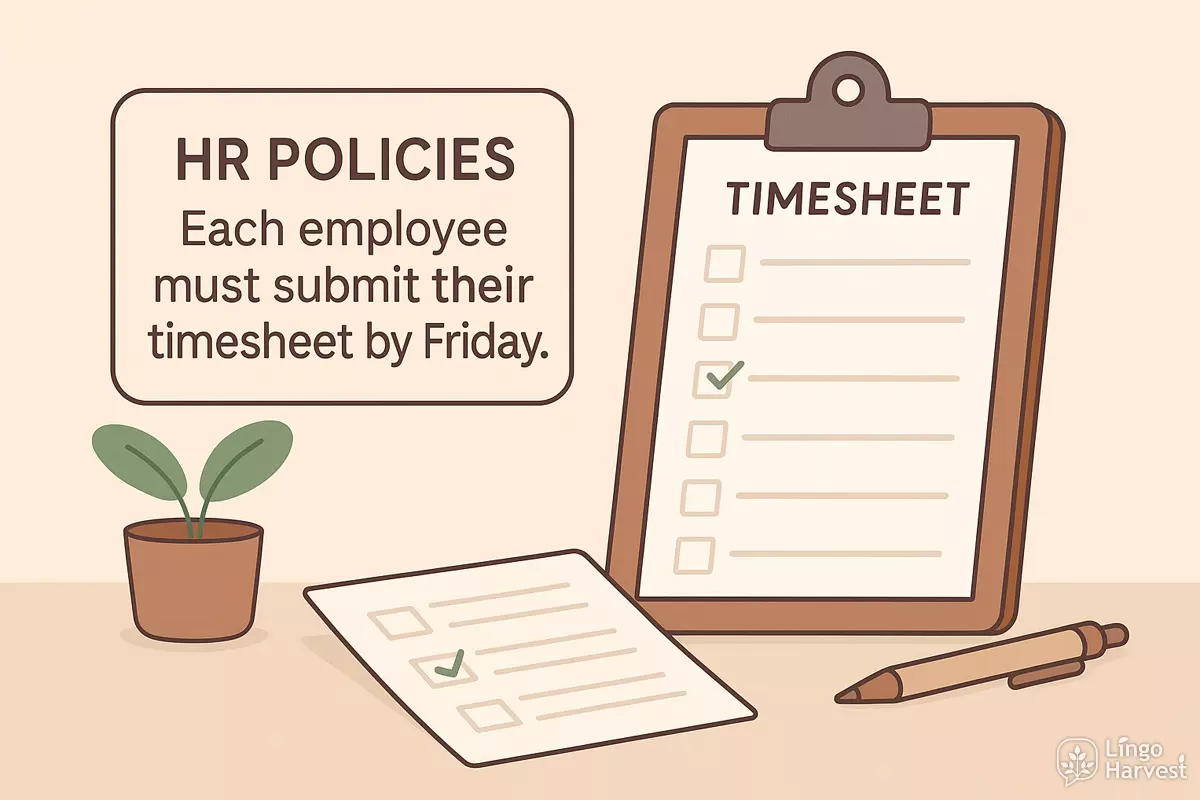
- In HR policies: "Each employee must submit their timesheet by Friday."
- In academic writing: "A student should proofread their essay before submission."
- While giving instructions: "If anyone has questions, they should raise their hand."
- In customer service scripts: "The caller can leave their number."
- On forms: "Applicant must provide their signature."
- When discussing roles: "A manager should listen to their team."
- Generalizations: "Everyone deserves to feel safe where they work."
- Job descriptions: "The candidate will use their expertise."
- Legal documents: "The tenant must pay their rent on time."
- Training materials: "A participant should bring their materials."
Clarity Through Sentence Structure
Sometimes, rewording helps eliminate the need for pronouns altogether. This can make sentences both precise and inclusive. For example, instead of "Each doctor must update his or her records," you might say "Doctors must update records daily." This approach reduces ambiguity and streamlines communication.
Comparing Pronoun Strategies
Below is a structured comparison of common ways to replace gendered pronouns in English writing, with examples and typical use cases.
| Strategy | Example & Use Case |
|---|---|
| Singular "they" | "If a customer arrives, they should check in at the desk." ✅ Best for unknown or unspecified gender |
| Repeating the noun | "The student will submit the student's assignment." ✅ Useful for legal or technical clarity |
| Rewriting in plural | "Students must submit their assignments." ✅ Effective for general instructions |
| Omitting the pronoun | "Complete the application before Friday." ✅ Works when the subject is understood |
Selecting the right strategy depends on your intent and the need for precision. By considering your audience and context, you can communicate clearly while ensuring everyone feels included.
Common Style Errors
Writers often stumble when trying to move away from gendered pronouns such as "he" or "she." Instead of sounding natural, sentences may become awkward or unclear. Sometimes, efforts to avoid gendered language introduce new mistakes or make the text harder to read.
Frequent Mistakes When Replacing Gendered Pronouns
Choosing the right pronoun or structure is key. Here are some common pitfalls to watch out for:
- Using "he or she" repeatedly, which can make writing clunky and disrupt flow.
- Switching between "he" and "she" to represent a generic person, leading to inconsistency.
- Forgetting to make verbs and possessives agree with singular "they."
- Overusing passive voice to avoid pronouns altogether, resulting in vague statements.
- Introducing ambiguity by omitting pronouns where clarity is needed.
- Resorting to awkward phrases like "he/she" or "s/he."
- Unintentionally shifting between singular and plural forms in the same sentence.
- Using "one" instead of a pronoun, which can sound overly formal or stilted.
- Failing to update related words (like "himself" or "herself") when changing the pronoun.
- Ignoring the context, leading to confusion about who is being referred to.
- Overcomplicating sentences to avoid gendered terms, reducing readability.
- Not considering the audience’s familiarity with singular "they."
Singular "They" Agreement Issues
Writers sometimes trip up with verb agreement and possessive forms when using "they" for a single person. Here’s how to keep things smooth:
| Incorrect Form | Corrected Form |
|---|---|
| If someone calls, they are responsible for theirself. | If someone calls, they are responsible for themselves. |
| Every student should bring their book and they should submit theirself to the office. | Every student should bring their book and they should submit themselves to the office. |
| If a person wants to join, they has to register. | If a person wants to join, they have to register. |
| When someone finishes, they should give his or her report. | When someone finishes, they should give their report. |
Avoiding Clunky Alternatives
While striving for inclusive language, steer clear of cumbersome solutions. For example, phrases like "he/she" or repeating both pronouns in every sentence can distract readers. Instead, rephrase to the plural where possible ("Employees should submit their forms"), or use "they" as a singular pronoun where it fits naturally. Paying attention to these patterns helps your writing stay clear, inclusive, and fluid—without drawing attention to the mechanics of pronoun replacement.
Practice: Rewrite Using Correct Pronouns
When using pronouns, clarity and inclusivity are key. This section offers practical exercises to help you replace "he" or "she" with suitable alternatives, whether you want to use gender-neutral pronouns, avoid repetition, or simply improve your writing style.
Exercise: Improve These Sentences
Below are sentences that use "he" or "she" in ways that can be streamlined or made more inclusive. Rewrite each sentence, replacing the pronouns with a more appropriate or neutral option.
- If a student wants to succeed, he must study hard.
- The manager said she would review the proposal.
- When a driver is tired, he should pull over.
- Each applicant must submit his resume by Friday.
- If a person forgets, she can ask for a reminder.
- The doctor explained that he would call back soon.
- Every parent hopes she is making the right choices.
- When a customer arrives, he should be greeted politely.
- Someone left his umbrella in the hallway.
- Each participant should record her answers on the sheet.
Show answers
- If a student wants to succeed, they must study hard.
- The manager said they would review the proposal.
- When a driver is tired, they should pull over.
- Each applicant must submit their resume by Friday.
- If a person forgets, they can ask for a reminder.
- The doctor explained that they would call back soon.
- Every parent hopes they are making the right choices.
- When a customer arrives, they should be greeted politely.
- Someone left their umbrella in the hallway.
- Each participant should record their answers on the sheet.
Common Pronoun Replacements
Here are some effective alternatives to traditional gendered pronouns:
- they/them/their – for singular or plural, gender-neutral
- the person, the individual – use the noun again for clarity
- Use job titles: the teacher, the manager
- Rewriting the sentence in passive voice to avoid pronouns
- Omitting the pronoun when possible: "Submit the resume by Friday."
- one – formal, but sometimes useful: "If one wants to succeed..."
- Pluralizing subjects: "Students must study hard."
- Using the person’s name if known
- Alternating pronouns if contextually appropriate (less common now)
- Using descriptive phrases: "the person who..."
Quick Reference: Pronoun Replacement Patterns
| Original Phrase | Gender-Neutral Rewrite |
|---|---|
| He or she should finish the task. | They should finish the task. |
| His or her opinion matters. | Their opinion matters. |
| If he is available, let me know. | If they are available, let me know. |
| Each student must bring his or her book. | Each student must bring their book. |
| She can email her response. | They can email their response. |
| The teacher said he would help. | The teacher said they would help. |
| Ask him or her to join us. | Ask them to join us. |
| When a user logs in, he sees the dashboard. | When a user logs in, they see the dashboard. |
Tips for Natural Pronoun Use
- Check if the subject can be pluralized to use “they” more easily.
- When in doubt, repeat the noun for clarity.
- Practice rewriting sentences to notice patterns and improve fluency.
- Be mindful of context—sometimes omitting the pronoun works best.