Adjectives Ending in -ed and -ing (bored vs boring)

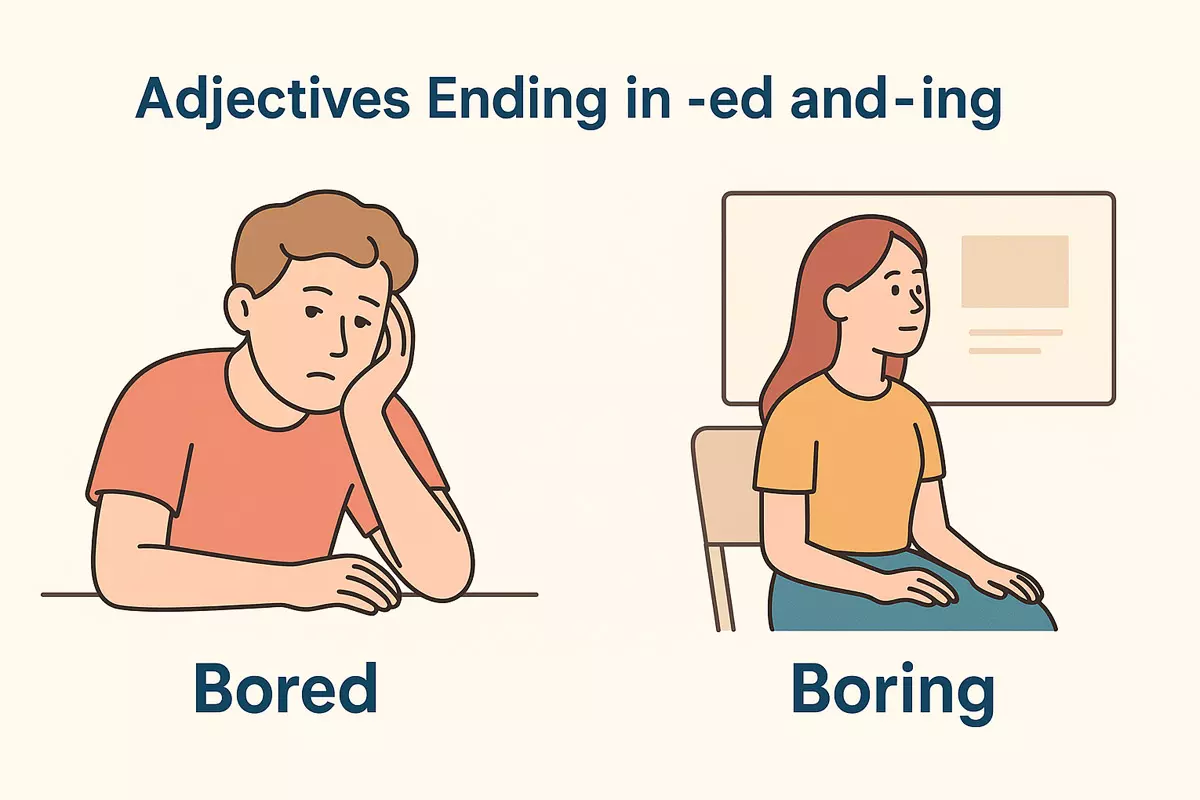 This article explains the difference between -ed and -ing adjectives, shows how to use them to describe feelings or things, highlights common pairs like bored/boring, discusses frequent learner mistakes, and offers tips and practice exercises.
Have you ever noticed that we say we feel tired after a long day, but we describe the day itself as tiring? This difference comes from how we use descriptive words ending in -ed and -ing in English. Words ending in -ed, like tired or bored, usually describe how someone feels, while words ending in -ing, such as tiring or boring, describe the thing or situation causing that feeling. Recognizing this pattern will help you express emotions and situations more accurately and clearly in your everyday conversations.
Difference Between -ed and -ing
When describing feelings and characteristics in English, adjectives ending in -ed and -ing can be confusing. The key is understanding who or what is being described: -ed forms usually show how someone feels, while -ing forms describe the thing or situation that causes that feeling.
How -ed and -ing Adjectives Work
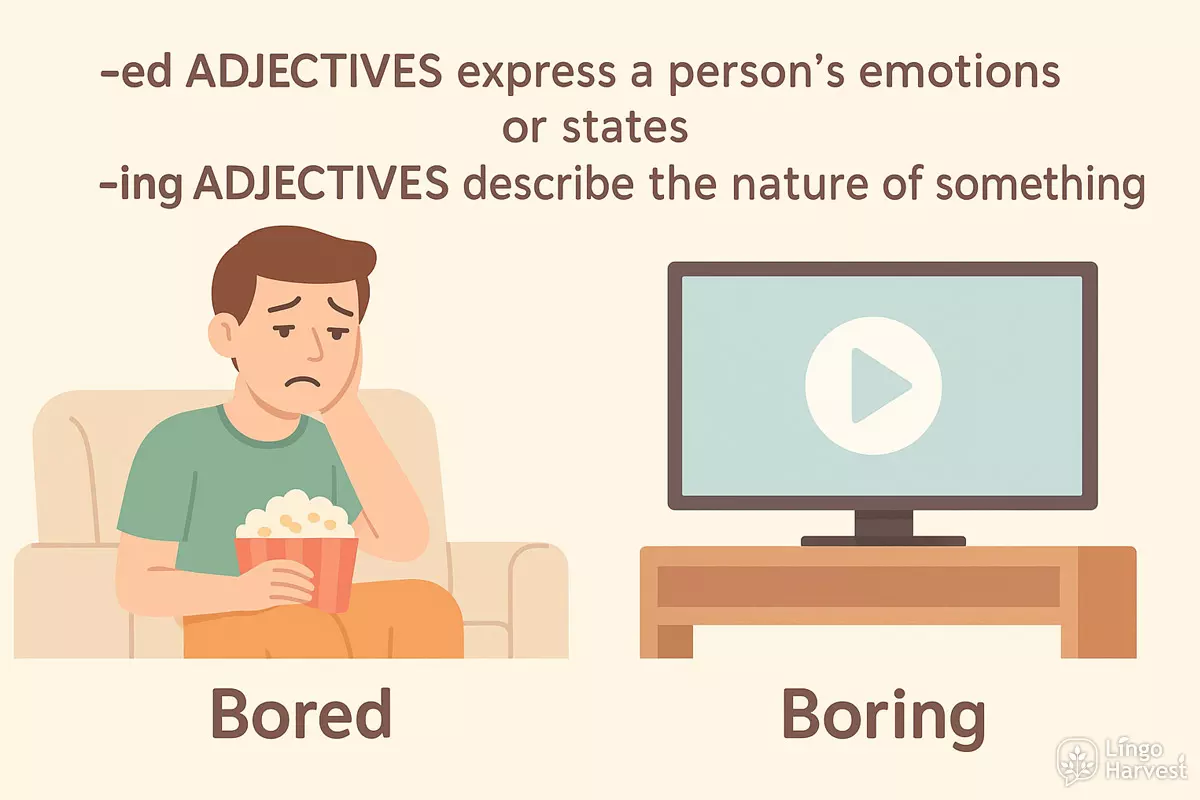
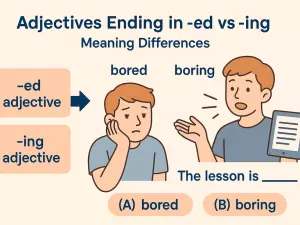
-ed adjectives express a person's emotions or states. For example, if a movie makes you feel uninterested, you are bored. On the other hand, -ing adjectives describe the nature of something: if the movie itself is not exciting, it is boring.
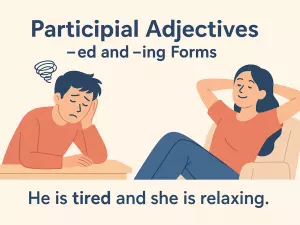
- -ed: describes feelings or reactions (e.g., tired, annoyed, confused)
- -ing: describes the source or cause of those feelings (e.g., tiring, annoying, confusing)
Common Examples
Here are some typical adjective pairs and how they are used:
- bored / boring
- interested / interesting
- excited / exciting
- tired / tiring
- confused / confusing
- amused / amusing
- frightened / frightening
- surprised / surprising
- relaxed / relaxing
- disappointed / disappointing
- embarrassed / embarrassing
- shocked / shocking
- amazed / amazing
- worried / worrying
- interested / interesting
- challenged / challenging
- inspired / inspiring
- exhausted / exhausting
| Adjective (-ed) | Adjective (-ing) | Example Sentence |
|---|---|---|
| Tired | Tiring | The long walk was tiring, so I felt tired. |
| Interested | Interesting | That book is interesting; I am interested in it. |
| Confused | Confusing | This explanation is confusing, so I’m confused. |
| Frightened | Frightening | The storm was frightening and made the children frightened. |
| Amused | Amusing | Her joke was amusing, so everyone was amused. |
Quick Tips
- Use -ed for people’s feelings or reactions.
- Use -ing for things, actions, or events that cause those feelings.
- Remember: If you can say "I am...", use the -ed form. If you can say "It is...", use the -ing form.
Choosing the correct ending helps your English sound more natural and clear. If you’re unsure, think about whether you are talking about a feeling (-ed) or describing something that produces a feeling (-ing).
How to Describe Feelings vs Things
Understanding the difference between -ed and -ing adjectives helps you express emotions and characteristics more accurately. The -ed form usually shows how someone feels, while the -ing form describes what causes that feeling. For example, if a movie is “boring,” you feel “bored” while watching it. This distinction is key for clear communication in English.
Describing Emotions and Experiences
When you want to talk about your own or someone else’s emotional state, choose adjectives ending in -ed. These words reflect a personal feeling or reaction to something.
- I was tired after the long trip.
- She felt excited about her birthday.
- They seemed confused by the instructions.
- He looked annoyed during the meeting.
- We were shocked by the news.
Describing Things, Situations, or People
To talk about the qualities of a thing, event, or person that causes a certain emotion, use adjectives ending in -ing. These forms suggest that something is making you or others feel a certain way.
- This book is interesting.
- The lecture was boring.
- That puzzle is confusing.
- Her story was amazing.
- The noise outside is annoying.
Common Patterns: -ed vs -ing Adjectives
Comparing these forms side by side can clarify their usage:
| -ed (Feeling/Emotion) | -ing (Cause/Quality) |
|---|---|
| I am interested. | The topic is interesting. |
| She felt frightened. | The film was frightening. |
| They are surprised. | The result is surprising. |
| We were disappointed. | The game was disappointing. |
| He looked embarrassed. | The mistake was embarrassing. |
| I'm confused. | The instructions are confusing. |
| She’s amused. | The joke is amusing. |
| They feel depressed. | The weather is depressing. |
| We’re relaxed. | The music is relaxing. |
| I was shocked. | The accident was shocking. |
Quick Tips
- Use -ed forms for people’s feelings.
- Use -ing forms for things or situations that cause those feelings.
- Remember: If you feel it, use -ed; if it causes the feeling, use -ing.
Practicing with real-life examples makes these patterns easy to remember and apply in conversation.
Common Pairs: Tired/Tiring, Bored/Boring
Understanding the difference between -ed and -ing adjectives can clear up a lot of confusion in English. We often see pairs like "tired" and "tiring" or "bored" and "boring." These words look similar but are used in different situations. The -ed form usually describes how someone feels, while the -ing form talks about the thing, situation, or person that causes that feeling.
How the Pairs Work
When you say “I am bored,” you’re talking about your state of mind. If you say “This movie is boring,” you are describing the effect the movie has on people. The same logic applies to “tired” and “tiring”—you feel tired after doing something tiring.
- I am bored → My feeling
- This class is boring → The class causes boredom
- She is tired → Her feeling
- The run was tiring → The run caused tiredness
Expanded List of Common -ed / -ing Pairs
Here are more pairs that follow this pattern. Knowing these can help you describe feelings and situations more accurately:
- amused / amusing
- annoyed / annoying
- confused / confusing
- depressed / depressing
- disappointed / disappointing
- excited / exciting
- frightened / frightening
- interested / interesting
- puzzled / puzzling
- relaxed / relaxing
- shocked / shocking
- surprised / surprising
- terrified / terrifying
- thrilled / thrilling
- worried / worrying
Quick Comparison: -ed vs. -ing Forms
| Adjective (-ed) | Adjective (-ing) | Example Sentence |
|---|---|---|
| bored | boring | I was bored during the lecture because it was boring. |
| tired | tiring | She felt tired after a tiring day at work. |
| excited | exciting | The children are excited about the exciting trip. |
| confused | confusing | The instructions were confusing, so I was confused. |
| annoyed | annoying | He felt annoyed by the annoying noise outside. |
Tips for Choosing the Correct Form
If you’re talking about how someone feels, choose the -ed form. If you want to describe the thing or situation that creates the feeling, use the -ing form. This small detail can make your English sound more natural and precise.
Frequent Learner Mistakes
Mixing up the use of -ed and -ing forms is a common stumbling block for English learners. The confusion usually happens because both types of adjectives are related to feelings and characteristics, but they are used in different contexts. It’s important to recognize that -ed adjectives describe how someone feels, whereas -ing adjectives describe the thing or person that causes that feeling.
Confusing Who or What Is Affected
Learners often use the wrong form when talking about people and things. For example, saying “I am boring” instead of “I am bored” changes the intended meaning entirely. The former suggests you cause boredom in others, while the latter means you feel uninterested.
- Bored (how you feel) vs. Boring (what causes the feeling)
- “She is amazed by the news.” ✅
- “The news is amazing.” ✅
- “He felt confused during the class.” ✅
- “The instructions were confusing.” ✅
- “I’m excited for the trip.” ✅
- “The trip is exciting.” ✅
Common Incorrect Sentences and Corrections
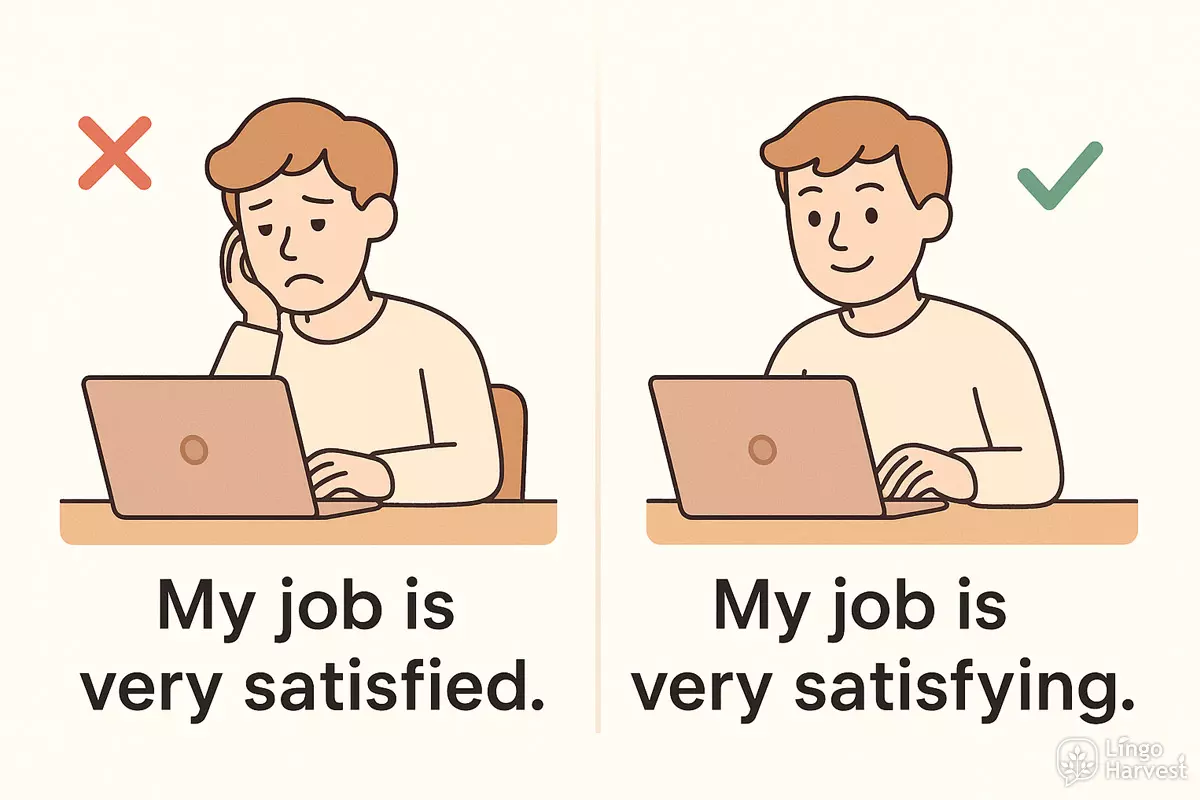
Many students accidentally swap these endings, leading to sentences that sound unnatural or even humorous. Here are some typical errors with corrections and explanations:
| Incorrect Example | Correction & Why |
|---|---|
| I am interesting in art. | I am interested in art. Use -ed for feelings. |
| This movie is very tired. | This movie is very tiring. -ing describes the thing causing the feeling. |
| He felt embarrassing at the party. | He felt embarrassed at the party. -ed for personal emotions. |
| My job is very satisfied. | My job is very satisfying. -ing for the thing providing the feeling. |
| The children are frightening. | The children are frightened. -ed for how someone feels. |
| I’m really confusing with these rules. | I’m really confused with these rules. -ed for the learner’s feeling. |
| This book is very amused. | This book is very amusing. -ing for something that causes amusement. |
| She was really shocking by the news. | She was really shocked by the news. -ed for reactions. |
| The test was very depressed. | The test was very depressing. -ing for the thing causing the emotion. |
| I feel really boring today. | I feel really bored today. -ed for feelings. |
Summary Tips
- Use -ed forms to talk about how people feel.
- Use -ing forms to describe things or situations.
- If you’re the one experiencing the emotion, pick the -ed ending.
- If something causes the emotion, use -ing.
Paying attention to who or what is experiencing the feeling versus what is causing it will help you choose the correct adjective every time.
Tips to Remember
When working with adjectives ending in -ed and -ing, it’s important to focus on the difference in meaning and usage. These forms often cause confusion, but there are some clear guidelines to help you use them correctly.
Understand the Difference
Adjectives ending in -ed usually describe how someone feels, while those ending in -ing describe the thing or person causing the feeling. For example, if a movie is boring, you might feel bored while watching it.
- -ed adjectives = describe emotions or feelings (tired, surprised, excited)
- -ing adjectives = describe characteristics or qualities of things/people (tiring, surprising, exciting)
Common Mistakes and How to Avoid Them
Mix-ups happen when people use the wrong form to talk about their feelings or to describe something. Remember these quick checks:
- If you’re talking about your own feelings, use the -ed form: I am confused.
- If you’re describing what causes the feeling, use the -ing form: This lesson is confusing.
Quick Reference Table
| Feeling (-ed) | Cause (-ing) |
|---|---|
| amazed | amazing |
| annoyed | annoying |
| bored | boring |
| confused | confusing |
| depressed | depressing |
| disappointed | disappointing |
| excited | exciting |
| frightened | frightening |
| interested | interesting |
| shocked | shocking |
| tired | tiring |
Helpful Reminders
- ✅ I am bored → The class is boring
- ✅ She was surprised → The news was surprising
- ❌ I am boring (unless you mean you are not interesting!)
- ❌ The movie was bored (movies can’t feel bored)
Practice by matching your feelings with the -ed form, and the things that create those feelings with the -ing form. Over time, these patterns will start to feel more natural.
Practice: Choose the Correct Form
Understanding the difference between -ed and -ing adjectives is essential for clear and natural English. The exercises below will help you master when to use each form. Remember: adjectives ending in -ed usually describe how someone feels, while -ing adjectives describe the thing or person that causes the feeling.
Complete the Sentences
Choose the correct adjective in each sentence:
- This movie is so boring / bored that I want to leave.
- She was excited / exciting to hear the news.
- The lecture was absolutely fascinated / fascinating.
- I feel tired / tiring after running five miles.
- His jokes are always amused / amusing.
- They were confused / confusing by the instructions.
- The story was so interested / interesting that I read it twice.
- Are you annoyed / annoying by the noise?
- My job can be quite stressful / stressed sometimes.
- She found the puzzle challenged / challenging.
Show answers
- boring
- excited
- fascinating
- tired
- amusing
- confused
- interesting
- annoyed
- stressful
- challenging
Quick Reference: Common -ed vs. -ing Adjectives
| Feeling (-ed form) | Thing/Cause (-ing form) |
|---|---|
| bored | boring |
| interested | interesting |
| excited | exciting |
| tired | tiring |
| confused | confusing |
| amused | amusing |
| frightened | frightening |
| embarrassed | embarrassing |
| annoyed | annoying |
| surprised | surprising |
Spot the Error
Identify and correct the mistake in each sentence:
- I was really boring during the meeting.
- That was a very excited game!
- This math problem is confused.
- He felt tiring after the long flight.
Show answers
- I was really bored during the meeting.
- That was a very exciting game!
- This math problem is confusing.
- He felt tired after the long flight.