Using Can for Permission in English

 Here we the correct use of can and may when making requests, explains their use in both formal and informal contexts, provides common polite expressions, and includes practice tasks to help you ask for permission using can.
In daily conversations, it's common to ask whether something is permitted, and English offers straightforward ways to do so politely. Mastering phrases for making requests or seeking approval not only helps you communicate more effectively but also fosters positive interactions. Using polite language, such as asking "May I" or "Could I," shows respect for others and makes your intentions clear. By practicing these expressions, you can navigate social and professional situations with greater ease and confidence.
Can vs May in Requests
When asking for permission in English, both "can" and "may" are used, but they differ in tone and level of formality. "Can" is far more common in everyday conversation, sounding friendly and direct, while "may" feels more formal and sometimes old-fashioned. The choice depends on the context and the relationship between speakers.
Comparing Use in Everyday Speech
People most often use "can" when making informal requests or asking for permission among friends, family, or colleagues. "May" is usually reserved for situations where politeness, respect, or traditional etiquette is important, such as in academic, legal, or very formal settings. In modern English, "may" can sound stiff or distant if used in casual contexts.
Examples of Requests
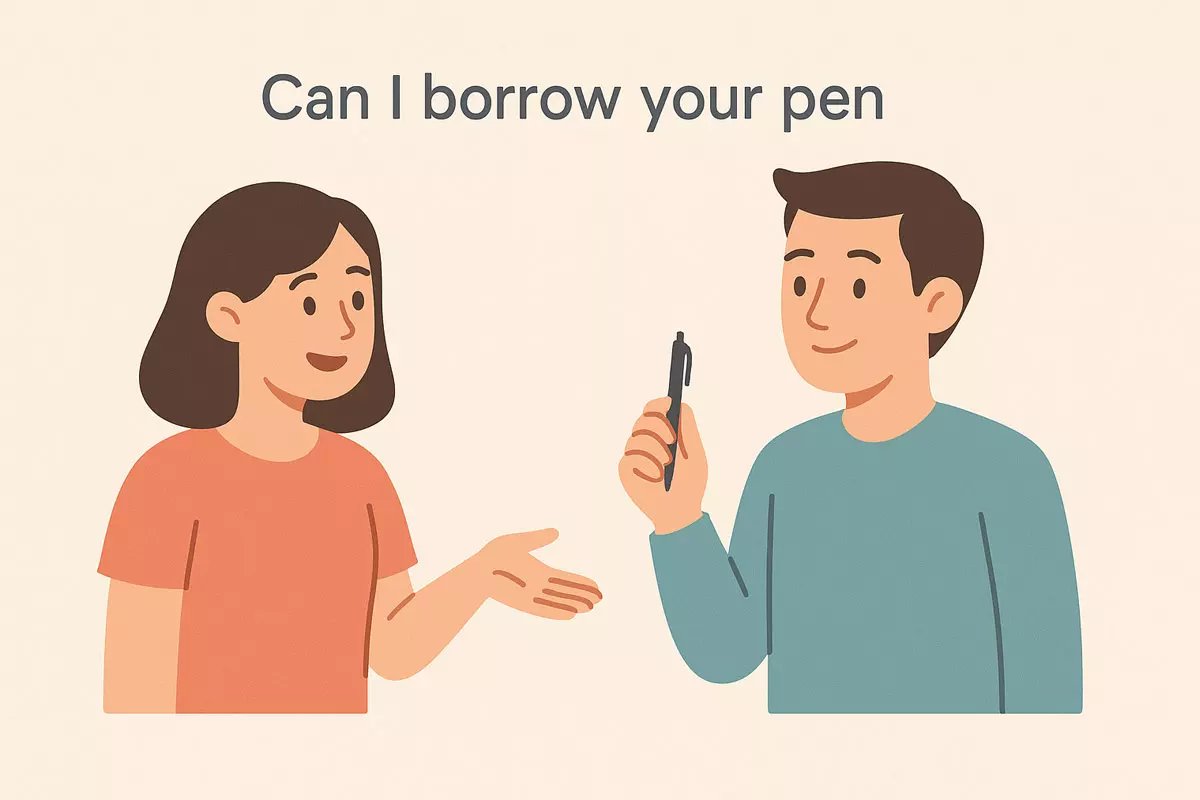
- Can I borrow your pen?
- Can we open the window?
- May I ask a question?
- May I use your restroom?
- Can you help me with this?
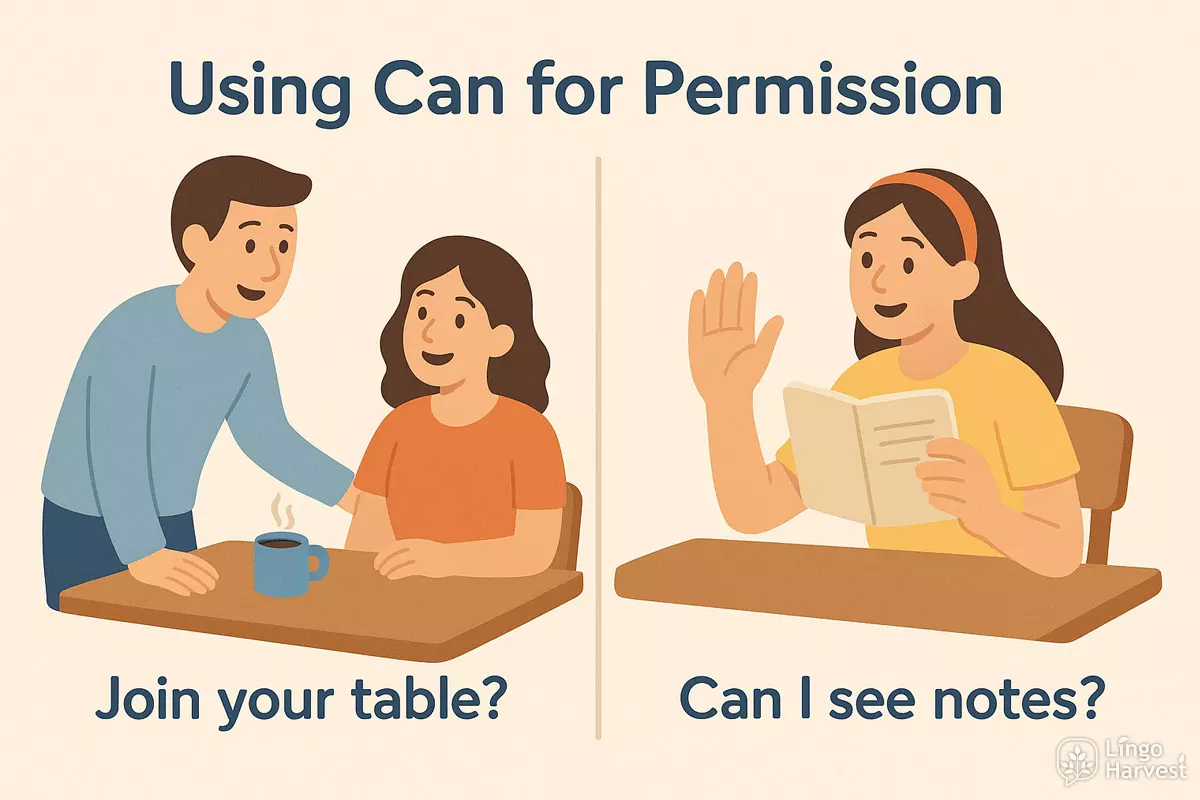
- May we join your table?
- Can I see your notes?
- May I leave early today?
- Can you pass the salt?
- May I have your attention, please?
- Can I try this on?
- May I suggest an idea?
- Can we take a break now?
- May I come in?
- Can I ask you something?
- May I introduce myself?
- Can you show me the way?
- May I see your ticket?
Key Differences Summarized
| Expression | Typical Use |
|---|---|
| Can | Informal, used with friends, family, colleagues; common in daily speech. |
| May | Formal, used in polite requests, official situations, or when extra respect is needed. |
| Can (in questions) | Sounds direct and natural: "Can I help you?" |
| May (in questions) | Sounds very polite or distant: "May I assist you?" |
Choosing the Right Word
For most everyday situations, "can" is the default choice for requests and seeking permission. Reserve "may" for times when you want to sound especially respectful or when speaking to someone in authority. Remember, both are correct—but style and social expectation guide which one feels right in the moment.
Formal vs Informal Contexts
When talking about permission in English, “can” is often heard in daily conversation, but the way it’s used can change depending on whether the setting is formal or casual. In relaxed situations among friends, classmates, or close colleagues, “can” is perfectly acceptable for asking or granting permission. However, in business, academic, or official environments, other modal verbs like “may” or more polite phrases are preferred.
How Usage Differs by Setting
In casual settings, people tend to use “can” because it sounds friendly and direct. For example, you might hear, “Can I borrow your pen?” or “Can we leave early today?” These questions are clear, simple, and feel natural in everyday speech. In contrast, in professional or formal scenarios, using “can” for permission may come across as too direct or even slightly rude. Instead, people often use “may,” “could,” or indirect expressions:
- “May I come in?”
- “Could I ask a question?”
- “Would it be possible for me to…”
- “I was wondering if I could…”
Common Phrases and Patterns
Here are some typical ways permission is requested or given, depending on the context:
- Can I use your phone?
- Can we take a break?
- May I speak now?
- Could I leave the meeting early?
- Is it okay if I open the window?
- Would you mind if I joined you?
- Am I allowed to park here?
- Would it be alright if I called you later?
- Do you mind if I sit here?
- I was wondering if it’s possible to reschedule.
- It’s fine if you want to go now. (giving permission, informal)
- You may start the exam. (giving permission, formal)
Comparison of Permission Forms
Below is a comparison of typical ways to ask for and give permission in both relaxed and official environments:
| Context | Example Expression | Level of Formality |
|---|---|---|
| Everyday conversation | Can I use your notebook? | Informal |
| At school (student to teacher) | May I go to the restroom? | Formal |
| Workplace (to a manager) | Could I leave early today? | Semi-formal |
| With friends | Can we watch a movie? | Informal |
| Business meeting | Would it be possible to discuss this later? | Formal |
| Family setting | Can I have dessert now? | Informal |
Choosing the right form helps you sound appropriate and polite. Remember, “can” is friendly and direct, making it a great fit for informal chats, while formal situations usually call for softer or more respectful language. Adjusting your approach based on the setting shows strong communication skills and awareness of social cues.
Asking for Permission Politely
When you want to request something in English, it’s important to use language that shows respect and consideration. Using “can” is a common and friendly way to make such requests, but the tone, word choice, and context all play a role in making your question sound courteous. Adding polite words or phrases, and adjusting your intonation, can make a big difference in how your request is received.
Common Polite Structures with "Can"
Native speakers often soften their requests by adding words like “please,” or by using indirect phrasing. Here are some typical patterns for making polite requests:
- Can I please borrow your pen?
- Can we come in?
- Can you help me with this?
- Can I ask you a question?
- Can I sit here?
- Can you show me how to do this?
- Can I use your phone?
- Can we take a break?
- Can I get you anything?
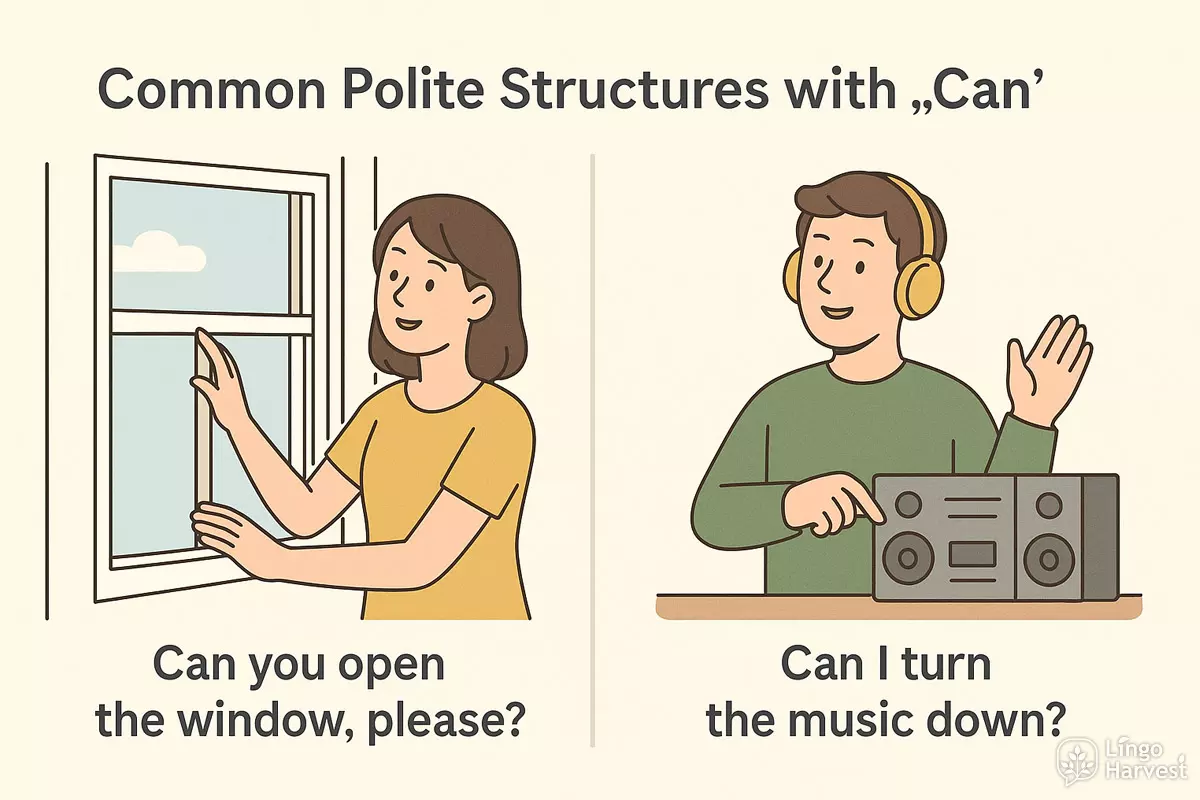
- Can you open the window, please?
- Can I join you?
- Can I leave early today?
- Can you tell me the time?
- Can I try this on?
- Can we talk for a moment?
- Can I see that document?
- Can I turn the music down?
- Can you repeat that, please?
Tips for Sounding More Courteous
Using “can” is generally friendly, but you can make your requests even more polite with these strategies:
- Add “please” to the beginning or end: “Can you help me, please?”
- Smile or use a warm tone when speaking.
- Use a soft or rising intonation to show you’re genuinely asking, not demanding.
- Include a reason: “Can I leave early today? I have an appointment.”
- Show appreciation: “Can you pass the salt? Thank you!”
Comparing "Can" and Other Polite Forms
Sometimes, “can” is not the only or the most formal way to ask for permission. Here’s a comparison of “can” with other common expressions:
| Expression | Formality / Context | Example |
|---|---|---|
| Can I…? | Informal, friendly, everyday | Can I use your laptop? |
| Could I…? | More polite, semi-formal | Could I speak with you? |
| May I…? | Formal, very polite | May I come in? |
| Is it okay if I…? | Casual, conversational | Is it okay if I open the window? |
| Would you mind if I…? | Polite, indirect | Would you mind if I joined you? |
Politeness in permission requests depends on culture, relationship, and situation. By choosing the right words and tone, you can make sure your request is both clear and considerate.
Common Expressions
When granting or asking for permission in English, "can" is a practical and widely used modal verb. It appears in many conversational phrases, both formal and informal. Understanding these typical ways to request or offer permission will help you navigate everyday situations more smoothly.
Typical Questions for Asking Permission
- Can I open the window?
- Can we leave early today?
- Can I use your phone?
- Can my friend join us?
- Can I borrow your pen?
- Can I ask you something?
- Can I have some water?
- Can I sit here?
- Can I take this call?
- Can I go to the restroom?
- Can I see your ticket?
- Can I try this on?
- Can we start now?
- Can I help you?
- Can I get a glass of water?
Positive and Negative Responses
People often respond to permission requests using simple, direct phrases. Here are some common ways to approve or deny a request:
- Sure, you can.
- Yes, go ahead.
- Of course.
- No problem.
- Sorry, you can’t.
- I’m afraid not.
- Not right now.
- Maybe later.
- That’s fine.
- Unfortunately, no.
Comparing Formal and Informal Requests
| Informal | More Formal |
|---|---|
| Can I come in? | May I come in? |
| Can we leave now? | Is it okay if we leave now? |
| Can you help me? | Could you please help me? |
| Can I use your bathroom? | Would it be alright if I used your bathroom? |
| Can I eat this? | May I have this to eat? |
Quick Tips
While "can" is perfectly acceptable for most everyday situations, some formal contexts might prefer "may" or other polite forms. However, in casual speech, "can" is almost always understood and accepted. Practice using these phrases in real conversations to build your confidence and sound natural when making requests or granting permission in English.
Practice: Ask and Answer Using Can
Mastering permission questions with "can" is all about recognizing patterns and practicing real-life situations. Below, you'll find practical activities and sample exchanges to help you get comfortable both asking for and granting permission in English. Try reading these aloud or role-playing with a partner to build confidence.
Common Ways to Ask for Permission
- Can I use your phone?
- Can we sit here?
- Can he leave early today?
- Can my friend join us?
- Can I open the window?
- Can I borrow your notes?
- Can I have another piece of cake?
- Can we start the meeting now?
- Can I turn on the light?
- Can they bring their dog?
Typical Responses: Granting or Refusing Permission
- Yes, you can.
- Of course, go ahead.
- Sure, no problem.
- Sorry, you can't.
- I'm afraid that's not possible.
- No, not right now.
- Yes, but please be careful.
- Okay, but only for a few minutes.
Practice Activity: Match the Request and Reply
Match each request to a suitable response.
- Can I leave early today?
- Can we eat in this room?
- Can I use your dictionary?
- Can she come with us?
- Can I ask a question?
- A. Sorry, it's not allowed.
- B. Sure, here you go.
- C. Yes, but please ask one at a time.
- D. Of course, she is welcome.
- E. Yes, but finish your work first.
Show answers
- E. Yes, but finish your work first.
- A. Sorry, it's not allowed.
- B. Sure, here you go.
- D. Of course, she is welcome.
- C. Yes, but please ask one at a time.
Dialogue Practice
Read these sample conversations. Decide if the reply gives or denies permission.
- Student: Can I go to the restroom?
Teacher: Yes, you can. - Guest: Can I smoke here?
Host: Sorry, you can't. - Child: Can I play outside?
Parent: Yes, but wear your coat. - Colleague: Can I use your stapler?
Office mate: Sure, no problem.
Show answers
- Permission given
- Permission denied
- Permission given with a condition
- Permission given
Useful Patterns for Asking Permission
Notice the word order and politeness:
- Can + subject + verb…?
- Can I…?
- Can we…?
- Can he/she…?
Try forming your own requests using these patterns. Practice both making requests and responding, using the sample phrases above for guidance.