Polite English with Can and Could

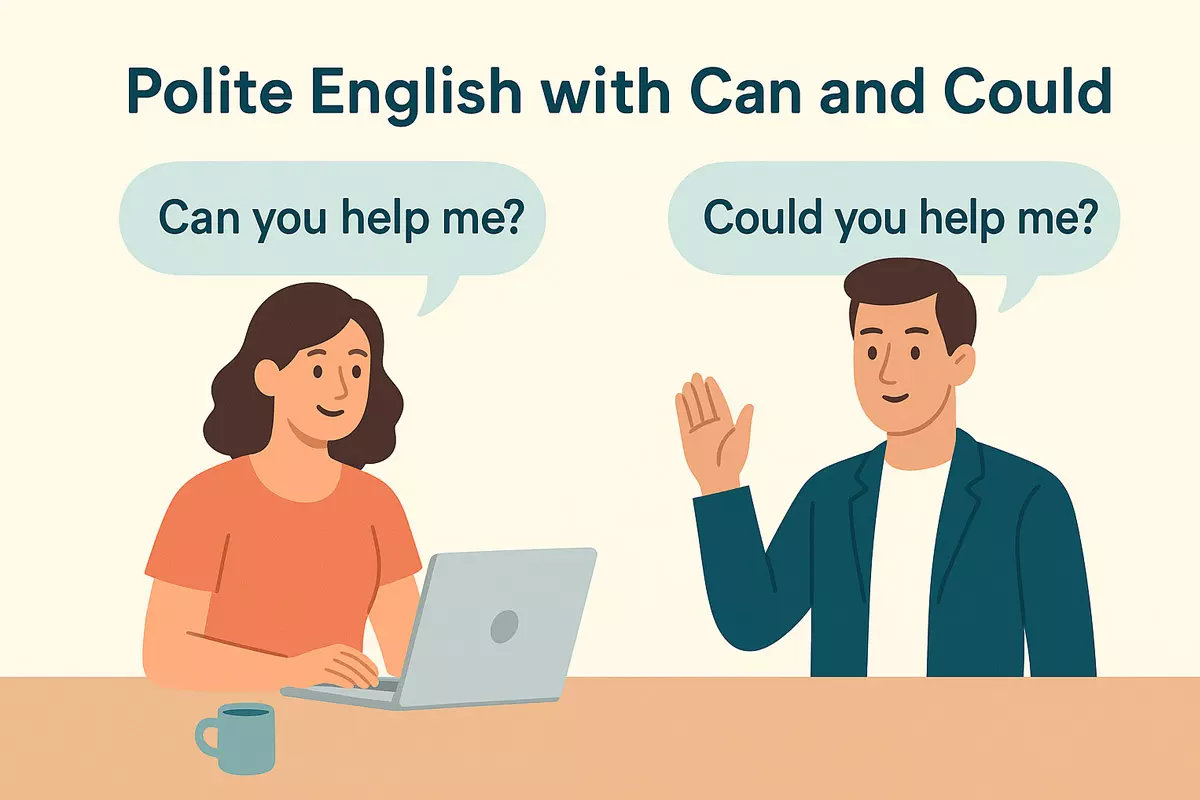 This article explains how to use can and could in polite speech, covering requests, offers, permissions, and when to use formal or informal tone. It includes examples and practice for making sentences more polite in common situations.
Navigating everyday conversations smoothly often depends on the way we make requests or offer assistance. Using gentle modal verbs such as can and could introduces a sense of politeness and respect, making your communication sound more considerate and approachable. By choosing these softer expressions, you not only show awareness of social norms but also create a more comfortable atmosphere for everyone involved, which can lead to more positive and effective interactions in both personal and professional settings.
Can vs Could in Polite Speech
Understanding the difference between "can" and "could" helps you sound more natural and courteous in English. Both words are used to make requests or ask for permission, but they signal different levels of formality and politeness.
Directness and Politeness
"Can" is straightforward and often used in informal situations or with people you know well. "Could," on the other hand, is more tentative and polite, making it a better choice for formal settings, strangers, or when you want to be especially courteous.
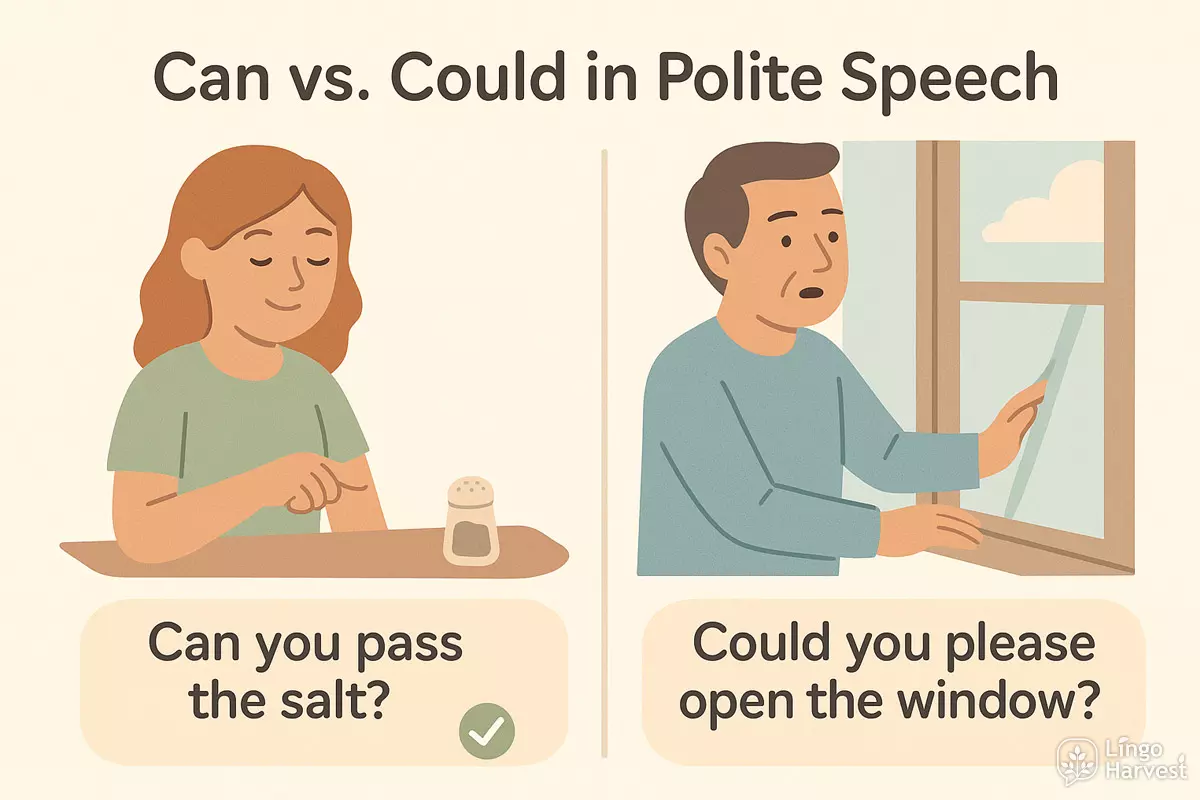
- Can you pass the salt? ✅ (informal, direct)
- Could you please open the window? ✅ (more polite, softens the request)
- Can I borrow your pen? (friendly, everyday use)
- Could I ask you a question? (respectful, formal)
Subtle Differences in Use
When you use "could," you suggest possibility or consideration, rather than expectation. This makes your request feel less like a demand and more like a suggestion, which helps in sensitive or professional contexts.
| Expression | Typical Use & Tone |
|---|---|
| Can you help me? | Neutral, friendly, everyday conversation |
| Could you help me? | Polite, softens the request, suitable for formal or new situations |
| Can I sit here? | Direct, casual, often among peers or friends |
| Could I sit here? | More formal, respectful, used with strangers or in professional settings |
Common Patterns and Polite Variations
Here are some typical ways to phrase requests or questions using these modal verbs. Notice how "could" often pairs with "please" for extra politeness:
- Can you tell me the time?
- Could you tell me where the station is?
- Can I use your phone?
- Could I possibly use your phone?
- Can I ask a question?
- Could I have a glass of water?
- Can you help me with this?
- Could you give me a hand, please?
- Can I join you?
- Could I join you, if you don't mind?
- Can you explain this?
- Could you explain that again, please?
- Can I interrupt for a moment?
- Could I interrupt for just a second?
- Can you send me the file?
- Could you send me the report when you have time?
Summary
Choosing between "can" and "could" depends on your relationship with the listener and the context. In general, "could" is safer when you want to be extra polite or formal. Being aware of these nuances will help you sound more considerate and effective in English conversations.
Requests, Offers, and Permissions
When speaking politely in English, "can" and "could" are essential for making requests, offering help, and asking for permission. Each word brings a different level of formality and softness to your statements. Understanding when and how to use these modal verbs helps you sound considerate and respectful in various situations.
Making Requests
Use "can" for straightforward, everyday requests, especially with people you know well. "Could" is more polite and indirect, often chosen in formal contexts or when speaking to strangers, superiors, or anyone you wish to show extra respect. Both words are usually followed by the base form of the verb.
- Can you help me with this?
- Could you open the window, please?
- Can I borrow your pen?
- Could you tell me the time?
- Can you give me a hand?
- Could I have a glass of water?
- Can you pass the salt?
- Could you explain that again?
- Can I ask you a question?
- Could you send me the file?
Offering Help
To politely offer assistance, "can" and "could" both work, but "could" is softer and sometimes feels more tentative or formal. These forms show willingness and consideration for the other person's needs.
- Can I help you?
- Could I carry that for you?
- Can I get you something to drink?
- Could I assist you with your bags?
- Can I show you the way?
- Could I offer you a seat?
- Can I bring you anything?
- Could I make a suggestion?
Asking for Permission
"Can I...?" is common in informal situations, while "Could I...?" feels more careful or formal. Both are used to check if something is allowed or acceptable.
- Can I use your phone?
- Could I leave a bit early today?
- Can I try this on?
- Could I sit here?
- Can I ask a question?
- Could I join your group?
- Can I open the window?
- Could I take this seat?
Comparing Politeness and Use
Below is a comparison table showing how "can" and "could" are used in different contexts, highlighting formality and typical situations:
| Modal Verb | Typical Use & Formality | Example |
|---|---|---|
| Can | Common for friends, family, or familiar colleagues; informal to neutral | Can you pass me the book? |
| Could | Politer, more formal or indirect; use with strangers, in service, or formal settings | Could you please repeat that? |
| Can | Direct permission in casual situations | Can I use your laptop? |
| Could | Permission with extra politeness or caution | Could I leave a message? |
Mastering these patterns will help you communicate with confidence and courtesy, adapting your language to every social or professional context.
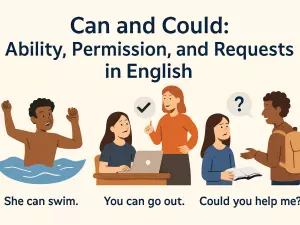
Common Situations (Could you help me?)
In everyday English, using “can” and “could” politely is essential when you want to ask for help, offer assistance, or make requests. These forms soften your speech and make interactions more comfortable, especially with people you don’t know well or in formal settings. Understanding when and how to use each form will help you navigate a variety of social and professional situations with ease.
Typical Contexts for Polite Requests
You might need to ask someone for a favor, directions, or information. In these moments, phrasing your question with “can” or “could” shows respect and consideration. “Could” is generally seen as more formal or softer than “can,” but both are widely acceptable.
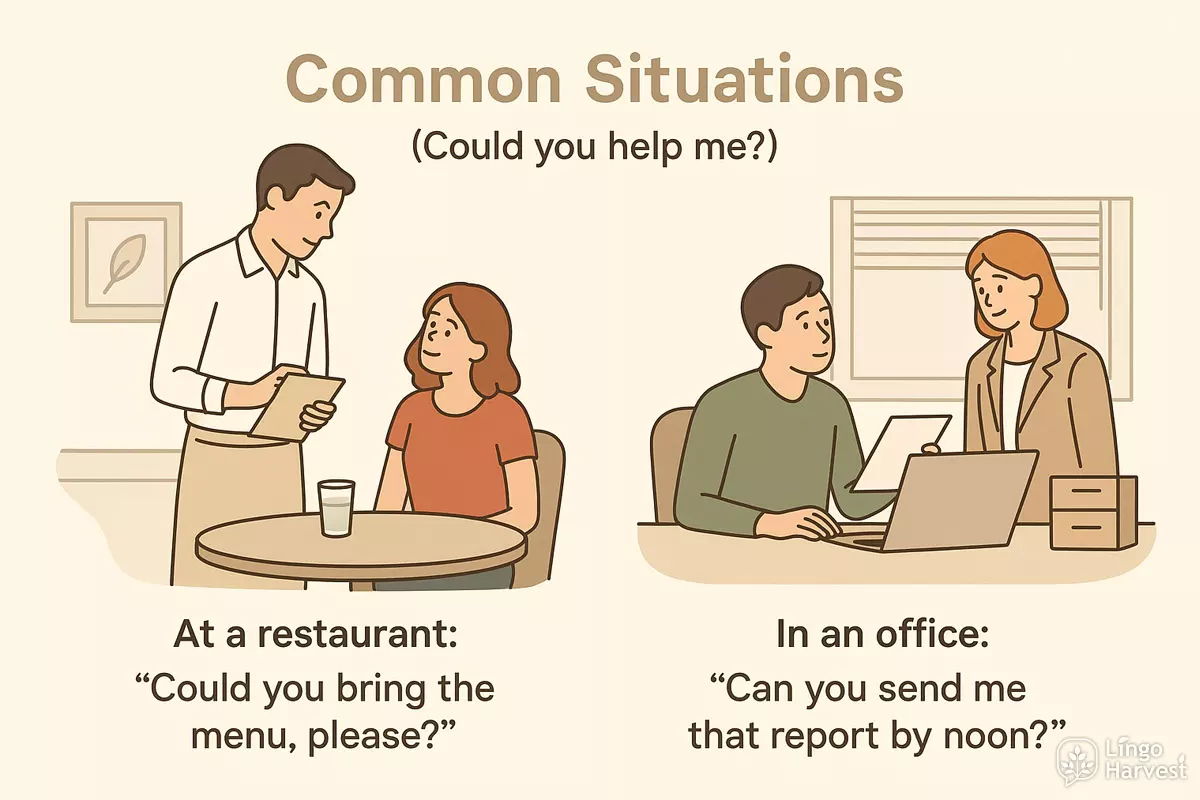
- At a restaurant: “Could you bring the menu, please?”
- In an office: “Can you send me that report by noon?”
- On public transport: “Could you tell me where the next stop is?”
- Shopping: “Can you help me find this product?”
- On the phone: “Could you repeat that, please?”
- Traveling: “Can you show me the way to the station?”
- In class: “Could you explain this again?”
- With friends: “Can you help me move this table?”
- In emergencies: “Could you call for help?”
- At the library: “Can you recommend a good book?”
- During meetings: “Could you clarify your point?”
- When borrowing: “Can I use your pen?”
- At events: “Could you take a photo of us?”
- For clarification: “Can you spell that for me?”
- Making offers: “Can I help you with your bags?”
- In hotels: “Could you arrange a taxi for me?”
Comparing “Can” and “Could” in Polite Speech
Both “can” and “could” are useful for making requests, but they carry slightly different tones. “Could” is often used when you want to be extra polite or when you’re speaking to someone you don’t know well. “Can” is direct yet still polite, especially when used with “please.” Here’s a comparison of how each might be used in practice:
| Request Form | Example |
|---|---|
| Can you…? | Can you open the window, please? |
| Could you…? | Could you help me with this assignment? |
| Can I…? | Can I ask you a question? |
| Could I…? | Could I borrow your phone charger? |
| Can we…? | Can we meet tomorrow? |
| Could we…? | Could we reschedule our appointment? |
Tips for Sounding Polite
- Add “please” to your request for extra politeness: “Could you help me, please?”
- Use a gentle tone and friendly body language when speaking face-to-face.
- If someone helps you, remember to say “thank you.”
- In emails or messages, start with a greeting and close politely.
Knowing how to ask for help or make requests in a courteous way is a valuable skill. Using “can” and “could” appropriately will help you build positive relationships and communicate smoothly in many everyday situations.
Formal vs Informal Tone
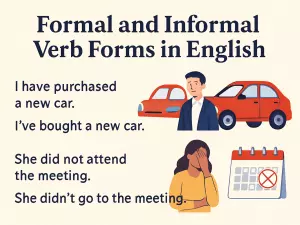
Understanding when to use "can" and "could" depends a lot on the level of formality in the situation. In English, the way you make a request or ask for permission can change the impression you give. Choosing the right tone shows respect and helps you communicate smoothly, especially with people you don’t know well or in professional settings.
When to Use a More Polite Approach
In workplaces, with strangers, or when you want to sound particularly courteous, people often prefer "could" because it softens requests and makes them less direct. For example, "Could you open the window, please?" sounds more gentle than "Can you open the window?"
- "Could you please send me the report?" (polite, formal)
- "Can you send me the report?" (neutral or informal)
- "Could I ask you a question?" (formal, respectful)
- "Can I ask you something?" (friendly, casual)
Key Differences in Everyday Conversation
"Can" is common among friends, family, or colleagues you know well. It’s direct and friendly, without sounding rude. However, in emails to a manager or when talking to someone older, "could" is usually the safer choice. Adding "please" or using a question form can also make requests sound more polite.
| Expression | Use & Context | Formality Level |
|---|---|---|
| Can you help me? | Simple request to a friend or peer | Informal |
| Could you help me? | Polite request to a colleague or stranger | Neutral/Formal |
| Can I borrow your pen? | Asking permission from a classmate | Informal |
| Could I borrow your pen? | Asking permission in a meeting or to a teacher | Formal |
| Can you give me a ride? | Request to a friend | Casual |
| Could you possibly give me a ride? | Very polite request, less familiar person | Formal/Very Polite |
| Can I leave early? | Quick question to a supervisor you know well | Informal/Neutral |
| Could I leave early, please? | Respectful request in a formal setting | Formal |
Tips for Choosing the Right Tone
- Use "could" for extra politeness or if you’re unsure about the relationship.
- Add "please" to soften both "can" and "could" requests.
- Reserve "can" for people you know well or in relaxed situations.
- Consider your tone of voice and body language—these matter too!
- When writing emails, err on the side of being more formal, especially at first.
Politeness in English isn’t just about the words, but about matching your language to the context. By paying attention to your choice of modal verbs, you can navigate social and professional situations more comfortably.
Practice: Rewrite Sentences More Politely
Politeness in English often depends on choosing the right modal verbs and phrasing. "Can" and "could" help soften requests, offers, and questions, making communication smoother and more considerate. In this section, you'll find examples, practice tasks, and useful tips for transforming direct or blunt statements into more courteous ones using these modals.
Common Direct vs. Polite Phrasing
Compare how the tone changes when you use "can" or "could" to rephrase requests, instructions, or questions. Notice how adding "please" or starting with "Could you..." makes the sentence sound friendlier.
- Open the window. → Could you open the window, please?
- Give me the salt. → Can you pass me the salt?
- Send me the report. → Could you send me the report?
- Move your bag. → Can you move your bag, please?
- Repeat that. → Could you repeat that?
- Close the door. → Can you close the door, please?
- Help me with this. → Could you help me with this?
- Turn off your phone. → Could you turn off your phone?
- Write your name here. → Can you write your name here?
- Wait a minute. → Could you wait a minute, please?
- Tell me the time. → Can you tell me the time?
- Be quiet. → Could you be quiet, please?
- Explain this. → Could you explain this?
- Show me the way. → Can you show me the way?
- Call me later. → Could you call me later?
Practice Activity: Make Requests Polite
Transform the following sentences by using "can" or "could" to make each one more polite. Remember to use "please" where appropriate.
- Shut the window.
- Finish this by tomorrow.
- Give me your pen.
- Turn down the music.
- Tell me your name.
Show answers
- Could you shut the window, please?
- Can you finish this by tomorrow, please?
- Could you give me your pen?
- Can you turn down the music, please?
- Could you tell me your name?
Quick Tips for Polite Requests
- Start with "Could you..." for extra politeness, especially with strangers or in formal situations.
- "Can you..." is also polite, but slightly less formal than "could you...".
- Add "please" at the end or after the subject for a softer tone.
- Use "Would you mind..." for even more indirect and polite requests.
- Remember: Intonation and body language also affect how polite you sound.
Mini Quiz: Polite or Not?
Decide if these requests are polite (✅) or not polite (❌).
- Can you help me, please?
- Give me your book.
- Could you open the door?
- Turn off the light.
Show answers
- ✅ Polite
- ❌ Not polite
- ✅ Polite
- ❌ Not polite