Pronouns for Things and People: Which Word to Choose?

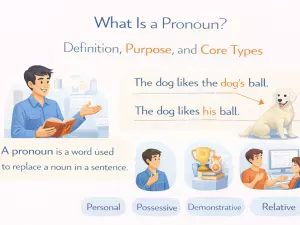
 This article explains how to choose the right pronouns for people, things, and animals. It covers he, she, they, it, and singular they, with examples and practice exercises to help you use modern English pronouns correctly.
Selecting the appropriate words to refer to objects and individuals can be challenging, particularly in English, where even slight differences in pronouns or reference terms may alter the meaning of a sentence. Being aware of which words are suitable for people versus things is essential for making your speech and writing sound both natural and precise. This careful attention to language not only improves clarity but also helps you communicate your ideas more effectively in various contexts.
Pronouns for People
Referring to individuals correctly is essential for clear and respectful communication. In English, the choice of which word to use depends on number, gender, formality, and context. Commonly, words like he, she, and they are used, but there are more options for different situations.
Singular and Plural Forms
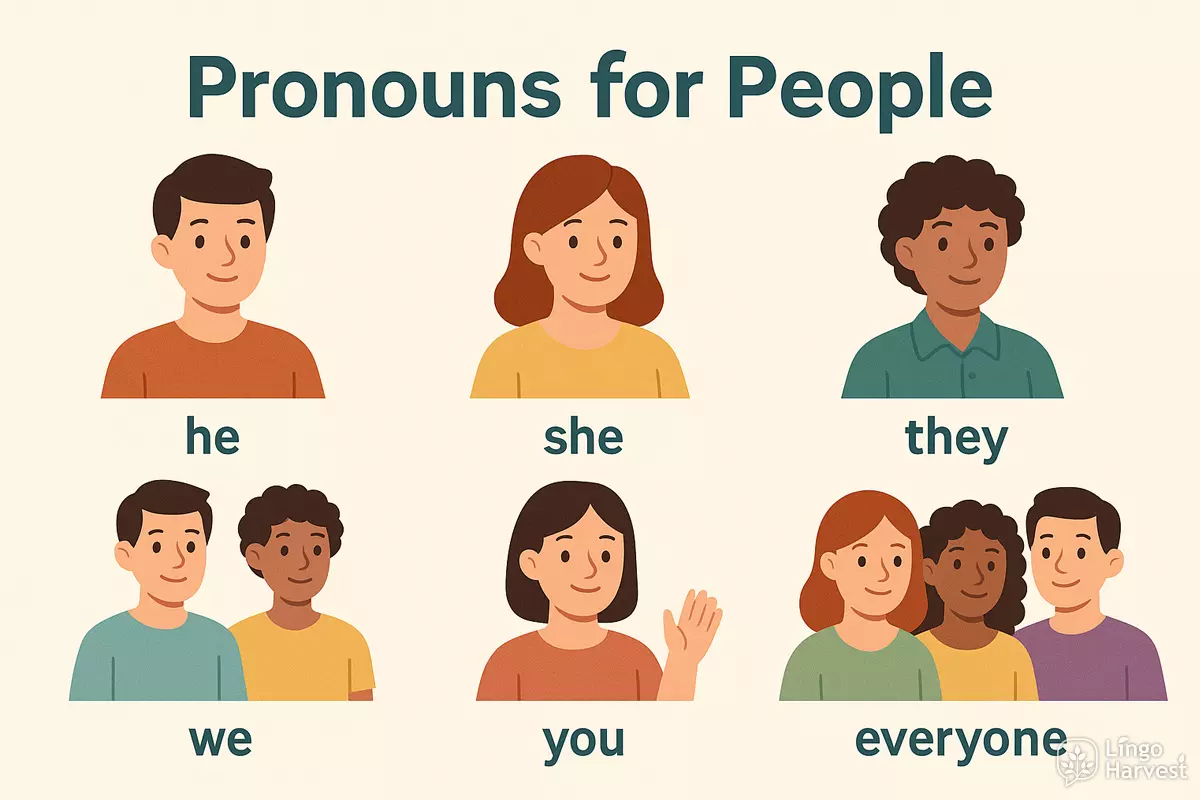
Singular forms indicate one person, while plural forms refer to more than one. The traditional options for singular are gendered (he, she), but they is often used as a singular form when gender is unknown or unspecified.
- He – for a male individual
- She – for a female individual
- They – singular, when gender is unknown or non-binary
- We – the speaker and at least one other person
- You – the person or people addressed
- I – the speaker
- They – plural, for groups of people
- We – plural, including the speaker
- You – plural, addressing more than one person
- One – formal, generic person (e.g., "One should be careful.")
Subject, Object, and Possessive Cases
Different forms are used depending on the pronoun's function in a sentence. Here is a comparison of common forms:
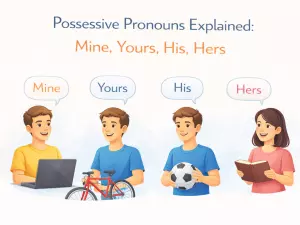
| Subject | Object | Possessive Adjective | Possessive Pronoun |
|---|---|---|---|
| I | me | my | mine |
| you | you | your | yours |
| he | him | his | his |
| she | her | her | hers |
| they | them | their | theirs |
| we | us | our | ours |
Other Considerations
Language is evolving, and many people now use gender-neutral or nonbinary pronouns. It's respectful to ask someone which form they prefer. Some individuals use neopronouns such as ze/hir, adding further options for inclusivity. In formal or generic statements, words like one or someone are also appropriate.
- Always match the form to the person’s preference when known.
- Avoid assumptions based on appearance or name.
- When unsure, use they until you know the correct term.
Pronouns for Things and Animals
When referring to objects or creatures, English uses a distinct set of pronouns compared to those used for people. Knowing which word to choose depends on whether you’re talking about a living creature, an inanimate object, or a group. The most common pronoun for a single item or non-specific animal is it. For plural items or multiple animals, they is used. Context and the relationship to the animal can also influence the choice.
Basic Pronoun Choices
- It – for one object or an animal of unknown or unspecified gender (e.g., “The book is on the table. It is blue.”)
- They – for more than one object or animal (e.g., “The cats are hungry. They want food.”)
- He/She – sometimes used for pets or animals when the gender is known and there’s a personal connection (“This is my dog. He is very friendly.”)
- This / That – for pointing out particular items or animals (“This is my favorite mug.”)
- These / Those – for plural items (“Those are wild horses.”)
Common Pronouns Used for Non-Human References
| Pronoun | Typical Use |
|---|---|
| it | Single object or animal (unknown gender) |
| they | Multiple objects or animals |
| this / that | Identifying specific item or animal (singular) |
| these / those | Identifying specific items or animals (plural) |
| he / she | Pets or animals with known gender and personal connection |
Examples in Sentences
- “Where is my phone? It was here a minute ago.”
- “The chairs are broken. They need repair.”
- “Look at the bird. It is singing.”
- “These apples are fresh. They taste sweet.”
- “This is the car I bought. It is very fast.”
- “Those dogs are barking. They must be hungry.”
- “My cat loves to play. She is very active.”
- “That cloud looks like a dragon. It is moving quickly.”
- “These are my keys. They open the garage.”
- “This tree is old. It has many branches.”
For most inanimate objects, the use of it is universal, but for animals, consider the context. If you’re giving a pet a personality or discussing a known animal’s gender, using he or she is acceptable, especially in informal settings. Otherwise, stick with it for neutrality.
He / She / They: Talking About People
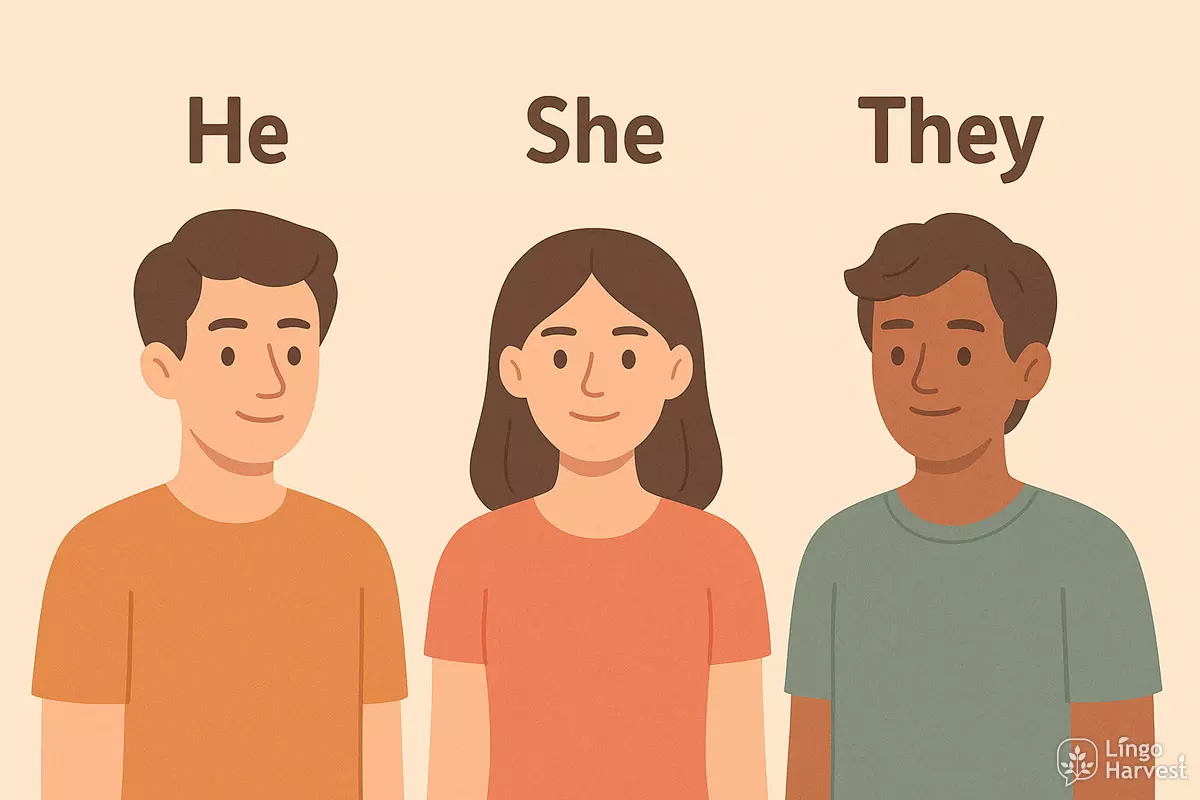
When you want to refer to a person in English, choosing the right pronoun depends on gender, number, and sometimes personal preference. Traditionally, "he" is used for males, "she" for females, and "they" can be used for groups or as a singular pronoun when gender is unknown or not specified.
Choosing the Correct Pronoun
Selecting the appropriate word helps make your speech clear and respectful. Here are some guidelines:
- Use he for someone who identifies as male.
- Use she for someone who identifies as female.
- Use they for a group of people or when the person’s gender is unknown, unspecified, or nonbinary.
Common Examples and Uses
The following list shows practical ways these pronouns appear in sentences. These can help you recognize patterns and avoid mistakes:
- He is studying for his exam.
- She called her friend last night.
- They left their keys on the table. (singular or plural)
- If someone calls, tell them I’ll call back. (singular "they")
- My colleague said they would arrive by noon.
- He enjoys playing football on weekends.
- She prefers coffee in the morning.
- They are waiting outside. (more than one person)
- Each student should submit their homework. (gender-neutral)
- He forgot his umbrella.
- She finished her project early.
- Someone left their bag here.
- Ask the manager if they are available.
- If a guest arrives, offer them a seat.
- He will join us later.
- She is writing a book.
- They will present the report tomorrow.
Quick Comparison
Below is a table summarizing how these pronouns work for people in different contexts:
| Pronoun | When to Use | Example |
|---|---|---|
| He | For a man or boy | He is at the library. |
| She | For a woman or girl | She likes to read. |
| They (singular) | For a person of unknown, unspecified, or nonbinary gender | Someone left their phone; they will return soon. |
| They (plural) | For more than one person | They are planning a trip. |
Why Use "They" as Singular?
Using "they" as a singular pronoun is common and accepted, especially when you don’t know the person’s gender or wish to be inclusive. This helps avoid assumptions and makes language more welcoming for everyone.
Tips for Respectful Pronoun Use
- If you know someone’s preferred pronouns, use them.
- When in doubt, "they" is a safe, neutral choice.
- Listen to how people refer to themselves and follow their lead.
Choosing the right pronoun isn’t just about grammar—it’s also about showing consideration for others.
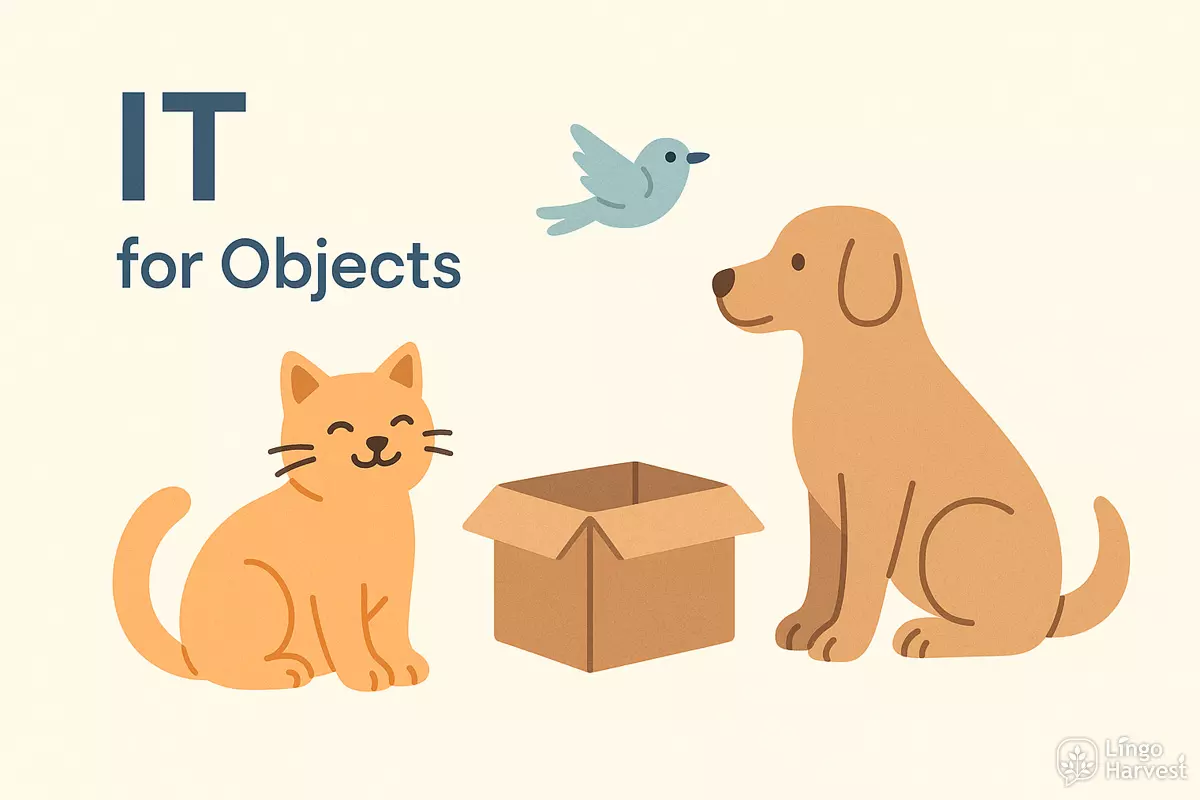
It: When to Use for Objects and Animals
The pronoun it is commonly used to refer to things, objects, and most animals when their gender is unknown or irrelevant. In English, this neutral pronoun helps avoid repetition and keeps sentences clear. Use it when talking about a single, non-human item or creature whose sex is not specified, or when the identity is not important.
Typical Situations for Using "It"
- Referring to inanimate objects: Where is my phone? It was here a minute ago.
- Describing the weather or time: It is raining., It’s 3 o’clock.
- Talking about an idea, situation, or fact: It seems impossible.
- Generalizing about babies or animals when gender is unknown: The cat is hungry. It needs food.
- Identifying something previously mentioned: I found a wallet. It was empty.
- Indicating distance or direction: It is far from here.
- Discussing a machine or device: The printer is broken. It won’t work.
- Referring to a country, city, or organization: France is beautiful. It has many museums.
- Talking about a group as a unit: The team won. It played well.
- Expressing impersonal statements: It is important to arrive early.
- Pointing out something in the environment: It is cold in here.
- Referring to a book, film, or song: I watched the movie. It was amazing.
Animals: "It" or "He/She"?
For animals, it is the default unless you know the animal’s gender or want to emphasize a personal connection. For example, a family pet is often called he or she, but a random bird or insect is usually it. When writing stories or showing affection, people may choose gendered pronouns instead.
Quick Reference: Using "It"
| Situation | Example Sentence |
|---|---|
| Object | The book is on the table. It is new. |
| Weather | It is sunny today. |
| Unknown Animal | I saw a fox. It ran away quickly. |
| Time | It is midnight. |
| Situation | It was a difficult decision. |
| Machine | The car won't start. It needs repairs. |
Remember, it is never used for people. When referring to a person, use he, she, or they as appropriate. This distinction helps make your writing and speech both accurate and respectful.
Using They for One Person (Singular They)
English speakers often rely on they as a substitute for "he" or "she" when a person's gender is unknown, irrelevant, or intentionally unspecified. This usage is not new; it appears in literature dating back centuries. In recent years, it has also become a common and respectful choice for individuals who identify outside the gender binary.
Singular they helps avoid awkward phrasing like "he or she" and makes sentences smoother when referring to an unknown or hypothetical individual. It's especially useful in situations where you want to be inclusive or simply don't know the person's pronouns.
When to Use Singular They
- Discussing someone whose gender is unknown: Someone left their umbrella.
- Referring to a person who uses "they/them" pronouns: Alex said they will join us later.
- Writing instructions or policies: If your guest arrives early, ask them to wait in the lobby.
- Describing hypothetical situations: If anyone calls, tell them I'm not available.
- Talking about a generic person: Every student should submit their homework on time.
- Respecting nonbinary identities: Jordan prefers they/them pronouns.
- In surveys or forms: Ask the participant for their feedback.
- When you don't want to assume: The doctor said they would call me.
- In stories or examples: Imagine a traveler who forgot their passport.
- To avoid gendered language: Each manager must sign their report.
Examples of Singular They in Sentences
- Somebody left their phone on the table.
- Each applicant should submit their resume by Friday.
- Did Sam say when they would arrive?
- If a student needs help, they should ask the teacher.
- Everyone should do their best.
- The winner will be contacted at their email address.
- Whoever finishes first can collect their prize.
- If anyone wants extra credit, they need to speak up.
- Every guest must show their ticket.
- When a customer enters, greet them politely.
Common Forms of Singular They
| Form | Example |
|---|---|
| they | They are on their way. |
| them | I called them yesterday. |
| their | That is their notebook. |
| theirs | The seat by the window is theirs. |
| themselves | They introduced themselves. |
Using this pronoun set can make your language more natural and considerate, especially in diverse or formal settings. While some traditionalists may still prefer "he or she," the singular use of they is widely accepted in modern writing and conversation.
Practice
Understanding how to select the correct reference word for both people and objects is crucial in clear communication. Let’s reinforce your skills with some targeted activities and examples.
Identify the Correct Pronoun
Choose the appropriate word to replace the noun in each sentence:
- The book is on the table. _____ is new.
- Sarah called her friend because _____ needed help.
- I bought apples. _____ are fresh.
- Mark and Tom arrived late, but _____ apologized.
- The dog wagged _____ tail.
Show answers
- It
- She
- They
- They
- its
Common Pronouns for People and Things
Below is a structured comparison of frequently used forms when referring to people versus objects:
| Refers to People | Refers to Things |
|---|---|
| he / she / they | it / they |
| him / her / them | it / them |
| his / her / their | its / their |
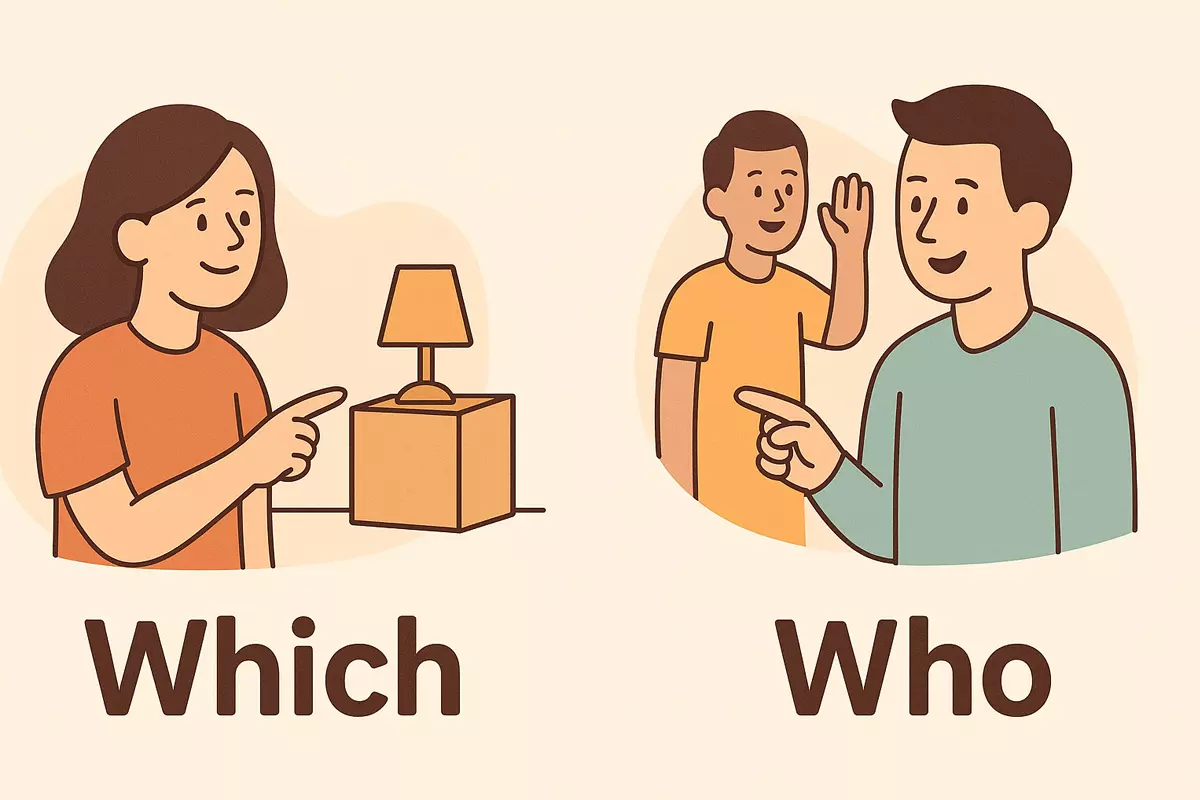
| who / whom | which / that |
| someone / everyone | something / everything |
Fill in the Blanks
Use the correct substitute word in each sentence:
- This is the chair _____ I bought yesterday.
- The woman _____ lives next door is a doctor.
- Do you see the keys? I can’t find _____ anywhere.
- Jack lost _____ phone at school.
- _____ is raining outside.
Show answers
- that / which
- who
- them
- his
- It
Quick Reference List: Typical Pronouns
- he, she, it, they
- his, her, its, their
- him, her, them
- who, which, that
- someone, something
- everyone, everything
- this, that, these, those
- my, your, our, their, its
- each, both, neither
- whose, whom
- anyone, anything
- none, some, all
Regular practice with these exercises will make it easier to choose the right word for people and things in any context.