How Pronoun Chains Affect Reader Comprehension

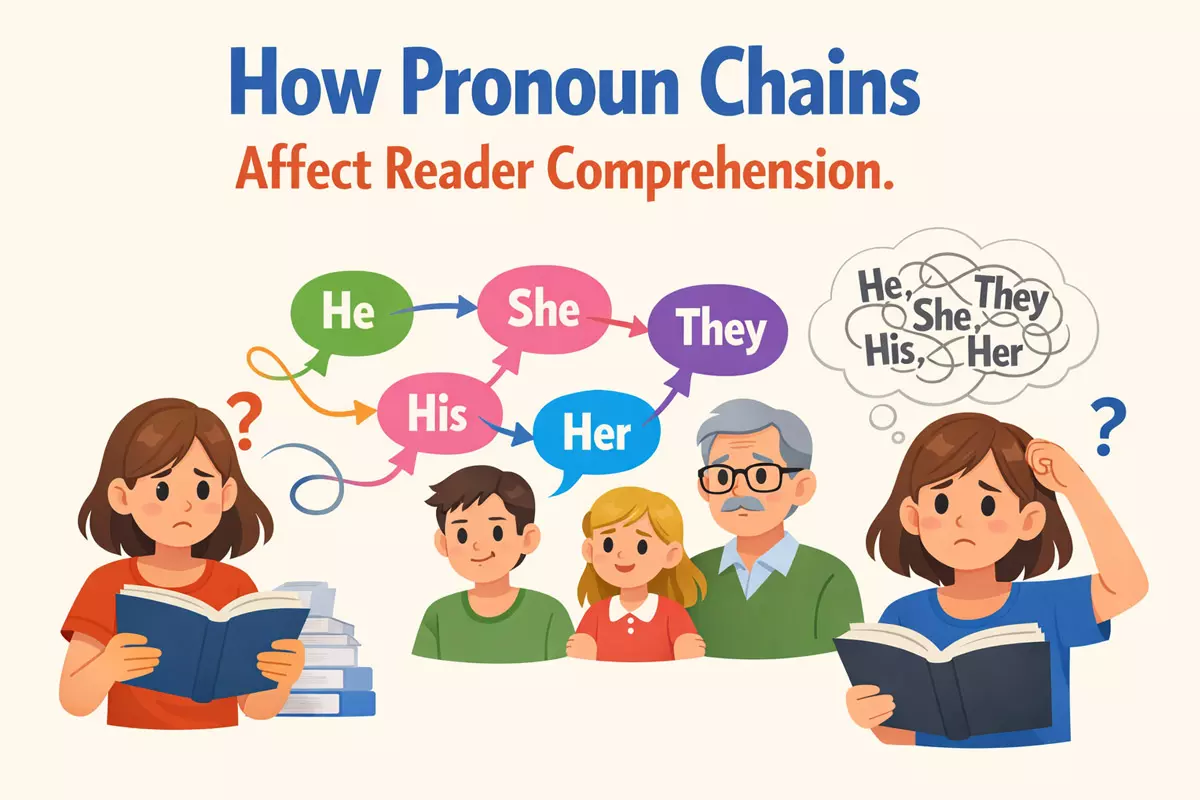 The article defines pronoun chains, discusses how they impact reader comprehension, compares their use in academic and narrative texts, explains when to break them, offers editing strategies, provides examples, and gives practice revising texts for clarity.
When a series of pronouns replaces names throughout a passage, readers can sometimes lose track of who is being referenced, which can disrupt understanding. Examining how these sequences of pronouns affect clarity shows that overuse or ambiguous references can cause confusion and make it harder for readers to follow the narrative. Maintaining clear antecedents for pronouns is essential to ensure smooth reading and effective communication, as clarity is often compromised when pronoun references are not carefully managed.
What pronoun chains are
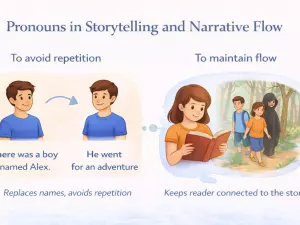
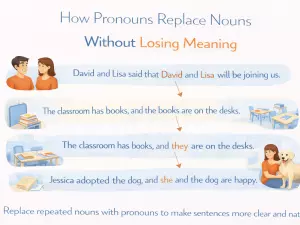
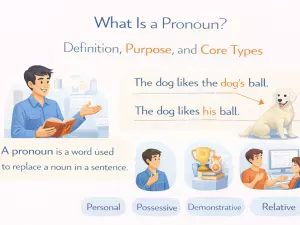
Pronoun chains occur when a series of pronouns are used to refer back to nouns or other pronouns across sentences or clauses. Instead of repeating the original noun, writers use words like “he,” “she,” “they,” “it,” or “this” to maintain flow and avoid repetition. However, when several pronouns are strung together without clear reference, readers may struggle to track who or what each pronoun refers to.
How pronoun chains form in text
A chain typically begins with a named subject and continues as subsequent references use pronouns. The longer the distance between the original noun and its corresponding pronoun, the harder it becomes for readers to follow the thread. Ambiguity increases if multiple characters or objects are introduced, each requiring their own set of pronouns.
- Initial noun is introduced (e.g., "Maria picked up the book. She...").
- Subsequent pronouns replace the noun ("She opened it and read.").
- Additional entities complicate the chain ("Tom saw her and waved.").
- Multiple pronouns can refer to different nouns ("He smiled at her as she handed it back.").
- Longer passages may include chains several sentences long.
- Pronouns can be singular or plural ("they," "them," "their").
- Chains can involve objects, places, or abstract ideas ("this," "that," "which").
- Ambiguity arises if it’s unclear which noun a pronoun replaces.
- Writers may unintentionally switch referents, confusing the reader.
- Complex chains are common in narratives with multiple characters.
Common pronouns used in chains
Writers rely on a variety of pronouns to build these referential links. Here are some frequently used examples:
- he, him, his
- she, her, hers
- they, them, their, theirs
- it, its
- this, that, these, those
- who, whom, whose, which
- one, ones
- someone, anyone, everyone
- each, either, neither
- such
Types of pronoun chains

Chains can be simple or complex, depending on how many pronouns and referents are involved. Simple chains contain only one or two pronouns referring to a single noun, while complex ones may involve several pronouns and multiple antecedents. The following table compares these types:
| Chain Type | Example |
|---|---|
| Simple | Sarah dropped her keys. She picked them up. |
| Complex | When John met Lisa, he gave her the letter she had written, and she thanked him for it. |
| Ambiguous | Alex spoke to Jordan after they left the room. (Unclear who "they" refers to.) |
| Extended | The committee reviewed the proposal. They discussed its merits, then submitted it for approval. |
Understanding these patterns helps writers create clearer sentences and supports readers in following the intended meaning. Being aware of how referential links are constructed is essential for both writing and comprehension.
How chains guide or confuse readers
Pronoun chains—sequences where one or more pronouns refer back to earlier nouns—can either clarify relationships or increase ambiguity, depending on how they are constructed. When used thoughtfully, these chains help readers track who or what is being discussed without unnecessary repetition. However, if the referents are unclear or shift unexpectedly, confusion often results. The effectiveness of a pronoun chain depends on the precision of its links and the reader’s ability to follow each reference.
Guiding the Reader with Clear Pronoun Chains
A well-structured chain allows for fluid reading. Readers recognize each pronoun’s antecedent, building a mental map of the text’s subjects and objects. This efficient referencing avoids redundant repetition and keeps sentences concise. For example, in a story about two people, alternating names and pronouns can help maintain clarity as long as their identities remain distinct.
- Enhances text flow by reducing repeated names
- Supports comprehension when each pronoun’s referent is obvious
- Helps maintain focus on main subjects or objects
- Allows for smoother transitions between sentences
- Provides variety in sentence structure
How Pronoun Chains Can Cause Confusion
Problems arise when multiple possible antecedents exist, or when the chain is too long for readers to remember the original referent. Ambiguous pronouns like “he,” “she,” or “they” can force readers to pause and re-read, breaking immersion. Chains that cross paragraph boundaries, or that introduce new entities mid-chain, are especially prone to causing misunderstandings.
- Ambiguity when two or more possible referents are present
- Difficulties when pronouns refer to distant nouns
- Reader frustration if context does not clarify meaning
- Loss of narrative momentum due to rereading
- Misinterpretation if readers assign the wrong referent
Examples of Effective vs. Problematic Pronoun Chains
| Clear Chain | Confusing Chain |
|---|---|
| Maria met Anna at the park. She gave her a book. | Maria met Anna at the park. She was late, and she was annoyed. |
| The dog chased the cat until it ran up a tree. | The dog chased the cat, but it was too fast for it. |
| After the meeting, the manager thanked the team. They appreciated the gesture. | After the meeting, the manager thanked the team. They left early because she was tired. |
| John and his brother fixed the bike. He tightened the bolts while his brother held the wheel. | John and his brother fixed the bike. He was better at repairs, so he did most of the work. |
Tips for Constructing Reader-Friendly Pronoun Chains
- Introduce pronoun referents clearly before using them
- Limit chain length—avoid referencing nouns introduced many sentences earlier
- Alternate between names and pronouns when multiple people are involved
- Rephrase or repeat names if ambiguity arises
- Be cautious with “it,” “they,” and “he/she” in crowded contexts
- Check for possible double meanings before finalizing text
- Use context clues to reinforce pronoun meaning
- Keep related sentences close together to maintain clarity
- Consider the reader’s perspective—what is obvious to the writer may not be to others
Ultimately, success with pronoun chains relies on anticipating potential points of confusion and addressing them proactively. Careful construction improves comprehension and keeps the reader engaged.
Length and density of pronoun chains
How many pronouns are linked together in a stretch of text, and how closely they appear, can have a big impact on how easily readers follow the thread of who is being referenced. When several pronouns are used in succession without clearly named antecedents, readers may lose track of the original subject, leading to confusion or misinterpretation. The more densely packed these references are, the more challenging it becomes to maintain clarity.
Longer sequences of pronouns, especially when they occur in complex or information-heavy sentences, demand more effort from the reader to resolve each reference. If a writer strings together too many pronouns without reintroducing the noun, it can force readers to backtrack or guess at the meaning. On the other hand, well-managed pronoun usage can streamline prose and avoid unnecessary repetition.
Common patterns and their effects
- Short chains (e.g., "He said he would help.") usually cause little difficulty.
- Moderate chains with explicit antecedents (e.g., "Maria finished her work before she called her friend.") tend to remain clear.
- Dense or extended chains without clear referents (e.g., "When she saw her, she realized she had forgotten her keys.") often create ambiguity.
- Alternating pronouns for multiple characters can quickly become confusing if not managed carefully.
- Switching between singular and plural pronouns in a chain can also disrupt comprehension.
Comparison of pronoun chain lengths
| Chain Type | Comprehension Impact |
|---|---|
| Short (1-2 pronouns) | ✅ Usually clear; low cognitive load |
| Moderate (3-4 pronouns) | → Sometimes requires backtracking, especially with multiple subjects |
| Long (5+ pronouns) | ❌ High risk of confusion; readers may lose track of referents |
| Dense (pronouns in rapid succession) | ❌ Often ambiguous unless context is carefully maintained |
Strategies to improve clarity
- Reintroduce nouns periodically in place of pronouns, especially after a long chain.
- Limit the number of consecutive pronouns referring to different entities.
- Use context cues or modifiers to clarify ambiguous references.
- Vary sentence structure to reduce the accumulation of pronouns in close proximity.
- For texts with multiple characters, establish a clear pattern for pronoun use early on.
Writers can enhance reader comprehension by balancing the efficiency of pronoun use with the need for explicitness. Recognizing when a string of references becomes too dense or extended is key to maintaining clarity and ensuring smooth reading.
Pronoun chains in academic vs narrative texts
Writers often rely on pronouns to maintain cohesion, but the way pronoun references are constructed varies considerably between formal academic writing and narrative prose. In scholarly articles, pronoun chains tend to be shorter and more explicit, while fiction and storytelling may use longer, more complex referencing chains to shape character perspective and narrative flow. These differences can have a notable impact on how easily readers can track referents and comprehend the material.
Typical pronoun chain features in each genre
- Academic texts: Short, direct chains; frequent noun repetition to avoid ambiguity.
- Narrative texts: Extended chains; pronouns often refer back several sentences, relying on context and world knowledge.
- Academic writing: Pronouns like "it," "they," and "this" usually follow immediately after a clear antecedent.
- Narrative writing: Use of "he," "she," "they," sometimes with multiple possible referents, especially in dialogue or action scenes.
- Research papers: Chains are interrupted by restating the subject ("the experiment," "the participants").
- Stories: Chains may span paragraphs, especially when following a main character’s perspective.
Comparing pronoun chain patterns
| Academic Prose | Narrative Prose |
|---|---|
| Short, explicit chains (e.g., "The study... it") | Longer, context-driven chains (e.g., "She ran. She hid. She waited.") |
| Frequent noun repetition for clarity | Pronouns may be ambiguous, relying on prior context |
| Limited use of personal pronouns | Frequent use of "he," "she," "they" for characters |
| Referents usually in the same or preceding sentence | Referents can span multiple sentences or paragraphs |
Implications for comprehension
Readers may find it easier to follow arguments in scholarly writing thanks to the explicitness of referent tracking. In contrast, stories demand more cognitive effort, as readers must remember and infer which character or object each pronoun refers to—especially when multiple entities are present. This means that narrative chains, while natural in storytelling, can increase the challenge of comprehension if not managed carefully.
- Clear antecedents reduce confusion.
- Complex chains may enhance immersion but risk ambiguity.
- Frequent noun repetition can be tedious but aids clarity.
- Long pronoun chains require strong context memory from the reader.
Understanding these genre-specific tendencies helps explain why readers might struggle more with one style than another, and how authors can adjust their use of pronouns to suit their intended audience and purpose.
When to break a pronoun chain
Clarity should always be the top priority in writing, especially when using pronouns. Long sequences of pronouns referring back to different nouns can confuse readers, making it difficult to track who or what each pronoun represents. Breaking up these series helps maintain comprehension and keeps your audience engaged.
Common signs you need to clarify
If readers might lose track of the subject or object, it’s a good time to reintroduce the noun. Consider these signals:
- Multiple people or objects are being discussed in the same passage.
- More than two consecutive pronouns appear without restating the noun.
- The referent of a pronoun could be ambiguous.
- Sentences become long and complex, increasing the chance of confusion.
- Readers would have to backtrack to clarify who “he,” “she,” “they,” or “it” means.
- New characters or items are introduced in the middle of a pronoun chain.
- Similar pronouns (he/him, she/her) are used for different referents in close proximity.
- Pronouns refer to different antecedents within the same paragraph.
- Shifts in point of view occur, such as moving from third to first person.
- Pronouns are separated from their nouns by several sentences.
Effective strategies for breaking chains
Writers can use a few straightforward techniques to restore clarity:
- Repeat the noun after every two pronouns, especially if another noun is introduced.
- Use names or descriptive titles when the context changes.
- Restate the subject at the start of new paragraphs or after dialogue.
- Vary sentence structure to avoid repetitive pronoun use.
- Substitute synonyms for the main noun where appropriate.
- Eliminate any unnecessary pronouns that don’t add information.
Examples: Ambiguous vs. Clear References
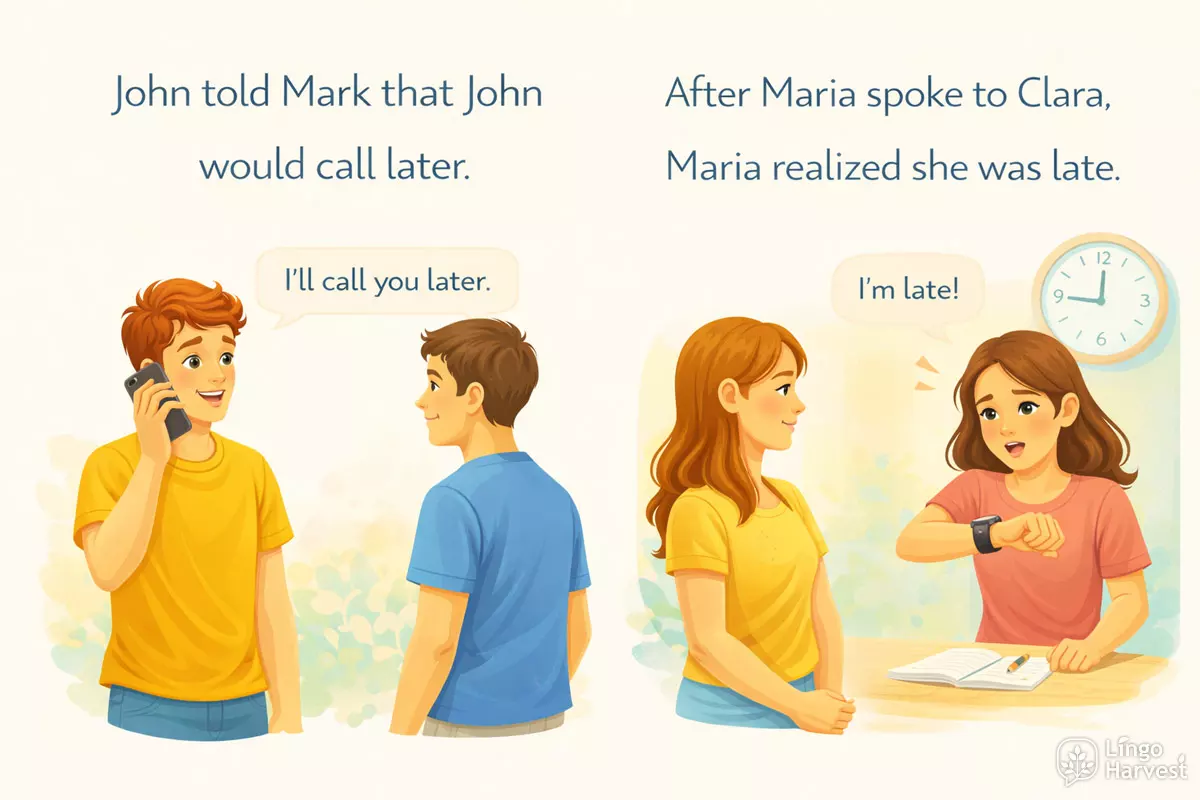
Writers sometimes miss the moment when a reader’s understanding falters. Here’s a comparison of confusing and clarified passages:
| Ambiguous Chain | Clarified Reference |
|---|---|
| When Anna gave Bella her book, she thanked her and put it on her desk. | When Anna gave Bella the book, Bella thanked Anna and put the book on her desk. |
| He told him that he would call later. | John told Mark that John would call later. |
| After she spoke to her, she realized she was late. | After Maria spoke to Clara, Maria realized she was late. |
| The dog chased the cat, but it was too fast for it. | The dog chased the cat, but the cat was too fast for the dog. |
Summary tips for smoother reading
Breaking up long pronoun sequences improves readability and helps readers stay oriented. When in doubt, restate your noun or use a name. By monitoring sentence structure and being alert to changes in context, you can prevent confusion and keep your writing accessible.
Editing strategies for readability
When refining text for smoother understanding, especially in passages with complex pronoun use, it’s crucial to keep the reader’s ease in mind. Long chains of pronouns often force readers to pause and backtrack, disrupting the flow and clarity of the material. Editors can use several practical approaches to ensure each reference is unmistakable and the overall message stays clear.
Techniques for clarifying pronoun references
- Replace ambiguous pronouns: Swap unclear pronouns with the original noun, especially after several sentences separate the pronoun from its antecedent.
- Alternate between names and pronouns: Use the subject’s name periodically to help anchor the reader.
- Limit the number of pronouns per sentence: Too many can confuse readers about who is being discussed.
- Break up long sentences: Shorter sentences reduce the cognitive load required to track references.
- Use parallel structure: When describing actions by multiple people, keep the sentence structure consistent to clarify who does what.
- Introduce characters clearly: When new entities enter the narrative, state their names before switching to pronouns.
- Vary pronoun forms: Alternate between “he,” “she,” “they,” and specific names for variety and clarity.
- Check for proximity: Make sure pronouns are close to their antecedents wherever possible.
- Read aloud: Listening for confusion points can highlight unclear pronoun use.
- Ask for feedback: Peer review often reveals where readers lose track of references.
Common pronoun chain pitfalls and solutions
Editors can watch for typical trouble spots when reviewing text. Some effective fixes are summarized in the table below.
| Problematic Pronoun Usage | Recommended Revision |
|---|---|
| After Mary spoke to Jane, she left the room. | After Mary spoke to Jane, Mary left the room. |
| Tom gave his book to Bob because he needed it. | Tom gave his book to Bob because Bob needed it. |
| They told them their plan, but they didn’t understand it. | The committee told the team about the plan, but the team didn’t understand it. |
| Sarah and Lisa took their dogs to the park, and they played for hours. | Sarah and Lisa took their dogs to the park, and the dogs played for hours. |
Checklist for improving clarity
- Identify all pronouns and trace their references.
- Replace or rephrase where confusion is possible.
- Ensure each pronoun’s antecedent is explicit and recent.
- Maintain consistency in naming and referencing throughout the text.
- Review passages with multiple people or entities extra carefully.
By applying these editing tactics, writers can reduce misunderstandings that stem from dense or unclear pronoun sequences. The result is prose that guides readers smoothly, keeping them focused on meaning rather than deciphering who did what.
Examples of effective and weak chains
Understanding how pronoun references connect throughout a passage is central to clear writing. When pronoun chains are strong, readers can easily track who or what each pronoun refers to. In contrast, weak chains cause confusion, as readers struggle to connect pronouns to their antecedents. Below, you’ll find practical illustrations of both strong and weak usage, along with tips for constructing clearer references.
What makes a chain effective?
- The pronoun's antecedent is clear and unambiguous.
- Pronouns are not overused in a way that forces readers to guess their referents.
- Shifts between different referents are marked by repeating the noun or using a clear description.
- No two possible antecedents are introduced too close together without clarification.
- Pronouns are introduced only after their referents have been clearly established.
Common pitfalls in weak chains
- Using “he,” “she,” or “it” after multiple nouns, leaving the reference unclear.
- Stringing several pronouns together without restating the noun, especially in long or complex sentences.
- Switching pronoun referents mid-paragraph without warning.
- Introducing a pronoun before its noun has appeared in the text.
- Relying on generic pronouns (“they,” “this,” “that”) when several possibilities exist.
Side-by-side comparison
To illustrate the difference, here’s a comparison of clear and unclear pronoun use in context:
| Clear Reference (Effective Chain) | Unclear Reference (Weak Chain) |
|---|---|
| Maria gave the book to Anna because she had asked for it. | Maria gave the book to Anna because she was late. (Who was late?) |
| The committee reviewed the proposal. It approved the changes unanimously. | The committee reviewed the proposal and sent it to the board, which approved it. (What does "it" refer to?) |
| When the dog chased the cat, the cat escaped by climbing a tree. | When the dog chased the cat, it escaped by climbing a tree. (Which animal escaped?) |
| After the vase fell, it shattered into pieces. | After the vase fell on the table, it broke. (Did the vase or the table break?) |
| Sarah and Tom went to the concert. Tom left early because he felt sick. | Sarah and Tom went to the concert. He left early. (Who left?) |
Additional patterns of ambiguous chains
- “They told them to leave.” (Who is “they”? Who is “them”?)
- “Jack and his father argued until he left.” (Which person left?)
- “The teacher handed the student her book.” (Whose book?)
- “After Sam spoke with Alex, he felt better.” (Who felt better?)
- “The car hit the tree, but it was not damaged.” (What was not damaged?)
- “Lisa gave her sister her keys.” (Whose keys?)
- “When the lamp fell on the table, it broke.” (The lamp or the table?)
- “She told her mother that she was late.” (Who was late?)
- “After the storm, the roof and windows needed repair, but they were fixed quickly.” (What does “they” refer to?)
- “The manager met with the supervisor before she left for the day.” (Who left?)
Paying attention to how pronouns link back to their nouns can prevent misunderstandings. Writers should regularly review pronoun chains in their work, especially when multiple entities are involved, to ensure each reference is unmistakable. This practice supports smoother reading and better comprehension for all audiences.
Practice: revise texts to improve comprehension
Complex pronoun chains can make reading more challenging, especially when several pronouns refer to different people or things. To make texts clearer, writers should identify ambiguous references and replace or clarify pronouns as needed. Below, you'll find strategies and interactive practice to help you revise sentences for better reader understanding.
Common issues with pronoun chains
- Unclear antecedents: When it's not obvious what a pronoun refers to.
- Multiple pronouns in one sentence: This can confuse the reader about who did what.
- Switching subjects: Changing the person or thing the pronoun refers to mid-paragraph.
- Overuse of "he," "she," "it," or "they" without context.
Revision techniques for clarity
- Replace pronouns with specific nouns where possible.
- Break long sentences into shorter ones to limit pronoun use.
- Add brief clarifying phrases after pronouns (e.g., "they, the teachers, explained the lesson").
- Check each pronoun to ensure its reference is unmistakable.
- Use names or titles occasionally to remind readers who is being discussed.
Examples: Before and after revision
| Original Sentence | Revised for Clarity |
|---|---|
| When Sarah gave Anna her book, she thanked her for it. | When Sarah gave Anna her book, Anna thanked Sarah for the gift. |
| The committee reviewed the report and sent it to the managers after they read it. | The committee reviewed the report and, after reading it, sent the document to the managers. |
| Jack told Mike that he would help him with his project if he needed it. | Jack told Mike, "I will help you with your project if you need assistance." |
| Lisa and Maria went to her office because she needed to ask her something. | Lisa and Maria went to Maria's office because Lisa needed to ask Maria a question. |
| The dogs chased the cats until they ran behind the house. | The dogs chased the cats until the cats ran behind the house. |
Practice: Revise these sentences
- Tom called Jerry after he finished his homework, and he was happy to talk to him.
- The students told the teachers that they would arrive late because they missed the bus.
- Emily gave her sister her phone so she could call her mother.
- When the manager spoke to the supervisor, she explained the changes to her.
- Alex met Chris after he left the office, and he seemed upset.
- The lawyer spoke to the client when he arrived, and he looked worried.
- Sara emailed Anna because she needed help with her project.
- The coach thanked the player after he won the match.
- Mark showed Paul his report before he submitted it.
- When the doctor spoke to the nurse, she clarified the instructions.
Show answers
- After finishing his homework, Tom called Jerry, and Jerry was happy to talk to Tom.
- The students told the teachers that the students would arrive late because the students missed the bus.
- Emily gave her phone to her sister so her sister could call their mother.
- When the manager spoke to the supervisor, the manager explained the changes to the supervisor.
- After Alex left the office, Alex met Chris, and Chris seemed upset.
- When the client arrived, the lawyer spoke to the client, and the client looked worried.
- Sara emailed Anna because Sara needed help with her project.
- The coach thanked the player after the player won the match.
- Before submitting the report, Mark showed the report to Paul.
- When the doctor spoke to the nurse, the doctor clarified the instructions to the nurse.
``
Checklist: How to spot and fix confusing pronoun chains
- Identify every pronoun and its intended reference.
- Ask: Would a reader unfamiliar with the context know what each pronoun means?
- Replace ambiguous pronouns with nouns or names.
- Read sentences aloud to check for possible confusion.
- Revise until each reference is clear and unambiguous.
By applying these strategies, you can make your writing easier to follow and reduce misunderstandings caused by pronoun chains.