Imperative Questions in English: Requests and Offers

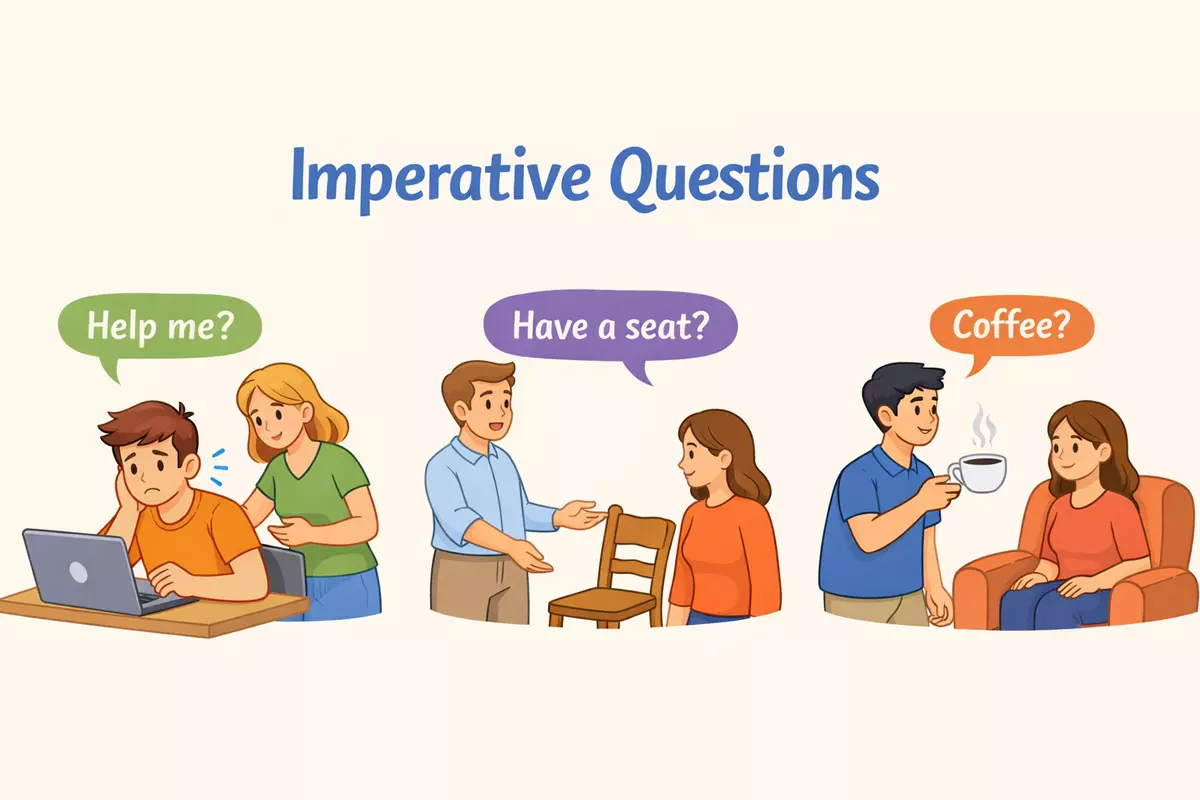 This article explains how imperatives become questions in English, focusing on requests and offers. It covers politeness strategies, intonation, formal and informal usage, common mistakes, and provides practice exercises for self-assessment.
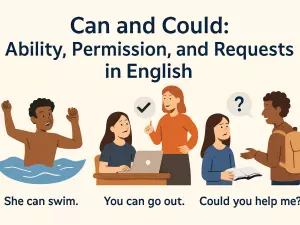
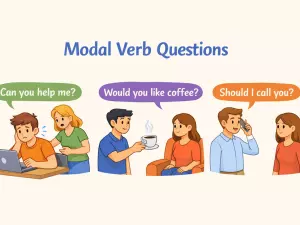
When we ask for help or offer assistance in English, the way we phrase our questions can subtly influence the tone and outcome of the conversation. Direct questions like "Can you help me?" or "Would you like some help?" are common, but slight variations—such as using "Could you" or "May I"—can make requests sound more polite or formal. Similarly, offering help with phrases like "Do you need a hand?" or "Shall I help you?" can show friendliness and consideration. Understanding these differences helps us communicate more effectively and respectfully in daily interactions.
Imperatives and Questions Overview
Understanding how commands and inquiries function in English helps speakers express requests, offers, and instructions more clearly. Imperative sentences issue directives or suggestions, while interrogative structures ask for information or confirmation. Both forms are essential for everyday conversation, from asking someone to pass the salt to offering help with a task.
Core Features of Imperative Sentences
Imperatives typically use the base form of the verb and often omit the subject, as the listener is understood to be the person addressed. They can be softened or made more polite with words like "please" or by turning them into questions.
- Close the window.
- Please sit down.
- Let’s start the meeting.
- Don’t forget your keys.
- Be quiet.
- Take a seat, please.
- Remember to call me.
- Let him know if you’re late.
- Don’t be afraid to ask questions.
- Try to finish by noon.
Forming Questions with Imperative Intent
Requests and offers can also be presented as questions, which often sound more polite or indirect. This approach is common in English, especially in formal or service-oriented contexts. Typical ways to make requests or offers as questions include modal verbs and question tags.
| Form | Example |
|---|---|
| Modal question (request) | Could you open the door? |
| Modal question (offer) | Would you like some coffee? |
| Question tag (request) | Pass me the pen, will you? |
| Indirect question | Would you mind helping me? |
| Polite question with "can" | Can you help me with this? |
| Polite question with "shall" | Shall I call you later? |
Distinguishing Requests and Offers
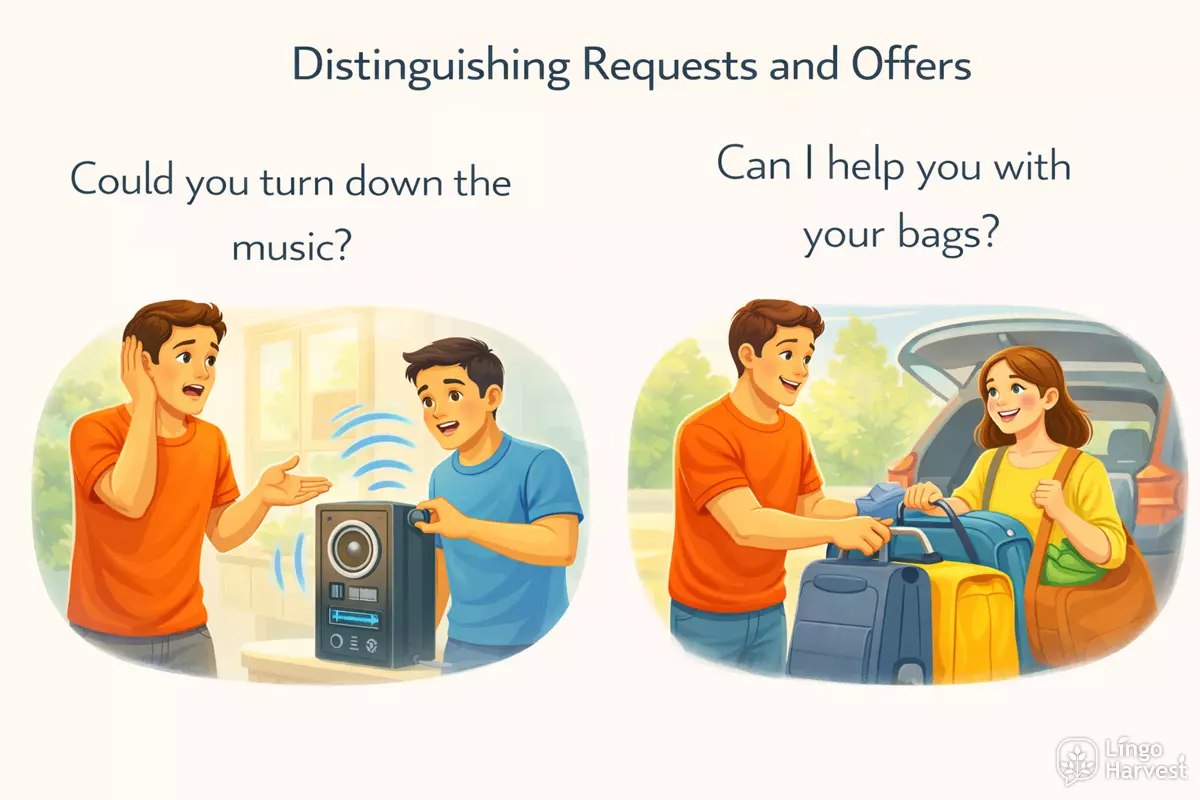
It’s helpful to know whether you’re making a request (asking someone to do something) or an offer (suggesting to do something for someone). The structure and choice of modal verbs often signal the difference. For example, "Could you…" usually introduces a request, while "Shall I…" or "Can I…" often begins an offer. Tone and context also play a significant role in how these sentences are interpreted.
- Request: Could you turn down the music?
- Offer: Can I help you with your bags?
- Request: Would you mind closing the window?
- Offer: Shall I open the door for you?
- Request: Can you explain that again?
- Offer: May I bring you some water?
Mastering the variety of ways to make requests and offers—whether as direct imperatives or as questions—will make your communication more effective and polite in English-speaking environments.
Imperatives Used as Requests
In English, commands can often take on a softer tone when they're intended as requests rather than direct orders. This is common in both everyday conversation and formal communication. Instead of sounding demanding, these phrases signal politeness and make the listener feel more comfortable complying. The key is in the context, intonation, and sometimes the addition of words like "please."
How Imperatives Function as Requests
When making a request, the base form of the verb is used, but the meaning shifts from command to a polite ask. The difference is often subtle and depends on voice, facial expression, and the relationship between speakers. Softening words and polite intonation can transform a direct statement into a friendly invitation or suggestion.
Common Patterns and Examples
Some imperative statements are frequently used to ask for help, information, or actions in a courteous way. Here are several examples you might encounter:
- Pass me the salt, please.
- Have a seat.
- Let me know if you need anything.
- Take your time.
- Tell me when you're ready.
- Call me if you have questions.
- Show me how it works.
- Give me a moment, please.
- Hold the door, please.
- Send me the details.
- Remind me later.
- Wait here for a minute.
- Help yourself to some coffee.
- Look this over when you can.
- Write your name at the top.
- Tell us your thoughts.
- Let us know your decision.
- Check your email for updates.
Adding Politeness to Imperative Requests
To make an imperative statement more polite, speakers often add "please" or use a softer tone. The placement of "please"—at the beginning, middle, or end—can slightly alter the emphasis but always increases the level of courtesy.
| Direct Command | Polite Request |
|---|---|
| Open the window. | Please open the window. |
| Wait here. | Could you wait here, please? |
| Give me your name. | Can you give me your name, please? |
| Send the report. | Would you send the report, please? |
| Hold this. | Please hold this for a moment. |
Context Matters
Whether a statement is perceived as a request or a command often depends on the situation and the relationship between speaker and listener. Using a gentle intonation or adding softening phrases helps avoid sounding bossy. In professional or unfamiliar settings, using more polite forms is generally preferred.
Understanding how to phrase these sentences appropriately will help you communicate more effectively and maintain positive interactions in both casual and formal situations.
Imperatives Used as Offers
In English, commands and instructions are not always about demanding action—they can also be friendly invitations or suggestions. When making offers, speakers often use imperative forms to sound direct, helpful, or inviting, rather than bossy. This usage is common in both casual and polite conversation, especially when encouraging someone to accept something, participate, or feel comfortable.
How Imperatives Become Offers
Instead of just telling someone what to do, these short statements gently prompt the listener to accept or consider something. Intonation, context, and body language often add warmth to the request. For example, "Have some cake" at a party is an offer, not a command. Such forms are especially common in hospitality, service, and everyday social situations.
Comparing Offers and Commands
The same structure can be interpreted as a suggestion or an order depending on the situation and tone. The table below compares how context shifts meaning:
| Imperative Example | Typical Meaning as Offer | Typical Meaning as Command |
|---|---|---|
| Take a seat. | Inviting someone to sit down | Ordering someone to sit |
| Have some tea. | Offering a drink | Insisting someone drinks |
| Come in. | Welcoming someone inside | Demanding entry |
| Try this. | Suggesting someone sample something | Forcing someone to try |
Politeness and Tone
Friendly offers using the imperative often rely on a gentle tone and positive context. Adding words like "please" or "feel free" increases politeness. Nonverbal cues—such as a smile or open gesture—help make the invitation clear. The difference between sounding helpful and sounding forceful lies in how the phrase is delivered and the relationship between the speakers.
Politeness and Softening Language
When forming imperative questions for requests and offers, the way you phrase your question can significantly affect how it is received. Direct imperatives sometimes sound too strong or abrupt, especially in English-speaking cultures that value indirectness and courtesy. To make your language more tactful, speakers often use softening expressions and polite forms. This not only shows respect but also increases the chance of a positive response.
Common Ways to Soften Imperative Questions
- Adding modal verbs: Could you, Would you, Can you
- Using introductory phrases: Do you mind if, Would it be possible to
- Including please: Placing please at the beginning, middle, or end
- Employing question tags: ..., could you?, ..., would you?
- Making it a suggestion: Why don’t we, How about
- Using past tense for distance: Did you want to, Were you thinking of
- Choosing indirect forms: I was wondering if you could
- Expressing appreciation: If you wouldn’t mind, I’d appreciate it if you could
- Prefacing with apologies: Sorry to bother you, but...
- Offering alternatives: Would you like me to, Shall I
Comparing Direct and Softened Requests
| Direct Form | Softened Form |
|---|---|
| Open the window. | Could you open the window, please? |
| Pass me the salt. | Would you mind passing me the salt? |
| Wait here. | Would you be able to wait here for a moment? |
| Send me the report. | Do you think you could send me the report? |
| Come in. | Would you like to come in? |
| Help me with this. | I was wondering if you could help me with this. |
Tips for Sounding More Courteous
- Adjust your tone of voice and facial expression along with your words.
- Use “please” thoughtfully—overuse can sound insincere, but omitting it may seem rude.
- Choose language that matches your relationship to the listener (formal or informal).
- Be specific about your request or offer to avoid misunderstanding.
- Use positive phrasing; avoid negative words or commands when possible.
By choosing more diplomatic language, you help maintain good relationships and create a more comfortable communication environment. Softened imperatives are especially important in professional, service, or unfamiliar contexts where first impressions matter.
Intonation in Imperative Questions
Understanding how your voice rises or falls is crucial when turning a command into a question in English. The melody of your speech helps listeners distinguish between a direct order and a polite suggestion, especially in contexts where the same words could serve both functions. In spoken English, the way your intonation changes can completely alter the meaning and tone of what you say.
Rising vs. Falling Intonation
When making requests or offers using the imperative form, a rising intonation at the end of the sentence usually signals a question or a polite invitation, while a falling intonation often suggests a command. For example, compare the difference between "Pass me the salt." (falling intonation, sounds like an order) and "Pass me the salt?" (rising intonation, sounds like a request).
Common Patterns
Here are some typical imperative sentences that can be turned into questions by adjusting intonation:
- Close the window? → Sure.
- Hand me that book? → Of course.
- Come in? → Yes, please.
- Have a seat? → Thanks.
- Help yourself? → Great, thank you.
- Take a break? → Good idea.
- Join us? → Yes, I’d love to.
- Turn it off? → Yes, I will.
- Try this? → Okay.
- Call me later? → Sure, I will.
- Read this? → Okay, I will.
- Open the door? → Yes, I can.
- Write it down? → Okay.
- Check this out? → All right.
- Stay for dinner? → Sure, thanks.
In each example, a rising pitch at the end signals that you are offering or requesting, not commanding.
Comparing Intonation in Different Contexts
The following table illustrates how the same imperative phrase can change in meaning depending on the intonation used:
| Sentence | Effect of Rising Intonation | Effect of Falling Intonation |
|---|---|---|
| Come in | Polite invitation (✅) | Direct order (❌) |
| Have some tea | Friendly offer (✅) | Expectation/demand (❌) |
| Help me | Request for help (✅) | Command for assistance (❌) |
| Shut the door | Gentle suggestion (✅) | Firm instruction (❌) |
Tips for Getting the Intonation Right
- Practice saying the sentence with both rising and falling intonation to hear the difference.
- When making a request or offer, let your voice rise at the end to sound more polite or tentative.
- Record yourself or listen to native speakers to develop an ear for these subtle changes.
- Pay attention to context—intonation that works as a soft offer in one situation may sound odd in another.
Mastering these pitch patterns can help you communicate more naturally and avoid misunderstandings when using imperative forms as questions.
Formal vs Informal Usage
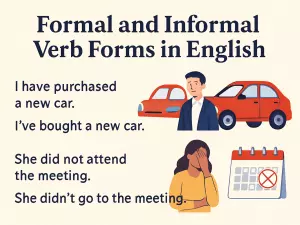
Understanding how requests and offers shift between formal and informal English is essential for communicating naturally in different contexts. The level of formality you choose depends on your relationship with the listener, the setting, and the degree of politeness you wish to convey.
Key Differences in Language
In professional or unfamiliar situations, speakers often use more elaborate structures and polite words. On the other hand, casual conversations with friends or family typically feature shorter, direct forms.
- Could you please open the window? (polite & formal)
- Would you mind lending me your pen? (very polite, formal)
- Can you pass the salt? (neutral; can be informal or polite, depending on tone)
- Pass me the salt. (direct, informal)
- Do you want some coffee? (friendly offer, informal)
- Shall I help you with that? (formal or semi-formal offer)
- Let me know if you need a hand. (informal offer)
- Would you like a drink? (polite, neutral)
- Take a seat, please. (polite but direct; context decides formality)
- Help yourself to some snacks. (informal, friendly offer)
- May I assist you? (very formal)
- Do you need anything? (neutral, slight formality)
- Could I offer you some advice? (polite, formal)
- Want a ride? (very informal)
- Come in! (informal, direct offer)
- Would you care for some dessert? (formal, polite offer)
- Tell me if you want more. (informal, direct)
Choosing the Right Tone
Selecting between formal and informal forms depends on factors such as workplace expectations, age difference, or cultural norms. Overly direct commands may sound rude in formal settings, while excessive politeness can seem awkward among close friends.
Common Patterns: Comparison Table
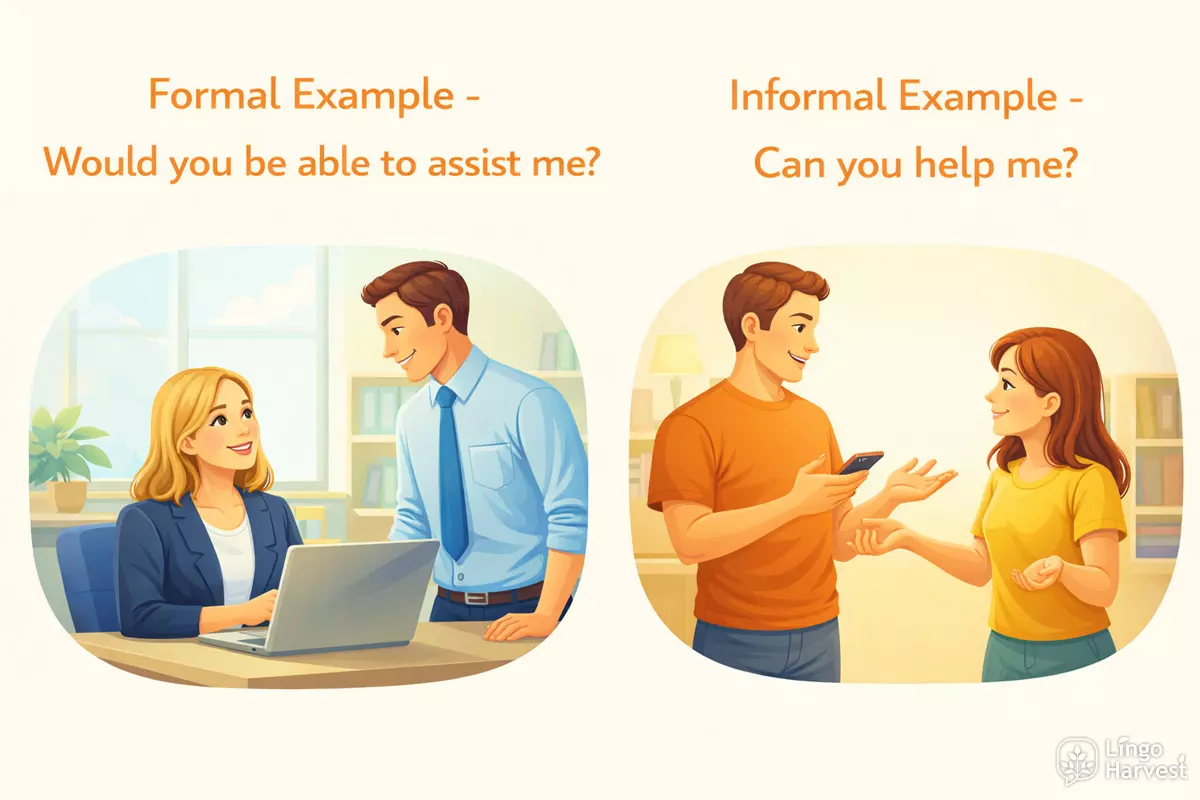
| Situation | Formal Example | Informal Example |
|---|---|---|
| Requesting help | Would you be able to assist me? | Can you help me? |
| Offering something | May I offer you some tea? | Want some tea? |
| Making a suggestion | Might I suggest a break? | Let’s take a break. |
| Inviting | Would you care to join us? | Come join us! |
| Giving permission | You may begin when ready. | Go ahead. |
Tips for Natural Communication
- Match your language to the setting and your relationship with the listener.
- Use modal verbs and polite phrases for more formal or distant interactions.
- In relaxed contexts, shorter and more direct forms are usually fine.
- Listen to how others speak in similar situations to adjust your style.
In summary, adjusting your phrasing for requests and offers helps you sound both polite and appropriate, whether you’re at work or with friends.
Common Learner Mistakes
Understanding how to form and use imperative questions for requests and offers can be tricky for English learners. Many people confuse the correct phrasing, tone, or choice of modal verbs, which can lead to misunderstandings or unintentional rudeness. Let’s look at some typical pitfalls and how to avoid them.
Mixing Up Requests and Offers
Learners often use the wrong structure for making offers versus making requests. For example, using "Can you..." when you mean to offer help, or "Shall I..." when you want someone else to do something, can create confusion.
- Using "Can you help you?" instead of "Can I help you?"
- Using "Shall you open the window?" instead of "Shall I open the window?"
- Offering with "Will you have some tea?" (sounds like a request), instead of "Would you like some tea?"
Directness and Politeness
Another issue is the level of directness. Imperatives without softening words may sound too blunt, especially in English-speaking cultures that value politeness.
- Saying "Give me the salt." instead of "Could you pass me the salt, please?"
- Forgetting to add "please" or "would you mind..." when making a request
- Using imperatives for offers: "Take this seat." instead of "Would you like to sit here?"
Incorrect Use of Modals and Question Forms
Choosing the wrong modal verb or question structure can change the meaning or grammatical correctness of the sentence. Here is a comparison of common mistakes and correct forms:
| Incorrect Form | Correct Form |
|---|---|
| Can I help you to? | Can I help you? |
| Shall you open the door? | Shall I open the door? |
| Do you want that I help you? | Do you want me to help you? |
| Will you like some coffee? | Would you like some coffee? |
| Can you passing me the pen? | Can you pass me the pen? |
Omitting Context or Tone
Requests and offers can be misunderstood without proper context or the right intonation. For example, using a flat tone with "Can you help me?" might sound like a demand rather than a polite question. Also, learners sometimes forget to adjust their language for formal or informal situations.
- Not matching the level of formality to the situation
- Using requests that sound like orders with friends or colleagues
- Forgetting to smile or use friendly body language when speaking
Summary of Frequent Errors
To improve, pay attention to modal verbs, word order, and politeness markers. Notice how native speakers phrase offers and requests, and practice using a variety of polite forms. Here are some mistakes to watch for:
- Mixing up "Can I..." (offer) with "Can you..." (request)
- Leaving out "please" in requests
- Using "Shall you..." instead of "Shall I..."
- Using imperatives without softeners (e.g., "Give me...")
- Incorrect verb forms ("passing" instead of "pass")
- Direct translations from your first language that sound unnatural
- Not adjusting language for formal vs. informal contexts
- Forgetting to consider the listener’s feelings or expectations
Paying attention to these aspects will help you make your requests and offers sound natural, polite, and clear in English.
Practice Exercises and Self-Check
Now that you've learned about forming and using imperative questions for making requests and offers in English, it's time to put your knowledge into action. The following activities will help you recognize, create, and distinguish between these two common functions. Try each exercise before checking your answers.
Identify the Function
Look at each sentence below and decide if it is a request or an offer. Write "Request" or "Offer" for each one.
- Could you pass the salt?
- Shall I open the window?
- Would you mind helping me with this bag?
- Can I get you a coffee?
- Will you close the door, please?
- May I help you?
- Could you hold the door for me?
- Shall I carry your suitcase?
- Can you repeat that, please?
- May I take your coat?
Show answers
- Request
- Offer
- Request
- Offer
- Request
- Offer
- Request
- Offer
- Request
- Offer
Complete the Sentences
Fill in the blanks with a suitable imperative question to make a polite request or offer. Use words like "Can," "Could," "Shall," "Will," or "May."
- ______ I help you with your homework?
- ______ you please turn down the music?
- ______ I carry that for you?
- ______ you open the window, please?
- ______ I get you something to drink?
- ______ you help me with these boxes?
- ______ I call you a taxi?
- ______ you speak a little more slowly, please?
- ______ I show you the way?
- ______ you send me the file, please?
Show answers
- Can/May/Shall
- Could/Will/Can
- Shall/Can/May
- Could/Will/Can
- Can/May/Shall
- Could/Will/Can
- Can/May/Shall
- Could/Will/Can
- Can/May/Shall
- Could/Will/Can
Transform Statements
Rewrite the following statements as polite imperative questions, either as a request or an offer, depending on the context.
- You want someone to close the window.
- You want to help someone with their bags.
- You'd like someone to call you later.
- You want to offer to bring someone a drink.
- You want someone to speak more quietly.
- You want to offer to open the door.
- You want someone to repeat what they said.
- You want to offer to carry a suitcase.
- You want someone to wait for a moment.
- You want to offer to explain something.
Show answers
- Could you close the window, please?
- Shall I help you with your bags?
- Will you call me later?
- Can I bring you a drink?
- Could you speak more quietly, please?
- Shall I open the door?
- Could you repeat that, please?
- Shall I carry your suitcase?
- Could you wait a moment, please?
- Can I explain it to you?
Quick Self-Check: Spot the Error
One of the following imperative questions is not used correctly for a polite request or offer. Which one is it?
- Could you lend me your pen?
- Shall you want some tea?
- Can I help you with that?
- Would you mind opening the window?
- Could you hold the door, please?
- May I take your coat?
- Will you help me for a second?
- Shall I call you a taxi?
- Can you pass the salt?
- Would you like a glass of water?
Show answers
- Correct
- Incorrect. Correct form: “Shall I get you some tea?” or “Would you like some tea?”
- Correct
- Correct
- Correct
- Correct
- Correct
- Correct
- Correct
- Correct
Practice these exercises regularly to become more confident in recognizing, forming, and using imperative questions for both requests and offers in everyday English conversations.