Question Pronouns: Who, What, Which, Whose Explained

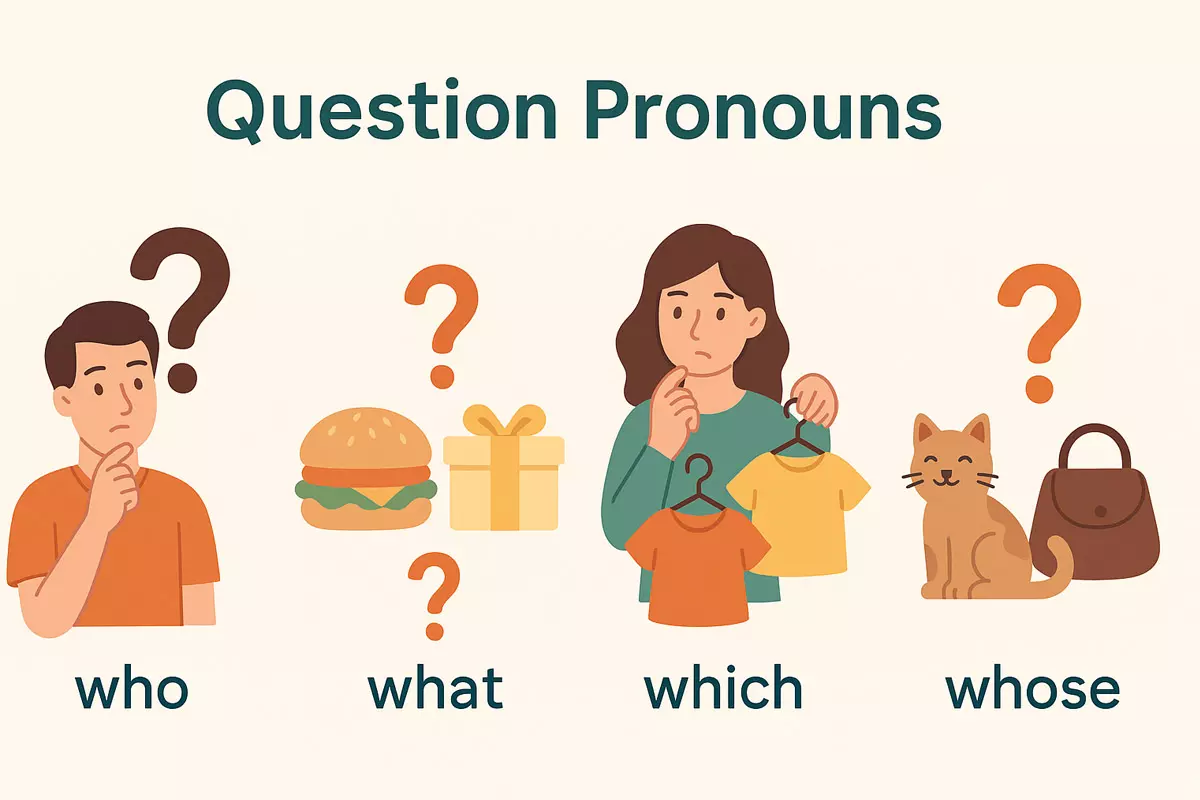 This article explains question pronouns, covering who for people, what for things, which for choices, and whose for possession. It includes example sentences and a practice section to help you use these pronouns correctly.
Curious about how to ask for information in English? Mastering the use of question words is key to effective communication. Words like who, what, where, when, why, and how help you inquire about people, objects, places, time, reasons, and methods. For example, use who to ask about a person, what for things or actions, where for location, when for time, why for reasons, and how for manner or process. Learning to use these words correctly will make your questions clear and help you get the information you need in everyday conversations.
What Are Question Pronouns?
Question pronouns, also called interrogative pronouns, are words used to ask questions about people, things, or ownership. They act as stand-ins for the unknown information in a sentence, helping us find out specifics: who did something, what happened, which option is meant, or whose item is involved. These pronouns are essential in both spoken and written English, since they introduce direct questions and sometimes indirect questions. The most common examples include who, what, which, and whose. Each has its own use, depending on whether you’re asking about a person, a thing, a choice, or possession.
Common Uses and Examples
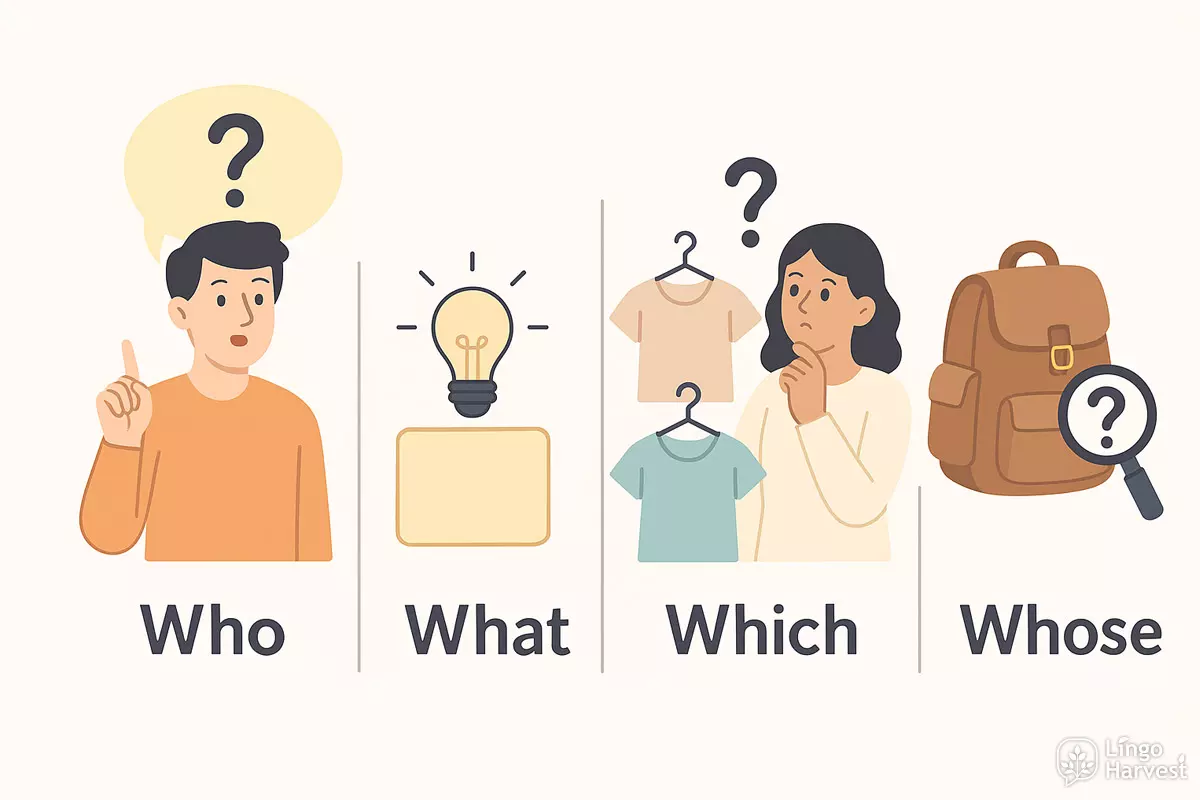
- Who – asks about a person (subject or object): Who called you? Who did you meet?
- What – asks about a thing, idea, or action: What is your favorite color? What happened?
- Which – asks about a choice from a set: Which book do you want? Which is yours?
- Whose – asks about possession: Whose keys are these? Whose idea was it?
How They Function in Questions
Question pronouns typically appear at the start of a question, immediately before the verb or auxiliary verb. They replace the unknown noun or subject, making it clear what information is being sought.
Quick Reference: Question Pronoun Uses
| Pronoun | What It Refers To | Sample Question |
|---|---|---|
| Who | Person (subject/object) | Who is at the door? |
| What | Thing, idea, action | What caused the noise? |
| Which | Specific item(s) from a group | Which flavor do you prefer? |
| Whose | Possession/ownership | Whose phone is this? |
Expanded List of Example Questions
- Who won the match?
- Who told you that?
- What time is it?
- What did you say?
- Which seat is yours?
- Which way should we go?
- Whose bag is on the table?
- Whose turn is it?
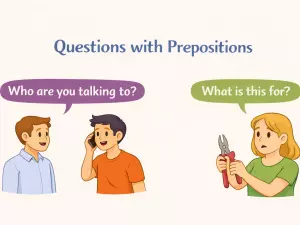
- Who are you talking to?
- What makes you happy?
- Which movie did you watch?
- Whose advice did you follow?
- Who is your teacher?
- What’s in the box?
- Which team won?
- Whose shoes are these?
These pronouns are a core part of English questions. By understanding their specific roles, it’s easier to form clear, direct queries and respond accurately.
Who for People
The word who is mainly used to ask about people. It helps us find out a person’s identity, role, or relationship in a situation. In questions, it can refer to the subject (the person doing the action) or the object (the person receiving the action). “Who” is never used for things, animals (except sometimes for pets), or abstract concepts.
How to Use “Who” in Questions
Here are common ways “who” is used in English questions:
- Who is coming to the party?
- Who did you see at the store?
- Who wants coffee?
- Who made this cake?
- Who are you talking to?
- Who called last night?
- Who will help us move?
- Who knows the answer?
- Who did she invite?
- Who can explain this?
Subject vs. Object “Who”
“Who” can act as the subject or the object in a question. Notice the difference in these examples:
- Who broke the window? (the person who did the action – subject)
- Who did you call? (the person who received the action – object)
Common Mistakes
- ❌ Who is your favorite movie?
(Incorrect: “who” cannot refer to things or objects.) - ✅ Who is your favorite actor?
“Who” vs. “Whom”
In formal English, “whom” is sometimes used as the object form, but in everyday conversation, most people use “who” for both subject and object. For example:
- Who/Whom did you invite? (Both are heard, but “who” is more common in spoken English.)
Summary Table: “Who” in Questions
| Question Pattern | Example |
|---|---|
| Subject (person doing the action) | Who wants ice cream? |
| Object (person receiving the action) | Who did you meet yesterday? |
| With prepositions | Who are you waiting for? |
| Asking about identity/role | Who is your teacher? |
Use “who” whenever you need information about a person, whether you’re asking about the subject or the object in a sentence. This makes it an essential word for gathering details about people in English conversations.
What for Things
When we want to ask about objects, ideas, or things (not people), English uses specific pronouns and question words. The most common is “what,” which helps us find out about unknown items, facts, or concepts. “Which” is also used, but it’s typically for selecting from a limited set. These pronouns help structure questions about unidentified items or choices, making communication more precise.
When to Use "What" and "Which" for Objects
“What” is the go-to word for open-ended questions about items, substances, or even abstract things. Use it when there is a wide or unknown range of possible answers. “Which,” on the other hand, is suitable when the options are known or limited, and you want to specify a choice among them.
- What is that noise?
- What do you want for dinner?
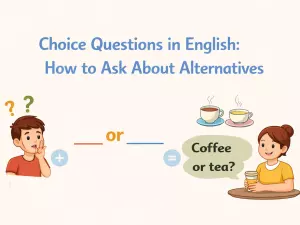
- Which color do you prefer—red or blue?
- Which book did you read?
Common Patterns for Asking About Things
- What is this/that?
- What are those?
- Which one do you like?
- Which of these is yours?
- What kind of music do you enjoy?
- What time is it?
- Which way should we go?
- What happened here?
- Which team won?
- What does this mean?
- What size do you wear?
- Which dish is vegetarian?
- What makes it special?
- Which train stops here?
- What tools do you need?
- Which version is latest?
- What’s your favorite thing about it?
- Which material is stronger?
Comparing "What" vs. "Which" for Objects
| Question Word | Typical Use & Example |
|---|---|
| What | Used for open questions about things or ideas when the range isn’t limited. Example: What instrument do you play? |
| Which | Used when there’s a specific, limited set of choices. Example: Which pen is yours—this one or that one? |
Which for Choice
When you need to ask someone to pick from a limited set of options, "which" is your go-to question word. Unlike "what," which is open-ended, "which" is used when you and the listener both know the possible choices, or when you want to specify among a few. This makes it perfect for questions where a selection is required from a defined group.
When to Use "Which"
The key to using "which" correctly is to consider if the answer is restricted to certain items, people, or possibilities. If the options are clear or have just been mentioned, "which" helps focus the question.
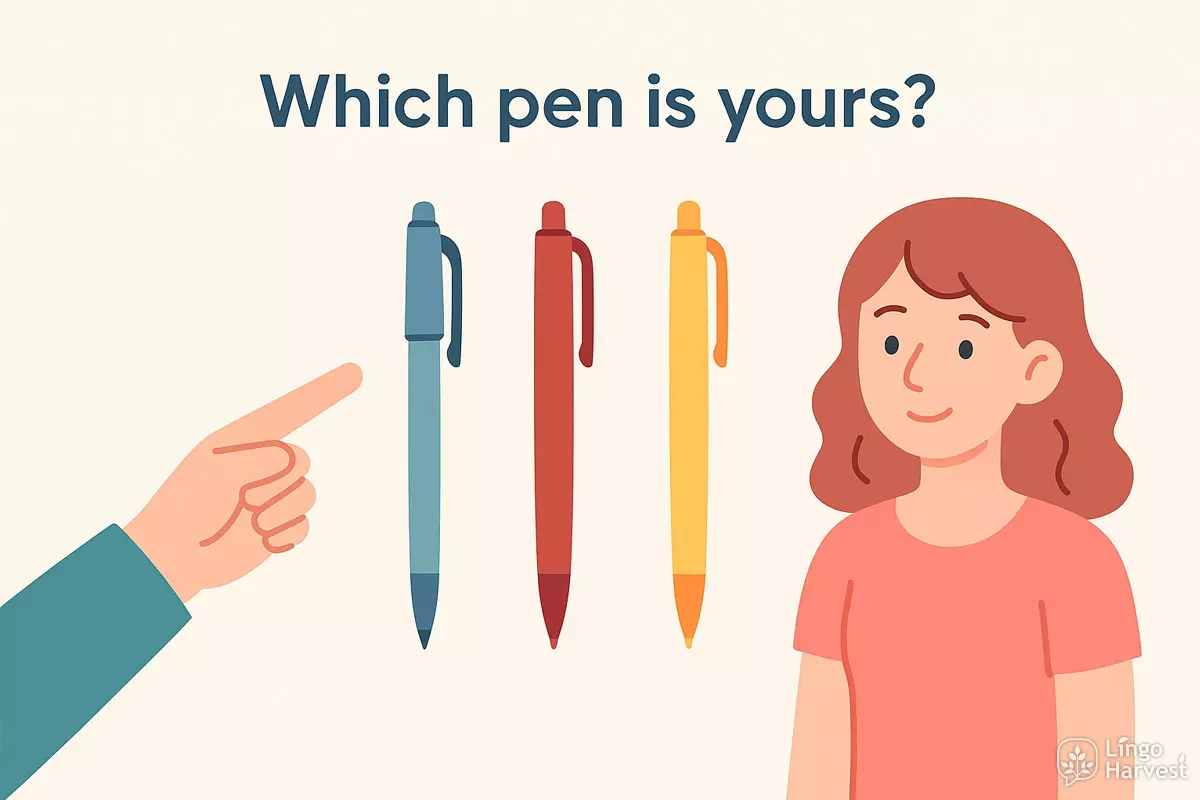
- When choosing between two or more known items: "Which pen is yours?"
- When options are visible or have been listed: "Which color do you prefer—red or blue?"
- When narrowing down a selection: "Which of these movies have you seen?"
- When asking for a preference from a menu: "Which dessert would you like?"
- When referring to a specific group: "Which students passed the exam?"
- When options are implied by the context: "Which way should we go?"
- When distinguishing among people or things: "Which doctor did you see?"
- When asking for a choice among times or dates: "Which day works for you?"
- When requesting a decision: "Which shall we buy?"
- When confirming a particular item: "Which is your suitcase?"
Comparing "Which" and "What"
People often confuse "which" and "what," but the main difference lies in the range of possible answers. "Which" is for limited or known choices, while "what" is for open-ended questions.
| Question Word | When to Use | Example | Type of Choice |
|---|---|---|---|
| Which | Specific, limited set of options | Which shirt do you want? (red, blue, green) | Defined selection |
| What | Open-ended, no defined options | What do you want for dinner? | Unlimited possibilities |
| Which | When the listener knows the options | Which train goes to London? | Known choices |
| What | When anything is possible | What is your favorite hobby? | Open choice |
Common Sentence Patterns
"Which" can be used with both singular and plural nouns, and often appears with "of" when presenting a group. Here are some typical patterns:
- Which + noun: "Which book is yours?"
- Which of + group: "Which of these keys opens the door?"
- Which one(s): "Which ones are broken?"
- Which + verb: "Which tastes better?"
- Which + adjective + noun: "Which big city do you like best?"
In summary, use "which" when you want someone to select from a set of known options. It’s all about choice within boundaries, making it a precise and useful question pronoun in English.
Whose for Possession
When you want to ask about ownership or belonging, the question word whose is the right choice. Unlike "who" (which asks about a person) or "what" (which asks about things or information), "whose" specifically targets the idea of possession. This makes it essential for clarifying relationships between people and objects, or between different people.
How "Whose" Works in Questions
"Whose" is always followed by a noun, indicating the item or thing you’re asking about. It can be used with both singular and plural nouns. The word order is straightforward: Whose + noun + is/are + this/that/these/those? or Whose + noun + verb...?
- Whose book is this?
- Whose keys are on the table?
- Whose idea was it to come here?
- Whose shoes are these?
- Whose phone keeps ringing?
- Whose turn is it?
- Whose parents are waiting outside?
- Whose homework did you copy?
- Whose car blocked the driveway?
- Whose voice did you hear?
- Whose responsibility is this?
- Whose advice did you follow?
- Whose team won the match?
- Whose birthday is it today?
- Whose laptop is charging?
- Whose jacket did you borrow?
Distinguishing "Whose" from "Who's"
A common mistake is confusing "whose" (possessive) with "who’s" (a contraction of "who is" or "who has"). They sound identical but their meanings and uses are different.
| Form | Meaning & Example |
|---|---|
| Whose | Possessive question word Whose bag is this? |
| Who’s | Contraction of "who is" or "who has" Who’s at the door? |
Tips for Using "Whose" Correctly
- Use "whose" to ask about the owner of something, not the thing itself.
- Don’t confuse "whose" with "who’s"—remember, "whose" always relates to possession.
- You can use "whose" for both people and animals, and occasionally for organizations or things when referring to possession.
Mastering the use of "whose" helps you frame clear, polite questions about ownership, and avoid misunderstandings in both spoken and written English.
Question Sentence Examples
Curious about how to use question pronouns like "who," "what," "which," and "whose" in real sentences? These words help us ask for information about people, things, choices, or ownership. Below, you'll find a range of sample questions demonstrating each pronoun in context, showing typical ways they appear in conversation and writing.
Sample Sentences Using "Who"
- Who is coming to the party tonight?
- Who wrote this novel?
- Who are you waiting for?
- Who can answer this question?
Examples with "What"
- What is your favorite color?
- What happened here?
- What do you want for lunch?
- What makes you happy?
- What are you looking at?
Questions Using "Which"
- Which dress do you prefer?
- Which route should we take?
- Which of these books have you read?
- Which is correct?
Sentences with "Whose"
- Whose shoes are these?
- Whose idea was it to come here?
- Whose turn is it?
- Whose phone keeps ringing?
Comparing Question Pronouns
To clarify how these pronouns differ, here’s a quick comparison of their typical uses:
| Pronoun | Typical Use | Example |
|---|---|---|
| Who | Asks about people (subject or object) | Who is at the door? |
| What | Asks about things, actions, or descriptions | What did you see? |
| Which | Asks about a choice from a known set | Which pen is yours? |
| Whose | Asks about ownership or possession | Whose bag is on the table? |
These examples and comparisons show how each question pronoun brings out specific information. Practice forming your own questions using these patterns to become more comfortable with their roles in English.
Practice: Fill in the Pronoun
Test your understanding of English question pronouns by choosing the correct word to complete each sentence. Focus on who, what, which, and whose. Think about whether the question is about a person, a thing, a choice among options, or ownership.
Choose the Correct Question Pronoun
- ______ is your favorite color?
- ______ bag is this on the table?
- ______ called me yesterday?
- ______ of these pens do you prefer?
- ______ made this delicious cake?
- ______ is in the box?
- ______ keys are those?
- ______ do you want to eat for lunch?
- ______ of the two shirts should I buy?
- ______ is your best friend?
- ______ shoes are by the door?
- ______ is your favorite movie?
- ______ broke the window?
- ______ of these books have you read?
- ______ car is parked outside?
Show answers
- What is your favorite color?
- Whose bag is this on the table?
- Who called me yesterday?
- Which of these pens do you prefer?
- Who made this delicious cake?
- What is in the box?
- Whose keys are those?
- What do you want to eat for lunch?
- Which of the two shirts should I buy?
- Who is your best friend?
- Whose shoes are by the door?
- What is your favorite movie?
- Who broke the window?
- Which of these books have you read?
- Whose car is parked outside?
Quick Reference: When to Use Each Pronoun
- Who – ask about people (subject or object).
- What – ask about things, ideas, or information.
- Which – ask about one or more from a known set.
- Whose – ask about possession or ownership.
When deciding, look for clues: Is the answer a person, a thing, a choice, or an owner? This will guide you to the right interrogative pronoun.