Embedded Questions in Reported Speech Explained

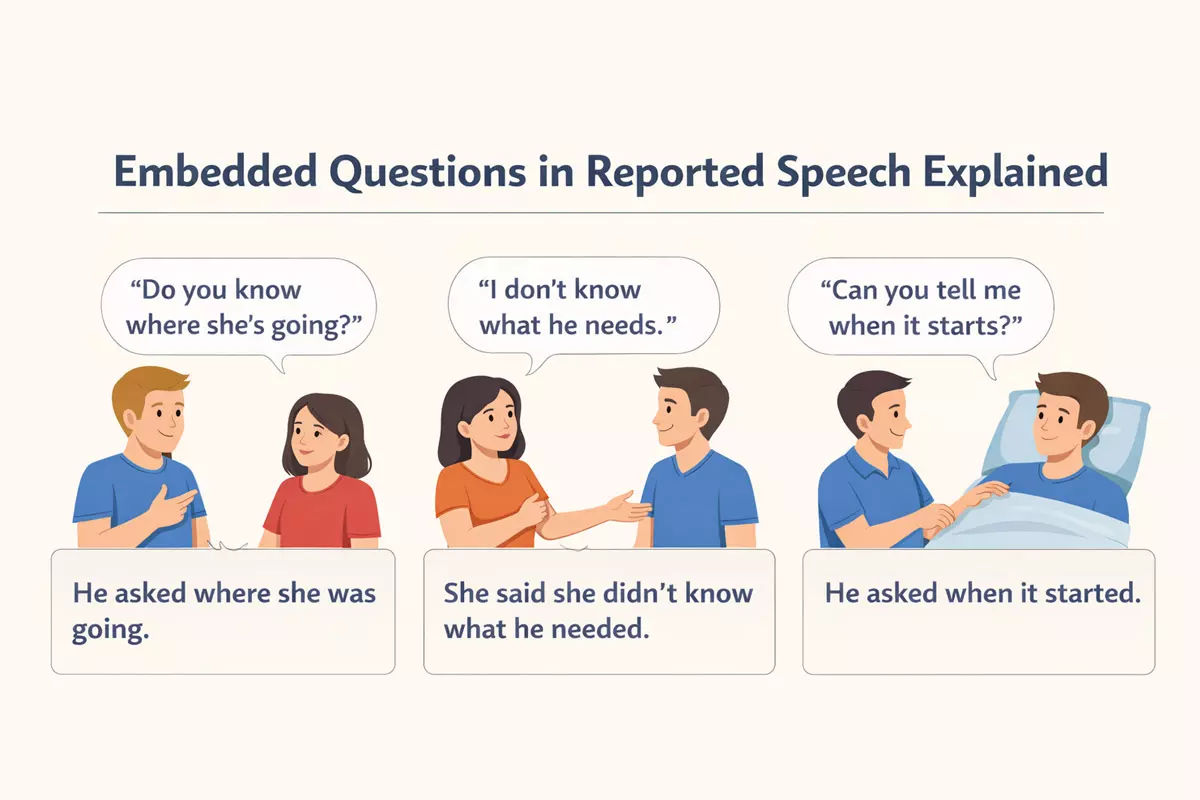 The article defines embedded questions, explains their word order, and shows how they differ from direct questions. It also details how to report yes/no and wh-embedded questions and points out common structural mistakes.
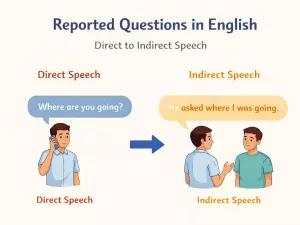
Have you ever wondered how to include someone’s question smoothly within another sentence when telling a story or sharing information? Learning how to incorporate indirect questions into reported speech can make your English sound more natural and sophisticated, as it allows you to convey what someone asked without quoting them directly. For example, instead of saying, “She asked, ‘Where are you going?’” you could say, “She asked where I was going.” This technique is useful in both spoken and written English, helping your communication flow more effectively.
What embedded questions are
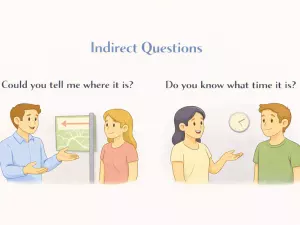
Embedded questions are indirect questions placed inside statements or other questions, rather than being asked directly. Instead of a straightforward query like “Where is she?”, an embedded version might be: “Can you tell me where she is?” This structure is commonly used in reported speech to soften a question or to include a query as part of a larger sentence.
How indirect questions work
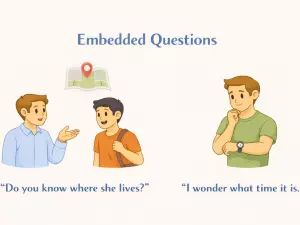
Indirect questions often follow reporting verbs such as ask, wonder, or know. They do not use the auxiliary verb “do/does/did” or question word order. Instead, the subject comes before the verb, just as in affirmative sentences. For example, “Do you know what time it is?” (not “Do you know what time is it?”).
- Direct: “What is he doing?” → Indirect: “I wonder what he is doing.”
- Direct: “Where did she go?” → Indirect: “Can you tell me where she went?”
- Direct: “Why are they late?” → Indirect: “Do you know why they are late?”
- Direct: “Is it raining?” → Indirect: “Could you tell me if it is raining?”
- Direct: “Who broke the window?” → Indirect: “I’d like to know who broke the window.”
- Direct: “Will she come?” → Indirect: “Can you tell me whether she will come?”
- Direct: “How old is he?” → Indirect: “Do you know how old he is?”
- Direct: “Has he finished?” → Indirect: “Could you tell me if he has finished?”
- Direct: “Where is the nearest bank?” → Indirect: “Do you know where the nearest bank is?”
- Direct: “What time does the train leave?” → Indirect: “Can you tell me what time the train leaves?”
- Direct: “Did she call you?” → Indirect: “I wonder if she called you.”
- Direct: “Why did he leave?” → Indirect: “Can you tell me why he left?”
Common patterns for embedded questions
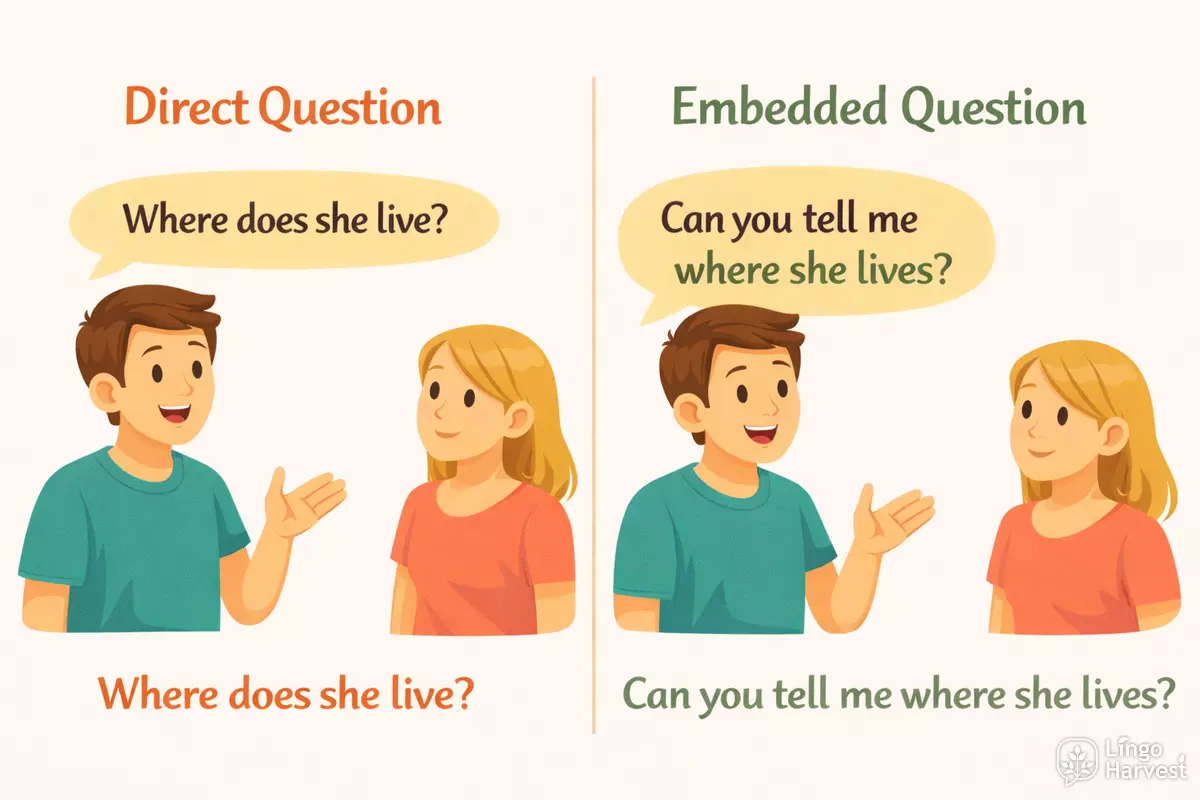
These structures usually begin with a reporting phrase, followed by a question word (who, what, where, why, when, how) or if/whether for yes/no questions. The word order then follows a statement, not a direct question.
| Direct Question | Embedded Question |
|---|---|
| Where does she live? | Can you tell me where she lives? |
| Is he coming? | Do you know if he is coming? |
| Why are you upset? | I wonder why you are upset. |
| What did he say? | Could you tell me what he said? |
| How much does it cost? | Can you tell me how much it costs? |
In summary, embedded questions allow us to include queries within statements or other questions, making our language more polite and complex, especially in reported speech.
Word order in embedded questions
When turning direct questions into reported or embedded forms, the structure of the sentence changes. Unlike direct queries, which use question word order (often with auxiliary verbs before the subject), embedded questions follow the typical statement sequence. This adjustment is essential for clarity and grammatical accuracy in reported speech.
Direct vs. embedded question structure
In direct questions, the auxiliary verb or the verb "to be" often comes before the subject. However, when embedding these questions, the subject comes before the verb, mimicking a normal declarative sentence. Additionally, question marks are omitted, and the sentence ends with a period.
| Direct Question | Embedded Question |
|---|---|
| Where is she? | I wonder where she is. |
| What did he say? | Can you tell me what he said? |
| Has it started? | Do you know if it has started? |
| When will they arrive? | Do you know when they will arrive? |
| Why are you late? | She asked why you were late. |
| Did he call? | I’m not sure whether he called. |
| Who is coming? | Let’s see who is coming. |
| How does it work? | Can you explain how it works? |
| Is this your bag? | Could you tell me if this is your bag? |
| What time does it start? | Do you know what time it starts? |
Key points to remember
- Embedded forms use the regular subject-verb order, not the inverted order of direct questions.
- Auxiliary verbs (do/does/did) are not used in the embedded clause unless they are required for tense or emphasis.
- Use if or whether when reporting yes/no questions.
- Do not use a question mark at the end of an embedded question unless the overall sentence is a question.
- Question words (who, what, when, where, why, how) are kept, but the verb order changes.
Common mistakes ❌ and how to avoid them ✅
- Incorrect: Can you tell me where is the station?
- Correct: Can you tell me where the station is?
- Incorrect: I don’t know what did he say.
- Correct: I don’t know what he said.
- Incorrect: Do you know where does she live?
- Correct: Do you know where she lives?
- Incorrect: Can you explain why are they angry?
- Correct: Can you explain why they are angry?
- Incorrect: I wonder what time is it.
- Correct: I wonder what time it is.
- Incorrect: Tell me when will he arrive.
- Correct: Tell me when he will arrive.
Mastering the typical structure used in embedded questions will help your reported speech sound natural and accurate. Focus on rearranging the subject and verb, omitting unnecessary auxiliaries, and using the appropriate introductory phrases. This approach makes your English more fluent and helps avoid common pitfalls in both writing and conversation.
Difference from direct questions
When comparing embedded questions to direct questions, the most noticeable change is in word order and punctuation. Embedded questions are part of a larger sentence, so they don't use the standard question format or a question mark. Instead, they follow the structure of a statement and are introduced by verbs like "ask," "wonder," or "know."
Key Structural Contrasts
- Word order: Embedded questions use the same word order as statements, not as questions.
- Punctuation: No question mark is used at the end of the embedded question.
- Auxiliary verbs: Embedded forms do not invert the subject and auxiliary verb.
- Introducers: Words like "if," "whether," or "what" often introduce embedded questions.
Examples: Direct vs. Embedded Questions
| Direct Question | Embedded Question in Reported Speech |
|---|---|
| Where is she going? | He asked where she was going. |
| Did you see the movie? | She wondered if I had seen the movie. |
| What time does the meeting start? | They wanted to know what time the meeting started. |
| Can he help us? | I asked whether he could help us. |
| Why did you leave? | He wanted to know why I had left. |
| Who made this cake? | She asked who had made the cake. |
| Is it raining? | He asked if it was raining. |
| How does this work? | They wondered how it worked. |
| When will you arrive? | She asked when I would arrive. |
| Do you understand? | He wanted to know if I understood. |
Common Mistakes to Avoid
- Don’t invert the subject and verb in embedded questions (say "where she was," not "where was she").
- Avoid ending with a question mark unless the entire sentence is a direct question itself.
- Remember to use the correct tense shift when reporting speech.
- Use "if" or "whether" for yes/no questions in embedded form.
Understanding these distinctions helps ensure clarity and correctness when transforming direct questions into reported speech using embedded forms. This is essential for both spoken and written English, as it affects how information is conveyed in a narrative or conversation.
Reporting yes or no embedded questions
When turning direct yes/no questions into reported speech, the structure changes significantly. Instead of repeating the question format, we use statements with appropriate word order and introduce the embedded question with expressions like “if” or “whether.” This helps avoid confusion and creates a more natural, indirect question.
How to form embedded yes/no questions
To embed a yes-or-no question, start with a reporting verb (like “asked,” “wondered,” or “wanted to know”), then follow with “if” or “whether,” and complete the reported clause using normal statement word order. Do not use auxiliary verbs like “do/does/did” in the embedded clause, and do not use a question mark.
- Direct: “Is it raining?”
Embedded: She asked if it was raining. - Direct: “Did he call you?”
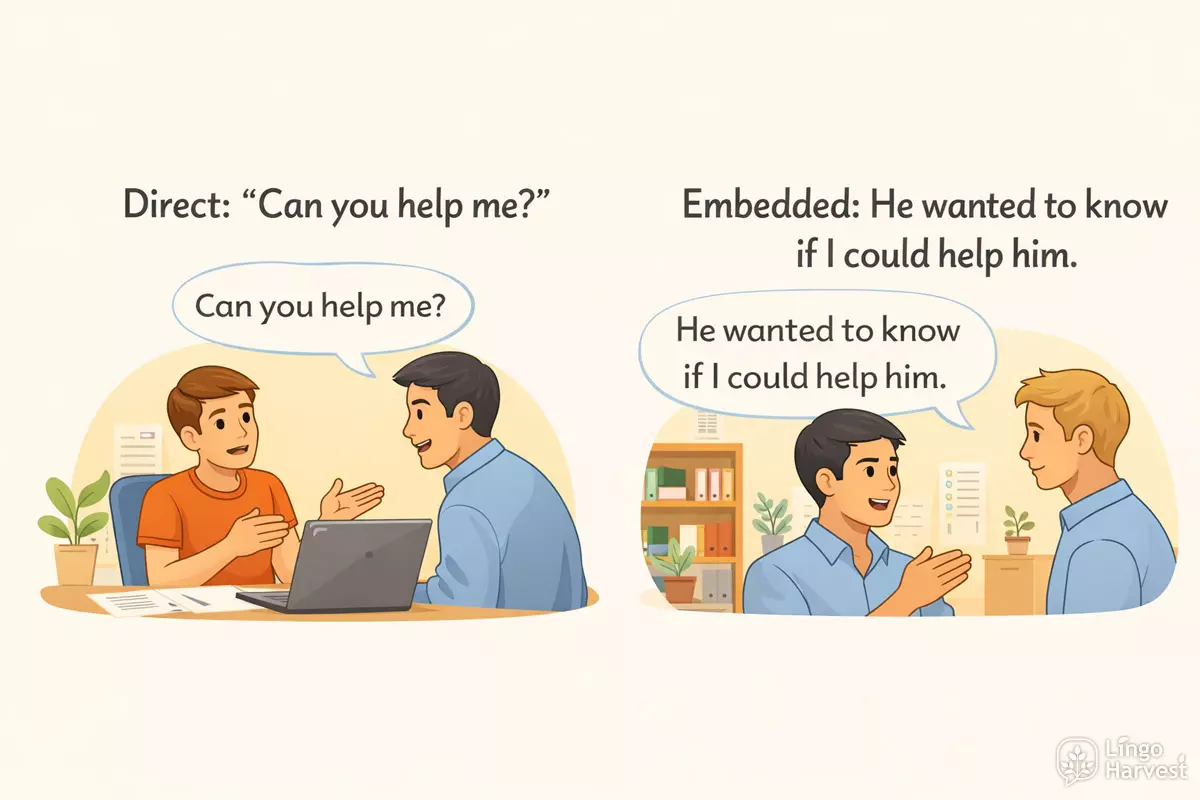
Embedded: I wondered whether he had called me. - Direct: “Can you help me?”
Embedded: He wanted to know if I could help him. - Direct: “Are they coming to the meeting?”
Embedded: She asked whether they were coming to the meeting.
Common reporting verbs for yes/no embedded questions
Some verbs frequently introduce embedded yes/no questions:
- ask → She asked if he was ready.
- wonder → I wonder whether they are coming.
- want to know → He wants to know if the meeting is cancelled.
- inquire → She inquired whether the documents had arrived.
- question → They questioned if the plan would work.
- check → I checked if the door was locked.
- find out → We tried to find out whether she had finished.
- consider → He considered whether it was a good idea.
- be unsure → She was unsure if he understood the instructions.
- see (let’s see if…) → Let’s see if they answer the phone.
Comparing direct and embedded forms
| Direct Yes/No Question | Embedded/Reported Version |
|---|---|
| “Do you like coffee?” | He asked if I liked coffee. |
| “Will they arrive on time?” | She wondered whether they would arrive on time. |
| “Is the shop open?” | They wanted to know if the shop was open. |
| “Have you finished your work?” | I asked whether you had finished your work. |
| “Can I sit here?” | He inquired if he could sit there. |
| “Did she see the movie?” | We wondered whether she had seen the movie. |
| “Are you coming?” | She asked if I was coming. |
| “Was it expensive?” | He wanted to know whether it was expensive. |
Key points to remember
- Use “if” or “whether” for embedding yes/no questions; both are usually interchangeable.
- Change the word order to that of a statement (subject + verb).
- Do not use a question mark at the end of the embedded clause.
- Adjust verb tenses as needed for reported speech.
Mastering this structure helps you report questions naturally, making conversation and writing more fluent and precise.
Reporting wh-embedded questions
When relaying a question that starts with a wh-word (like what, where, why, how, etc.), English uses embedded question structures. These are different from both direct questions and the way yes/no questions are reported. Instead of using question word order, the embedded form keeps the subject before the verb, and no question mark is used within the reported clause.
How wh-embedded questions work in reported speech
In indirect speech, the original question is turned into a statement. The wh-word stays, but the auxiliary verb (if there is one) moves after the subject. For example, "Where did she go?" becomes "He asked where she went." Notice that the question structure disappears, and a reporting verb like ask, wonder, or know introduces the embedded clause.
- Direct: "What time is it?" → Indirect: She asked what time it was.
- Direct: "Why did you leave?" → Indirect: He wondered why I had left.
- Direct: "How can we help?" → Indirect: They asked how they could help.
- Direct: "Who called you?" → Indirect: She wanted to know who had called me.
- Direct: "Which book do you prefer?" → Indirect: He asked which book I preferred.
- Direct: "Where are they going?" → Indirect: I asked where they were going.
- Direct: "When will you arrive?" → Indirect: She asked when I would arrive.
- Direct: "What happened?" → Indirect: He wondered what had happened.
- Direct: "How long have you lived here?" → Indirect: She asked how long I had lived there.
- Direct: "Why is the sky blue?" → Indirect: He asked why the sky was blue.
- Direct: "Who is coming to the party?" → Indirect: I asked who was coming to the party.
- Direct: "What did you see?" → Indirect: She wanted to know what I had seen.
- Direct: "Where will we meet?" → Indirect: He asked where we would meet.
- Direct: "Which route should I take?" → Indirect: She asked which route she should take.
- Direct: "How did you do it?" → Indirect: He wondered how I had done it.
- Direct: "When can I visit?" → Indirect: She wanted to know when she could visit.
- Direct: "Who broke the window?" → Indirect: He asked who had broken the window.
Key rules for forming embedded wh-questions
- Do not use question word order (no subject-auxiliary inversion).
- Keep the wh-word at the start of the embedded clause.
- Use the correct tense shift if reporting speech in the past.
- Do not use a question mark at the end of the reported clause; use a period unless the whole sentence is a question.
- Reporting verbs like ask, wonder, explain, know, and find out are common.
Direct vs. Embedded Word Order
| Direct Question | Embedded Question |
|---|---|
| Where did he go? | She asked where he went. |
| Why is she late? | He wondered why she was late. |
| Who made the cake? | They wanted to know who made the cake. |
| What are you doing? | I asked what you were doing. |
| How did you solve it? | She asked how I had solved it. |
Understanding how to use embedded wh-questions accurately makes your reported speech sound natural and grammatically correct. This approach is essential for both writing and speaking, especially when relaying information from others.
Common structural errors
Learners often run into trouble with embedded questions in reported speech because the word order and auxiliary choices can be confusing. These mistakes tend to appear when switching from direct to indirect forms, especially when the original question structure is mistakenly preserved. Let's look at the patterns and missteps that frequently occur.
Frequent issues in embedded question structure
- Maintaining question word order: Students sometimes keep the auxiliary-before-subject order from direct questions instead of shifting to statement order.
- Unnecessary use of “do/does/did”: In reported speech, these auxiliaries are often dropped, but learners may leave them in.
- Omitting the subject: Sometimes the subject is forgotten, especially after question words like “what” or “who.”
- Incorrect tense shifts: Errors occur when the verb tense isn’t changed appropriately during backshifting.
- Double question markers: Using both “if/whether” and a question word by mistake (e.g., “He asked if what time…”).
- Missing connectors: Learners may forget to add “if” or “whether” in yes/no embedded questions.
- Incorrect pronoun changes: Failing to adjust pronouns to match the new reporting context.
- Confusing direct and indirect forms: Mixing up the punctuation or using a question mark instead of a period in indirect speech.
- Leaving out necessary verbs: Sometimes the reporting verb (“ask,” “wonder,” etc.) is omitted, leading to incomplete sentences.
- Repetition of question words: Including the question word twice, such as “He asked me what what time it was.”
Comparison: Direct vs. Embedded Question Structure
| Direct Question | Embedded/Reported Form |
|---|---|
| Where is she? | He asked where she was. |
| What did you say? | She wondered what I had said. |
| Is it raining? | They wanted to know if it was raining. |
| When will he arrive? | I asked when he would arrive. |
| Does he like coffee? | She asked whether he liked coffee. |
Paying attention to these subtle but important changes helps prevent many typical mistakes. Notice that in embedded questions, the subject comes before the verb, and question words or connectors are used appropriately. Reviewing these patterns can help you avoid the most persistent pitfalls when transforming direct questions into their reported forms.
Homework
Exercise 1. Transform direct questions into embedded questions
Rewrite each direct question as an embedded (indirect) question.
- Where is he working?
- Did she finish the report?
- What time does the shop open?
- Why are they upset?
- Has he called you?
- Who sent this email?
- Will they join us later?
- How much does the ticket cost?
Show answers
- Can you tell me where he is working?
- I wonder if she finished the report.
- Do you know what time the shop opens?
- Can you explain why they are upset?
- I’m not sure whether he has called you.
- Do you know who sent this email?
- She asked if they would join us later.
- Can you tell me how much the ticket costs?
Exercise 2. Correct the mistakes in embedded questions
Rewrite each sentence using correct word order.
- Can you tell me where is the museum?
- I don’t know what did she mean.
- Do you remember when did he arrive?
- She asked why was I late.
- Tell me how does this work.
- I wonder what time is the meeting.
- He asked where did they go.
- Do you know if is he coming?
Show answers
- Can you tell me where the museum is?
- I don’t know what she meant.
- Do you remember when he arrived?
- She asked why I was late.
- Tell me how this works.
- I wonder what time the meeting is.
- He asked where they went.
- Do you know if he is coming?