Asking for Help Politely: Please, Sorry, Excuse Me

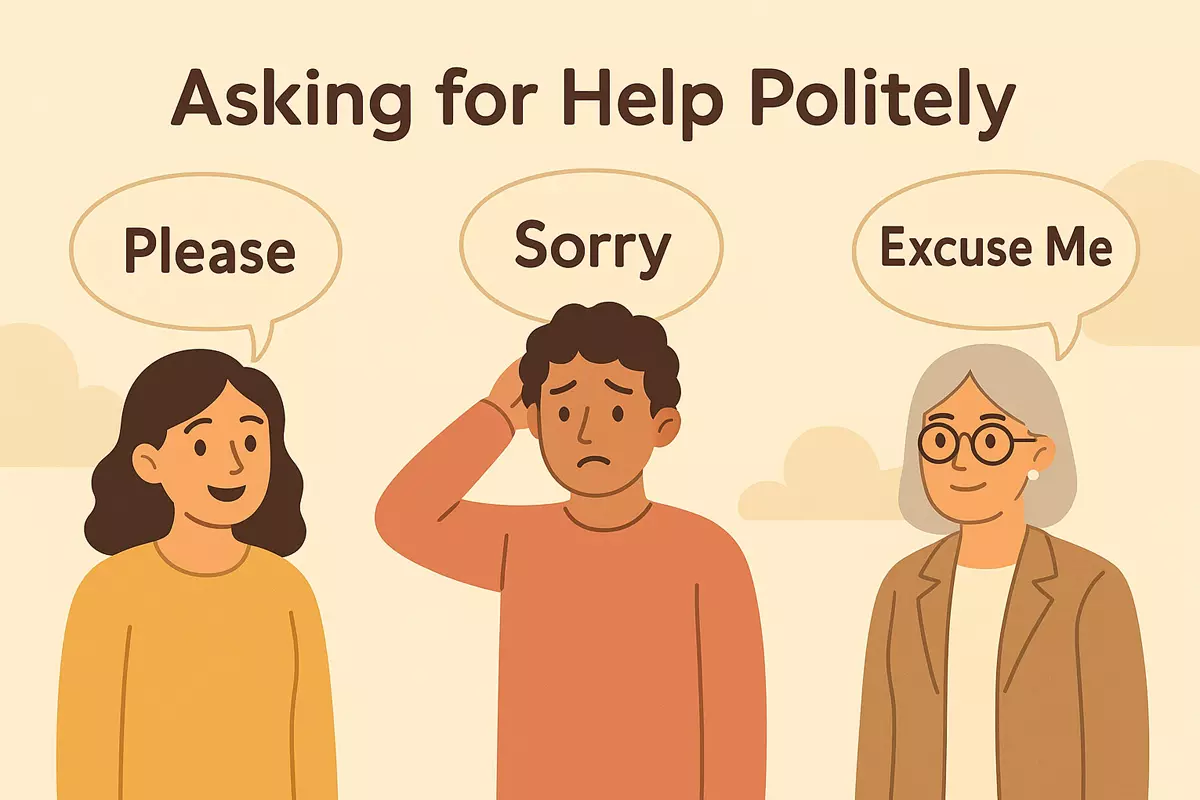 Here we when to use specific phrases, how to soften requests with could or would, ways to start conversations, the difference between apologizing and getting attention, cultural tips for class and shops, common errors, and polite rewrites.
Navigating social situations often involves requesting assistance or interrupting others, and knowing how to do so with courtesy can make a significant difference in how we are perceived and how smoothly interactions proceed. By mastering gentle language and respectful phrases—such as saying excuse me before interrupting or would you mind if I ask for your help—individuals can foster positive connections and avoid misunderstandings. Practicing politeness not only shows consideration for others but also encourages cooperation and creates a more comfortable environment for everyone involved.
When Each Phrase Is Appropriate
Polite language makes all the difference when you need assistance or want to get someone’s attention. The phrases “please,” “sorry,” and “excuse me” each serve a distinct purpose, and knowing which to use helps you communicate clearly and respectfully in various situations.
Understanding the Nuances
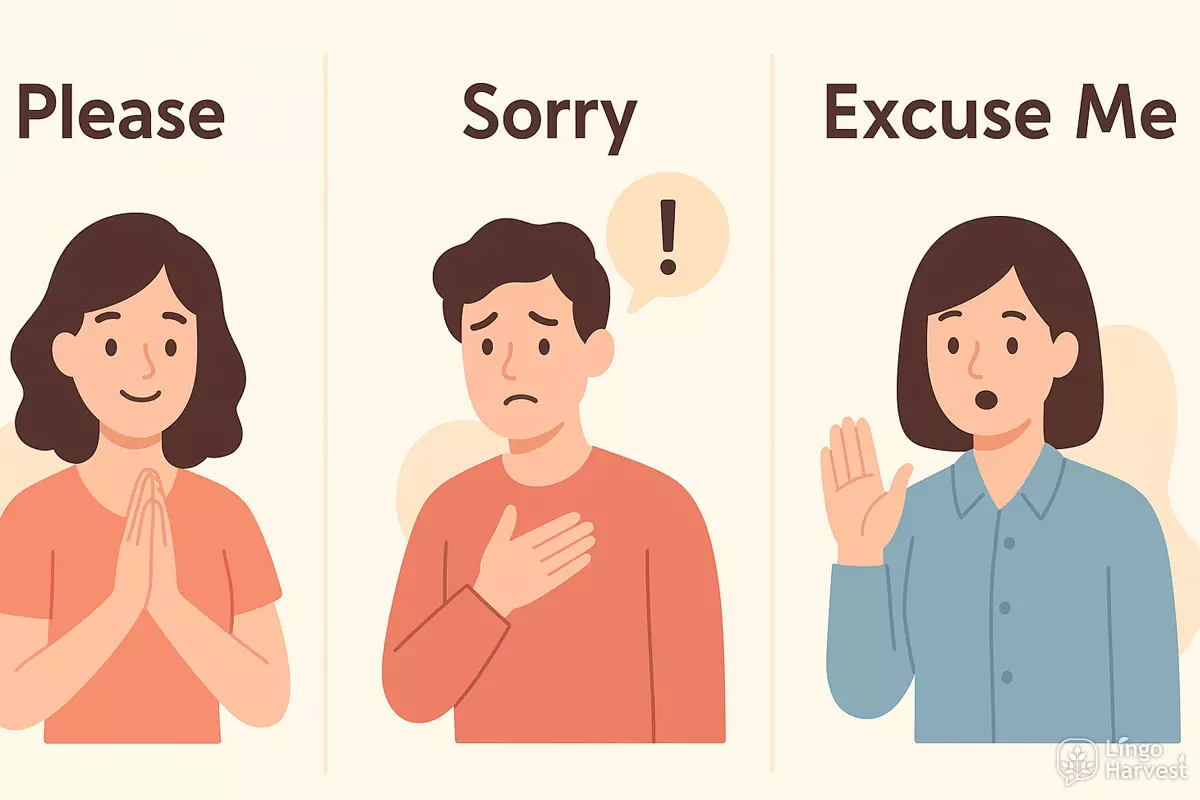
Use “please” when you are making a request, asking for a favor, or hoping someone will do something for you. It softens your words and shows respect. “Sorry” is best for apologizing—whether you’ve made a mistake, caused inconvenience, or want to express regret. “Excuse me” is your go-to for getting someone’s attention, interrupting, or moving past others in a crowded space.
Common Scenarios and Best Choices
- Requesting help from a colleague: “Could you help me with this, please?”
- Bumping into someone accidentally: “Sorry!”
- Trying to pass someone in a hallway: “Excuse me.”
- Interrupting a conversation politely: “Excuse me, may I ask a question?”
- Requesting information: “Could you tell me where the restroom is, please?”
- Apologizing for being late: “Sorry I’m late.”
- Addressing someone who didn’t hear you: “Excuse me, could you repeat that?”
- Softening a command: “Please take a seat.”
- Apologizing for interrupting: “Sorry to interrupt, but…”
- Trying to get a server’s attention in a restaurant: “Excuse me!”
- Correcting yourself: “Sorry, I meant Thursday, not Tuesday.”
- Making a polite request to strangers: “Could you move your bag, please?”
Choosing the Right Phrase: Quick Reference
| Phrase | Typical Use |
|---|---|
| Please | Used in requests or when asking for favors; adds politeness and respect. ✅ “Could you help me, please?” |
| Sorry | Appropriate for apologies, minor mistakes, or inconveniencing someone. ✅ “Sorry for the delay.” |
| Excuse me | Best for getting attention, interrupting, or moving past others. ✅ “Excuse me, could I get past?” |
Tips for Using Polite Language
Remember to match your tone and context to the phrase you choose. Overusing “sorry” can make you seem unsure, while forgetting “please” may sound demanding. “Excuse me” is especially helpful in public settings, where directness can come off as rude without it. Choosing thoughtfully helps you navigate social and professional situations with ease.
Softening Requests with Could/Would
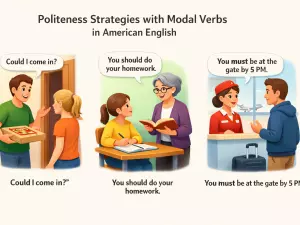
Making a request sound more polite and less direct is an important part of everyday conversation, especially when asking for help. Using modal verbs like "could" and "would" helps to express your needs in a way that is gentle and considerate of the other person's feelings or circumstances. Rather than demanding, these words invite cooperation and show respect.
Why Use "Could" and "Would"?
"Could" and "would" add a sense of possibility or choice to your questions. By using them, you make it clear that you are not expecting or insisting, but rather hoping for assistance if it is convenient. This approach is more likely to receive a positive response and avoids sounding pushy.
Common Patterns for Polite Requests
Here are some typical ways you can use these modals to soften your language when seeking help:
- Could you please help me with this?
- Would you mind explaining that again?
- Could I borrow your pen for a moment?
- Would it be possible to meet a bit earlier?
- Could you let me know when you're free?
- Would you be able to check this for me?
- Could I ask you for a favor?
- Would you have a minute to talk?
- Could you pass me the salt, please?
- Would you help me carry this box?
- Could you show me how to do this?
- Would you mind if I opened the window?
- Could you tell me where the station is?
- Would you be willing to help organize the event?
- Could you possibly send me the file?
- Would it be alright if I joined your group?
Comparing Direct and Softened Requests
To see the difference, compare direct forms with their softer counterparts. Notice how the use of modals changes the tone from a command to a polite request.
| Direct Request | Softened with Could/Would |
|---|---|
| Help me with this. | Could you help me with this? |
| Explain that again. | Would you mind explaining that again? |
| Send me the file. | Could you possibly send me the file? |
| Meet me at 2 PM. | Would it be possible to meet at 2 PM? |
Tips for Using Polite Requests Naturally
- Add "please" for extra politeness, but avoid overusing it in the same sentence.
- Use a friendly tone and appropriate body language to match your words.
- Remember that intonation matters in spoken English; a gentle, rising tone sounds more courteous.
- "Would you mind..." is often followed by a verb ending in -ing (e.g., "Would you mind helping me?").
- When in doubt, choose the softer form, especially with people you don't know well.
Choosing the right words when asking for assistance shows emotional intelligence and social awareness. Whether in emails, chats, or face-to-face conversations, using "could" and "would" helps build positive interactions and mutual respect.
Opening Lines and Small Talk
Starting a conversation before making a request helps set a friendly tone and makes your appeal feel more natural. People are often more receptive when the interaction begins with a few words of courtesy or casual chat, rather than a blunt request. Whether you are addressing a colleague, a stranger, or someone in a service role, a brief exchange can soften your approach.
Simple Ways to Start a Conversation
- Hello, do you have a moment?
- Excuse me, may I ask you something?
- Sorry to bother you, but could I get your help?
- Hi, I hope I'm not interrupting.
- Pardon me, can I speak with you for a second?
- Good morning! May I ask a quick question?
- Sorry, is this a good time?
- Hey, could I trouble you for a minute?
- Hi there, do you mind if I ask you something?
- Excuse me, would you be able to assist me?
- Hello, I hate to bother you, but I need some help.
- Sorry, could you help me out with something?
- Hi, would you mind giving me a hand?
- Pardon, may I interrupt you for a second?
- I’m sorry to interrupt, but may I ask for your assistance?
Choosing the Right Approach
The way you begin often depends on your relationship with the person and the context. For example, starting with “Excuse me” or “Sorry to bother you” is suitable in formal or public settings, while “Hey, do you have a sec?” works better among peers or friends. Small talk, such as a brief comment about the weather or a polite greeting, can also help build rapport before your request.
Polite Openings Compared
| Opening Phrase | Best Used With | Formality | Example Situation |
|---|---|---|---|
| Hello, do you have a moment? | Colleagues, acquaintances | Neutral | Office, casual meeting |
| Excuse me, may I ask you something? | Strangers, public | Formal | Store, public transport |
| Sorry, is this a good time? | Managers, busy people | Polite | Workplace, meetings |
| Hey, could I trouble you for a minute? | Friends, peers | Informal | Social gatherings |
| Good morning! May I ask a quick question? | Anyone | Universal | Any setting |
Taking a moment to open with a friendly line or a bit of small talk demonstrates consideration and respect. This simple step can make your request feel less abrupt and encourage a more positive response.
Apologies vs Getting Attention
When you want to ask for help, it's important to know whether you need to say sorry or simply get someone's attention politely. These two approaches serve different purposes in conversation. Saying “sorry” usually signals that you believe you may have inconvenienced someone or interrupted them, while phrases like “excuse me” or “please” are more about signaling your presence or making a request without assuming guilt.
When to Apologize
Apologizing is appropriate when you interrupt, cause a delay, or feel you might have disturbed someone. Using “sorry” can show empathy and respect for the other person's time or space. For example:
- “Sorry to bother you, but could you help me?”
- “I’m sorry, do you have a moment?”
- “Sorry for interrupting, but may I ask something?”
Use these expressions if you sense your request might disrupt what the other person is doing.
How to Get Someone’s Attention Politely
If your goal is simply to be noticed or to ask for assistance without implying you’ve done something wrong, choose phrases that invite attention in a courteous way. Some examples include:
- “Excuse me, could you help?”
- “Please, may I ask you something?”
- “Would you mind helping me?”
- “Could I trouble you for a moment?”
- “Pardon me, do you have a second?”
- “Could I get your advice?”
- “May I have your attention for a moment?”
- “Would you be able to assist me?”
- “Can I ask for your help?”
- “Is now a good time to ask a question?”
Comparing Approaches
Sometimes it’s unclear which approach fits the situation. Here’s a structured comparison to help you decide:
| Purpose | Common Phrases | Best Used When |
|---|---|---|
| Apologizing (showing regret) | Sorry, I’m sorry, Sorry to bother you | You’ve interrupted or inconvenienced someone |
| Getting Attention (polite request) | Excuse me, Please, Pardon me, May I | You need help or attention but haven’t disrupted |
Cultural Notes for Class and Shops
When you ask for help in a classroom or retail environment, how you phrase your request can shape the response you get. In many cultures, using polite language isn’t just about manners—it can also affect cooperation and willingness to assist. Students and shoppers alike are expected to show respect, especially when asking for support or clarification.
Politeness Strategies in Different Situations
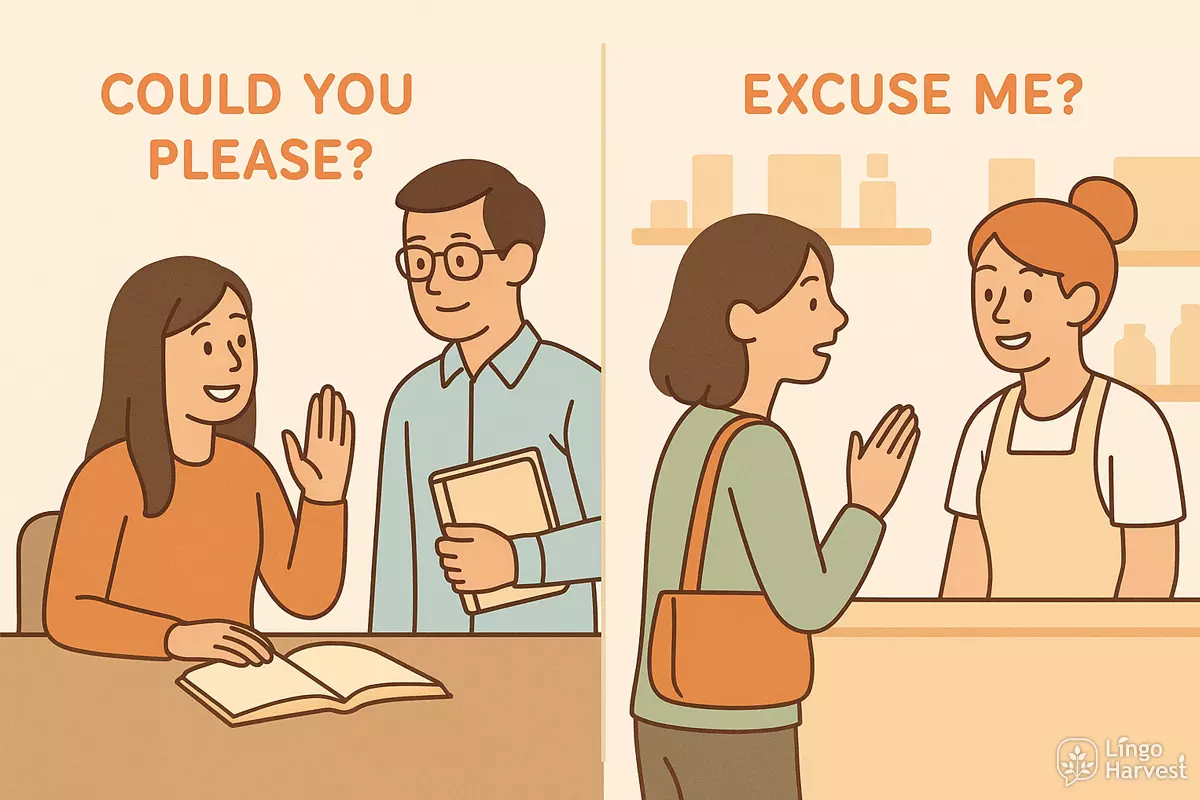
In academic settings, it's common to preface requests with softeners like “Could you please…?” or “Would you mind…?” This signals respect for the teacher’s time and authority. When shopping, phrases such as “Excuse me, could you help me find…?” or “Sorry to bother you, but…” are standard and help create a positive interaction with staff.
Common Expressions for Requesting Help
- Excuse me, do you have a moment?
- Sorry, could I ask you something?
- Would you be able to help me with this?
- Could you please show me where…?
- May I ask for your assistance?
- I’m sorry to interrupt, but…
- Would it be alright if I asked a question?
- Can you help me, please?
- Sorry for the trouble, but could you…?
- Do you mind helping me?
- Could you explain that again, please?
- Would you mind repeating that?
- Is it okay if I ask you for help?
- Excuse me, where can I find…?
- Sorry, I didn’t catch that. Could you repeat?
- Could I get some help with this, please?
- May I have a moment of your time?
- Would you be able to clarify this for me?
Comparing Approaches: Classroom vs. Store
| Setting | Typical Polite Request |
|---|---|
| Classroom | “Could you please explain that again?” |
| Shop | “Excuse me, could you help me find this item?” |
| Classroom | “Sorry to interrupt, but may I ask a question?” |
| Shop | “Sorry, do you know if this is on sale?” |
Tips for Showing Respect
- Use “please” and “thank you” consistently.
- Apologize briefly if you interrupt someone.
- Make eye contact and use a friendly tone.
- Be patient—don’t demand immediate attention.
- Recognize cultural differences: what’s polite in one country may be too direct or too vague in another.
Polite requests open doors to better communication, whether you’re a student or a customer. Taking an extra moment to phrase your question carefully can help everyone feel respected and valued.
Short Dialogues (Ask, Clarify, Thank)
Polite interactions often rely on a few simple phrases and responses. Mastering these helps in everyday communication—whether you’re making a request, asking for clarification, or showing gratitude. Here, you’ll find practical exchanges that use expressions like “please,” “sorry,” and “excuse me” in realistic situations.
Common Ways to Ask for Help
- Excuse me, could you help me with this?
- Sorry to bother you, but may I ask a question?
- Would you mind showing me where the library is, please?
- Could I trouble you for a moment?
- Would it be okay if I asked for your advice?
Clarifying and Responding Politely
- Excuse me, did you mean the first or the second door?
- Sorry, I didn’t catch that—could you repeat it?
- Just to clarify, do I need to sign here?
- May I ask what you meant by “deadline”?
- I’m sorry, could you explain that again, please?
Thanking and Acknowledging Help
- Thank you so much for your help!
- I appreciate your time, thank you.
- That’s very kind of you, thanks!
- Thanks for clarifying that for me.
- I’m grateful for your assistance.
Mini-Dialogues: Putting It All Together
- A: Excuse me, could you tell me where the restroom is?
B: Of course! It’s down the hall, on your left.
A: Thank you very much! - A: Sorry to interrupt, but may I ask a question?
B: No problem, go ahead.
A: Could you explain how this form works?
B: Sure, let me show you. - A: Excuse me, did you say the meeting is at 2 or 3?
B: It’s at 3 o’clock.
A: Thanks for clarifying!
Typical Polite Expressions at a Glance
| Request/Question | Polite Response |
|---|---|
| Excuse me, can you help me? | Of course, how can I assist you? |
| Sorry, could you repeat that? | Sure, let me say it again. |
| Would you mind if I joined you? | Not at all, please do. |
| Thank you for your help. | You’re welcome! |
| Could I ask you something? | Go ahead, I’m listening. |
| Sorry to disturb you. | No worries—it’s fine! |
Knowing these simple exchanges and recognizing polite patterns helps you feel confident in both asking for help and responding graciously in English.
Common Errors to Avoid
When trying to ask for assistance in a considerate way, people often fall into certain traps that can make their requests sound abrupt or even impolite. Recognizing these missteps can help you communicate more effectively and maintain positive interactions.
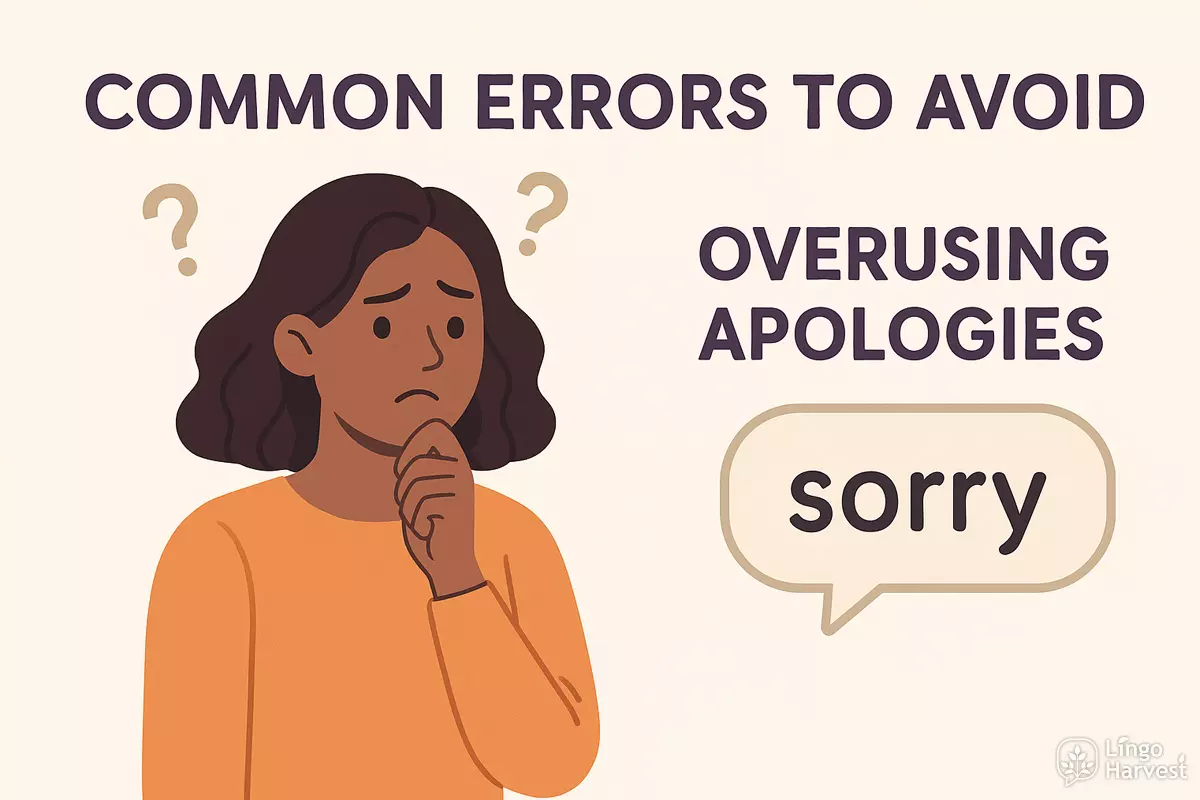
Overusing Apologies
Saying "sorry" too frequently, especially when it's not necessary, can make your requests sound insincere or overly self-deprecating. Reserve apologies for situations where you've caused inconvenience, rather than as a default phrase.
Forgetting to Say "Please"
Leaving out "please" can make a request feel like a demand. This small word signals respect and consideration, so remember to include it when you’re asking for something.
Using the Wrong Phrase for the Situation
Choosing between "please," "sorry," and "excuse me" is important. Here are some examples of common mix-ups and their better alternatives:
- Using "sorry" when you mean "excuse me" (e.g., "Sorry, can I pass?" → "Excuse me, may I pass?")
- Saying "excuse me" when you should thank someone (e.g., "Excuse me for your help" → "Thank you for your help")
- Forgetting to soften requests (e.g., "Give me that" → "Could you please give me that?")
Interrupting Without Acknowledgment
Jumping into a conversation or interrupting someone's activity without saying "excuse me" can come across as rude. Always acknowledge the other person’s attention before making your request.
Being Too Indirect or Vague
While being polite is important, being overly indirect can confuse your listener. Try to balance politeness with clarity, so your request is understood.
Examples of Common Mistakes and Better Alternatives
| What To Avoid | Better Choice |
|---|---|
| “Give me that.” | “Could you please give me that?” |
| Interrupting with no warning | “Excuse me, may I ask something?” |
| “Sorry, but...” (when not at fault) | “Excuse me, could you help me?” |
| “Excuse me for your help.” | “Thank you for your help.” |
| “Can you help?” (too abrupt) | “Could you please help me?” |
| “I need this.” | “May I have this, please?” |
Quick Tips for Polite Requests
- Match your tone to the situation—formal with strangers, informal with friends.
- Use "please" and "thank you" consistently.
- Apologize only when appropriate.
- Clarify your need without being demanding.
- Make eye contact and use a friendly tone when speaking in person.
By being aware of these typical pitfalls, you can make your requests sound both courteous and clear, leading to better outcomes in daily communication.
Practice: Rewrite to Sound Polite
Politeness in English often relies on using certain phrases and softening our words. This exercise helps you transform direct or abrupt requests into more courteous forms. Notice how adding words like "please," "sorry," and "excuse me" can make a big difference.
Rewrite These Sentences
Below are some short, direct requests or statements. Rewrite each one to sound more polite and considerate. Think about how you might ask a colleague, classmate, or stranger for help in a real-life situation.
- Give me that pen.
- I need your notes.
- Move out of the way.
- Repeat what you said.
- You’re blocking the door.
- What’s your name?
- Send me the file now.
- Stop talking.
- Can I borrow your phone?
- I don’t understand.
- Show me how to do this.
- Let me in.
- Tell me the time.
- Write your name here.
- Wait for me.
Show answers
- Could you please give me that pen?
- Would you mind sharing your notes with me, please?
- Excuse me, could you move out of the way?
- Sorry, could you repeat what you said?
- Excuse me, I think you’re blocking the door.
- May I ask your name, please?
- Could you send me the file when you have a moment, please?
- Would you mind lowering your voice, please?
- Excuse me, may I borrow your phone for a moment?
- Sorry, I don’t understand. Could you explain, please?
- Would you mind showing me how to do this?
- Excuse me, could you let me in, please?
- Could you tell me the time, please?
- Would you write your name here, please?
- Could you please wait for me?
Common Polite Expressions
Here is a list of helpful phrases and words you can use to make your requests, questions, or interruptions softer and more respectful:
- Could you please…?
- Would you mind…?
- May I…?
- Excuse me, could I…?
- Sorry to bother you, but…
- If it’s not too much trouble…
- Would it be possible to…?
- Do you think you could…?
- Is it okay if…?
- I was wondering if…
- Can you help me, please?
- Is there any chance you could…?
- I’d appreciate it if you could…
- When you have a moment, could you…?
- Would you be able to…?
Quick Comparison: Direct vs. Polite Requests
Notice how the tone changes between a blunt statement and a softened, courteous request:
| Direct | Polite Rewrite |
|---|---|
| Move your bag. | Excuse me, could you please move your bag? |
| Give me your advice. | Would you mind giving me your advice? |
| Help me with this. | Could you help me with this, please? |
| Tell me where the library is. | Excuse me, could you tell me where the library is? |
| Wait here. | Would you mind waiting here for a moment? |
| Explain this to me. | Would you be able to explain this to me, please? |
Tips for Sounding More Courteous
- Add "please" or "thank you" where appropriate.
- Use "excuse me" or "sorry" when interrupting or making a request.
- Soften commands by turning them into questions.
- Use modal verbs like "could," "would," or "may" instead of imperatives.
- Smile and use a friendly tone—your attitude matters as much as your words.