Expressing Dislike and Problems: Ugh, Yuck, Oops

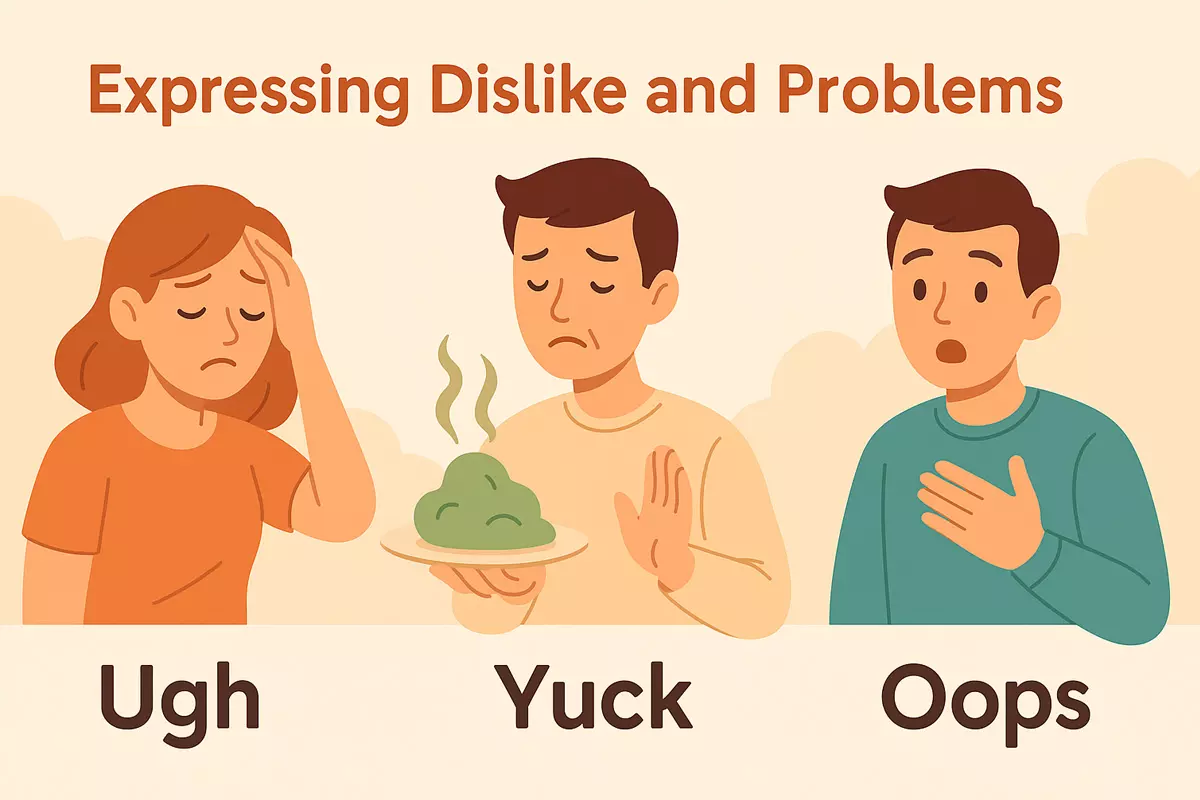 This article teaches you how to politely show dislike and respond to small mistakes in English. It covers tone control, common situations like food or noise, formal alternatives, sample dialogues, and frequent learner mistakes.
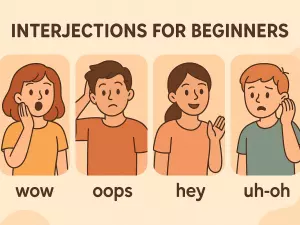
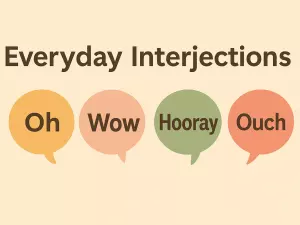
We often respond to unpleasant or unexpected situations with quick, expressive words that reveal our immediate feelings. These brief exclamations, such as sighs or words of surprise, allow us to communicate disapproval, discomfort, or shock without needing to explain in detail. In daily conversation, such spontaneous reactions help others understand our emotional state and make interactions more genuine. By expressing ourselves in this way, we connect with those around us and share our true responses naturally.
Showing Dislike Politely
Expressing that you dislike something doesn't always mean being blunt or negative. In many situations—especially in social or professional contexts—it's important to communicate discomfort, disagreement, or distaste with tact. Using gentle language and considerate phrasing can help you maintain respect and avoid causing offense.
Useful Phrases for Gentle Disagreement or Dislike
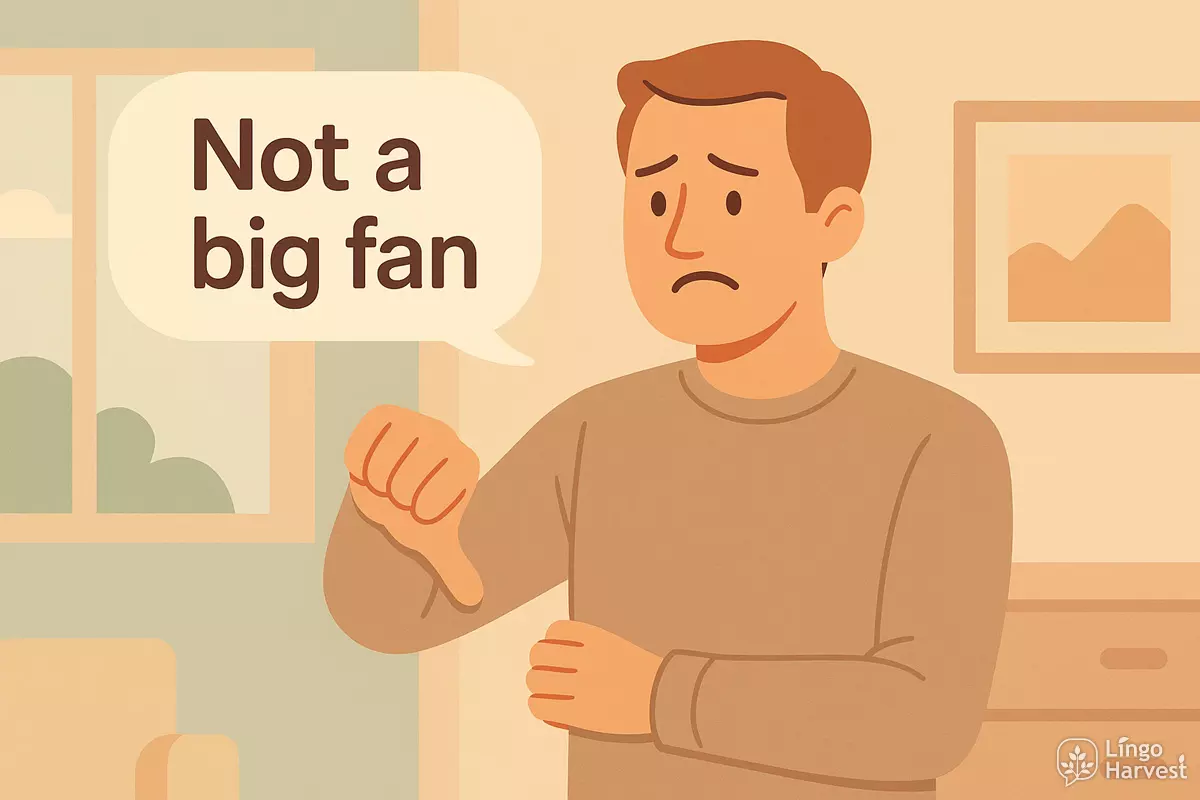
- I'm not a big fan of that.
- It's not really my cup of tea.
- I think I'll pass on this one.
- That's not quite to my taste.
- I'm not too keen on that idea.
- I prefer something else, if that's okay.
- I'm afraid that's not for me.
- That wouldn't be my first choice.
- I appreciate the suggestion, but I’ll skip.
- It's a bit much for me, honestly.
- I'm not sure that's what I'm looking for.
- Thanks, but I'll have to decline.
- Maybe we could try something different?
- This isn’t really my thing.
- I usually go for something else.
- Can we look at other options?
- I see your point, but I have some reservations.
- That makes me a bit uncomfortable, to be honest.
- Not exactly what I had in mind.
- I’d rather not, if that’s alright.
Strategies for Tactful Communication
Politeness isn’t just about the words you choose, but also how you deliver them. Using a friendly tone and positive body language can soften your message. Sometimes, offering an alternative or expressing gratitude for the suggestion can make your response feel less like a rejection.
| Direct Expression | Polite Alternative |
|---|---|
| I don't like this. | It's not really my thing. |
| No, that's bad. | Maybe we could try something else? |
| This is disgusting. | It's a bit much for me, honestly. |
| I hate it. | I think I'll pass on this one. |
| That's wrong. | I see your point, but I have some reservations. |
Tips for Sensitive Situations
When giving feedback or turning down an offer, consider your relationship with the other person. In formal or unfamiliar settings, choosing mild language and showing appreciation for their effort can help preserve goodwill. If possible, explain your feelings briefly and suggest alternatives, which makes your response constructive rather than dismissive. Politeness is not about hiding your true feelings, but about respecting others while staying honest. With the right approach, you can share your opinions and dislikes without creating unnecessary tension.
Reacting to Small Mistakes (Oops)
Everyday conversations often include little accidents or errors—spilling a drink, dropping a pen, or forgetting a minor detail. In English, people usually respond to these minor mishaps with quick, light expressions that help everyone move on without embarrassment. The word “oops” is especially common, signaling a harmless mistake. These responses are not just about language; they also help keep interactions friendly and relaxed.
Common Expressions for Minor Errors
People use a variety of brief words or phrases to acknowledge small blunders. Here are some of the most frequent ways to react when something goes slightly wrong:
- Oops!
- Sorry!
- My bad.
- Whoops!
- Oh no!
- Never mind.
- It happens.
- No worries.
- All good!
- Didn’t mean to.
- Let me fix that.
- Just a sec!
- Oh, I missed that.
- Good catch!
- Almost forgot!
- That was close!
- Not again!
- Well, that’s awkward.
- How clumsy of me.
- Oopsie daisy!
Quick Tips for Using “Oops” and Similar Words
Keeping your response short and friendly is key. Over-apologizing for trivial things can make a situation more uncomfortable. Using a quick “oops” or “my bad” is usually enough, especially if no one was hurt and nothing was seriously damaged. If you’re unsure how formal to be, match the tone of the people around you.
Comparing “Oops” with Other Reactions
Sometimes it helps to know when to use “oops” versus other words. Here’s a comparison of a few common phrases and when you might use each:
| Expression | Typical Situation |
|---|---|
| Oops! | Small, harmless mistakes (spilling water, dropping keys) |
| Sorry! | Accidentally bumping into someone or interrupting |
| My bad. | Admitting a casual mistake, often among friends |
| No worries. | Reassuring someone after a minor error |
Responding to small errors in a relaxed, friendly way helps keep conversations flowing and relationships positive. These simple words make it easier to move past little slip-ups and focus on what matters.
Tone Control to Avoid Rudeness
When expressing negative reactions like "ugh," "yuck," or "oops," your delivery makes all the difference between honest feedback and coming off as impolite. Paying attention to your words, voice, and context helps prevent misunderstandings or hurt feelings, especially in sensitive conversations.
Why Tone Matters
Direct expressions of dislike or problems can sound abrupt or judgmental if not softened. Tone shapes whether your message is received as constructive or offensive. Consider your relationship with the listener and the environment—what might be playful among friends could feel harsh at work or with strangers.
Polite Alternatives and Softening Phrases
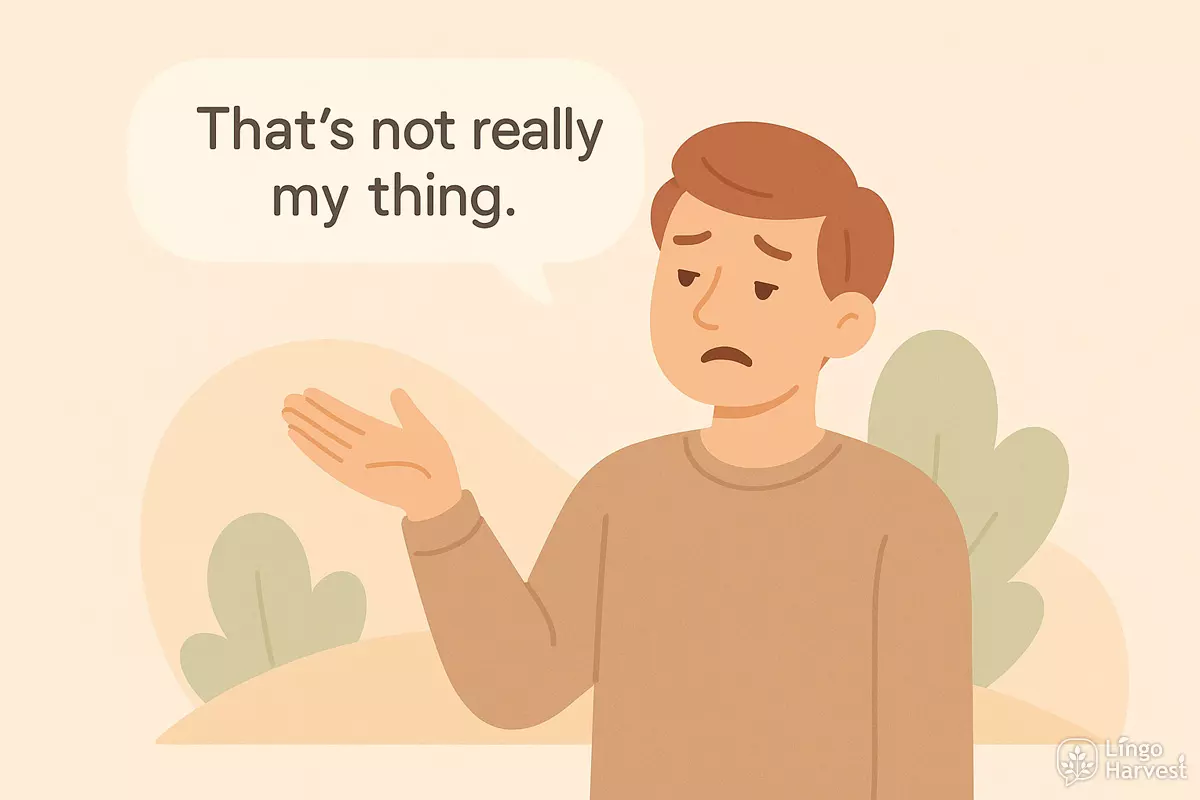
Substituting milder phrases or adding softeners can keep your reaction clear without sounding too blunt. Here are some ways to respond tactfully:
- That’s not really my thing.
- I’m not a big fan of this.
- It’s a bit much for me.
- Sorry, but I don’t quite like it.
- I might pass on this one.
- Hmm, not what I expected.
- Oh, that’s interesting…
- I think I’ll skip this.
- This isn’t for me, but thanks.
- I see why others might like it, but I’m not sure it’s for me.
- I made a mistake—my bad!
- Oops, I didn’t mean to do that.
- Oh no, sorry about that.
- Let me fix that.
- I’ll be more careful next time.
Comparing Direct vs. Tactful Expressions
Using more diplomatic language can maintain respect and cooperation. The table below compares abrupt reactions with softened alternatives:
| Direct/Blunt | Tactful/Polite |
|---|---|
| Ugh, that’s gross. | I’m not a fan of this flavor. |
| Yuck! | This isn’t really to my taste. |
| That’s awful. | It’s not quite what I expected. |
| Oops! (without explanation) | Oops, sorry about that—let me fix it. |
| No way. | I think I’ll pass, thank you. |
| I hate this. | This doesn’t really work for me. |
Tips for Maintaining Courtesy
- Use a gentle tone of voice, especially if you’re declining something.
- Add a brief reason or appreciation when possible ("Thanks for offering, but…").
- Smile or use positive body language to show goodwill.
- Be aware of cultural norms—some settings expect more indirect language.
- If you make a mistake, acknowledge it and offer to correct it.
By choosing your words thoughtfully and showing empathy, you can express dislikes or mistakes without causing offense. This encourages open, respectful communication—even when discussing problems or things you don’t enjoy.
Common Situations (food, mess, noise)
Reacting to unpleasant experiences is part of daily life. Whether you’re dealing with a dish you can’t stomach, an unexpected spill, or someone’s loud music next door, knowing how to express your discomfort or disapproval helps you communicate clearly and honestly.
Food: Dislike, Surprises, and Disgust
Tasting something unappealing or encountering unusual textures or smells often prompts a strong reaction. Here are some typical ways people express their feelings:
- Ugh, that’s too salty!
- Yuck, I don’t like mushrooms.
- Hmm, this tastes weird.
- No, thank you, I’ll pass.
- Sorry, not my thing.
- This smells off.
- I can’t eat this.
- That looks gross.
- I’m not a fan of spicy food.
- That’s too oily for me.
Mess: Accidents and Annoyances
Spills, stains, and clutter are common sources of frustration. People often use short exclamations or apologies in these situations:
- Oops! I dropped it.
- Sorry, that was an accident.
- Oh no, what a mess!
- Yikes, that’s sticky.
- This needs cleaning up.
- I hate when this happens.
- Ugh, it’s everywhere!
- That’s going to stain.
Noise: Disturbances and Complaints
Unexpected or loud sounds can disrupt your focus or relaxation. Here are common ways to voice your irritation or request peace:
- Could you turn that down?
- That’s way too loud.
- I can’t concentrate with this noise.
- Ugh, it’s so noisy in here.
- Do you mind keeping it down?
- This is giving me a headache.
- Sorry, but I need some quiet.
- I wish it was less noisy.
Comparing Reactions: Food, Mess, and Noise
Sometimes, the language changes a bit depending on what’s bothering you. Here’s a quick comparison of phrases you might use in different scenarios:
| Situation | Typical Reaction |
|---|---|
| Unpleasant food | Yuck! / This tastes awful. / I can’t eat this. |
| Making a mess | Oops! / Sorry about that. / What a mess! |
| Annoying noise | Ugh, it’s so loud! / Could you be quieter? / I can’t focus. |
| General dislike | Not my thing. / I’d rather not. / That’s not for me. |
Alternatives for Formal Settings
In professional or academic contexts, using casual interjections like "ugh," "yuck," or "oops" may seem inappropriate or overly informal. Instead, there are many ways to communicate dissatisfaction, discomfort, or errors that are suitable for more polished environments. These alternatives help maintain respect and clarity without sacrificing the intended meaning.
Polite Ways to Express Dislike or Displeasure
- I find this unappealing.
- This is not to my taste.
- I would prefer something else.
- This does not meet my expectations.
- I am not fond of this approach.
- This solution is less than ideal.
- I have some reservations about this.
- This is not satisfactory.
- I am concerned about this outcome.
- This is not recommended.
- I am not convinced by this argument.
- This is problematic.
- This raises some issues.
- I do not believe this is appropriate.
- This may not be suitable.
- I am uncomfortable with this.
- There are some drawbacks here.
- This is less favorable.
Formal Expressions for Mistakes or Errors
- An error has occurred.
- There appears to be a mistake.
- This was an oversight on my part.
- I apologize for the confusion.
- This needs to be corrected.
- We should address this issue.
- Let me clarify that point.
- I appreciate your patience while we resolve this.
- There seems to be a discrepancy.
- This requires further review.
Comparing Informal and Formal Expressions
| Informal Phrase | Professional Alternative |
|---|---|
| Ugh, that's gross. | This is rather unappealing. |
| Yuck! | I find this disagreeable. |
| Oops, my bad. | I apologize for the oversight. |
| That's a problem. | This presents a challenge. |
| I don't like this. | This is not to my preference. |
| That's not good. | This is less than satisfactory. |
| Sorry, I messed up. | I regret the error. |
| Nope, that's wrong. | That appears to be incorrect. |
Choosing refined language in business or academic writing helps convey problems or negative reactions tactfully. These alternatives foster constructive communication, minimize misunderstandings, and maintain professional relationships.
Short Call-and-Response Dialogues
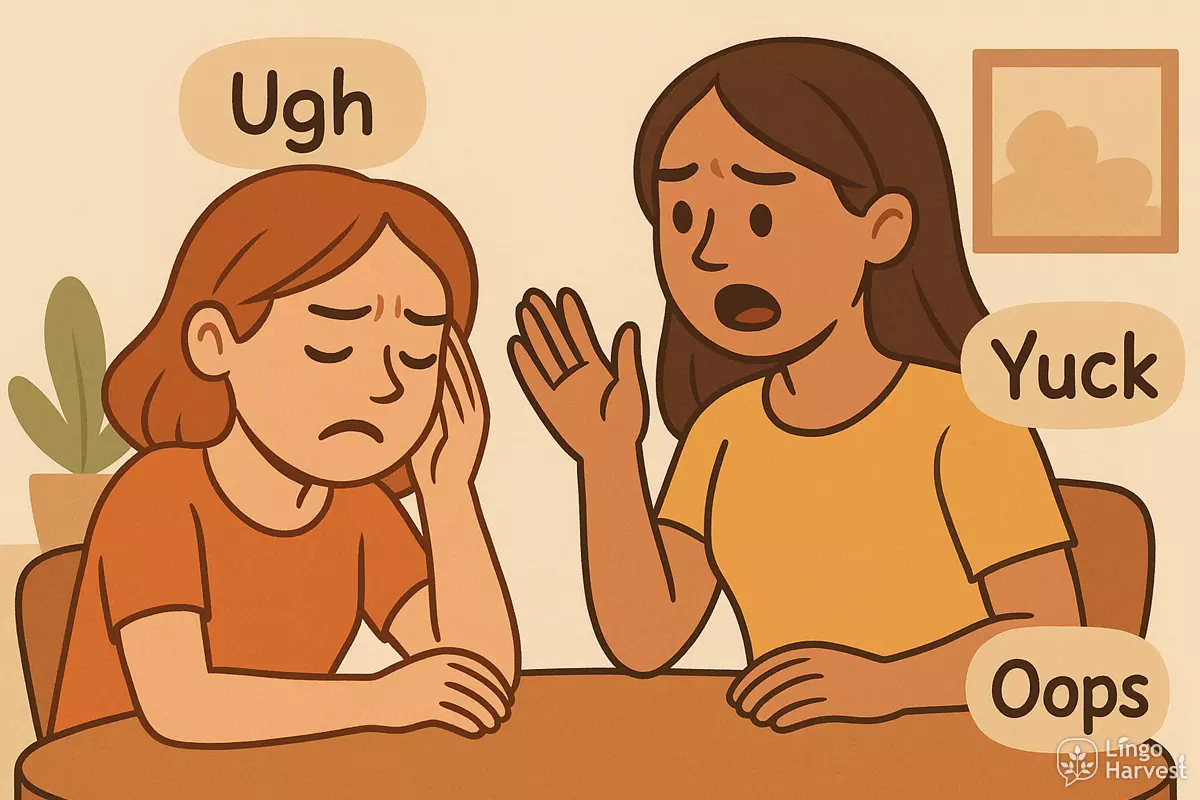
When it comes to expressing annoyance, disgust, or minor mistakes in everyday conversation, brief exchanges are common. These quick dialogues help speakers react naturally and show their feelings without lengthy explanations. Phrases like “Ugh,” “Yuck,” and “Oops” often appear in these interactions, signaling a negative reaction or highlighting a small problem.
Typical Patterns in Brief Exchanges
You’ll often hear short responses that quickly acknowledge or mirror the speaker’s emotion. Here are some common call-and-response structures used to express dislike or react to small mishaps:
- “Ugh, this tastes awful.” – “Yeah, it’s really bad.”
- “Yuck! What is that smell?” – “No idea, but it’s terrible!”
- “Oops, I dropped my pen.” – “Don’t worry, I’ll get it.”
- “Ew, that’s gross.” – “I know, right?”
- “Oh no, I spilled my drink.” – “Uh-oh, need some napkins?”
- “Ugh, it’s raining again.” – “Not again!”
- “Yuck, cold soup.” – “Let’s heat it up.”
- “Oops, wrong file.” – “All good, just resend it.”
- “Ew, this milk is sour.” – “Throw it out!”
- “Ugh, traffic is terrible.” – “Tell me about it.”
- “Yuck, my shoes are muddy.” – “Mine too, it’s a mess.”
- “Oops, sorry!” – “No problem.”
- “Oh, I made a mistake.” – “It happens.”
- “Ew, I hate bugs.” – “Same here!”
- “Ugh, Mondays.” – “The worst!”
- “Yuck, spinach.” – “Not my favorite either.”
Common Words and Their Functions
To clarify how these expressions work, here’s a comparison of frequent interjections and their typical uses:
| Expression | Function |
|---|---|
| Ugh | Shows annoyance, frustration, or mild disgust |
| Yuck | Expresses strong dislike, especially about taste or smell |
| Oops | Signals a small mistake or accident |
| Ew | Indicates disgust, often about something gross |
| Oh no | Reacting to a mishap or bad news |
| Uh-oh | Warns of a minor problem or accident |
These brief conversations let speakers quickly share their feelings and connect over minor problems or dislikes. Whether you’re responding to a friend’s complaint or reacting to your own blunder, these patterns keep communication natural and relatable.
Frequent Learner Pitfalls
When trying to express annoyance, distaste, or minor mistakes in a new language, learners often stumble over common missteps. These can lead to misunderstandings or even unintentional rudeness. Knowing what to watch out for can help you sound more natural and avoid awkward situations.
Mixing Up “Dislike” and “Disgust”
It’s easy to confuse words that show mild dislike with those that signal strong aversion. For instance, “ugh” and “yuck” aren’t always interchangeable; “yuck” is typically stronger and reserved for something truly unpleasant, like bad food, while “ugh” works for annoyance or frustration. Using them incorrectly can make your reaction seem exaggerated or odd.
Overusing Interjections
Frequent repetition of expressions like “oops,” “ugh,” or “yuck” can make your speech sound unnatural. Native speakers tend to use these sparingly. Overdoing it may come across as childish or insincere.
Direct Translations from Native Language
Translating word-for-word from your first language often results in awkward phrases. For example, not all languages use interjections in the same situations. It’s important to learn context-specific usage rather than relying on literal equivalents.
Mispronunciation and Intonation Issues
How you say these expressions matters. Misplaced stress or incorrect intonation can change a casual “oops” into something confusing. Listen to native examples and practice aloud to get the sound right.
Common Problem Areas
- Using “oops” for serious mistakes (it’s for small errors only)
- Saying “yuck” in formal settings (it’s informal and sometimes rude)
- Responding with “ugh” to positive news (sounds negative or dismissive)
- Replacing full explanations with just an interjection (can seem abrupt)
- Combining several interjections in a row (“ugh, yuck, oops!” is rarely natural)
- Forgetting body language or facial expressions (these often accompany such words)
- Assuming all cultures use these cues the same way
- Using “yuck” about people (can be very offensive)
- Misusing volume—shouting “oops!” may sound sarcastic
- Ignoring register—these are not for academic or business writing
Comparing Usage: “Ugh” vs. “Yuck” vs. “Oops”
| Expression | Typical Context | What It Conveys |
|---|---|---|
| Ugh | Annoyance, frustration, mild disgust | Displeasure with a situation or event (e.g., “Ugh, it’s raining again.”) |
| Yuck | Food, smells, or things that are gross | Strong aversion or disgust (e.g., “Yuck, this milk is sour!”) |
| Oops | Minor mistakes or accidents | Acknowledgement of a small error (e.g., “Oops, I dropped my pen.”) |
Summary Tips
- Match the interjection to the situation and audience.
- Don’t overuse or exaggerate emotional expressions.
- Observe how native speakers use these in real conversations.
- Practice with real-life examples, not just textbook phrases.
Practice: Replace Rude with Polite
When expressing dislike or talking about problems, it’s easy to fall back on blunt words like “Ugh,” “Yuck,” or “Oops.” However, in many situations—especially in professional or social contexts—these can sound rude or abrupt. Practicing more tactful, considerate language helps maintain good relationships and avoids misunderstandings. Let’s explore how to rephrase direct or harsh comments into polite alternatives.
Common Rude Expressions and Their Polite Alternatives
Below is a list of typical blunt responses and more courteous ways to express the same idea. Notice how the polite versions soften the message, show empathy, or focus on solutions.
- Ugh, this tastes awful. → I’m not sure this is to my taste.
- Yuck, I hate it. → This isn’t really my favorite.
- Oops, you messed up again. → It seems there was a small mistake. Let’s fix it together.
- This is disgusting. → I’m not comfortable with this.
- No way, that’s terrible. → That’s not ideal. Maybe we can find another option?
- You did it wrong. → Could we try a different approach?
- I can’t stand this. → This is a bit challenging for me.
- This is stupid. → I’m having trouble understanding the point.
- That’s not my problem. → Let’s see how we can address this together.
- I don’t care. → I’m open to your suggestions.
- Gross! → That’s unusual for me.
- That’s not good at all. → It could be improved.
- Why did you do that? → Can you help me understand your decision?
- This is pointless. → Could you explain the purpose behind this?
- Don’t do that. → Would you mind doing it a different way?
Structured Practice: Matching Rude and Polite Forms
Try matching the direct expressions with their softer versions. This exercise helps you recognize patterns and build your own polite responses.
| Rude Expression | Polite Alternative |
|---|---|
| This is disgusting. | I’m not comfortable with this. |
| You did it wrong. | Could we try a different approach? |
| I can’t stand this. | This is a bit challenging for me. |
| I don’t care. | I’m open to your suggestions. |
| No way, that’s terrible. | That’s not ideal. Maybe we can find another option? |
| Oops, you messed up again. | It seems there was a small mistake. Let’s fix it together. |
Task: Rephrase the Following Sentences
Rewrite these blunt statements to sound more polite and considerate:
- Yuck, I don’t want this.
- That’s not my problem.
- This is stupid.
- Gross!
- Why did you do that?
Show answers
- This isn’t really for me.
- Let’s see how we can address this together.
- I’m having trouble understanding the point.
- That’s unusual for me.
- Can you help me understand your decision?
By practicing these alternatives, you’ll find it easier to handle difficult conversations with tact and respect, whether you’re dealing with food, feedback, or mistakes.