Describing Personality with Simple Adjectives

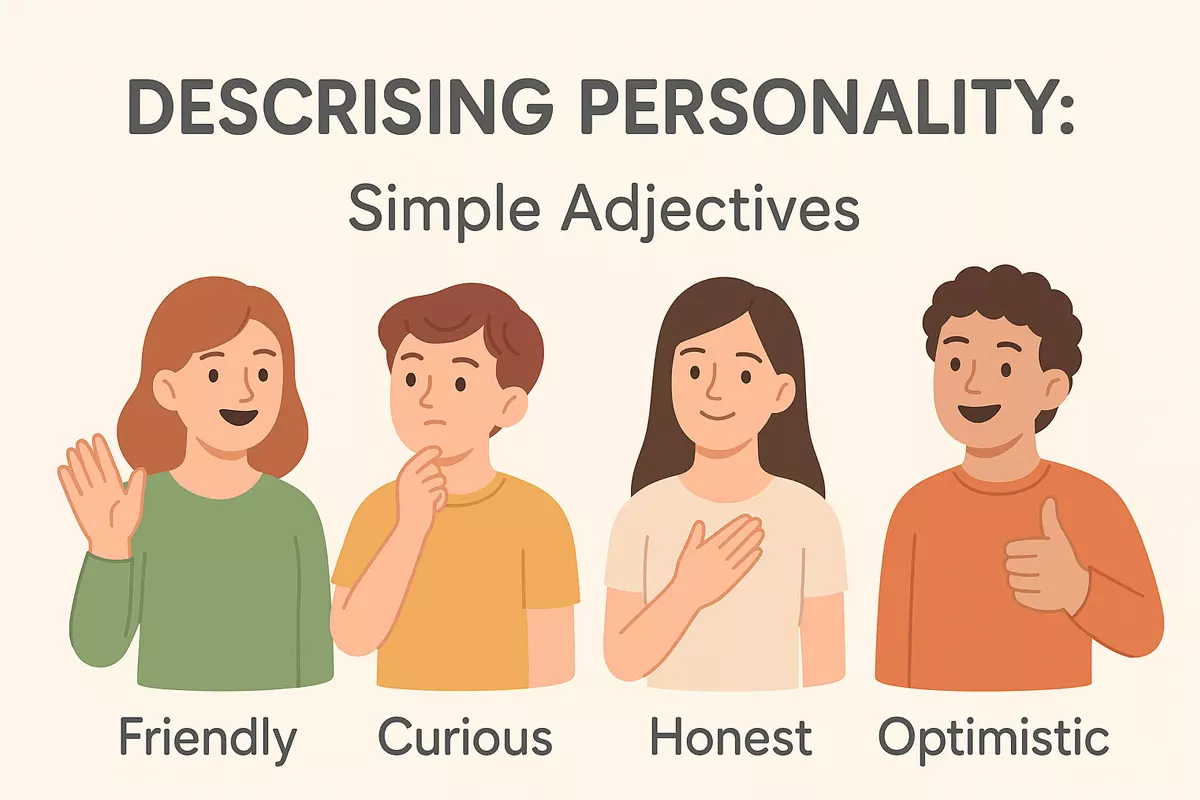 The article defines personality, gives examples of positive and negative personality adjectives, and explains how to describe people naturally. It also points out common mistakes with adjectives and offers a matching exercise to practice using them.
Describing a person's character using simple and clear words can be both engaging and insightful. When we choose straightforward language, we make it easier to express complex traits and unique qualities without confusion. This approach helps us communicate more effectively about ourselves and those around us, fostering better understanding and stronger connections. Whether we are reflecting on our own personalities or trying to get to know someone else, using direct and descriptive words brings out the essence of character in a way that feels genuine and accessible.
What Is Personality?
Personality refers to the unique set of traits, behaviors, and emotional patterns that make each person distinct. These characteristics influence how we think, feel, and interact with others. While everyone has different qualities, some features are more noticeable or consistent, making it easier to describe individuals using simple adjectives.
How Do We Recognize Personality?
You can often get a sense of someone’s character through their typical reactions, communication style, and the way they approach challenges. Observing these patterns over time helps reveal whether a person is, for example, outgoing, reserved, reliable, or unpredictable.
Why Use Adjectives to Describe People?
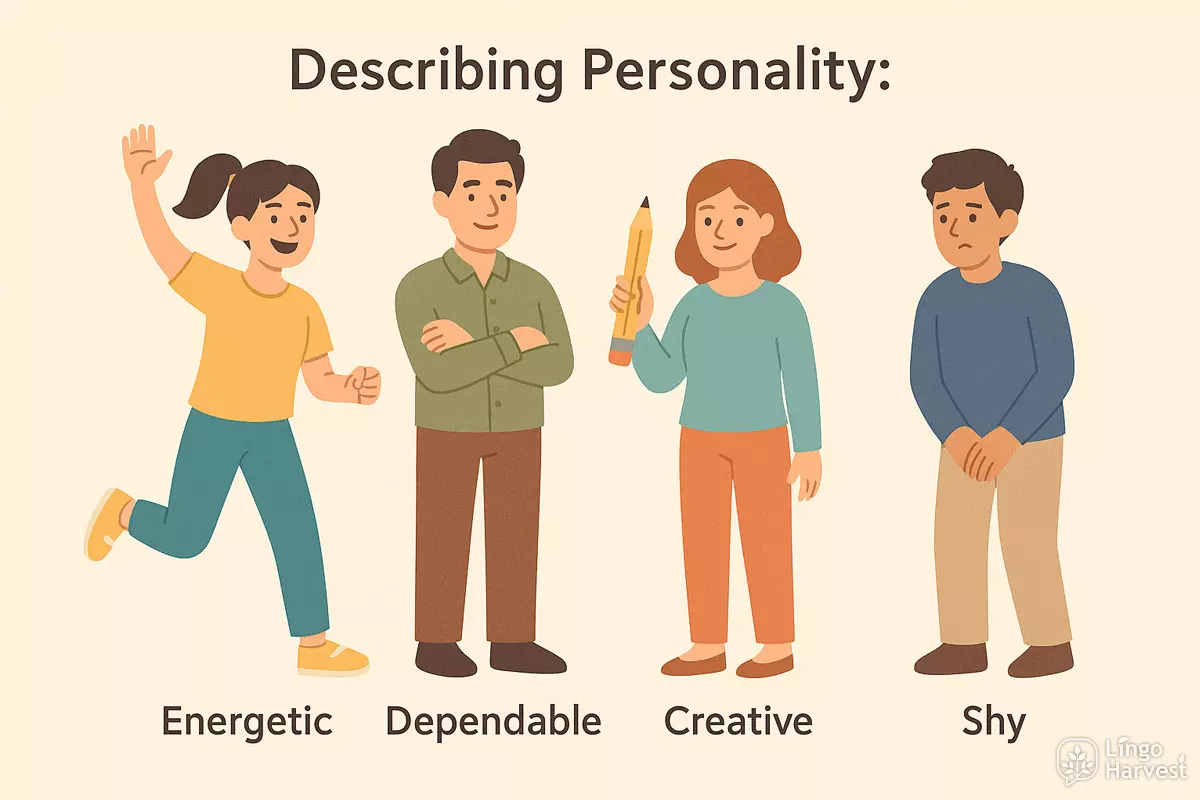
Adjectives are a straightforward way to express the essence of someone's character. They help us quickly summarize complex behaviors and tendencies in just a word or two. This can be useful in introductions, social situations, or when reflecting on ourselves and others.
- Friendly
- Curious
- Honest
- Optimistic
- Calm
- Adventurous
- Patient
- Energetic
- Dependable
- Creative
- Shy
- Generous
- Thoughtful
- Confident
- Stubborn
- Polite
- Loyal
- Impulsive
- Cheerful
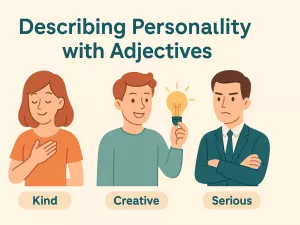
- Serious
Personality Traits: Nature and Nurture
Some aspects of temperament come from genetics, while others develop through experience and environment. For example, a person might be naturally sociable but become more cautious after certain life events. Both inherited tendencies and learned behaviors contribute to the overall picture.
Comparing Descriptive Styles
| Simple Adjective | More Detailed Description |
|---|---|
| Kind | Always willing to help others and shows empathy |
| Assertive | Speaks up confidently and stands by their opinions |
| Reserved | Prefers listening over speaking and values privacy |
| Optimistic | Tends to see the positive side of situations |
| Cautious | Thinks carefully before making decisions or taking risks |
Understanding these qualities and how they present in daily life can make describing people more precise and relatable. By noticing patterns in behavior and attitude, you can choose adjectives that capture the core of someone's disposition.
Positive Personality Adjectives
Describing someone’s character in a positive light can be simple with the right vocabulary. Words that highlight admirable qualities make it easy to express appreciation or describe someone’s strengths. Using clear, basic adjectives helps to paint a vivid picture of a person’s good traits.
Common Words for a Good Character
When you want to talk about someone’s admirable nature, consider these straightforward options:
- Friendly
- Generous
- Honest
- Loyal
- Patient
- Cheerful
- Hardworking
- Reliable
- Creative
- Polite
- Optimistic
- Supportive
- Adventurous
- Trustworthy
- Respectful
- Confident
- Helpful
- Kind
Choosing the Right Word
The best adjective depends on which aspect of a person you want to highlight. For example, “generous” fits someone who shares willingly, while “optimistic” is ideal for a person who always expects good outcomes. It’s helpful to match your description to specific actions or situations for clarity.
| Adjective | Example Use |
|---|---|
| Reliable | She is reliable; you can always count on her to finish tasks on time. |
| Cheerful | His cheerful attitude brightens up the office every day. |
| Hardworking | He is hardworking and never gives up, even with difficult projects. |
| Kind | Everyone appreciates her kind words and helpful nature. |
| Creative | Her creative ideas always make group projects more interesting. |
Tips for Using Positive Descriptions
Be specific when using these adjectives; connect them to real actions or examples. This makes your description more meaningful. For instance, instead of just saying “he is helpful,” you could say, “he is helpful because he always explains difficult tasks to new colleagues.” This approach adds clarity and sincerity to your description.
Negative Personality Adjectives
Describing someone’s character isn’t always about highlighting positive traits. Sometimes, it’s important to talk about qualities that can make relationships or teamwork difficult. These less desirable attributes help us better understand and communicate about different personalities, especially when discussing challenges or conflicts. Using simple, clear adjectives allows you to express these ideas accurately and respectfully.
Common Words for Unpleasant Traits
There are many straightforward words to describe someone whose behavior or attitude is challenging. Here are some widely used adjectives to talk about difficult or negative qualities:
- Rude – someone who is not polite or considerate
- Arrogant – a person who acts as if they are better than others
- Stubborn – unwilling to change their opinion or attitude
- Greedy – always wanting more than they need, especially money or food
- Jealous – feeling unhappy when others have something they want
- Selfish – caring only about themselves, not others
- Moody – changing emotions quickly, often in a negative way
- Laziness – not wanting to work or make an effort
- Dishonest – not telling the truth or cheating
- Bossy – always telling others what to do
- Impulsive – acting without thinking about the consequences
- Pessimistic – always expecting the worst to happen
- Manipulative – influencing others for their own benefit
- Insensitive – not caring about other people’s feelings
- Critical – often finding fault with others
- Judgmental – quickly forming negative opinions about people
- Unreliable – cannot be trusted to do what they promise
- Grumpy – often in a bad mood or easily annoyed
Comparing Opposite Personality Descriptions
Seeing how these adjectives contrast with more positive ones can make their meaning clearer. Here’s a table comparing some commonly used negative and positive personality words:
| Negative Adjective | Positive Opposite |
|---|---|
| Rude | Polite |
| Arrogant | Humble |
| Selfish | Generous |
| Dishonest | Honest |
| Pessimistic | Optimistic |
| Judgmental | Open-minded |
| Unreliable | Dependable |
| Bossy | Supportive |
Using these words thoughtfully helps you describe behavior and attitudes in a precise way. When talking about someone’s personality, it’s helpful to choose adjectives that match the situation and stay respectful, even when pointing out less positive traits.
Talking About People Naturally
Describing others in a natural, effortless way helps make your conversations sound more genuine and relatable. Instead of memorizing long lists of advanced vocabulary, focus on simple adjectives that fit everyday situations. When you use straightforward words, your speech feels more authentic and is easier for everyone to understand.
Simple Adjectives in Everyday Conversation
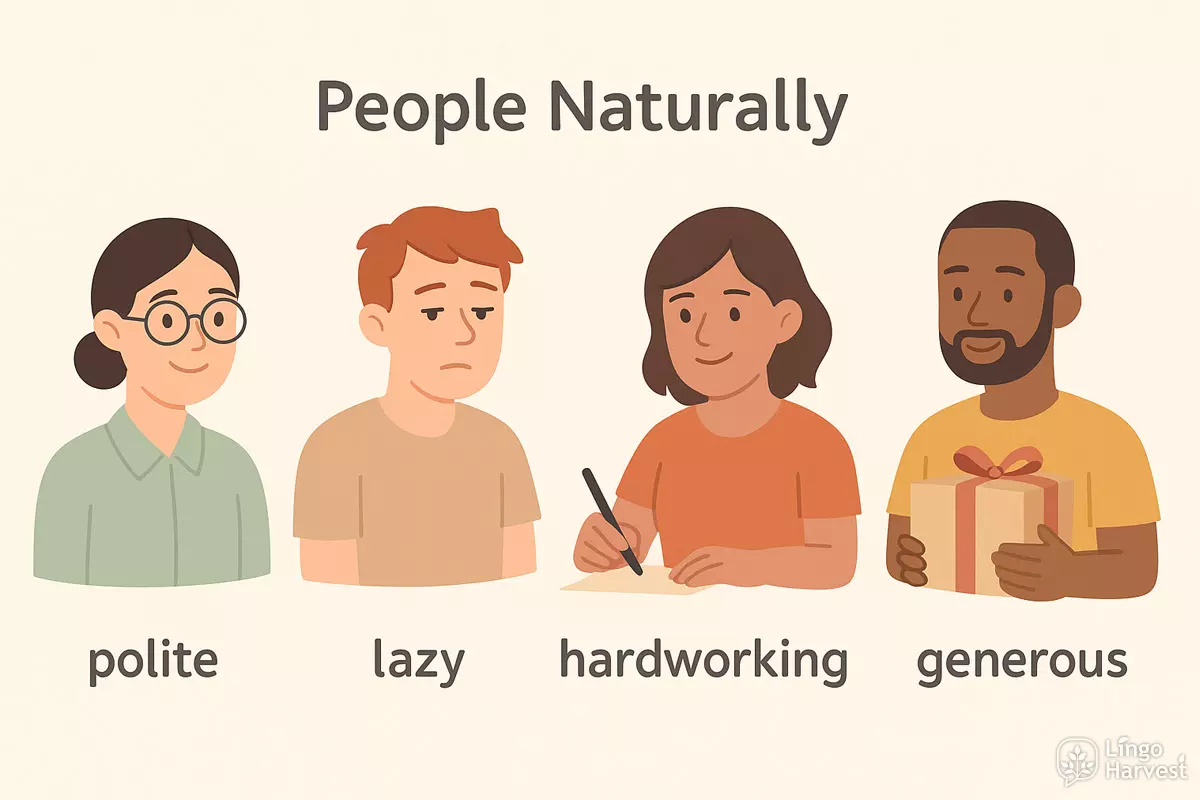
Choosing the right adjective depends on the situation and your relationship with the person you’re describing. For friends, classmates, or colleagues, basic descriptors are often the most effective. Here are some common adjectives you can use to talk about someone’s character:
- kind
- funny
- friendly
- shy
- outgoing
- serious
- polite
- lazy
- hardworking
- generous
- honest
- brave
- quiet
- talkative
- creative
- moody
- cheerful
- reliable
How to Combine Adjectives Naturally
Combining two or more adjectives can make your descriptions richer. Use “and” to join them, or add detail with “but” to show contrast. For example:
- She’s smart and friendly.
- He’s quiet but very helpful.
- My brother is funny and outgoing.
Avoid stacking too many adjectives together. Two is usually enough for a natural sound.
Positive vs. Negative Traits
It’s important to balance your descriptions, especially in sensitive situations. Here’s a quick comparison of positive and negative personality adjectives:
| Positive Traits | Negative Traits |
|---|---|
| generous | selfish |
| reliable | unreliable |
| cheerful | moody |
| hardworking | lazy |
| honest | dishonest |
| polite | rude |
Tips for Sounding More Natural
- Use contractions (“He’s friendly,” not “He is friendly”) in speech.
- Give short reasons or examples: “She’s creative—she always comes up with new ideas.”
- Match your tone to the context: be more formal at work, more relaxed with friends.
- Don’t overuse adjectives; let your examples show personality.
A natural description is clear, concise, and fits the situation. Practice using these simple adjectives in real-life conversations to make your English sound more fluent and authentic.
Common Mistakes with Adjectives
When describing people's character traits, it’s easy to make small errors that can confuse native speakers or change the intended meaning. Many learners mix up word forms, use the wrong adjective, or accidentally sound rude when they mean to be polite. Recognizing these pitfalls helps you speak and write more clearly.
Mixing Up Adjective Forms
Some words have both adjective and noun forms, and it’s a frequent slip to use the wrong one. For example, saying “He is honesty” instead of “He is honest.” Always check if you need an adjective (describes a person) or a noun (names a quality).
Using the Wrong Adjective
Picking a word that doesn’t quite fit can lead to confusion. For instance, “He is a sensible man” means he is practical, not sensitive or caring. Here are some commonly confused adjectives:
- Sympathetic (means understanding, not “nice” or “kind”)
- Sensible (practical, not emotional)
- Sensitive (easily affected by emotions)
- Reliable (can be trusted, not "relaxed")
- Polite (having good manners)
- Friendly (kind, pleasant)
- Shy (nervous with others, not “quiet”)
- Moody (often changes mood, not “in a bad mood”)
- Lazy (does not like work)
- Generous (gives time or things freely)
- Mean (not generous, sometimes rude)
- Outgoing (likes meeting people)
- Clever (intelligent, not always “kind”)
- Rude (impolite)
- Calm (not easily upset)
- Cheerful (happy and positive)
- Ambitious (wants success)
- Stubborn (does not change mind easily)
Word Order Problems
Adjectives in English usually come before the noun: “a kind person,” not “a person kind.” It’s also important to avoid double adjectives that don’t fit together, like “a rude friendly man.”
Comparing Adjectives Incorrectly
Many adjectives change form to show comparison. For short adjectives, add -er or -est (e.g., “nicer,” “kindest”). Longer ones use “more” or “most” (e.g., “more ambitious,” “most reliable”). Mixing these rules up is a common slip.
| Incorrect | Correct |
|---|---|
| He is more kinder than me. | He is kinder than me. |
| She is the most nicest in the group. | She is the nicest in the group. |
| He is more generouser. | He is more generous. |
| She is intelligenter than him. | She is more intelligent than him. |
Overusing Very or Too
Using “very” or “too” with adjectives can change the meaning: “very shy” just means quite shy, but “too shy” suggests it’s a problem. Use these modifiers carefully to match your intention.
Summary
To avoid these errors, check the word’s meaning, its correct form, and where it belongs in the sentence. With practice, describing someone’s personality becomes much clearer and more natural.
Practice: Match Words to Meanings
Understanding personality adjectives is easier when you connect each word to its correct definition. Below, you'll find a set of common descriptive adjectives along with brief explanations. Try to match the adjectives with their meanings before checking the answers.
Exercise: Can You Pair the Adjective to Its Description?
Look at the list of adjectives and meanings. Which adjective fits each description? Read carefully—some words may look similar but have different meanings.
- Friendly: enjoys meeting and talking with other people
- Shy: feels nervous or uncomfortable with strangers
- Honest: tells the truth and does not lie or cheat
- Lazy: does not like to work or be active
- Confident: sure of oneself and abilities
- Generous: likes to give to others, not selfish
- Polite: uses good manners and shows respect
- Moody: changes emotions quickly; sometimes happy, sometimes sad
- Patient: stays calm and does not get angry easily
- Curious: wants to know or learn new things
- Reliable: can be trusted to do what is needed
- Stubborn: does not change their mind easily
- Talkative: likes to talk a lot
- Brave: not afraid to face danger or difficulties
- Careless: does not pay enough attention; makes mistakes easily
- Calm: does not get excited or nervous easily
- Sociable: enjoys being with other people
- Creative: good at thinking of new ideas or making things
- Kind: cares about others and helps them
- Organized: plans things well and keeps things tidy
Mini-Quiz: Choose the Best Adjective
- Someone who never lies and always tells the truth is ________.
- A person who is often nervous around new people is ________.
- If your friend always helps you and others, they are ________.
- Who is always ready to give or share things with others?
- Which word describes a person who never gives up, even if everyone disagrees?
Show answers
- 1. Honest
- 2. Shy
- 3. Kind
- 4. Generous
- 5. Stubborn
Quick Check: Spot the Opposites
Match each adjective to its opposite meaning from the list below:
- Lazy → ________
- Moody → ________
- Talkative → ________
- Careless → ________
Opposite options: calm, organized, patient, quiet, hardworking
Show answers
- Lazy → Hardworking
- Moody → Calm
- Talkative → Quiet
- Careless → Organized
Review these personality words and their definitions to build your vocabulary. Practicing with different formats helps you remember the meanings and use the adjectives naturally in conversation.