Nouns for Places in Town: A Beginner's Picture Guide

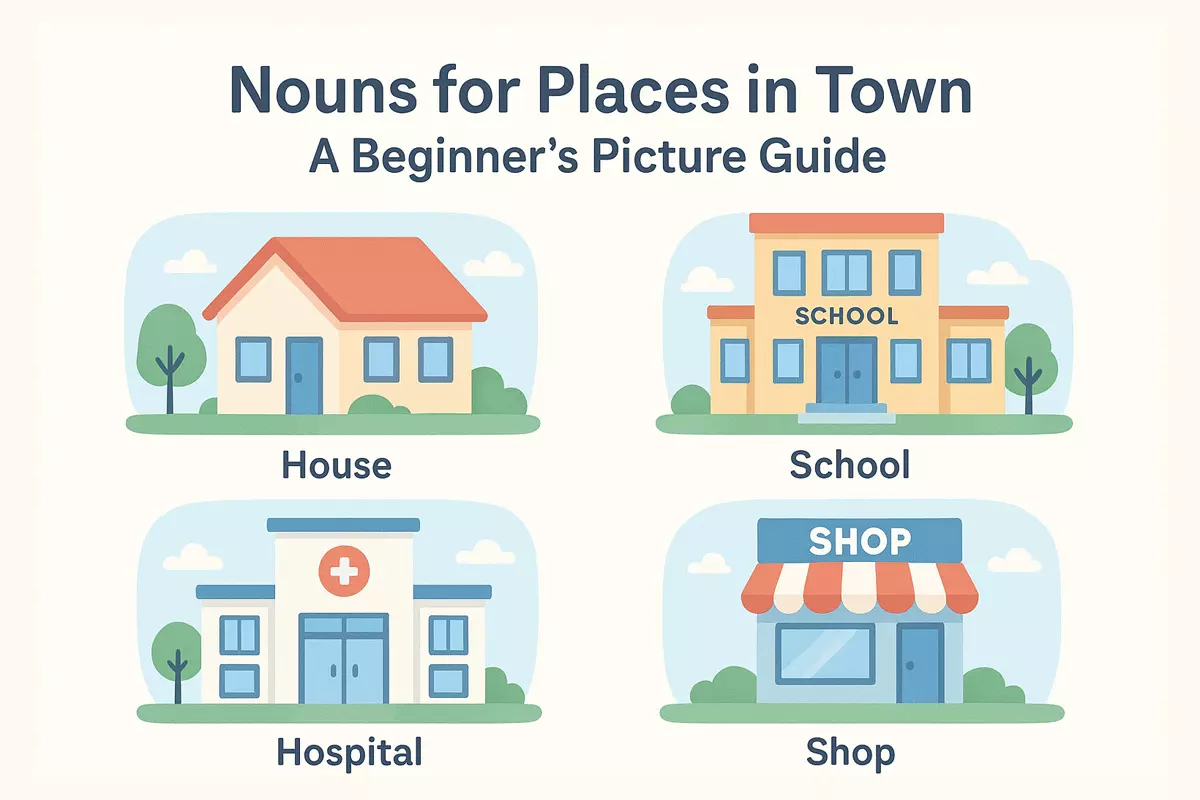 The article explains place nouns, focusing on everyday town locations such as shops and stores, public services, community buildings, and spots for fun, relaxation, travel, and transportation.
Explore the dynamic vocabulary of urban life in this beginner's visual guide, which delves into the varied names of places you'll find in town. From lively markets to serene parks, this guide aims to enhance your ability to navigate and describe your surroundings effortlessly. It offers an enriching journey into language, helping you become more adept at expressing the nuances of city environments. Whether you're a local or a visitor, this resource will expand your vocabulary and deepen your understanding of urban settings, making your experiences more engaging and insightful.
What Are Place Nouns?
Place nouns are terms that describe specific locations, buildings, or areas within a town or city. These nouns help us identify and talk about various places we encounter in everyday life, making them essential for navigation and communication. Whether you are giving directions or simply discussing your favorite spots, understanding these nouns can greatly enhance your conversation skills.
Common Examples of Place Nouns
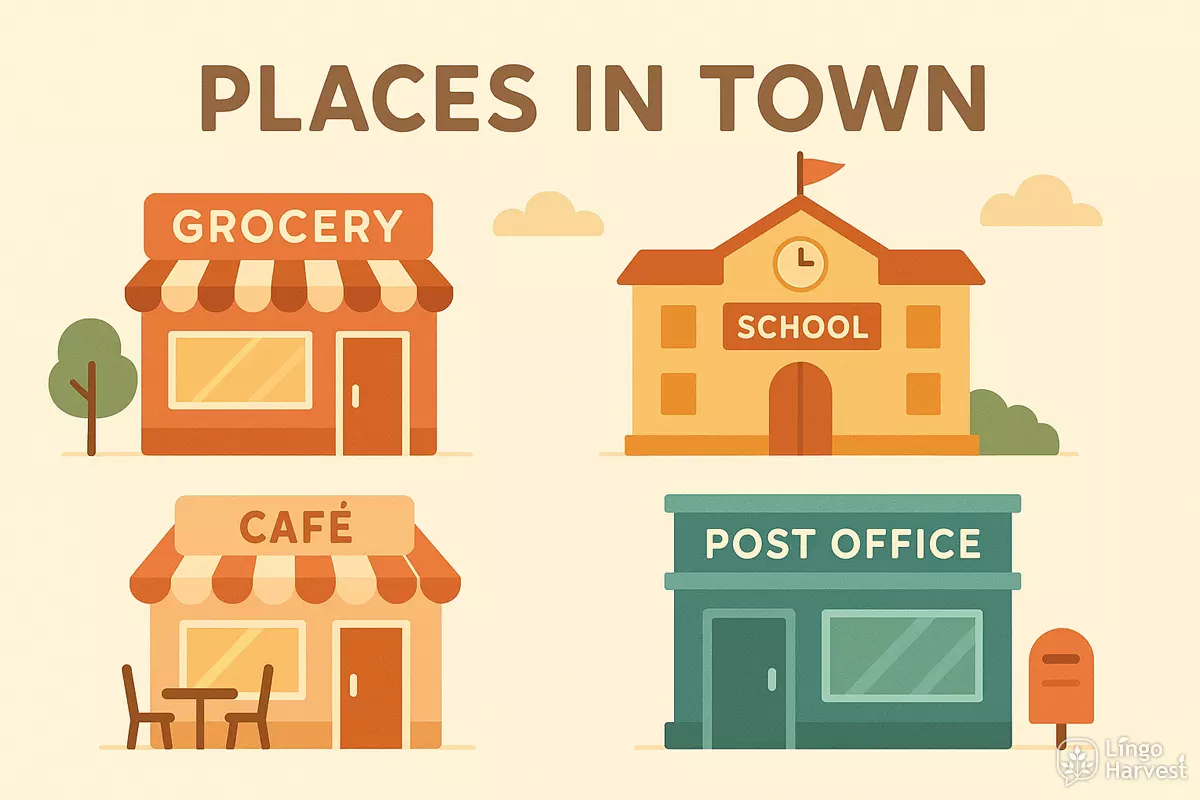
To better understand this concept, let's look at a few common examples of nouns that denote places within a town:
- Library: A place where you can borrow books and access various forms of media.
- Restaurant: An establishment where meals are prepared and served to customers.
- Park: An open public space often featuring gardens, playgrounds, and walking paths.
- Hospital: A facility offering medical care and treatment.
- School: An institution for educating children and young adults.
- Post Office: A location where mail is sent, received, and processed.
Categories of Place Nouns
Place nouns can be categorized based on their function and purpose. Here are a few categories to consider:
| Category | Examples |
|---|---|
| Commercial | Shop, Market, Mall |
| Educational | University, College, Academy |
| Recreational | Stadium, Theater, Gym |
| Residential | Apartment, House, Condo |
The Role of Place Nouns in Communication
Using place nouns effectively can significantly improve your ability to convey information about locations. For example, when meeting someone, you can specify a café or bookstore as a rendezvous point. Similarly, if you're discussing your weekend activities, mentioning a visit to the zoo or a concert hall can make your conversation more vivid and engaging.
In summary, mastering the use of place nouns is a crucial step in enhancing your vocabulary and communication skills, particularly in urban settings. By familiarizing yourself with these terms, you can navigate social interactions and city landscapes with greater confidence and clarity.
Town Places You See Every Day
In every town, there are certain places that almost everyone visits regularly. These places form the backbone of community life and are essential for daily activities. Understanding the names and functions of these locations can greatly enhance your language skills and help you navigate any town with ease.
Essential Locations
Some of the most common places you will encounter include:
- Supermarket: A large store where people buy food and household goods.
- Post Office: A place for sending letters and packages and for other postal services.
- School: An institution for educating children, often a central part of a community.
- Library: A quiet place where you can borrow books and sometimes access computers and other resources.
Transportation Hubs
Getting around town often involves visiting various transportation hubs. These places are crucial for connecting different parts of the town and beyond:
- Bus Station: A hub for catching local or long-distance buses.
- Train Station: A facility where trains load and unload passengers and cargo.
- Airport: A complex of runways and buildings for the takeoff, landing, and maintenance of aircraft.
Recreational Areas
Towns also offer places for relaxation and leisure activities, providing a break from the routine:
- Park: A public area with grass, trees, and sometimes playgrounds, often used for relaxation and recreation.
- Gym: A facility equipped for physical exercise, a popular spot for keeping fit.
- Cinema: A place where people go to watch films on a big screen.
Comparison of Key Features
| Place | Main Function | Typical Visitors |
|---|---|---|
| Supermarket | Shopping for groceries | Families, individuals |
| Post Office | Mail and packages | All age groups |
| School | Education | Students, teachers |
| Library | Reading and research | Students, researchers |
| Park | Recreation | Families, joggers |
These locations are more than just places; they are integral parts of daily town life. Familiarizing yourself with these terms not only boosts your vocabulary but also enriches your understanding of the community structure.
Shops and Stores
In any town, you'll find a variety of places where people can buy goods and services. These locations are essential for daily life, providing everything from groceries to clothing. Understanding the different types of shops can help you navigate a new town more effectively. Below, we explore some common types of stores you might encounter.
Types of Stores
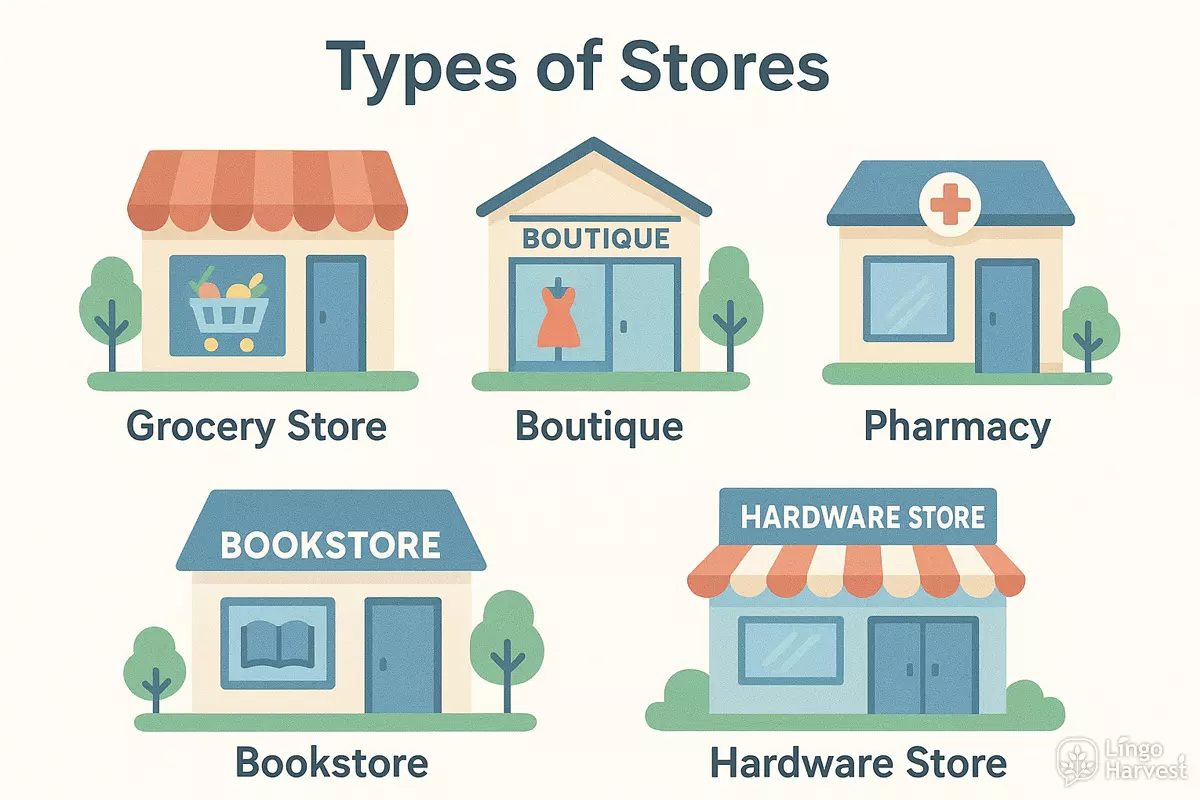
- Grocery Store: A place where you can purchase food and everyday household items. These stores range from small local markets to large supermarkets.
- Boutique: Small shops that specialize in unique or fashionable clothing and accessories. Boutiques often offer personalized service.
- Pharmacy: A store where medicinal drugs are dispensed and health-related products are sold. Pharmacists are available to provide advice on medications.
- Bookstore: A haven for book lovers, offering a wide selection of literature, magazines, and sometimes even stationery.
- Hardware Store: This type of shop provides tools, building supplies, and other materials needed for construction and home improvement projects.
Shopping Experiences
Each type of store offers a unique shopping experience. For instance, visiting a grocery store might be a weekly routine, while a trip to a boutique could be a special occasion. Understanding these differences can help you plan your shopping trips more effectively.
Popular Store Chains
| Store Type | Examples |
|---|---|
| Grocery Store | Walmart, Tesco, Carrefour |
| Boutique | Zara, H&M, Urban Outfitters |
| Pharmacy | CVS, Walgreens, Boots |
| Bookstore | Barnes & Noble, Waterstones, Dymocks |
| Hardware Store | Home Depot, Lowe's, B&Q |
Whether you're in a bustling city or a quiet town, these establishments play an important role in serving the community's needs. Knowing where to find what you need can make living in or visiting a town much more convenient and enjoyable.
Public Services and Community Buildings
In every town, you'll find a variety of facilities dedicated to serving the public and enhancing community life. These are the places where essential services are provided, and community members gather for various activities. Understanding the names and functions of these places can help you navigate any town more effectively.
Key Public Service Locations
Public service locations are essential for the smooth functioning of any community. Here are some of the most common ones:
- Post Office: A place where you can send and receive mail, buy postage stamps, and sometimes access other services like money orders.
- Library: Offers access to books, digital media, and often hosts events and educational programs for all ages.
- Police Station: The headquarters for local law enforcement, where you can report crimes or seek assistance from police officers.
- Fire Station: Home to the local fire brigade, responsible for responding to fires and other emergencies.
Community Buildings
Community buildings are places where people can come together for social, cultural, or recreational activities. Here are a few examples:
- Community Center: A venue for local events, classes, and social gatherings, often equipped with meeting rooms and activity spaces.
- Town Hall: The administrative center of a town, where local government meetings are held and civic issues are discussed.
- Recreation Center: Offers facilities for sports, fitness, and leisure activities, including swimming pools, gyms, and sports courts.
Services and Facilities Comparison
Below is a comparison of some public services and community buildings, highlighting their primary functions and additional features:
| Place | Main Function | Additional Features |
|---|---|---|
| Post Office | Mail Services | Money Orders, PO Boxes |
| Library | Access to Books | Events, Workshops |
| Police Station | Law Enforcement | Community Outreach Programs |
| Community Center | Social Gatherings | Meeting Rooms, Classes |
These public and community buildings are integral to town life, providing crucial services and opportunities for engagement. Familiarity with these terms and their functions can enhance your ability to participate in community activities and make use of available resources.
Fun and Relaxation Places
Exploring a town can be a delightful experience, especially when you know where to go for leisure and enjoyment. Towns offer a variety of spots where you can unwind and have fun, whether you're seeking adventure or tranquility. Below is a guide to common places designed for relaxation, entertainment, and activities.
Parks and Gardens
Parks and gardens are perfect for those who enjoy nature and fresh air. These green spaces often feature walking paths, playgrounds, and picnic areas. They are ideal for a family outing or a quiet afternoon with a book.
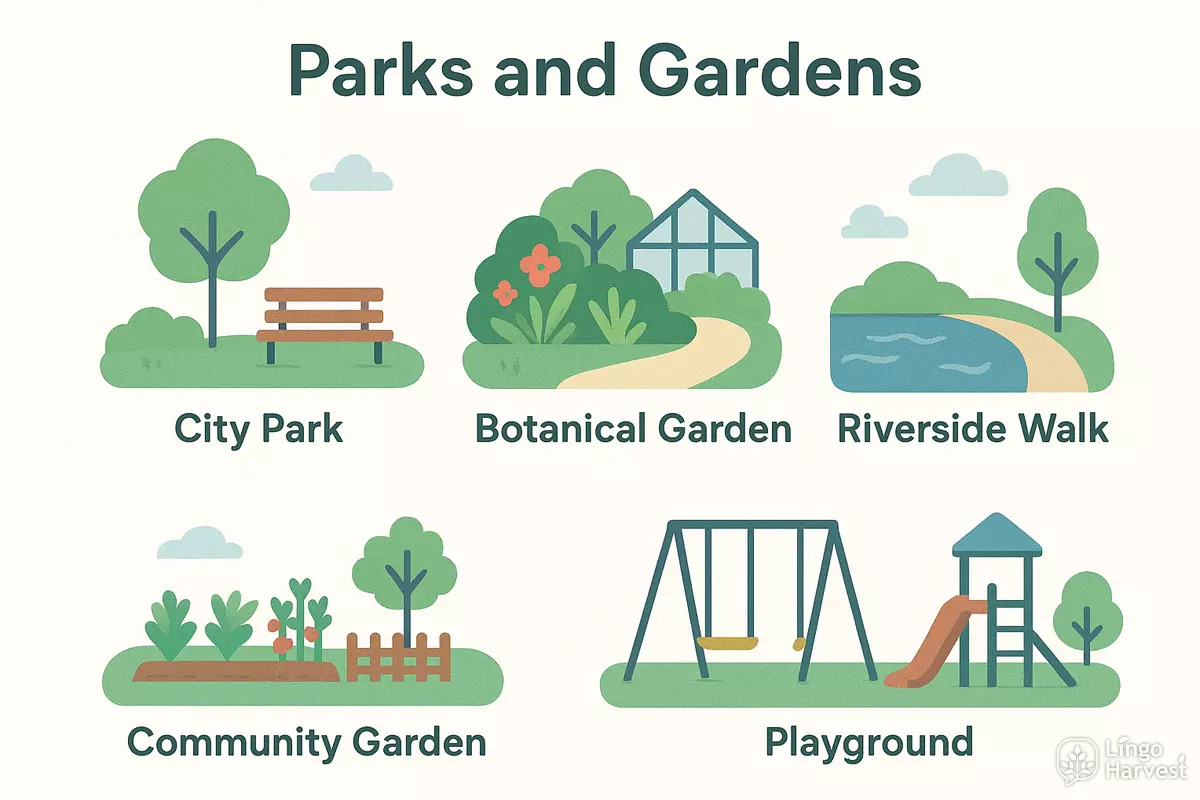
- City Park: A large public park with trails, benches, and open spaces.
- Botanical Garden: A curated garden featuring unique plants and flowers.
- Community Garden: A shared space where residents grow fruits, vegetables, and herbs.
- Riverside Walk: A scenic path along the river, perfect for jogging or relaxing strolls.
- Playground: An outdoor play area designed for children with swings and slides.
Theaters and Cinemas
For entertainment lovers, theaters and cinemas provide an escape into the world of drama and film. Whether you're in the mood for a blockbuster or an indie performance, these venues offer various experiences.
- Movie Theater: Screens new films across multiple genres.
- Live Theater: Hosts plays, musicals, concerts, and stage performances.
- Drive-in Cinema: Lets you enjoy movies from your car in an open-air setting.
- Art House Cinema: Specializes in independent, foreign, and classic films.
Recreational Centers
Recreational centers are excellent for those who like sports, fitness, and active leisure. These facilities usually have equipment and spaces for various activities.
- Sports Complex: Includes facilities for basketball, tennis, swimming, and more.
- Gymnasium: Offers workout machines, weights, and group fitness classes.
- Community Center: Hosts social events, workshops, and hobby groups.
- Skate Park: A space designed for skateboarders and roller skaters to practice tricks.
Shopping Areas
If shopping is your way to relax, towns usually offer areas where you can browse goods, enjoy food, and explore local culture.
- Mall: A large shopping center with stores, restaurants, and entertainment venues.
- Market Square: A lively open area featuring local vendors and seasonal fairs.
- Shopping Street: A busy street lined with boutiques, cafes, and street performers.
- Antique Market: A place to find vintage items, artwork, and collectibles.
Travel and Transportation Spots
Getting around a town becomes much easier when you know the key transportation places and terms. These locations help people commute, explore new areas, and travel comfortably. Whether you are a local resident or a visitor, understanding these words will make navigation far more convenient.
Common Transportation Hubs
Most towns have several important locations where people start or change their journey. These hubs connect different parts of the town and often link to other cities as well.
- Bus Station: The main place where buses arrive, depart, and connect different routes across the town.
- Train Station: A central point where trains operate, offering travel to nearby towns, cities, and regions.
- Airport: A large facility for domestic and international flights, usually located outside the city center.
- Tram Stop: A short waiting area where trams pick up and drop off passengers in cities that use tram systems.
- Harbor: A docking area for boats and ships, common in coastal towns and cities.
Modes of Transportation
Towns offer different ways to move from one place to another. Each mode of transportation serves different needs and distances.
- Subway / Metro: An underground or elevated train system that allows fast travel across urban areas.
- Taxi Stand: A designated location where taxis wait for passengers, useful for quick and direct rides.
- Bicycle Lane: A safe and marked road section for cyclists, encouraging eco-friendly travel.
- Public Bus: A bus that follows fixed routes and schedules, widely used for daily commuting.
- Scooter or Bike Sharing: Self-service rental systems that allow short-distance travel within the town.
Additional Travel Facilities
These places support travel and make movement easier and more organized.
- Parking Garage: A multi-level building where people can park cars, often near busy centers or transport hubs.
- Car Rental Service: A service where travelers can rent a vehicle for several hours or days.
- Ferry Terminal: A station where ferries depart, commonly used in towns near rivers, lakes, or the sea.
- Information Booth: A small office or desk providing maps, travel guides, and directions for visitors.
- Ticket Office: A place to buy tickets for buses, trains, trams, ferries, or events.
Learning these terms will help you move confidently around a town, ask for directions clearly, and understand signs and maps more easily. With practice, navigating becomes simple and enjoyable.
Useful Phrases for Talking About Places
When you're learning to discuss locations in town, it's helpful to have a set of useful expressions. These phrases allow you to describe places, ask for directions, and share your experiences more effectively.
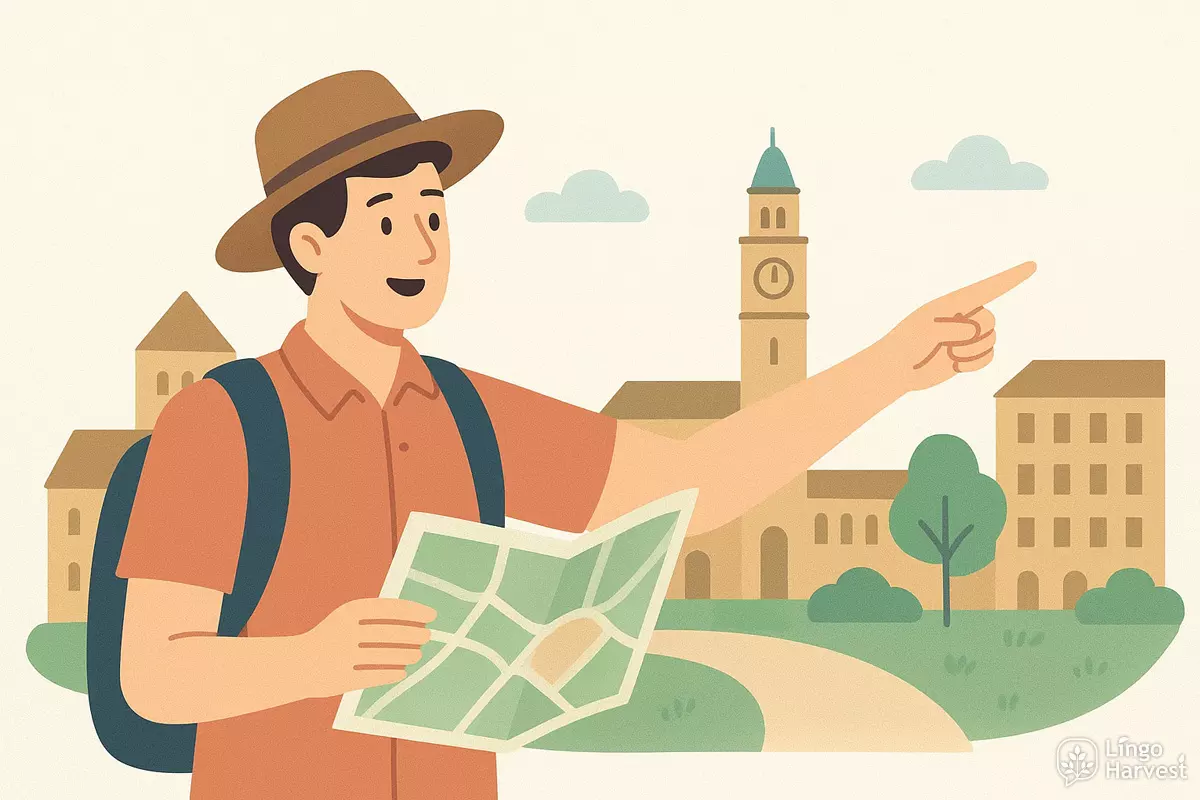
Describing a Place
- It's located in the city center.
- This place is known for its vibrant atmosphere.
- You can find many cafes and shops here.
- The area is famous for its historical landmarks.
- It's a quiet neighborhood with plenty of parks.
Asking for Directions
- How do I get to the nearest subway station?
- Can you show me the way to the museum?
- What's the best route to the library?
- Is there a bus stop near the shopping center?
- How far is it to the train station?
Sharing Experiences
- I had a great time at the local market.
- We enjoyed a lovely afternoon in the botanical gardens.
- The restaurant offered a fantastic view of the city.
- I was impressed by the art gallery’s collection.
- We spent hours exploring the old town.
Comparing Places
| Type of Place | Characteristics |
|---|---|
| Park | Peaceful, green, family-friendly |
| Museum | Educational, cultural, historical |
| Market | Busy, lively, diverse |
| Library | Quiet, resourceful, academic |
Practice using these phrases in your daily conversations to become more confident when talking about places in town.
Short Practice + Answers
Below are some quick exercises to help reinforce your vocabulary.
Identify the Place
- This is where you borrow books and read quietly. What is it?
- You visit this place when you are unwell and need medical help.
- This is where you go to enjoy a meal with others.
- You can watch movies on a big screen here.
Show answers
- Library
- Hospital
- Restaurant
- Cinema
Match the Place with Its Function
| Place | Function |
|---|---|
| Post Office | ? |
| Park | ? |
| Supermarket | ? |
| School | ? |
Show answers
- Post Office – Sending and receiving mail
- Park – Recreation and relaxation
- Supermarket – Buying groceries
- School – Learning and education
Fill in the Blanks
- I need to buy some bread and milk, so I'm going to the _______.
- We’re planning to have a picnic at the _______ this weekend.
- The _______ is open 24 hours and you can get cash anytime.
- Children go to _______ to learn new things every day.
Show answers
- Supermarket
- Park
- ATM
- School