Why Punctuation Matters: Meaning and Clarity in Writing

 This article explains how punctuation affects sentence meaning, reader understanding, and flow. It covers clarity in professional writing, controlling tone and emphasis, avoiding misunderstandings, and includes examples and a quick practice section.
Even the smallest punctuation mark, such as a comma or period, can significantly alter the meaning of what you write. These marks are not simply decorative; they serve a crucial role in guiding readers through your sentences and clarifying your intended message. Proper punctuation prevents misunderstandings and helps your ideas come across as clearly as possible, making your communication more effective and precise. Paying attention to these details is essential for anyone who wants their writing to be easily understood.
How Punctuation Changes Meaning
Even small marks like commas or periods can completely alter what a sentence communicates. Writers use these symbols to clarify relationships between ideas, signal pauses, and avoid confusion. For instance, a misplaced comma may turn a sentence from polite to rude, or from clear to ambiguous.
Examples of Shifting Meaning Through Punctuation
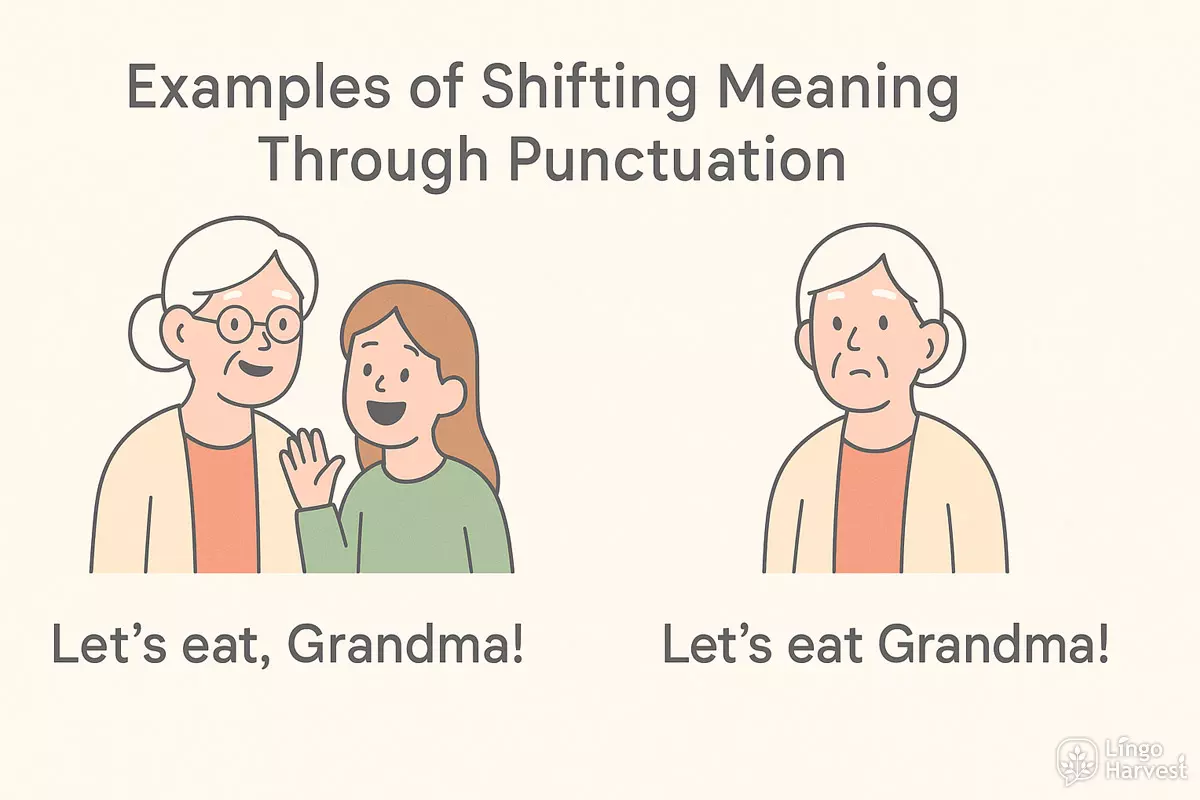
Punctuation can be the difference between a compliment and an insult, or a command and a question. Here are some classic ways in which these marks affect interpretation:
- Let’s eat, Grandma! → Let’s eat Grandma!
- “A woman, without her man, is nothing.” vs. “A woman: without her, man is nothing.”
- Stop, thief! → Stop thief!
- I like cooking, my family, and my dog. → I like cooking my family and my dog.
- He said, “Let’s go.” → He said “Let’s go.”
- Most of the time, travelers worry. → Most of the time travelers worry.
- What is this thing called, love? → What is this thing called love?
- Don’t stop. → Don’t. Stop.
- Let’s go, team! → Let’s go team!
- I invited the strippers, JFK, and Stalin. → I invited the strippers: JFK and Stalin.
Comparing Punctuation Marks in Context
Sometimes, the distinction between two punctuation choices is subtle but meaningful. Here’s a structured look at how a single mark can give a sentence new life or a completely different sense.
| Sentence with Punctuation | Changed Meaning |
|---|---|
| Let’s eat, kids! | Inviting children to eat with you. ✅ |
| Let’s eat kids! | Sounds like you’re suggesting cannibalism. ❌ |
| No smoking, food, or drinks. | Prohibits all three: smoking, food, and drinks. |
| No, smoking food or drinks. | Only prohibits “smoking food or drinks” (unclear/ambiguous). |
| Let him who is without sin cast the first stone. | One person without sin may act. |
| Let him who is without sin, cast the first stone. | Addressed to a specific person (possibly shifting responsibility). |
Common Punctuation Pitfalls
Writers often overlook how a small dash or period changes the flow and tone. For example, using a semicolon instead of a period can make two ideas feel more connected. Omitting quotation marks can create confusion about who is speaking. Exclamation marks may add excitement, but overusing them can make writing seem unprofessional.
Why Attention to Detail Matters
Precision with punctuation ensures your audience understands exactly what you intend. Careless use can lead to misunderstandings, misinterpretations, or even unintentional humor. By being mindful of these marks, you help readers follow your meaning and avoid unnecessary confusion.
Reader Understanding and Flow
Clear punctuation acts as a guide for readers, helping them interpret sentences as intended by the writer. When marks like commas, periods, and dashes are placed thoughtfully, they break up ideas into manageable pieces and prevent confusion. Without these cues, readers may misinterpret the meaning or have to reread passages just to decipher the intended message.
How Punctuation Guides the Reader
Punctuation marks serve as signposts, indicating where to pause, stop, or change tone. This structure allows readers to follow the logic of a sentence, grasp relationships between ideas, and absorb information efficiently. For example, a comma can separate items in a list, clarify direct address, or prevent ambiguity.
- Commas signal brief pauses and separate elements.
- Periods indicate full stops and complete thoughts.
- Colons introduce explanations, lists, or elaborations.
- Semicolons connect closely related ideas.
- Quotation marks show direct speech or cited text.
- Exclamation points convey strong emotion.
- Question marks denote inquiries or uncertainty.
- Apostrophes show possession or contractions.
- Dashes insert additional information or emphasis.
- Parentheses enclose supplementary material.
Common Pitfalls and Their Impact
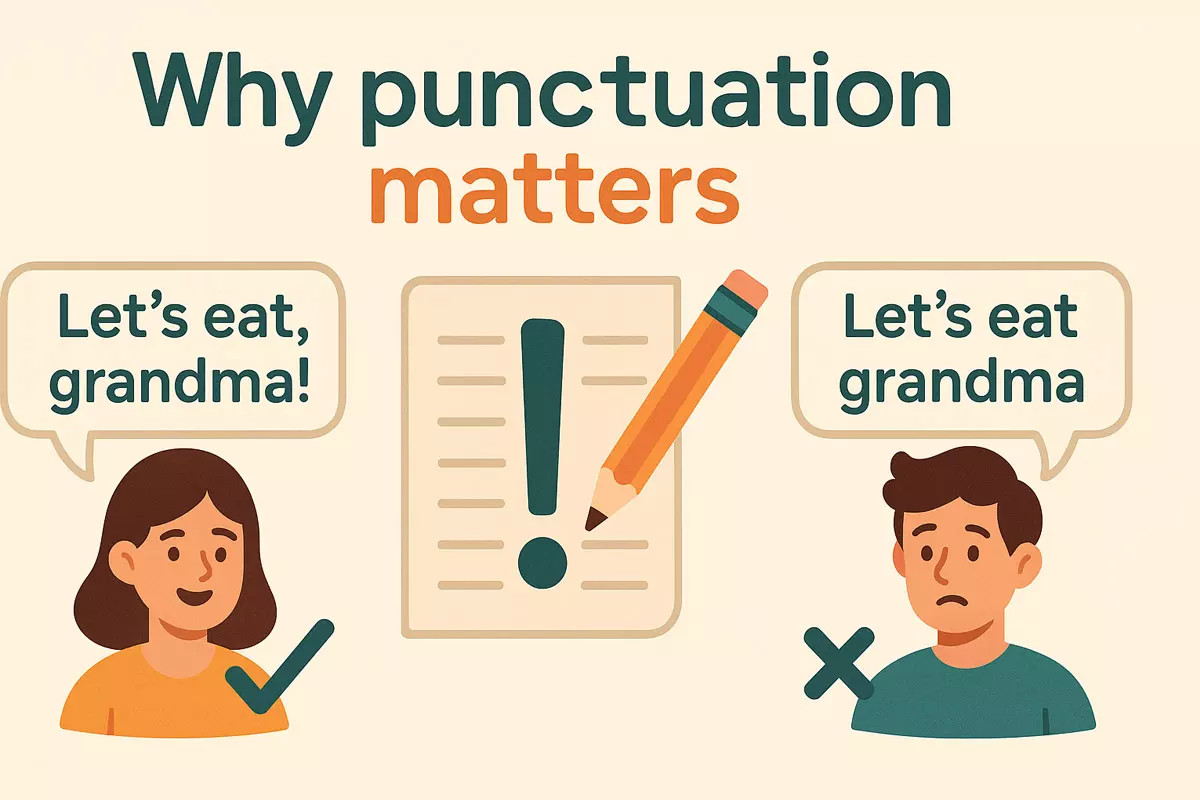
Misplaced or missing punctuation can disrupt the reading process. For example, a missing comma in “Let’s eat, Grandma!” versus “Let’s eat Grandma!” changes the sentence from an invitation to a threat. Consistency and accuracy in punctuation ensure that the writer’s message is conveyed without unintended humor or confusion.
Comparing Clarity: With and Without Proper Punctuation
| Unpunctuated Example | Punctuated for Clarity |
|---|---|
| Lets eat kids | Let’s eat, kids. |
| She said John is coming | She said, “John is coming.” |
| After cooking Jane served dinner | After cooking, Jane served dinner. |
| No more homework teachers | No more homework, teachers! |
| Lets go find inspiration | Let’s go find inspiration. |
Why Flow Matters in Writing
Smooth, logical progression in sentences and paragraphs keeps readers engaged and reduces cognitive load. When punctuation is used effectively, it creates a rhythm and allows for natural breaks, making texts easier to digest. Poorly punctuated writing can feel choppy or overwhelming, causing readers to lose interest or miss key points. Attention to these small details makes a significant difference in how readers experience and understand any written work.
To evaluate how punctuation affects the flow of your writing, you can use our clarity and readability checker . It highlights unclear or overly long sentences and helps improve overall structure.
Clarity in Professional Writing
Ensuring your message is easily understood is essential in any workplace document. Punctuation is a tool that helps structure sentences, prevent misunderstandings, and guide the reader through complex information. Misplaced commas or missing periods can alter the intended meaning, sometimes with serious consequences in business communications.
How Punctuation Shapes Understanding
Well-placed punctuation marks help break information into manageable pieces. They indicate pauses, separate ideas, and clarify relationships between concepts. This is particularly important in reports, proposals, and emails, where ambiguity can lead to confusion or errors.
- Commas distinguish items in a list, preventing ambiguity.
- Colons introduce explanations or lists, setting clear expectations.
- Semicolons link related ideas without creating run-on sentences.
- Quotation marks specify direct speech or cited information.
- Hyphens and dashes signal relationships or interruptions in thought.
- Parentheses insert additional information without derailing the main point.
- Periods signal the end of a thought, helping readers process information.
- Question marks indicate queries, prompting responses.
- Exclamation points convey emphasis, but should be used sparingly in formal writing.
- Apostrophes show possession or contractions, avoiding awkward or incorrect phrasing.
Common Pitfalls and Their Impact
Errors in punctuation can lead to costly mistakes or miscommunication. For example, omitting a comma in a contract can change the obligations of the parties involved. In customer correspondence, unclear punctuation may result in dissatisfied clients or lost opportunities.
| Incorrect Example | Clear, Corrected Version |
|---|---|
| Let’s eat John | Let’s eat, John |
| We need to discuss sales marketing and finance | We need to discuss sales, marketing, and finance |
| The report is late please send it now | The report is late; please send it now. |
| She said he will arrive soon | She said, “He will arrive soon.” |
Professional Benefits of Accurate Punctuation
Mastering punctuation enhances credibility and builds trust with colleagues and clients. Clear writing reduces the risk of misinterpretation and demonstrates attention to detail. Ultimately, those who communicate precisely are more likely to be understood, respected, and successful in their professional roles.
Tone and Emphasis Control
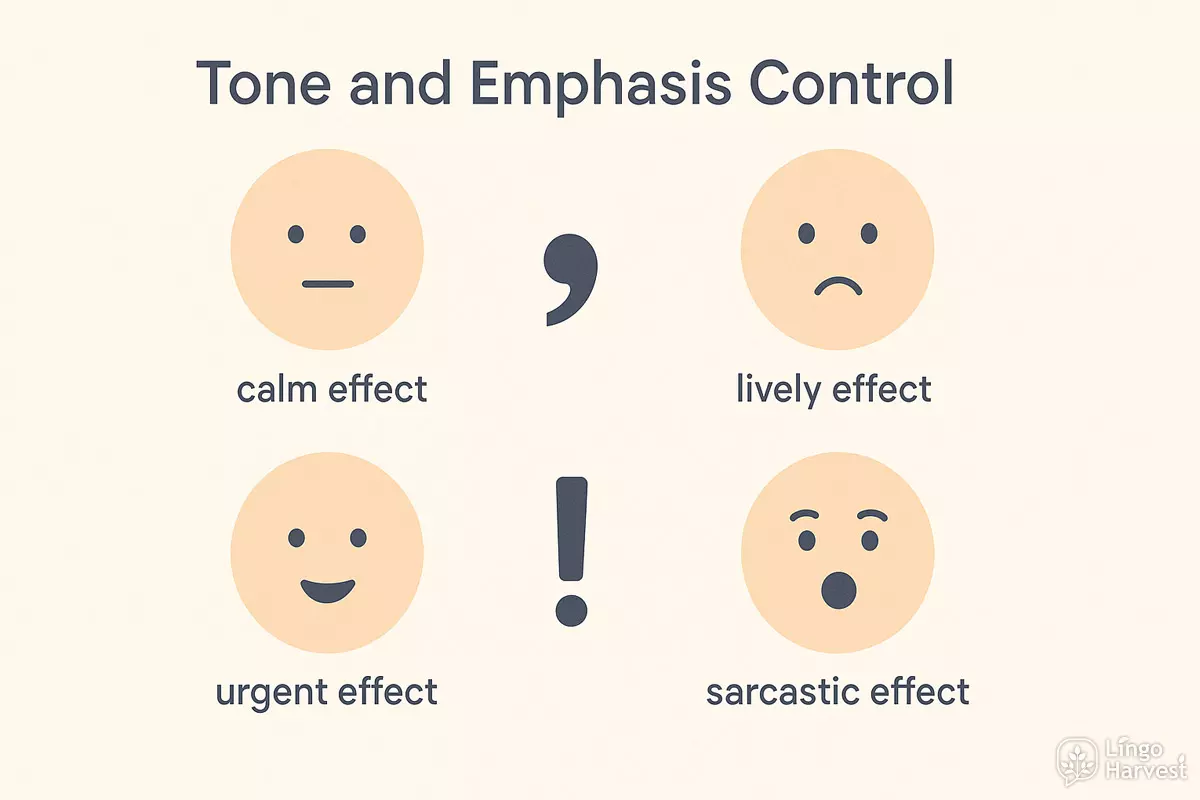
Punctuation isn’t just about technical correctness; it’s a powerful tool for shaping the mood and highlighting important ideas in your writing. The way you use commas, dashes, exclamation marks, and other symbols can transform a bland statement into something lively, urgent, or even sarcastic. Small choices—like swapping a period for a question mark—alter how readers perceive your intent.
How Punctuation Shapes Attitude
Writers can create subtle or dramatic shifts in attitude with just a few marks. For example, a period ends a sentence with certainty, while ellipses hint at hesitation or trailing thoughts. Exclamation points inject excitement or surprise but may come across as informal if overused. Parentheses and em dashes can add side comments or highlight extra details, changing the flow and emphasis of the message.
Examples of Emphasis Techniques
- Commas – break up ideas, create pauses, or add rhythm.
- Exclamation points – signal strong emotion or urgency.
- Question marks – introduce doubt, curiosity, or suggest indirectness.
- Colons – set up explanations, lists, or dramatic reveals.
- Semicolons – link closely related ideas, suggesting a thoughtful pause.
- Ellipses – indicate unfinished thoughts or suspense.
- Em dashes – interrupt with emphasis or clarify meaning mid-sentence.
- Quotation marks – add irony, doubt, or draw attention to specific words.
- Parentheses – insert asides or background information without disrupting the main flow.
- Periods – deliver statements with finality or calm authority.
- Question–exclamation combo (!?) – convey shock or disbelief in dialogue.
Comparing Punctuation Effects
The impact of different punctuation choices becomes especially clear in side-by-side examples. Consider how identical words can feel dramatically different, depending on the mark used:
| Sentence | Effect |
|---|---|
| I can’t believe it. | Neutral statement; calm disbelief. |
| I can’t believe it! | Strong surprise or excitement. |
| I can’t believe it? | Questioning, uncertain, or skeptical. |
| I can’t believe it… | Trailing off, hinting at disappointment or reflection. |
Guidelines for Effective Usage
- Match punctuation to the desired mood or voice, not just grammar rules.
- Use stronger marks (like exclamation points) sparingly for greater impact.
- Vary punctuation to avoid monotony and keep readers engaged.
- Pay attention to how marks affect pacing—short sentences with periods speed things up, while semicolons slow them down.
- Read your work aloud; natural pauses or inflections often hint at the best punctuation choice.
Mastering these subtle differences helps writers fine-tune the emotional resonance and clarity of their message. Every mark matters when you want your words to sound just right.
Avoiding Misunderstandings
Clear punctuation helps writers express intended meaning, while errors or omissions can lead to confusion. Even a small misplaced comma or period can dramatically alter the message, causing readers to interpret a sentence in a way the author never intended.
Common Problems Caused by Poor Punctuation
Many misunderstandings stem from overlooked or misused marks. Here are some typical pitfalls:
- Ambiguous pauses that make it unclear who is doing what
- Run-on sentences that confuse where one thought ends and another begins
- Missing apostrophes leading to ownership or contraction errors
- Incorrect use of colons or semicolons, muddling lists or related ideas
- Misplaced quotation marks blurring what is spoken versus what is narration
- Unclear references due to poorly placed dashes or parentheses
- Misused question marks or exclamation points changing the tone
- Unnecessary or missing commas that affect the meaning of lists
- Periods in abbreviations that look like sentence endings
- Ellipses leaving readers guessing about omitted information
How Punctuation Changes Meaning
To illustrate the impact, consider these sentences:
- Let’s eat, Grandma! → Let’s eat Grandma!
- She said, “Let’s go.” → She said “Let’s go.”
- Let’s cook, kids! → Let’s cook kids!
- I find inspiration in cooking, my family, and my dog. → I find inspiration in cooking my family and my dog.
- Slow, children crossing. → Slow children crossing.
- A woman, without her man, is nothing. → A woman: without her, man is nothing.
- Stop clubbing, baby seals. → Stop clubbing baby seals.
- It’s time to eat, Timmy. → It’s time to eat Timmy.
- Let’s go, team! → Let’s go team!
- “No,” he said. → “No he said.”
Tips for Clear Written Communication
Writers can minimize confusion by following a few practical habits:
- Read sentences aloud to catch awkward pauses or ambiguities
- Check for missing or extra commas in lists and clauses
- Use dashes and parentheses sparingly for asides
- Ensure apostrophes are used only for contractions or possession
- Review dialogue for correct punctuation with quotation marks
- Break up long sentences to avoid run-ons
- Ask someone else to review your writing for clarity
- Familiarize yourself with common punctuation rules
- Be cautious with exclamation points to avoid unintended emphasis
- Proofread for consistent punctuation usage throughout your text
By paying close attention to punctuation, writers can prevent confusion and make their intended message unmistakably clear.
Examples: Meaning Without Punctuation
The absence of punctuation can leave sentences open to multiple interpretations, making it difficult for readers to understand the writer’s intention. Below are several real-world instances where missing punctuation leads to confusion, ambiguity, or even humor. These examples highlight how essential proper punctuation is for conveying clear meaning.
Ambiguous Sentences
- Lets eat grandma
- I find inspiration in cooking my family and my dog
- Woman without her man is nothing
- Stop clubbing baby seals
- Students who are interested in studying biology please see me after class
- Slow children crossing
- Most of the time travelers worry about their luggage
- He said she is beautiful
- Thank you your donation just helped someone get a job
- She finds inspiration in cooking her family and her dog
- No more homework
- We’re going to learn to cut and paste kids
- Let’s eat kids
- Go get him doctors
- We’re going to learn to cut and paste, kids
How Punctuation Changes Meaning
| Without Punctuation | With Punctuation |
|---|---|
| Lets eat grandma | Let’s eat, grandma. |
| Woman without her man is nothing | Woman: without her, man is nothing. |
| Stop clubbing baby seals | Stop clubbing, baby seals! |
| Most of the time travelers worry about their luggage | Most of the time, travelers worry about their luggage. |
| Lets eat kids | Let’s eat, kids. |
| Go get him doctors | Go get him, doctors. |
Even simple phrases can shift dramatically in meaning when commas, periods, and other marks are missing. The above list and table show how careful use of punctuation clarifies who is doing what, to whom, and when. Without these small but mighty symbols, the intended message can quickly become muddled, or even completely reversed.
Quick Review and Practice
Understanding how punctuation shapes meaning is essential for clear written communication. Let’s reinforce your grasp of the basics and see how small marks can change the intent or readability of a sentence.
Common Punctuation Marks and Their Uses
- Period (.) – Ends a statement.
- Comma (,) – Separates elements in a list or clauses in a sentence.
- Semicolon (;) – Connects closely related independent clauses.
- Colon (:) – Introduces a list, explanation, or quotation.
- Question Mark (?) – Ends a direct question.
- Exclamation Mark (!) – Expresses strong emotion or surprise.
- Apostrophe (’) – Shows possession or forms contractions.
- Quotation Marks (" ") – Indicate direct speech or quotations.
- Dash (—) – Adds emphasis, interruption, or an abrupt change of thought.
- Parentheses ( ) – Enclose additional information or asides.
- Ellipsis (...) – Indicates omitted material or trailing off.
- Hyphen (-) – Connects words in compounds or splits words at line breaks.
Punctuation in Action: Compare the Meaning
| Sentence | How Punctuation Changes Meaning |
|---|---|
| Let’s eat, Grandma! | Invites Grandma to eat. Comma clarifies intent. |
| Let’s eat Grandma! | Implies eating Grandma. Missing comma alters meaning dramatically. |
| She said, “Let’s go.” | Direct quotation—shows exactly what was said. |
| She said let’s go. | Indirect speech—summarizes the statement. |
| Let’s cook, kids! | Addresses kids, inviting them to cook. Comma avoids confusion. |
| Let’s cook kids! | Suggests cooking the kids. Absence of comma creates a different, unintended meaning. |
Practice: Spot the Punctuation Error
- Its a lovely day outside
- Lets go to the park, and have a picnic
- Wow that was amazing!
- She cant attend the meeting tomorrow
- After dinner we’ll watch a movie
- Do not forget your homework
- Yes I will join you later
- Its time to start the presentation
- Ouch that hurt!
- Before leaving the house check the doors
Show answers
- It’s a lovely day outside. (Use apostrophe for "It’s" and add period.)
- Let’s go to the park and have a picnic. (Apostrophe for "Let’s"; no comma before "and" in a simple sentence.)
- Wow, that was amazing! (Comma after "Wow" for clarity.)
- She can’t attend the meeting tomorrow. (Apostrophe in "can’t".)
- After dinner, we’ll watch a movie. (Comma after introductory phrase "After dinner".)
- Do not forget your homework. (Add period.)
- Yes, I will join you later. (Comma after "Yes".)
- It’s time to start the presentation. (Apostrophe in "It’s"; add period.)
- Ouch, that hurt! (Comma after interjection "Ouch".)
- Before leaving the house, check the doors. (Comma after introductory phrase.)
Try It Yourself: Rewrite for Clarity
Rewrite these sentences with correct punctuation for clearer meaning:
- Lets eat kids
- He said I will be there soon
- Is it raining outside
- My favorite colors are red blue and green
- Wait dont go
- She said I cant believe it
- Oh no I forgot my keys
- Do you like pizza pasta or salad
- Careful you will slip
- Yes I will join the meeting
Show answers
- Let’s eat, kids.
- He said, “I will be there soon.”
- Is it raining outside?
- My favorite colors are red, blue, and green.
- Wait, don’t go.
- She said, “I can’t believe it.”
- Oh no, I forgot my keys.
- Do you like pizza, pasta, or salad?
- Careful, you will slip.
- Yes, I will join the meeting.
Accurate punctuation not only prevents misunderstandings but also makes your text easier and more pleasant to read. Practice regularly to make these habits automatic.