Light Verb Constructions (take a look, make progress)

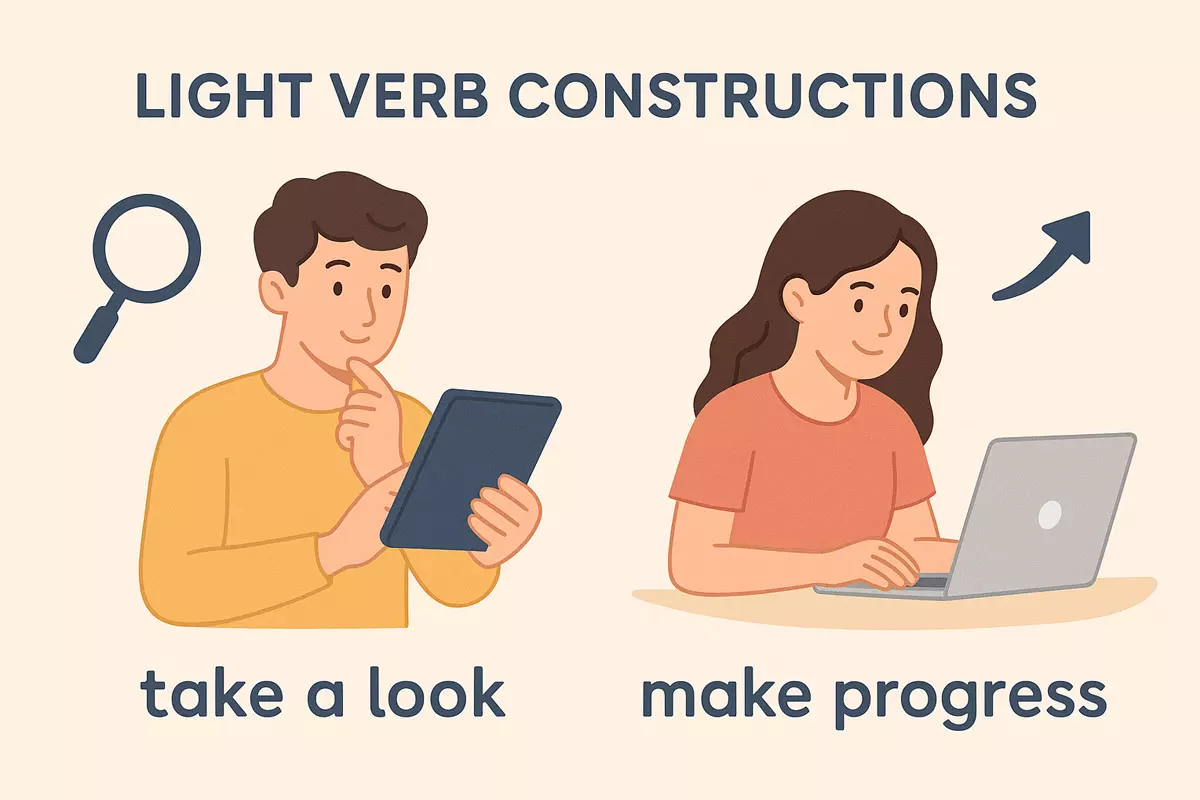 The article defines light verb constructions, lists frequent light verbs such as take, make, have, and give, explains their function and usage differences, contrasts them with full verbs, and provides academic examples and practice exercises.
Some English expressions pair a simple verb, such as have or give, with a noun to create phrases like pay attention or take a seat. These combinations, often called collocations, are frequently used in both spoken and written English. They show how certain verbs naturally go with specific nouns, and learning them can help language learners sound more fluent and natural. Understanding these structures also offers insight into the flexible and creative ways in which English conveys meaning.
Definition of Light Verb Constructions
Light verb constructions are combinations where a semantically "light" or "empty" verb—such as "take," "make," "give," or "have"—pairs with a noun to form a predicate. In these expressions, the verb itself carries little lexical meaning; instead, the noun supplies the main idea. For example, in "take a look," "take" does not mean to physically seize something, and "look" provides the core meaning.
Characteristics of Light Verb Constructions
These combinations are distinct from typical verb-noun phrases because:
- The verb contributes grammatical information (tense, aspect) but minimal semantic weight.
- The noun phrase functions as the main carrier of meaning.
- They are often idiomatic and cannot always be translated word-for-word into other languages.
- Some constructions are fixed, while others allow for variation (e.g., "have a shower" vs. "take a shower").
Common Examples
Here are several frequently used light verb constructions in English:
- take a break
- make a decision
- give advice
- have a chat
- take a nap
- make progress
- give a speech
- have a look
- take a walk
- make an effort
- give a call
- have a dream
- take a seat
- make a promise
- give a hug
- have a rest
- take a photo
- make a plan
- give a warning
- have a try
How Light Verb Constructions Differ from Full Verbs
While full verbs like "run," "build," or "sing" express specific actions or states, light verbs act more as grammatical support. The noun in the phrase typically answers the question "what action or event is happening?" For instance, "make progress" and "progress" both describe advancement, but the former uses "make" as a grammatical framework.
Typical Light Verbs in English
The most common verbs found in these constructions include:
- take
- make
- give
- have
- do
- pay
- get
- set
- keep
Summary
In summary, these expressions are a unique feature of English, blending a grammatical verb with a noun that delivers the essential meaning. Recognizing and understanding them can help learners sound more natural and comprehend idiomatic speech.
Common Light Verbs: take, make, have, give
Light verb constructions are a frequent feature in English, where a simple verb pairs with a noun to create a phrase with a meaning that’s not always obvious from the individual parts. Verbs like "take," "make," "have," and "give" often serve this function. These verbs carry little meaning alone but, when combined with certain nouns, they form expressions that are common in both spoken and written English.
Overview of Frequent Combinations
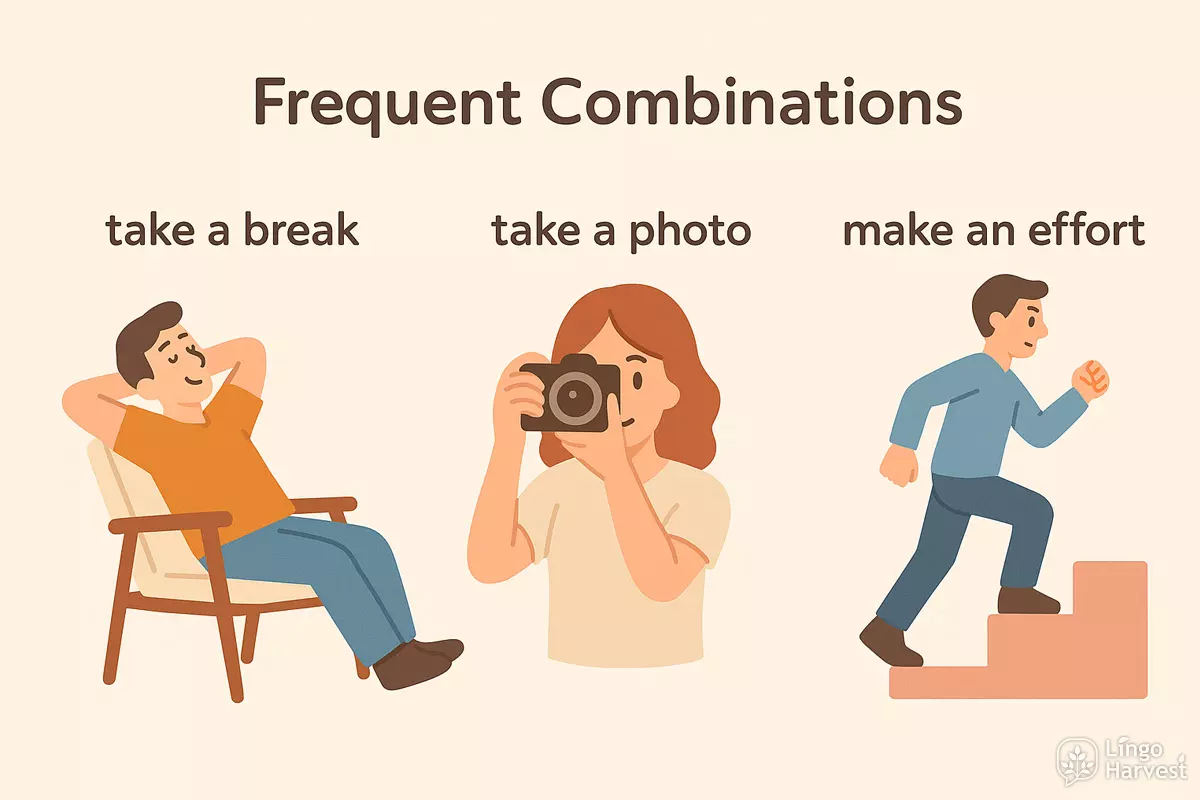
Many everyday phrases use these verbs with nouns to express actions, experiences, or processes. For example, you might "take a look" instead of "look," or "make progress" instead of simply "progress." Here are some widely used examples:
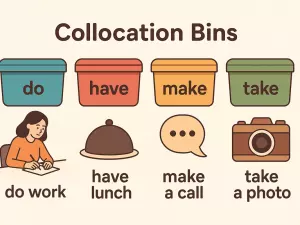
- take a break
- take a walk
- take a seat
- take a photo
- take a chance
- make a mistake
- make an effort
- make a phone call
- make a mess
- make a promise
- have a bath
- have a chat
- have a rest
- have a look
- have a dream
- give a hand
- give a smile
- give an example
- give a hug
- give a try
- do the dishes
- do the cleaning
- do the shopping
Usage Patterns and Meaning
These light verb constructions often replace a single verb with a more idiomatic or natural-sounding phrase. The choice of verb is usually fixed with the noun: for example, we say "make a decision" but not "do a decision." Using the wrong verb can sound unnatural or even incorrect.
Comparison of Light Verb Constructions
Some combinations may appear similar but have different nuances or levels of formality. Here’s a comparison of how these verbs pair with nouns for various meanings:
| Light Verb | Typical Noun Collocations |
|---|---|
| take | take a look, take a break, take responsibility, take a risk, take a seat |
| make | make progress, make a decision, make a mistake, make an effort, make a call |
| have | have a rest, have a bath, have a chat, have a try, have a dream |
| give | give advice, give a hand, give a speech, give permission, give an example |
Why Use Light Verbs?
Using these expressions adds naturalness and variety to language. They can also help learners sound more fluent, as native speakers often prefer these combinations over single verbs. Mastering them is useful for both conversation and formal writing. In summary, learning common pairings like "make a decision" or "take a photo" is key to understanding and using English effectively. Paying attention to which verb matches which noun will help you avoid common mistakes and improve your overall fluency.
Why English Uses Light-Verb Structures
English often relies on expressions like “take a look” or “make progress” because they offer flexibility and allow speakers to form idiomatic phrases with a limited set of verbs. These structures, called light-verb constructions, combine a simple verb (such as take, make, give, have, or do) with a noun to create meanings that a single verb might not easily express. This pattern helps English speakers handle new ideas, nuances, or actions for which there isn’t a dedicated verb.
Reasons for Using Light-Verb Constructions
- Expressing abstract actions: Many concepts (like “make progress”) are difficult to capture with a single verb, so these combinations fill the gap.
- Formality and style: These phrases can sound more formal or polite compared to using a simple verb (“give advice” vs. “advise”).
- Expanding vocabulary: Learners and speakers can use core verbs in multiple ways, increasing expressive power without having to memorize dozens of unique verbs.
- Collocational patterns: Certain nouns naturally pair with specific verbs, creating set phrases that are easy to recognize and use.
- Emphasis and nuance: Using a light-verb phrase can subtly shift the focus (e.g., “have a think” emphasizes the process, not just the result).
Common Light Verb + Noun Patterns
Here are some frequently used examples in everyday English:
- take a break
- make a decision
- give a speech
- have a rest
- do research
- take a shower
- make an effort
- give permission
- have a chat
- take a seat
- make a call
- do business
- have a look
- give advice
- take a photo
- make progress
- do a favor
- have a try
- give an example
- take action
How Light-Verb Constructions Add Value
By combining a small set of high-frequency verbs with different nouns, English allows speakers to communicate a wide range of actions and ideas. This approach makes the language adaptable and easier to use for learners, since mastering a handful of verbs unlocks many practical expressions. Additionally, these structures are useful for forming questions, negatives, and passive forms more easily than many single-verb alternatives.
Meaning Shifts vs Full Verb Alternatives
Light verb constructions often create subtle differences in meaning compared to their more direct, full-verb counterparts. For learners and advanced users alike, it's useful to recognize how expressions like "take a look" and "make progress" can contrast with plain verbs such as "look" or "progress." These differences range from formality and aspect to nuances in agency and emphasis.
How Light Verb Constructions Shift Meaning
Many light verb phrases introduce a sense of process, politeness, or abstraction. For example, "give a speech" sounds more formal and event-like than simply "speak." Sometimes, light verb forms highlight the action as a discrete event, while full verbs make it more continuous or habitual.
Common Light Verb Phrases vs Full Verbs
Below is a comparison of frequent light verb constructions and their direct-verb alternatives, illustrating the kinds of meaning shifts that occur:
| Light Verb Construction | Full Verb Alternative | Typical Nuance/Shift |
|---|---|---|
| take a look | look | Polite invitation, brief action |
| make progress | progress | Emphasizes measurable steps |
| give a call | call | Casual, often used for offers or requests |
| have a rest | rest | Implies a break, often short |
| take a walk | walk | Focuses on the activity as a discrete event |
| make a decision | decide | Highlights the result or process |
| give advice | advise | Emphasizes the act of providing |
| take a seat | sit | Polite invitation |
| make an attempt | attempt | Focus on effort or process |
| give an answer | answer | Emphasizes the delivery of a response |
| take a break | break (rarely used as a verb in this sense) | Specifies a pause in activity |
| make a promise | promise | Underscores the act of committing |
| give a warning | warn | Highlights the communication act |
| take a shower | shower | Describes the event as a whole |
| make an effort | try | Focuses on the attempt, not just the action |
| have a chat | chat | Casual, social nuance |
| give a speech | address, speak | Formal, structured event |
| make a mistake | err | Everyday use, less formal than 'err' |
| take a photo | photograph | Focus on the act as a single event |
| have a dream | dream | Emphasizes the experience |
Why Speakers Choose Light Verb Constructions
Choosing a light verb phrase can soften instructions, add formality, or clarify the scope of an action. For example, "take a seat" is often preferred in polite company over simply saying "sit." Similarly, "make an attempt" can imply a more deliberate or challenging effort than "attempt." Understanding these slight shifts helps both in interpreting meaning and in making speech or writing more nuanced. In many cases, native speakers use these forms to sound more natural, tactful, or specific.
Formal vs Informal Usage Patterns
Light verb constructions, such as "take a look" or "make progress," appear in both casual conversation and more official contexts, but their frequency and acceptability can differ widely. In everyday speech, these expressions are often favored for their natural, idiomatic feel, while more formal writing sometimes prefers single verbs or less colloquial options.
Context Matters: Where Light Verb Phrases Appear
Writers and speakers often choose between a light verb phrase and a simple verb based on tone, audience, and purpose. For example, in academic or business documents, you might encounter "conduct an analysis" instead of simply "analyze," as the former can sound more thorough or measured. In contrast, informal settings readily use phrases like "give me a hand" or "have a chat" for their friendly tone.
- conduct research
- conduct an analysis
- conduct an interview
- carry out a study
- carry out an investigation
- make a decision
- make a suggestion
- make an appointment
- make progress
- make a recommendation
- take action
- take notes
- take responsibility
- take measures
- give a presentation
- give a speech
- give approval
- give feedback
- have a meeting
- have a discussion
- do business
- do research
- do a report
Comparing Register: Light Verb Phrases vs. Simple Verbs
Some light verb constructions are neutral and work well in both formal and informal English, while others are more marked for one register. For instance, "do homework" is standard in all contexts, but "have a go" is informal and rarely used in professional writing.
| Light Verb Construction | Typical Register | Single Verb Alternative | Notes |
|---|---|---|---|
| make a decision | Formal & Informal | decide | More common in written, official contexts |
| take a look | Informal | look/examine | Casual, friendly tone |
| conduct an analysis | Formal | analyze | Preferred in academic/professional writing |
| have a chat | Informal | chat | Rare in formal writing |
| give advice | Neutral | advise | Common in speech and writing |
| make progress | Formal & Informal | progress | Widely used and accepted |
| do business | Formal & Informal | trade | Flexible register |
| have a go | Informal | try | Best for casual speech |
Nuance and Emphasis
Choosing a light verb phrase over a single verb can subtly change the nuance or add emphasis. For example, "make an effort" highlights the process more than simply "try." Similarly, "take a break" feels less abrupt than "stop," and "give a presentation" can sound more formal or structured than "present." Selecting the right construction depends on how you want to be perceived and the level of formality you need.
Frequent Academic Examples
Light verb constructions are widely discussed in linguistic and academic contexts, where recognizing these patterns is important for analyzing English syntax and style. Such combinations pair a semantically "light" verb with a noun, forming an expression whose meaning cannot always be predicted from the verb alone. These structures often appear in both formal writing and spoken language, especially in academic and professional settings.
Common Patterns in Research and Essays
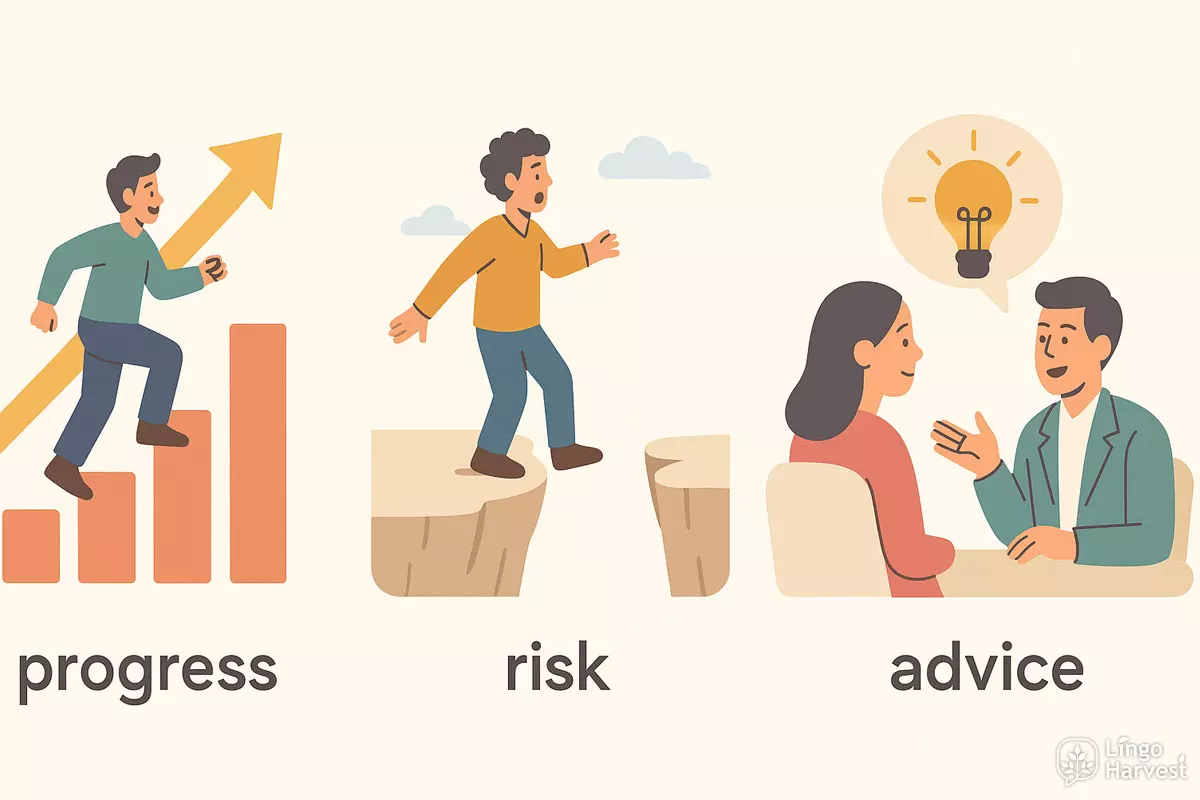
Writers in academic disciplines frequently use these combinations to convey actions or processes in a nuanced way. Instead of choosing a single verb, they might select a light verb plus a noun to sound more formal or precise. Some of the most recognizable patterns include:
- conduct research
- conduct a survey
- conduct an analysis
- carry out an experiment
- carry out a study
- make an observation
- make an argument
- make a claim
- make an assumption
- make a comparison
- provide evidence
- provide support
- take notes
- take measurements
- take a sample
- give an example
- give a response
- give a summary
- have an impact
- have access
- have a tendency
- develop an argument
- form a hypothesis
- draw a conclusion
- reach an agreement
Contrast: Light Verb vs. Simple Verb
Sometimes, English allows both a light verb construction and a single, more direct verb. Understanding the difference can help writers choose the most appropriate style for their context.
| Light Verb Construction | Equivalent Simple Verb |
|---|---|
| make a suggestion | suggest |
| give an answer | answer |
| take a look | look |
| make progress | progress |
| have a discussion | discuss |
| give advice | advise |
In summary, such structures are not just stylistic choices; they often carry subtle differences in tone or emphasis. Recognizing and using them appropriately is a key skill in academic English.
Practice: Replace Heavy Verbs with Light Verbs
Swapping out heavier, more complex verbs for combinations with light verbs can make your English sound more natural and fluent. Light verb constructions like "give a call" or "make a decision" are common in both spoken and written English. This section will help you identify when to use these lighter alternatives and give you the chance to practice.
Common Heavy Verb Alternatives
Here are some examples of how heavy verbs can be replaced with light verb phrases. Notice how the action is conveyed with a general verb plus a noun:
- Investigate → do an investigation
- Decide → make a decision
- Discuss → have a discussion
- Examine → carry out an examination
- Suggest → make a suggestion
- Improve → make improvements
- Arrive → reach an agreement
- Analyze → do an analysis
- Choose → make a choice
- Help → give assistance
- Promise → make a promise
- Visit → pay a visit
- Try → make an attempt
- Look → take a look
- Progress → make progress
- Rest → take a rest
- Call → give a call
- Reply → give a reply
- Support → give support
- Advice → give advice
Practice Exercise: Transform the Sentences
Rewrite each sentence by replacing the heavy verb with a light verb construction. Example: "She investigated the problem." → "She did an investigation of the problem."
- He analyzed the data carefully.
- They improved their English quickly.
- We decided to leave early.
- She promised to help.
- I visited my grandmother last weekend.
- We discussed the project in detail.
- He tried to fix the car.
- She replied to the email.
- They supported the new plan.
- He suggested a new idea.
Show answers
- He did an analysis of the data carefully.
- They made quick progress in their English.
- We made the decision to leave early.
- She made a promise to help.
- I paid a visit to my grandmother last weekend.
- We had a detailed discussion about the project.
- He made an attempt to fix the car.
- She gave a reply to the email.
- They gave support to the new plan.
- He made a suggestion for a new idea.
Comparison: Heavy Verbs vs. Light Verb Constructions
| Heavy Verb | Light Verb Construction |
|---|---|
| analyze | do an analysis |
| decide | make a decision |
| suggest | make a suggestion |
| improve | make improvements |
| try | make an attempt |
| visit | pay a visit |
| promise | make a promise |
| reply | give a reply |
| support | give support |
| look | take a look |
Using these lighter constructions can make your speech and writing more idiomatic. Try incorporating them into your daily English to build fluency and sound more natural.