Search the site
Search
Grammar ▾
▸ Articles
▸ Advanced Grammar
▸ Adjectives & Adverbs
▸ Conjunctions
▸ Conditionals
▸ Determiners
▸ Gerunds & Infinitives
▸ Grammar Practice
▸ Modal Verbs
▸ Nouns
▸ Parts of Speech
▸ Prepositions
▸ Pronouns
▸ Quantifiers
▸ Question Formation
▸ Reported Speech
▸ Verbs
Writing ▾
▸ Punctuation
▸ Sentence Structure
▸ Writing Mistakes
Vocabulary ▾
▸ Visual Vocabulary
▸ Food Vocabulary
▸ People Vocabulary
▸ Places Vocabulary
▸ Hobbies Vocabulary
▸ Home Vocabulary
▸ School Vocabulary
▸ Weather Vocabulary
▸ Basic Vocabulary
▸ General Vocabulary
Speaking ▾
▸ Conversational English
Calculators
Contacts
Home
»
English
»
Grammar
Grammar
This section focuses on English grammar explained in a simple and practical way. You will find clear rules, step-by-step examples, and common mistakes to avoid, helping you build a strong foundation for speaking and writing confidently.
Articles in Questions and Short Answers
Here we how to use a, an, and the in questions, explains the difference between specific and general nouns, and points out typical errors. It also includes short answer practice with answer checks for better learning.
Articles in Simple Descriptions: My Room, My City
This article explains how to describe objects in a room and places in a city. It shows when to use a, an, the, or no article, and offers practice in writing short, accurate English descriptions for common situations.
Articles with Days, Months, and Seasons: Basic Use
Here we when to use articles with days, months, and seasons, including exceptions and fixed expressions with the. It also lists common mistakes and provides practice exercises to test your understanding.
What Are Articles in English? Simple Beginner Guide
The article explains English articles, including the use of a, an, the, and when to use no article. It covers beginner rules, common mistakes, and offers a short practice section to help reinforce understanding.
Articles with Jobs and Professions: a teacher, an engineer
This article explains why we use a or an with jobs, the difference between singular and plural forms, and special exceptions. It also covers talking about roles and common beginner errors, finishing with a quick practice section.
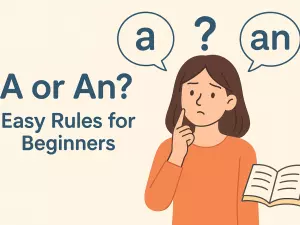
A or An? Easy Rules for Beginners
The article explains how to use 'a' and 'an' based on sound, discusses words starting with vowels and consonants, covers tricky exceptions, points out common beginner mistakes, and includes short practice exercises.
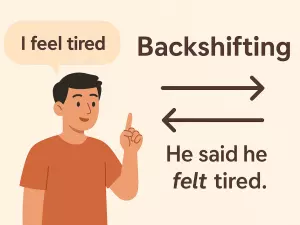
Backshifting in Reported Speech (B1-B2 review)
Here we what backshifting in reported speech means, when to use it, typical tense and modal changes, exceptions where tenses do not shift, common backshift errors, and provides practice turning direct speech into reported speech.
Reduced Relative Clauses: the man living next door
This article explains reduced relative clauses, contrasts them with full clauses, and shows when reduction is possible. It covers present and past participle reductions, avoiding ambiguity, formal usage, and includes practice exercises.
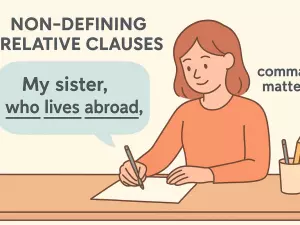
Non-defining Relative Clauses and Commas (polishing writing)
Here we the purpose of non-defining relative clauses, correct comma placement, and when to use who versus which. It also discusses essential versus non-essential information, common mistakes, overuse in academic writing, and offers comma practice.
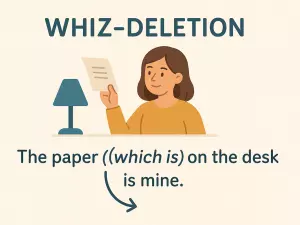
Whiz-Deletion in Relative Clauses (B1-B2 intro)
This article explains whiz-deletion, which is when a relative pronoun and be verb are omitted in English. It covers when deletion is possible, example sentences for B1–B2 learners, common mistakes, and provides practice exercises.
Previous
1
...
89
90
91
92
93
94
95
96
97
...
124
Next