Search the site
Search
Grammar ▾
▸ Articles
▸ Advanced Grammar
▸ Adjectives & Adverbs
▸ Conjunctions
▸ Conditionals
▸ Determiners
▸ Gerunds & Infinitives
▸ Grammar Practice
▸ Modal Verbs
▸ Nouns
▸ Parts of Speech
▸ Prepositions
▸ Pronouns
▸ Quantifiers
▸ Question Formation
▸ Reported Speech
▸ Verbs
Writing ▾
▸ Punctuation
▸ Sentence Structure
▸ Writing Mistakes
Vocabulary ▾
▸ Visual Vocabulary
▸ Food Vocabulary
▸ People Vocabulary
▸ Places Vocabulary
▸ Hobbies Vocabulary
▸ Home Vocabulary
▸ School Vocabulary
▸ Weather Vocabulary
▸ Basic Vocabulary
▸ General Vocabulary
Speaking ▾
▸ Conversational English
Calculators
Contacts
Home
»
English
»
Grammar
Grammar
This section focuses on English grammar explained in a simple and practical way. You will find clear rules, step-by-step examples, and common mistakes to avoid, helping you build a strong foundation for speaking and writing confidently.
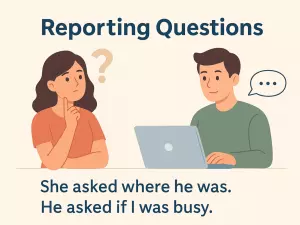
Reporting Questions: ask where / ask if
This article explains how to change direct questions into reported questions. It covers word order rules, using ask where for wh-questions, ask if or whether for yes–no questions, removing do/does/did, and common reporting verbs.
Emphatic DO for Contrast and Emotion
The article explains what emphatic DO means, how it adds contrast or emotion in statements, and where to place it with main verbs. It also warns about overuse, points out common learner mistakes, and gives practice tips for adding emphasis.
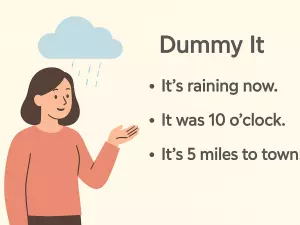
Dummy It with Weather, Time, Distance (extended patterns)
This article explains how dummy it is used in English for weather, time, and distance expressions. It details what dummy it represents, formal usage patterns, common mistakes, and provides practice exercises for clarity and confidence.
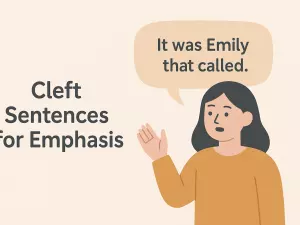
Cleft Sentences for Emphasis: It was X that... / What I need is...
The article explains why cleft sentences are used, how it-clefts and what-clefts are structured, ways to choose emphasis, common clarity problems, differences between spoken and written usage, and provides practice transforming sentences into clefts.
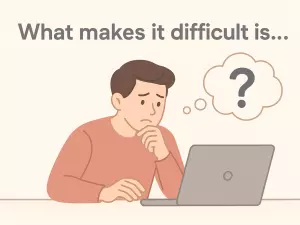
Pseudo-cleft Sentences: What makes it difficult is...
Here we the difference between cleft and pseudo-cleft sentences, explains the basic structure and sentence patterns of pseudo-clefts, highlights their stylistic uses, discusses typical learner mistakes, and includes practice in rewriting sentences.
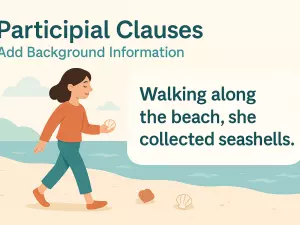
Participial Clauses to Add Background Information
Here we the purpose of participial clauses, how to use present and past participles, ways to link actions, and strategies to avoid dangling participles. It also discusses formal uses, common mistakes, and provides practice exercises.
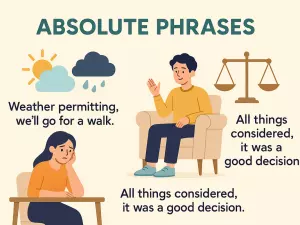
Absolute Phrases: Weather permitting, All things considered
This article explains absolute phrases, their noun plus participle structure, and common real-world examples. It covers when they enhance style, rules for punctuation and placement, typical pitfalls, and offers practice in creating absolute phrases.
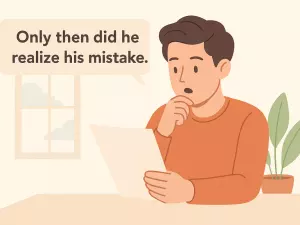
Focus with Fronting: Only then did he realize...
This article explains what fronting means in English, how it is used for emphasis and contrast, and how it changes word order. It covers time, place, and adverbial fronting, formal writing, common errors, and practice exercises.
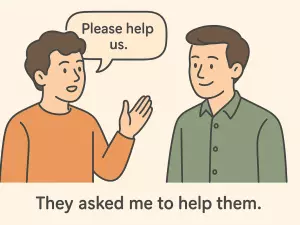
Reporting Requests: tell sb to / ask sb to
This article explains how to report requests in English, the key difference between telling and asking, and how to form both positive and negative reported requests. It also covers polite reporting verbs, common mistakes, and includes practice exercises.
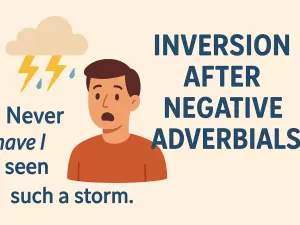
Inversion after Negative Adverbials (Never have I seen...)
This article explains negative adverbial inversion, showing how words like never, rarely, and hardly cause verb-subject inversion in English. It covers rules, formal usage, common errors, and offers practice rewriting sentences with inversion.
Previous
1
...
90
91
92
93
94
95
96
97
98
...
124
Next