Search the site
Search
Grammar ▾
▸ Articles
▸ Advanced Grammar
▸ Adjectives & Adverbs
▸ Conjunctions
▸ Conditionals
▸ Determiners
▸ Gerunds & Infinitives
▸ Grammar Practice
▸ Modal Verbs
▸ Nouns
▸ Parts of Speech
▸ Prepositions
▸ Pronouns
▸ Quantifiers
▸ Question Formation
▸ Reported Speech
▸ Verbs
Writing ▾
▸ Punctuation
▸ Sentence Structure
▸ Writing Mistakes
Vocabulary ▾
▸ Visual Vocabulary
▸ Food Vocabulary
▸ People Vocabulary
▸ Places Vocabulary
▸ Hobbies Vocabulary
▸ Home Vocabulary
▸ School Vocabulary
▸ Weather Vocabulary
▸ Basic Vocabulary
▸ General Vocabulary
Speaking ▾
▸ Conversational English
Calculators
Contacts
Home
»
English
»
Grammar
Grammar
This section focuses on English grammar explained in a simple and practical way. You will find clear rules, step-by-step examples, and common mistakes to avoid, helping you build a strong foundation for speaking and writing confidently.
Multiple Modifiers Before Nouns in Real English Sentences
Here we how to use multiple modifiers in English noun phrases, detailing the natural order of adjectives, combining adjectives and noun modifiers, how order can change meaning, common mistakes, spoken versus written differences, and practice exercises.
Nouns Expressing Limitation and Scope in Clear Communication
This article explains how nouns like limit, boundary, range, extent, field, and area describe limitation and scope. It covers their use in explanations, formal and informal contexts, common mistakes, and offers practice for clarity.
Nouns in Cause and Effect Structures in English Writing
This article explains how nouns such as reason, factor, result, and impact express cause and effect relationships. It covers linking ideas with noun phrases, choosing nouns for academic or daily use, common mistakes, and practice activities.
Placeholder Nouns in Everyday English Conversation Usage
The article defines placeholder nouns in spoken English, lists common examples like thing and stuff, explains when they fit casual conversation, notes risks of overuse, and offers precise alternatives with practice on replacing them for clear communication.
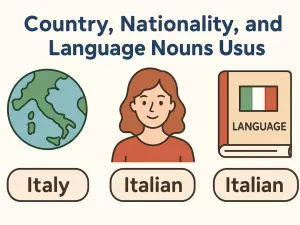
Country, Nationality, and Language Nouns in Usage
Here we the differences between country, nationality, and language nouns, how to form nationality terms, and when to use each. It also explains article and plural use, highlights common errors, and offers practice choosing correct forms.
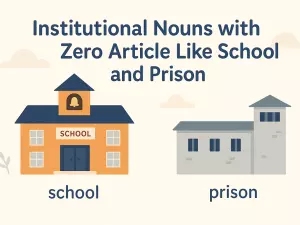
Institutional Nouns with Zero Article Like School and Prison
This article explains what institutional nouns are in English, how their meaning changes with or without the, and the difference between activity and building meanings. It also covers typical learner mistakes and provides practice with article usage.
Brand, Company, and Product Names Used as Nouns
Here we how brand and product names function as nouns, including their use as subjects, objects, countable or uncountable nouns, and plurals. It also explains generic use in speech, capitalization rules, and provides sentence rewriting practice.
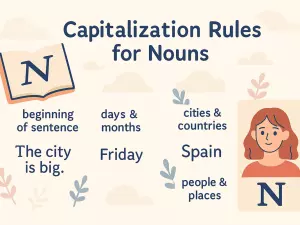
Capitalization Rules for Nouns in English Writing Standards
The article details how to capitalize common and proper nouns, including names, places, organizations, titles, days, months, and holidays. It also explains headline vs sentence capitalization, common mistakes, and provides practice correcting errors.
Names and Titles as Nouns: Mr, Dr, President in English
Here we how titles and names work as nouns, rules for capitalizing titles before and after names, using titles without names, plural forms, and when to use titles formally or informally. It also highlights common mistakes and offers practice exercises.
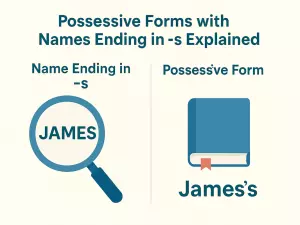
Possessive Forms with Names Ending in -s Explained Clearly
Here we rules for making possessives with names ending in -s, explains when to use apostrophe + s or just an apostrophe, discusses pronunciation and style differences, addresses issues with classical and modern names, and includes practice exercises.
Previous
1
...
53
54
55
56
57
58
59
60
61
...
124
Next