Search the site
Search
Grammar ▾
▸ Articles
▸ Advanced Grammar
▸ Adjectives & Adverbs
▸ Conjunctions
▸ Conditionals
▸ Determiners
▸ Gerunds & Infinitives
▸ Grammar Practice
▸ Modal Verbs
▸ Nouns
▸ Parts of Speech
▸ Prepositions
▸ Pronouns
▸ Quantifiers
▸ Question Formation
▸ Reported Speech
▸ Verbs
Writing ▾
▸ Punctuation
▸ Sentence Structure
▸ Writing Mistakes
Vocabulary ▾
▸ Visual Vocabulary
▸ Food Vocabulary
▸ People Vocabulary
▸ Places Vocabulary
▸ Hobbies Vocabulary
▸ Home Vocabulary
▸ School Vocabulary
▸ Weather Vocabulary
▸ Basic Vocabulary
▸ General Vocabulary
Speaking ▾
▸ Conversational English
Calculators
Contacts
Home
»
English
»
Grammar
Grammar
This section focuses on English grammar explained in a simple and practical way. You will find clear rules, step-by-step examples, and common mistakes to avoid, helping you build a strong foundation for speaking and writing confidently.
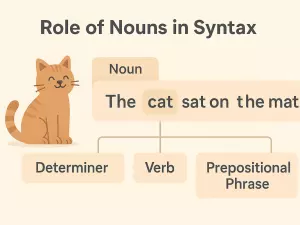
The Role of Nouns in English Syntax
Here we how nouns function as the main part of noun phrases, where they appear in sentences, their role in clause structure, and their connections to verbs, determiners, and prepositions.
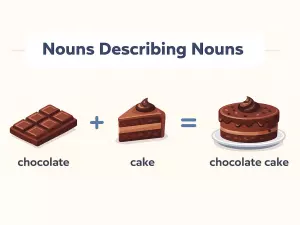
Noun Modifiers: Nouns Describing Nouns
The article explains noun modifiers, including basic noun plus noun structures, meaning relationships, stress patterns, and how they differ from adjectives. It also highlights common combinations, possible ambiguities, and provides practice with noun phrases.
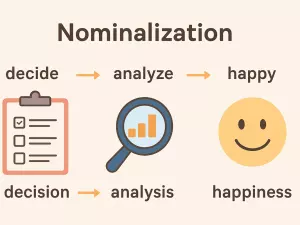
Nominalization: Turning Words into Nouns
Here we what nominalization is, how verbs and adjectives are turned into nouns, common suffixes used, its effects on sentence style and academic writing, when it can be problematic, and includes practice rewriting sentences using nominalizations.
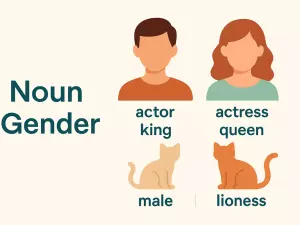
Noun Gender in Modern English
Here we grammatical gender in English, why gender marking is limited, and how gender applies to people and animals. It also discusses traditional gendered nouns, neutral alternatives, pronoun choices, recent changes, and includes practice choosing forms.
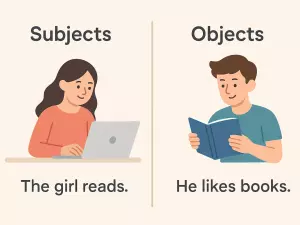
Nouns as Subjects and Objects
Here we how nouns function as subjects and both direct and indirect objects in sentences, explains noun phrases and word order, highlights common learner mistakes, and provides practice identifying subjects and objects in everyday English.
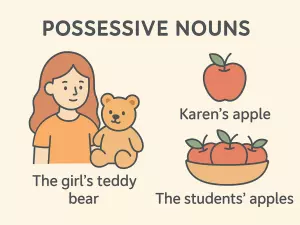
Possessive Nouns: Structural Overview
Here we how to express possession in English, including rules for using apostrophes with singular and plural nouns, irregular plurals, and double possessives. It also highlights common apostrophe mistakes and provides practice exercises.
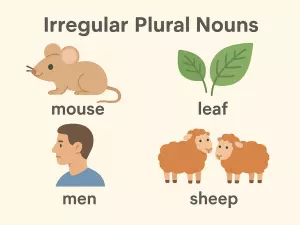
Irregular Plural Nouns: Theoretical Guide
Here we what makes a plural irregular, outlines main patterns such as vowel changes and entirely new forms, examines Latin and Greek loanwords, lists common irregular plurals, addresses spelling and pronunciation issues, and includes a matching exercise.
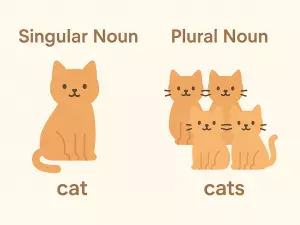
Singular and Plural Nouns: General Rules
Here we how to use singular and plural nouns, including regular endings, spelling and pronunciation changes, and nouns that do not change or are always plural. It also addresses common mistakes and offers practice with pluralizing nouns.
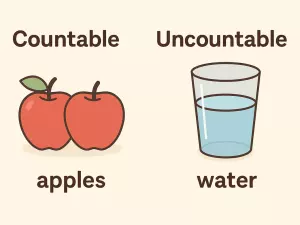
Countable and Uncountable Nouns: Theory
Here we the basics of countable and uncountable nouns, explains which articles and quantifiers to use with each, highlights exceptions, discusses why countability matters, and provides practice in identifying countable and uncountable nouns.
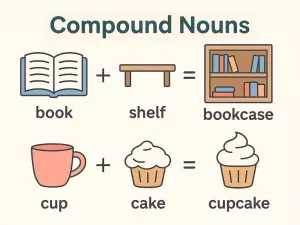
Compound Nouns: Formation Patterns
The article defines compound nouns, outlines how they are formed—such as through noun plus noun and other combinations—details spelling and stress patterns, explains how meanings can change, and provides practice in making new compound nouns.
Previous
1
...
102
103
104
105
106
107
108
109
110
...
124
Next