Search the site
Search
Grammar ▾
▸ Articles
▸ Advanced Grammar
▸ Adjectives & Adverbs
▸ Conjunctions
▸ Conditionals
▸ Determiners
▸ Gerunds & Infinitives
▸ Grammar Practice
▸ Modal Verbs
▸ Nouns
▸ Parts of Speech
▸ Passive Voice
▸ Prepositions
▸ Pronouns
▸ Quantifiers
▸ Question Formation
▸ Reported Speech
▸ Verbs
Writing ▾
▸ Punctuation
▸ Sentence Structure
▸ Writing Mistakes
Vocabulary ▾
▸ Visual Vocabulary
▸ Food Vocabulary
▸ People Vocabulary
▸ Places Vocabulary
▸ Hobbies Vocabulary
▸ Home Vocabulary
▸ School Vocabulary
▸ Weather Vocabulary
▸ Basic Vocabulary
▸ General Vocabulary
Speaking ▾
▸ Conversational English
Calculators
Contacts
Home
»
English
»
Grammar
Grammar
This section focuses on English grammar explained in a simple and practical way. You will find clear rules, step-by-step examples, and common mistakes to avoid, helping you build a strong foundation for speaking and writing confidently.
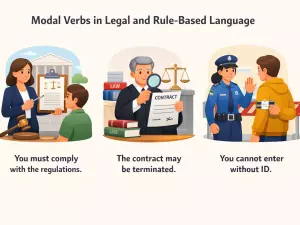
Modal Verbs in Legal and Rule-Based Language
This article explains why legal and regulatory writing leans on modal verbs, which modals define rights, duties, and permissions, and how shall, must, and may can change interpretation. It shows examples where tiny modal shifts alter rules, plus practice exercises.
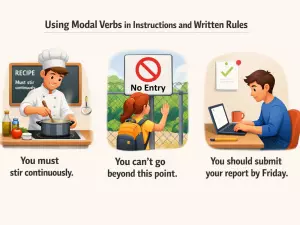
Using Modal Verbs in Instructions and Written Rules
This article shows how modal verbs work in written instructions and guidelines, which modals signal obligation, permission, or advice, and how manuals, policies, and official documents use them. It explains how context shapes strength, how readers interpret rules, and includes exercises.
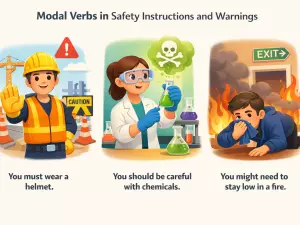
Modal Verbs in Safety Instructions and Warnings
The article explains why safety rules often use modal verbs, which modals show obligation, prohibition, or advice, and how must, should, and may signal different urgency. It gives examples from manuals, signs, and workplace policies, shows how modals clarify required vs forbidden actions, and includes practice to avoid risky misunderstandings.
Modal Verbs Commonly Used in Professional Emails
This article explains why modal verbs are common in professional emails, how they create polite requests and responses, and how they soften overly direct language. It gives examples with could, would, and may, shows how each changes tone, and includes rewrite exercises.
Modal Verbs Used in Negotiation and Persuasion
This article explains why negotiators use modal verbs to sound diplomatic, how they introduce proposals without pushing, and which modals help suggest compromises. It shows examples with could, might, and would, how they soften demands, when they boost cooperation, and includes practice exercises.
Using Modal Verbs in Business Communication
Learn how modal verbs keep your workplace tone professional. It covers common modals for proposing ideas, sample meeting phrases, making polite cooperative requests, softening instructions or feedback, choosing modals by context, and practice exercises to build fluency.
Modal Verbs in Customer Service Conversations
This article explains how modal verbs support polite customer interactions. It covers common modals for offering help, examples using could, may, and would, how they clarify procedures and policies, how tone affects results, when they soften refusals, and practice exercises.
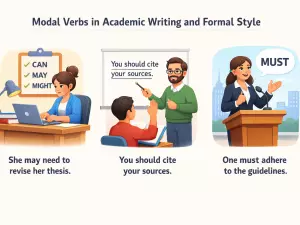
Modal Verbs in Academic Writing and Formal Style
This article explains why academic writing leans on modal verbs, how they signal probability and interpretation, and gives research-focused examples of may, might, and could. It also shows how modals soften claims, when must or should fit, how tone affects choices, plus exercises.
Modal Verbs Commonly Used in Advice Columns
This article explains why advice columns lean on modal verbs, which ones show up most when suggesting solutions, and how writers offer several options. It compares should, could, and might with examples, shows how they soften criticism and change tone, and ends with practice exercises.
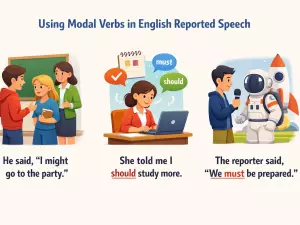
Using Modal Verbs in English Reported Speech
This article explains how indirect speech can change modal verbs, which ones usually shift, and when can becomes could. It also covers modals in reported questions and requests, cases where modals stay the same, how context affects meaning, and practice exercises.
Previous
1
2
3
4
5
6
7
8
9
10
...
126
Next