Search the site
Search
Grammar ▾
▸ Articles
▸ Advanced Grammar
▸ Adjectives & Adverbs
▸ Conjunctions
▸ Conditionals
▸ Determiners
▸ Gerunds & Infinitives
▸ Grammar Practice
▸ Modal Verbs
▸ Nouns
▸ Parts of Speech
▸ Prepositions
▸ Pronouns
▸ Quantifiers
▸ Question Formation
▸ Reported Speech
▸ Verbs
Writing ▾
▸ Punctuation
▸ Sentence Structure
▸ Writing Mistakes
Vocabulary ▾
▸ Visual Vocabulary
▸ Food Vocabulary
▸ People Vocabulary
▸ Places Vocabulary
▸ Hobbies Vocabulary
▸ Home Vocabulary
▸ School Vocabulary
▸ Weather Vocabulary
▸ Basic Vocabulary
▸ General Vocabulary
Speaking ▾
▸ Conversational English
Calculators
Contacts
Home
»
English
»
Grammar
Grammar
This section focuses on English grammar explained in a simple and practical way. You will find clear rules, step-by-step examples, and common mistakes to avoid, helping you build a strong foundation for speaking and writing confidently.
How Modal Verbs Show Present-Time Speculation
Learn how English speakers guess about what’s happening now using modal verbs. It covers which modals show strong vs weak present speculation, how they pair with progressive forms, real examples, how context shifts certainty, cautious assumptions, plus exercises to practice.
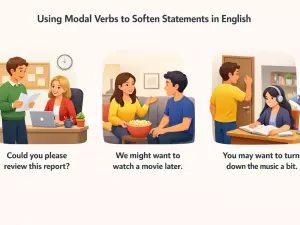
Using Modal Verbs to Soften Statements in English
This article explains why speakers soften statements, which modal verbs they use to weaken opinions, and how that changes the tone of suggestions or criticism. It compares direct vs modal versions, covers when softer wording avoids rudeness, and ends with rewrite practice.
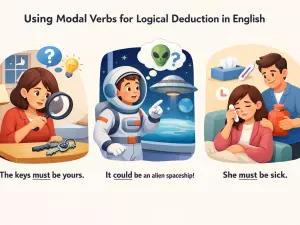
Using Modal Verbs for Logical Deduction in English
The article explains how English speakers use modal verbs to make logical deductions, comparing strong vs weak deduction. It shows how must, might, may, and could express different certainty levels, with evidence-based examples, context tips, and practice exercises.
Modal Verbs for Advice and Suggestions in English
Learn how English speakers give recommendations with modal verbs, comparing the tone of should, ought to, and could. See when advice gets stronger or softer, common sentence patterns, how context shifts meaning, everyday examples, plus exercises to practice.
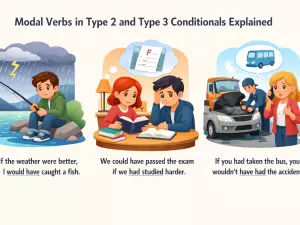
Modal Verbs in Type 2 and Type 3 Conditionals Explained
This article shows how modal verbs work in unreal conditionals, focusing on would, could, and might in Type 2 and Type 3 forms. It explains how they change the meaning of the result clause and express regret, possibility, or uncertainty, with comparisons and practice exercises.
Modal Verbs in Questions for Offers and Invitations
This article explains why English speakers phrase offers and invitations as questions, which modal verbs they use, and how question structure affects tone. It gives everyday examples, shows how context shifts formality, and includes exercises to practice making these modal questions.
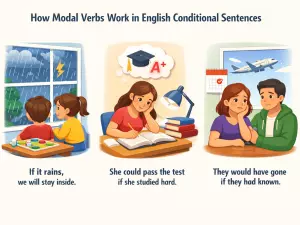
How Modal Verbs Work in English Conditional Sentences
Covers how modal verbs work in if-clauses and result clauses, why speakers swap them for standard conditional forms, and how they shift certainty. Reviews can, could, may, might, with examples for permission, possibility, advice, plus softening results and practice exercises.
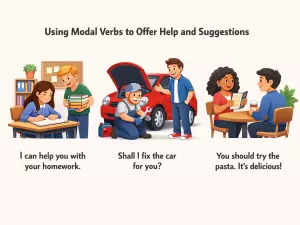
Using Modal Verbs to Offer Help and Suggestions
Learn how modal verbs help you offer assistance politely, use common suggestion phrases, and see how can, could, and shall change tone. Get everyday examples, when indirect hints work best, plus exercises and practice activities to improve.
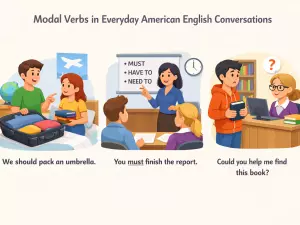
Modal Verbs in Everyday American English Conversations
This article explains how modal verbs show up in casual American conversations, including common expressions, contractions, and patterns you hear in daily dialogue. It also compares textbook examples with real speech, gives short exchange examples, and includes practice exercises.
Using Modal Verbs to Make Predictions in English
Learn how English speakers predict outcomes with modal verbs, which ones show strong certainty vs uncertainty, and how evidence or logic affects the choice. See examples about plans, results, and future events, plus formal vs conversational use, common learner mistakes, and practice exercises.
Previous
1
2
3
4
5
6
7
8
9
10
...
124
Next