Search the site
Search
Grammar ▾
▸ Articles
▸ Advanced Grammar
▸ Adjectives & Adverbs
▸ Conjunctions
▸ Conditionals
▸ Determiners
▸ Gerunds & Infinitives
▸ Grammar Practice
▸ Modal Verbs
▸ Nouns
▸ Parts of Speech
▸ Passive Voice
▸ Prepositions
▸ Pronouns
▸ Quantifiers
▸ Question Formation
▸ Reported Speech
▸ Verbs
Writing ▾
▸ Punctuation
▸ Sentence Structure
▸ Writing Mistakes
Vocabulary ▾
▸ Visual Vocabulary
▸ Food Vocabulary
▸ People Vocabulary
▸ Places Vocabulary
▸ Hobbies Vocabulary
▸ Home Vocabulary
▸ School Vocabulary
▸ Weather Vocabulary
▸ Basic Vocabulary
▸ General Vocabulary
Speaking ▾
▸ Conversational English
Calculators
Contacts
Home
» B1–B2 Intermediate
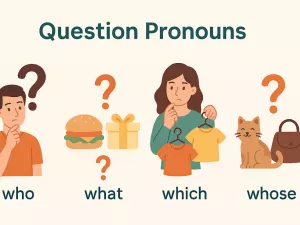
Question Pronouns: Who, What, Which, Whose Explained
This article explains question pronouns, covering who for people, what for things, which for choices, and whose for possession. It includes example sentences and a practice section to help you use these pronouns correctly.
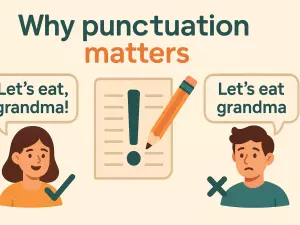
Why Punctuation Matters: Meaning and Clarity in Writing
This article explains how punctuation affects sentence meaning, reader understanding, and flow. It covers clarity in professional writing, controlling tone and emphasis, avoiding misunderstandings, and includes examples and a quick practice section.
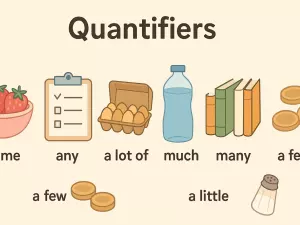
Quantifiers: some, any, a lot of, much, many, a few, a little
The article reviews countable and uncountable nouns, discusses how word choice changes meaning and tone, and explains using some and any for offers or requests. It covers comparing amounts, typical beginner mistakes, and includes practice exercises.
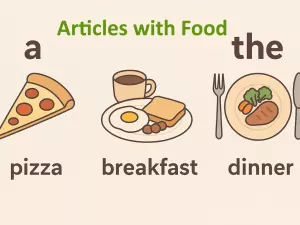
Articles with Food and Meals: Breakfast, Lunch, Dinner
Here we rules for using or omitting articles with daily and special meals, explains countable and uncountable food types, discusses how to talk about dishes and portions, provides useful meal expressions, and highlights common mistakes.
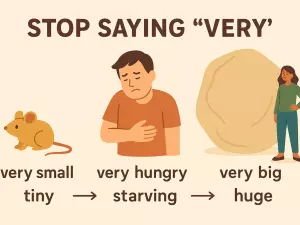
Stop Saying 'Very': 20 Simple Adjectives That Sound Better
Here we why very can weaken your writing, offers stronger alternatives like tiny and starving, explains when to upgrade or keep very, reviews common collocations, and gives practice replacing very plus an adjective with a better word.
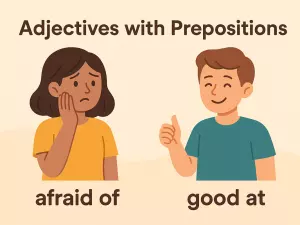
Adjectives with Prepositions: Afraid of, Good at
Here we the importance of adjective-preposition pairs such as afraid of and good at, explains their use with nouns and gerunds, highlights typical errors and pronunciation tips, discusses formal and casual choices, and provides practice exercises.
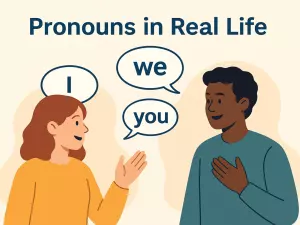
Pronouns in Real Life: The Quick Trick to Sound Natural
This article explains how to use pronouns in everyday situations, choose the right pronoun for clarity, use contractions and singular they, avoid ambiguous references, fix common mistakes, and practice with mini dialogues.
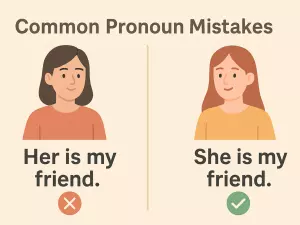
Common Pronoun Mistakes and How to Fix Them
This article tackles common pronoun mistakes, including subject vs object confusion, its vs it's, their vs they're vs there, and unclear references. It explains when to use he, she, or they, and offers quick fixes and practice exercises.
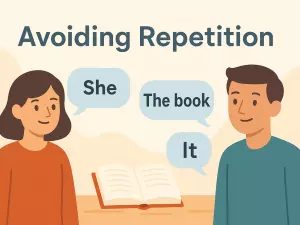
Avoiding Repetition: How Pronouns Make Sentences Clear
Here we the importance of avoiding repetition, shows how to use pronouns instead of nouns, explains how to keep pronoun references clear, and offers examples and practice to help avoid ambiguous pronouns in writing.
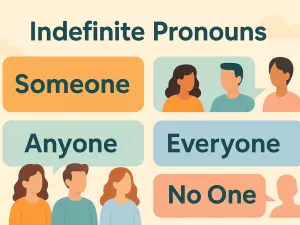
Indefinite Pronouns: Someone, Anyone, Everyone, No One
This article explains indefinite pronouns, comparing positive and negative forms like someone, anyone, everyone, no one, and nobody. It discusses formal and informal usage, common mistakes, and includes practice exercises for clarity.
Previous
1
...
34
35
36
37
38
39
40
41
42
43
Next