Search the site
Search
Grammar ▾
▸ Articles
▸ Advanced Grammar
▸ Adjectives & Adverbs
▸ Conjunctions
▸ Conditionals
▸ Determiners
▸ Gerunds & Infinitives
▸ Grammar Practice
▸ Modal Verbs
▸ Nouns
▸ Parts of Speech
▸ Prepositions
▸ Pronouns
▸ Quantifiers
▸ Question Formation
▸ Reported Speech
▸ Verbs
Writing ▾
▸ Punctuation
▸ Sentence Structure
▸ Writing Mistakes
Vocabulary ▾
▸ Visual Vocabulary
▸ Food Vocabulary
▸ People Vocabulary
▸ Places Vocabulary
▸ Hobbies Vocabulary
▸ Home Vocabulary
▸ School Vocabulary
▸ Weather Vocabulary
▸ Basic Vocabulary
▸ General Vocabulary
Speaking ▾
▸ Conversational English
Calculators
Contacts
Home
»
English
»
Grammar
Grammar
This section focuses on English grammar explained in a simple and practical way. You will find clear rules, step-by-step examples, and common mistakes to avoid, helping you build a strong foundation for speaking and writing confidently.
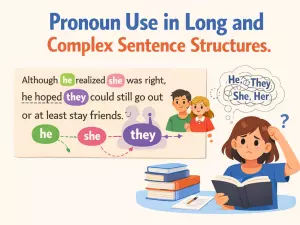
Pronoun Use in Long and Complex Sentence Structures
Here we why long sentences cause pronoun confusion, especially with multiple clauses and complex structures. It gives strategies for clear pronoun use, editing tips, and practice exercises to help simplify and clarify pronoun-heavy sentences.
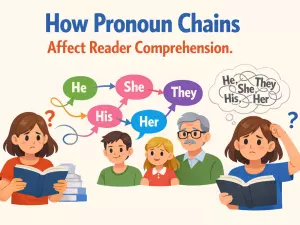
How Pronoun Chains Affect Reader Comprehension
The article defines pronoun chains, discusses how they impact reader comprehension, compares their use in academic and narrative texts, explains when to break them, offers editing strategies, provides examples, and gives practice revising texts for clarity.
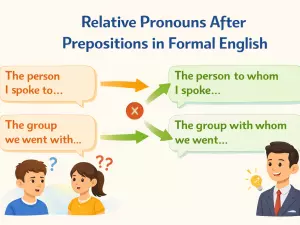
Relative Pronouns After Prepositions in Formal English
Here we how prepositions affect the choice of relative pronouns such as whom and which, differences between preposition fronting and stranding, formal writing norms, and offers practice restructuring sentences using examples from academic texts.
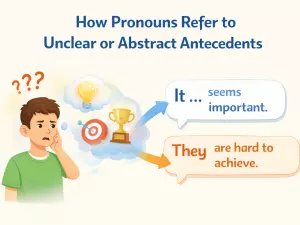
How Pronouns Refer to Unclear or Abstract Antecedents
Here we what abstract and unclear antecedents are, why pronouns can be ambiguous without clear nouns, how pronouns refer to ideas or actions, patterns of ambiguity, and practical editing strategies to ensure pronoun clarity in writing.
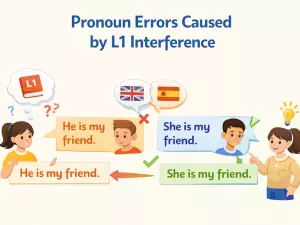
Pronoun Errors Caused by L1 Interference
Here we what L1 interference is, common English pronoun errors it causes—like transfer, word order, and agreement mistakes—plus omission or overuse. It also gives examples, tips to spot interference, correction strategies, and practice exercises.
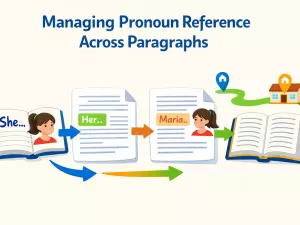
Managing Pronoun Reference Across Paragraphs
Here we why pronoun reference fails across paragraphs, how to reintroduce nouns for clarity, ways to track antecedents in long texts, finding a balance between pronouns and repetition, spotting ambiguity, editing strategies, and practical revision examples.
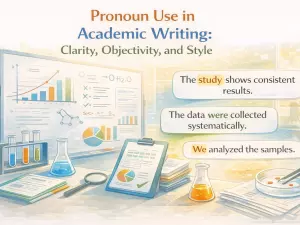
Pronoun Use in Academic Writing: Clarity, Objectivity, and Style
Here we the importance of pronoun choice in academic texts, outlines common types and their role in clarity, compares pronouns to repetition, highlights discipline-specific preferences, and provides practice revising sentences for an academic tone.
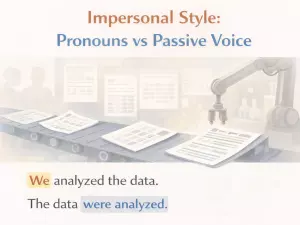
Impersonal Style: Pronouns vs Passive Voice
The article defines impersonal style in formal writing, compares passive voice and impersonal pronouns, gives guidance on choosing the clearest option, warns about overusing passive voice, provides examples, and offers editing tips plus practice exercises.
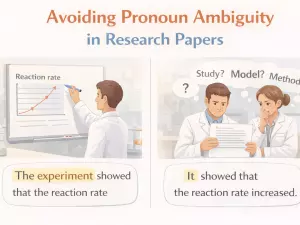
Avoiding Pronoun Ambiguity in Research Papers
Here we pronoun ambiguity in research writing, covering unclear antecedents, pronouns referring to ideas, strategies to restate nouns, editing methods for long paragraphs, clear vs ambiguous examples, a proofreading checklist, and practice exercises.
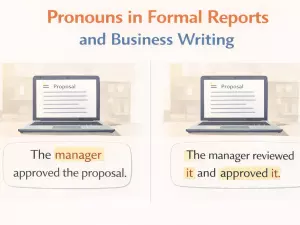
Pronouns in Formal Reports and Business Writing
This article explains how to choose pronouns and set the right tone in business writing. It covers first-person versus impersonal forms, consistency across sections, typical errors, formal examples, and practice revising informal text.
Previous
1
...
32
33
34
35
36
37
38
39
40
...
124
Next